Quick Facts
- Nitrate Content: 310-600mg per serving for maximum ergogenic aid.
- Optimal Timing: Best consumed 2-3 hours before your training session.
- Primary Benefit: Significant improvements in exercise economy and peak oxygen uptake.
- Secondary Benefit: Reduced post-exercise muscle soreness and faster recovery.
- Performance Boost: Documented increases in muscle torque and time-trial speed.
- Natural Alternative: A clean, stimulant-free option compared to synthetic pre-workouts.
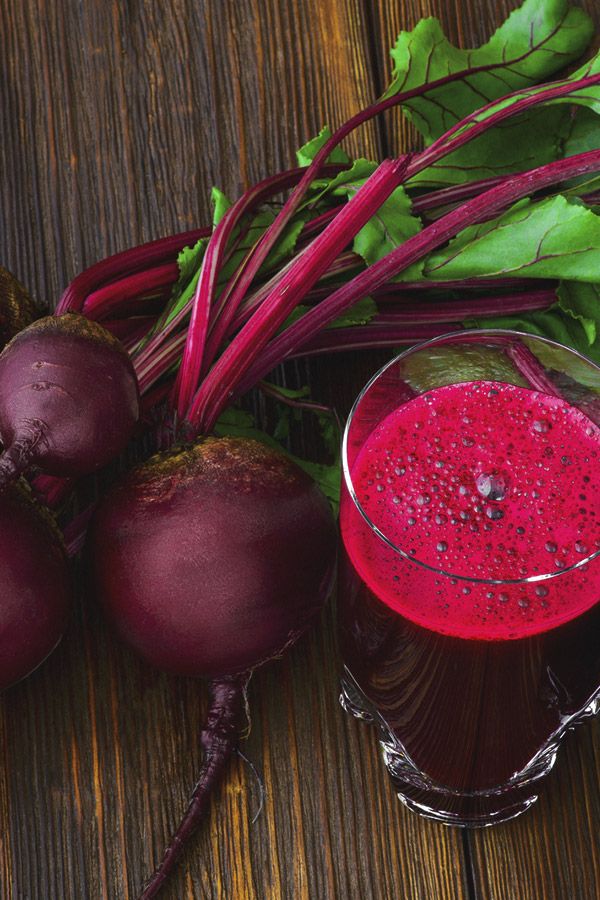
Beet juice serves as an effective natural beet juice pre-workout primarily due to its high concentration of dietary nitrates. These nitrates convert into nitric oxide within the body, promoting vasodilation and improved blood flow. This process enhances mitochondrial efficiency and oxygen uptake, allowing athletes to maintain high-intensity exercise for longer periods while delaying muscular fatigue.
The Science of the Pump: Nitric Oxide and Vasodilation
To understand why elite athletes are swapping their neon-colored powder for purple juice, we have to look at the Nitrate-Nitrite-Nitric Oxide pathway. When you consume dietary nitrates found in beets, bacteria in your mouth and enzymes in your body convert them into nitric oxide. This molecule is a potent signaling factor that triggers vasodilation, the widening of blood vessels.
When your blood vessels dilate, your heart doesn't have to work as hard to pump blood to your working muscles. This increase in blood flow delivers more nutrients and oxygen exactly where they are needed most. Beyond just the physical "pump," nitric oxide improves mitochondrial efficiency. Essentially, it makes the power plants in your cells more productive, meaning you can generate the same amount of power while using less oxygen. This improvement in exercise economy is why beet juice is considered one of the most science-backed natural supplements on the market today.
11 Reasons Beet Juice is the Ultimate Pre-Workout
1. Enhanced VO2 Max and Aerobic Capacity
One of the primary metrics for endurance athletes is VO2 max, which measures the maximum amount of oxygen your body can utilize during intense exercise. Beet juice has been shown to raise this ceiling. By optimizing how your muscles use oxygen, you can push harder for longer before hitting your aerobic limit.
2. Increased Muscle Contraction Velocity
Nitric oxide does not just help with endurance; it affects how quickly your muscle fibers can fire. Research suggests that increased nitric oxide availability can improve the release and reuptake of calcium in muscle cells, which is a key component of muscle contraction velocity. This translates to more explosive movements in the gym or on the track.
3. Superior Results in HIIT
If you are a fan of sprints or CrossFit, you will find specific beet juice pre workout benefits for high intensity interval training. During high-intensity bursts, the body often struggles to keep up with oxygen demands. The nitrates in beet juice help bridge this gap, allowing for faster recovery between intervals and higher power output during each set.
4. Measurable Increase in Muscle Torque
Power lifters and strength athletes can see immediate data-backed gains. A study conducted by researchers at the University of Exeter found that individuals who consumed nitrate-rich beetroot juice as a pre-workout generated 7% more muscle torque during exercise compared to those in a placebo group. This extra force can be the difference between hitting a new personal record and stalling out.

5. Delaying the Onset of Fatigue
Muscle fatigue often occurs when metabolic byproducts build up and oxygen levels drop. By improving the efficiency of the mitochondrial respiratory chain, beet juice helps delay the point of exhaustion. You’ll notice that the "burn" felt during high-repetition sets arrives later than usual.
6. Reduction in Muscle Soreness (DOMS)
Beet juice contains Betalains, which are powerful phytonutrients with anti-inflammatory properties. Consuming beet juice around your training window can help mitigate the inflammatory response to heavy lifting, potentially reducing the severity of delayed onset muscle soreness (DOMS) the following day.
7. Faster Time-Trial Performance
For cyclists and runners, the clock is the ultimate judge. Research published in Medicine & Science in Sports & Exercise demonstrated that competitive male cyclists improved their time-trial performance by approximately 2.8% after supplementing with beetroot juice. In a sport of marginal gains, nearly 3% is a massive leap.
8. Improved Metabolic Efficiency
Scientific studies have shown that beetroot juice supplementation can reduce whole-body oxygen consumption by approximately 3% during submaximal exercise. This means you are literally becoming a more fuel-efficient machine, using less energy to move your body at a given pace.

9. Sharper Cognitive Function Under Pressure
Athletic performance is as much mental as it is physical. Nitric oxide increases blood flow to the frontal lobe of the brain, which is responsible for decision-making and focus. This is particularly useful in team sports where you need to make split-second tactical choices while physically exhausted.
10. Natural Liver Support
Beets are rich in antioxidants that support the liver's natural detoxification processes. Unlike many synthetic pre-workouts that can put stress on your internal organs with excessive stimulants and artificial dyes, beet juice provides a protective effect while enhancing your performance.
11. Cardiovascular Health and Blood Pressure
Beyond the gym, the vasodilation caused by dietary nitrates helps lower systolic blood pressure. For athletes who may be concerned about the heart-straining effects of heavy stimulants, beet juice offers a heart-healthy alternative that supports long-term cardiovascular wellness.
Logistics: Timing, Dosage, and Stacking
To get the most out of your beet juice pre-workout, you cannot just chug it and immediately hit the bench press. The best time to drink beet juice before exercise for peak nitric oxide is roughly 2 to 3 hours before your session. This is the window where plasma nitrate levels reach their maximum concentration in your bloodstream.
When it comes to the beetroot juice dosage for athletic performance improvement, you should aim for a nitrate intake between 310 mg and 600 mg. Drinking a liter of raw juice can be tough on the stomach, which is why many athletes prefer concentrated shots or powders.
| Format | Pros | Cons |
|---|---|---|
| Raw Beet Juice | Whole food source, hydrating | Large volume required, high sugar |
| Concentrated Shots | Portable, precise nitrate dose | Can be expensive per serving |
| Beetroot Powder | Long shelf life, easy to mix | Quality varies by brand |
If you are looking for even more drive, you can mix beet juice with caffeine for pre workout benefits. While the beet juice handles blood flow and oxygen efficiency, a moderate dose of caffeine provides the central nervous system stimulation. Just be sure to test your stomach tolerance first. Many professionals have mastered how to use concentrated beet juice shots for energy by taking them alongside their usual coffee 120 minutes before a race.

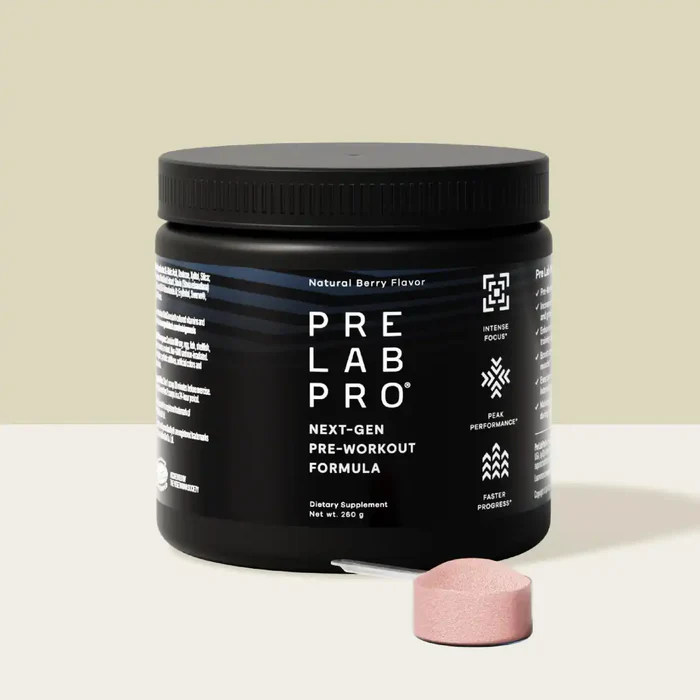
When comparing beet juice vs beetroot powder for pre workout pump, the main factor is the nitrate content. Check the label; if a powder doesn't specify the nitrate milligrams, it may just be beet-flavored filler. A high-quality powder or concentrate is often easier to digest than a massive glass of raw juice, which can cause gastrointestinal distress in some users.
Safety and Side Effects
While beet juice is a safe, natural ergogenic aid, there are a few things to keep in mind. The most common side effect is beeturia—a harmless condition where your urine or stools take on a pink or reddish hue. Don't panic; it is simply the natural pigments of the beet passing through your system.
However, beets are high in oxalates, which can contribute to kidney stones in susceptible individuals. If you have a history of kidney stones, consult with a doctor before making beet juice a daily habit. Additionally, the high fiber and sugar content in raw juice can cause a "heavy" feeling in the stomach for some. Starting with smaller amounts or using concentrated shots can help improve tolerance and prevent any mid-workout bathroom emergencies.
FAQ
When should I drink beet juice before a workout?
The optimal window is 2 to 3 hours before you start exercising. This timing allows your body to convert the nitrates into nitric oxide and ensures that plasma nitrate levels are at their peak during your most intense sets.
How much beet juice should I drink for athletic performance?
You should aim for approximately 310 to 600 mg of dietary nitrates. If you are drinking standard, non-concentrated beet juice, this usually equates to about 500ml (16 oz). If using concentrated shots, two 70ml shots usually provide the required dose.
Does beet juice actually work as a pre-workout?
Yes, it is one of the few natural supplements with a massive body of peer-reviewed evidence. By improving oxygen economy and increasing blood flow through the nitric oxide pathway, it provides a legitimate physical advantage in both endurance and power sports.
How long does it take for beet juice to kick in?
While some initial effects may be felt sooner, it takes about 90 to 120 minutes for the nitrate levels in your blood to reach their maximum. For this reason, it is not a "last-minute" supplement like some caffeine-based drinks.
Are there any side effects of drinking beet juice before exercise?
The most common side effects are beeturia (red-tinted urine) and potential stomach upset if you drink a large volume of raw juice. Those prone to kidney stones should be cautious due to the oxalate content in beets.
Does beet juice help with muscle pump?
Absolutely. Because the nitrates in beet juice are precursors to nitric oxide, they promote vasodilation. This widens the blood vessels and allows for increased blood volume in the muscles, resulting in a more pronounced and longer-lasting "pump" during and after your workout.