Quick Facts
- The Rule: You will feel a difference in 10 sessions, see a difference in 20, and have a whole new body in 30 (the 10-20-30 rule).
- Key Benefit: The wall provides unique tactical feedback that traditional mat work lacks, improving postural alignment instantly.
- Scientific Evidence: A 10-week study involving female students found that wall-based exercises led to significantly higher core muscle strength than traditional methods.
- Equipment Needed: Zero specialized tools are required; all you need is a clear wall space and a flat floor.
- Frequency: Aim for 2 to 3 sessions per week, lasting roughly 15 minutes each, to see consistent physical gains.
- Cost Saving: Practicing at home saves an average of $20 per session compared to boutique studio classes.
- Adherence: Research shows that remote Pilates training carries an adherence rate of approximately 80%, making it one of the most sustainable home workout methods.
Wall Pilates utilizes a wall to provide resistance and proprioceptive feedback, which enhances core stability and pelvic floor activation. This low-impact training method focuses on spinal articulation and transverse abdominis engagement, helping practitioners develop functional mobility and better postural alignment through bodyweight resistance.
Introduction to the Wall Advantage
For many, the word Pilates conjures images of expensive reformer machines, complex springs, and high studio fees. However, a revolutionary shift toward accessibility is happening in the fitness world. Wall Pilates has emerged as the ultimate entry point for those looking to build serious core strength without the barrier of cost or equipment. It is effectively a bridge between the foundational principles of Joseph Pilates and the practical constraints of modern living.
At its heart, Wall Pilates is about using a vertical surface to mimic the resistance usually provided by a machine. By pressing your feet, hands, or back against a wall, you create a closed kinetic chain. This setup forces your nervous system to respond to the constant pressure, leading to better pelvic floor activation and a deeper understanding of your body's position in space. Unlike traditional mat exercises where you might accidentally use momentum to complete a movement, the wall acts as an uncompromising coach. If your hips are uneven or your spine is arched incorrectly, the wall tells you immediately.
This method is particularly effective for beginner wall workout tips because it offers a sense of security. If you struggle with balance or have concerns about your back, the wall provides a stable anchor. By focusing on spinal articulation and the engagement of the transverse abdominis, you aren't just doing a workout; you are retraining your body to move with efficiency and grace.
Why the Wall? The Science of Resistance and Friction
Understanding why the wall is so effective requires a quick look at anatomy and physics. In a standard mat-based class, gravity is your primary source of resistance. In Wall Pilates, you add the forces of resistance and friction into the mix. When you press your heels against a wall during a bridge, you are engaging the posterior chain in a way that is difficult to replicate on a flat floor. This creates a higher demand for isometric holds, which are essential for building muscular endurance.
The wall provides what experts call tactical feedback. This is a form of proprioceptive feedback that helps the brain map out where the limbs are. For example, when performing a wall squat, having your entire spine in contact with the wall teaches you exactly what neutral postural alignment feels like. This mind-body awareness is the "secret sauce" of Pilates, turning a simple exercise into a corrective movement pattern.
The scientific community has begun to validate these benefits extensively. A study published in the journal Acta Gymnica demonstrated that practicing Pilates for two to three one-hour sessions per week over 12 weeks significantly improves abdominal strength, muscular endurance, and joint mobility. When you transition these movements to the wall, you often see even faster results in core stability. By using the wall to stabilize the pelvis, you can isolate the deep core muscles more effectively than when you are wobbling on a mat.
Furthermore, the low-impact training nature of Wall Pilates makes it ideal for longevity. It places minimal stress on the joints while maximizing the workload on the muscles. This makes it a preferred choice for people recovering from minor injuries or those who want to avoid the high-impact jarring of running or HIIT workouts.
The 15-Minute At-Home Pilates Wall Routine
To begin a Wall Pilates routine at home, you don't need a 60-minute block of time. High-intensity, focused sessions can be more effective for maintaining a consistent habit. This 15 minute wall pilates abs routine is designed to hit every major muscle group in the core while improving functional mobility.
Step 1: The Wall Squat (Builds Lumbar Stability)
Position yourself with your back against the wall and your feet about two feet away from the base. Slowly slide down until your thighs are parallel to the floor. Focus on diaphragmatic breathing—inhaling deep into the ribs and exhaling to pull the navel toward the spine. Hold this position for 30 to 45 seconds. The wall ensures your back remains flat, preventing the common mistake of leaning too far forward.
Step 2: Wall-Assisted Hip Lifts (Pelvic Floor Focus)
Lie on your back on a mat with your feet flat against the wall, knees bent at a 90-degree angle. As you exhale, peel your spine off the floor one vertebra at a time until your body forms a straight line from your shoulders to your knees. This move emphasizes spinal articulation. Hold at the top for a breath, focusing on pelvic floor activation, then slowly roll back down. Complete 12 controlled repetitions.
Step 3: Wall Push-Ups (Scapular Placement)
Stand facing the wall and place your hands on the surface at shoulder height. Step your feet back so your body is at an incline. As you lower your chest toward the wall, focus on proper scapular placement, keeping your shoulder blades wide and flat rather than "winging" out. This no equipment wall pilates exercises variation builds upper body strength while requiring the transverse abdominis to stay braced to protect the lower back. Perform 15 repetitions.
Step 4: Wall Leg Circles (Hip Mobility and Abs)
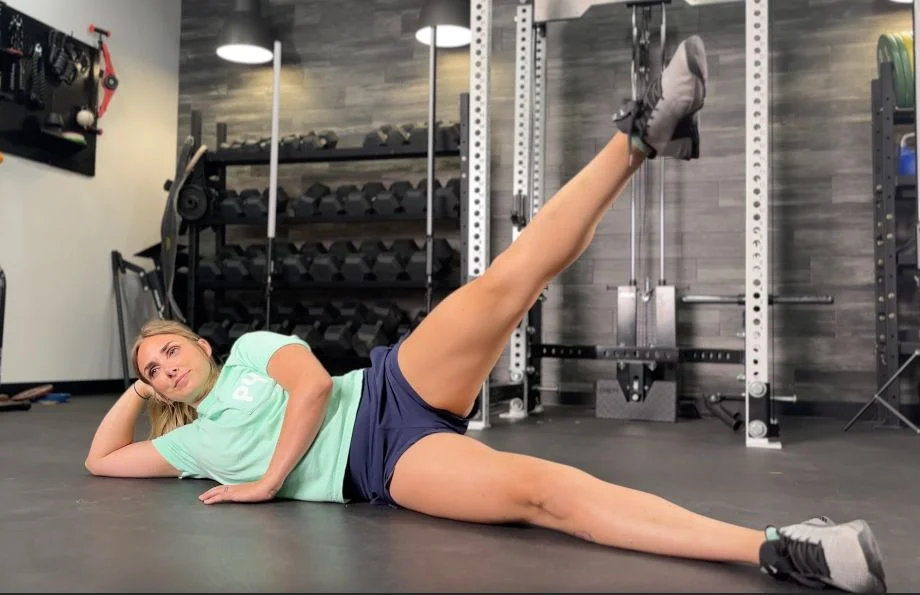
Lie on your back with one leg extended straight up, resting your heel lightly against the wall. The other leg remains on the floor. Use the wall as a guide to draw small, controlled circles with your foot. The goal is to keep the pelvis perfectly still. This move is one of the best wall pilates core exercises because it forces the deep obliques to work against the weight of the moving leg. Complete 10 circles in each direction per leg.
Your Success Checklist & Safety Guide
Starting any new fitness journey requires more than just knowing the moves; it requires a strategy for consistency and safety. While Wall Pilates is a safe, low-impact training option, proper form is non-negotiable to prevent strain.
Safety First: Form and Equipment
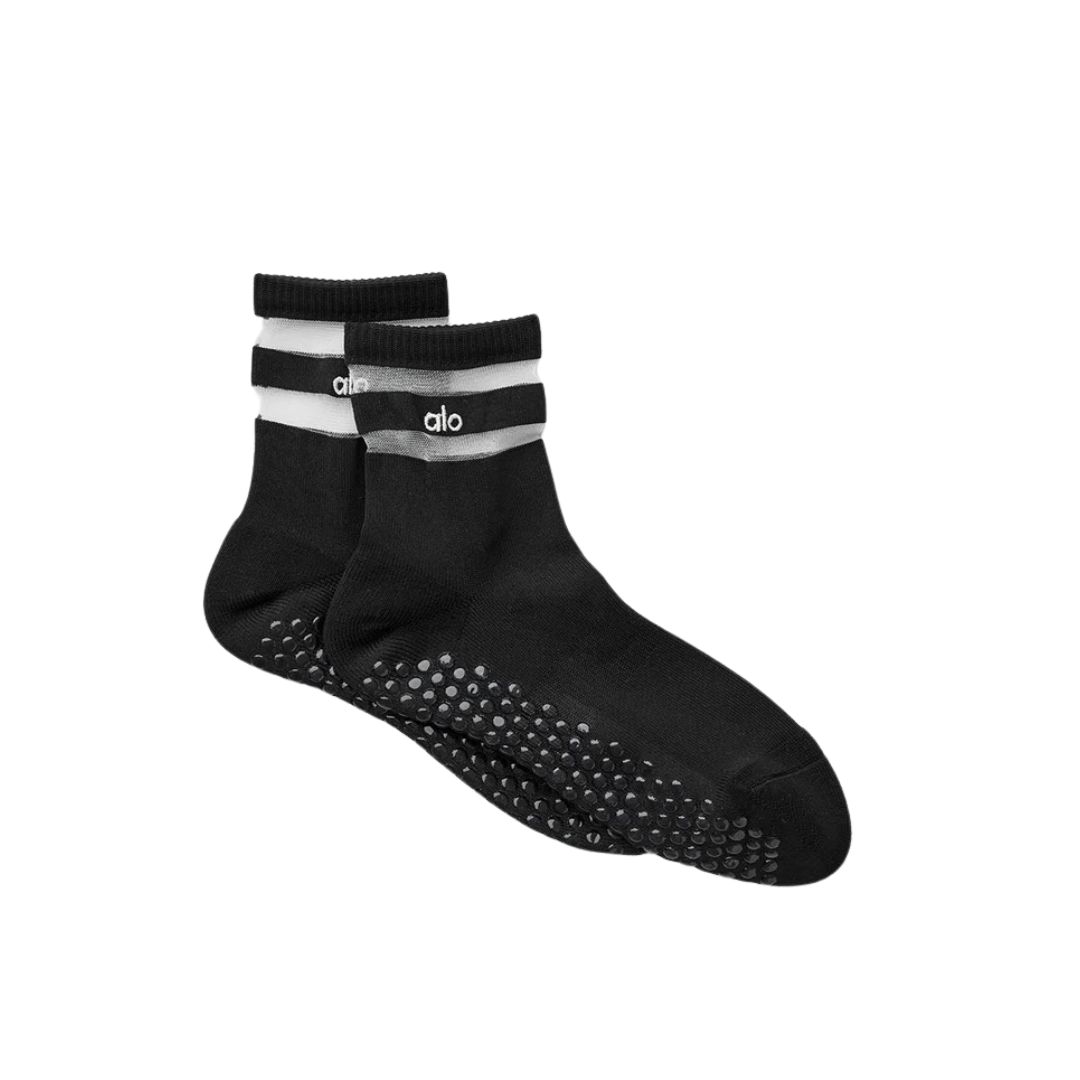
Even though this is a no-equipment routine, the environment matters. Ensure you have a clear section of wall that is free of hanging pictures or furniture. The floor should be non-slip. Many practitioners find that grip socks are a vital safety addition to prevent slipping when your feet are pressed against the wall for resistance.
When performing any movement, pay close attention to your neck and shoulders. It is common for beginners to hold tension in the upper body when the core gets tired. Regularly check your scapular placement to ensure your shoulders are down and away from your ears. If you experience sharp pain, especially in the lower back, stop the movement and check your pelvic alignment. The wall should support you, not cause discomfort.
Setting the 28 Day Wall Pilates Core Challenge
Consistency is the primary driver of physical change. To see the benefits of the 10-20-30 rule, consider committing to a 28 day wall pilates core challenge. This doesn't mean working out every single day, but rather setting a schedule of 4 to 5 sessions per week for a month.
To stay on track, use a journal or a digital tool. Tracking your progress—how many seconds you can hold a wall squat or how much more stable your leg circles feel—provides the motivation needed to keep going. Remember that wall pilates core strength for beginners is built incrementally. Don't rush the movements; the slower you go, the more the transverse abdominis has to work.
Modifications for Lower Back Pain
If you are among the many people using Pilates to manage back issues, the wall is your best friend. For those with lumbar sensitivity, keep the range of motion small. In hip lifts, you don't need to go to the highest point; focus on the "scoop" of the abs instead. Studies have shown that even small, controlled movements can lead to significant improvements in functional mobility and pain reduction over time.
FAQ
What are the benefits of Wall Pilates compared to regular Pilates?
Wall Pilates offers enhanced stability and tactical feedback that you don't get with standard mat work. The wall acts as a constant reference point for your spine and limbs, making it much easier to maintain proper postural alignment. Additionally, the wall provides a form of resistance and friction that can intensify core engagement, effectively mimicking some of the benefits of expensive reformer machines without the cost.
Is Wall Pilates suitable for beginners?
Yes, it is one of the most accessible forms of exercise available. Because the wall provides a stable support system, it is often safer for beginners than traditional mat Pilates, where it can be easy to lose form. The wall helps guide your movements and provides an anchor for balance, making it an excellent at-home pilates wall routine for those just starting their fitness journey.
Can Wall Pilates help with belly fat and core strength?
While no exercise can "spot reduce" fat, Wall Pilates is exceptionally effective at building deep core strength and muscle tone. By targeting the transverse abdominis and promoting pelvic floor activation, it helps create a firmer, more stable midsection. When combined with a healthy diet and regular movement, the increased muscular endurance and metabolic demand of these exercises contribute to overall body composition changes.
How often should you do Wall Pilates to see results?
For the best results, consistency is key. Following the guidelines from scientific studies, aiming for two to three sessions per week is the baseline for seeing improvements in strength and mobility. Many people choose to follow a 28 day wall pilates core challenge, practicing 15 to 20 minutes a day, four to five times a week, to accelerate their progress and solidify the mind-body awareness connection.
Is Wall Pilates safe for people with back pain?
Generally, Wall Pilates is highly recommended for those with back pain because it emphasizes lumbar stability and spinal articulation. However, it is crucial to use wall pilates safety tips for home practitioners, such as moving slowly and avoiding any position that causes sharp pain. The wall helps keep the back supported during movements that might otherwise strain the spine on a mat. Always consult with a healthcare provider before starting a new routine if you have chronic back issues.