
Quick Facts
- The Danger Zone: A drop of less than 12-13 bpm in the first minute post-exercise is a clinical red flag.
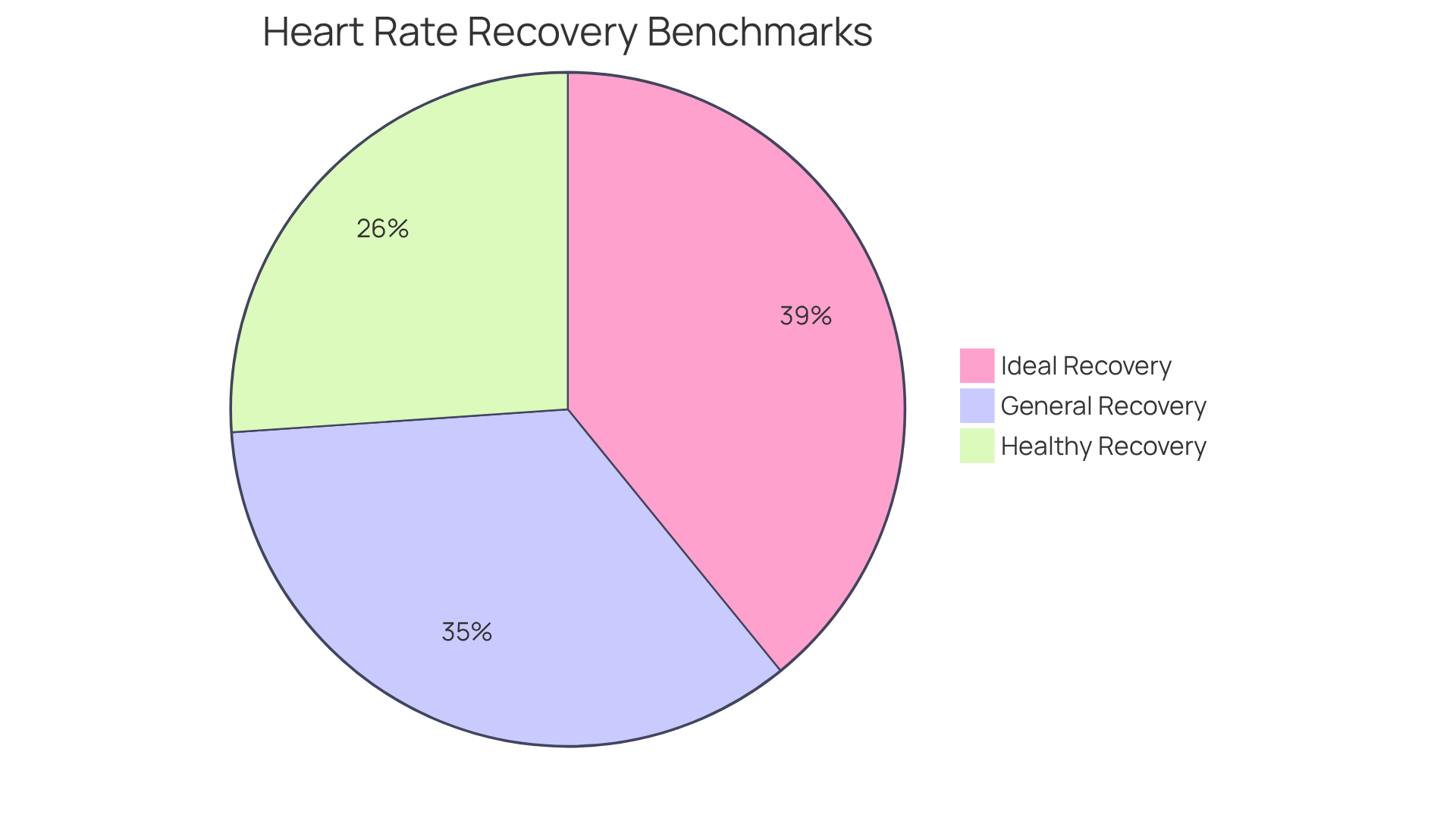
- Good Fitness: A recovery of 18-30 bpm in one minute indicates healthy cardiovascular conditioning.
- Athletic Elite: High-performers often see a drop of 30 bpm or more at one minute and over 50 bpm at two minutes.
- The 70% Rule: Data is most accurate when post-exercise measurements are taken after reaching at least 70% of your maximum heart rate.
- Age Factor: While recovery efficiency naturally declines with age, consistent aerobic conditioning can significantly halt this slide.
- Clinical Risk: A heart rate recovery of 12 beats per minute or less is linked to a fourfold increase in the risk of cardiovascular mortality.
Cardio recovery, or heart rate recovery, measures how quickly your heart rate drops in the first minute after exercise. It is a key indicator of autonomic nervous system efficiency and cardiovascular health. A cardio recovery of 30 bpm or more is typically associated with good fitness levels, whereas a drop of less than 12 bpm after a stress test may indicate poor cardiovascular conditioning or other health concerns.
The Science of Heart Rate Recovery (HRR)
In the world of athletic performance, we often focus on how high we can push our heart rate during a set of hill sprints or a heavy lifting session. However, as an editor focused on sports science, I argue that what happens immediately after you stop is just as critical. Cardio recovery is essentially a test of your autonomic nervous system and its ability to switch gears.
When you exercise, your sympathetic nervous system—the fight or flight mechanism—takes the wheel. It increases your heart rate to pump oxygenated blood to working muscles. The moment you stop, your body should ideally undergo rapid sympathetic withdrawal. This allows the parasympathetic nervous system, specifically the vagal tone, to reactivate and act as the braking system for your heart.

The speed of this transition is one of the most reliable longevity biomarkers we have. Research indicates that a one-minute heart rate recovery of 18 beats per minute or higher is a hallmark of good cardiovascular fitness. If your heart rate stays elevated for too long, it suggests that your parasympathetic reactivation is sluggish, often a sign of overtraining, chronic stress, or underlying cardiovascular efficiency issues.
Unlike your resting heart rate, which stays relatively static day-to-day, cardio recovery vs heart rate recovery metrics provide a dynamic look at how your body handles acute physical stress. By monitoring heart rate variability and recovery patterns, athletes can fine-tune their training volume to match their actual recovery capacity.

Cardio Recovery Chart by Age and Gender
Standardizing what constitutes a good score requires looking at demographic data. Cardio recovery rates change significantly with age due to natural changes in heart muscle elasticity and nervous system sensitivity. For instance, individuals in their 30s typically experience a recovery of about 23 bpm, while those in their 70s average closer to 15 bpm.
To determine where you stand, use the following cardio recovery percentile by age data as a benchmark for your one-minute drop:
| Age Group | Gender | 90th Percentile (Elite) | 50th Percentile (Average) | 10th Percentile (Poor) |
|---|---|---|---|---|
| Under 35 | Men/Women | 43 bpm | 23-28 bpm | < 15 bpm |
| 45-55 | Men | 32 bpm | 20 bpm | < 12 bpm |
| 45-55 | Women | 34 bpm | 21 bpm | < 12 bpm |
| 65+ | Men | 19 bpm | 14 bpm | < 10 bpm |
| 65+ | Women | 25 bpm | 16 bpm | < 10 bpm |
While the standard resting heart rate for sedentary adults ranges from 60 to 100 beats per minute, highly trained athletes may have resting heart rates as low as 40 beats per minute. This superior cardiovascular efficiency allows for a much steeper drop immediately following peak exercise intensity. When using a cardio recovery chart by age and gender, remember that these are averages; a well-conditioned 60-year-old can easily outpace a sedentary 30-year-old in recovery speed.
How to Measure Your Recovery Rate
Using resting heart rate to measure fitness progress is a passive strategy, but measuring your recovery rate requires an active protocol. To get an accurate cardio recovery 30 bpm reading or any other metric, you must reach at least 70% of your maximum heart rate during your workout.
If you are using manual methods, stop your activity, find your pulse immediately, and count the beats for 15 seconds (multiply by four). Wait exactly 60 seconds and repeat the process. The difference between the two numbers is your one-minute recovery score.
For most readers, digital health monitoring through wearables is the most practical route. However, different brands handle this data differently:
| Feature | Apple Watch | Garmin |
|---|---|---|
| Tracking Window | 3 minutes post-workout | 2 minutes post-workout |
| Data Visibility | Health App (Heart > Cardio Recovery) | Activity Summary (Recovery HR) |
| Accuracy Requirement | Must end workout on watch manually | Activity must be paused/stopped |
| Primary Metric | 1-minute drop | 2-minute drop |
When evaluating cardio recovery apple watch benchmarks, be aware that the device continues to monitor you for 3 minutes. The crucial data point is still the drop within that first 60 seconds. For the highest accuracy, do not sit down or stop moving abruptly. Instead, maintain a very slow walk or a standing position to keep blood from pooling in the limbs, which can skew the reading.
Training to Improve Your Score
If your current score is lower than you'd like, you can improve your cardio recovery rate through focused athletic conditioning. The goal is to strengthen the heart and enhance the body’s ability to move back into a parasympathetic state.
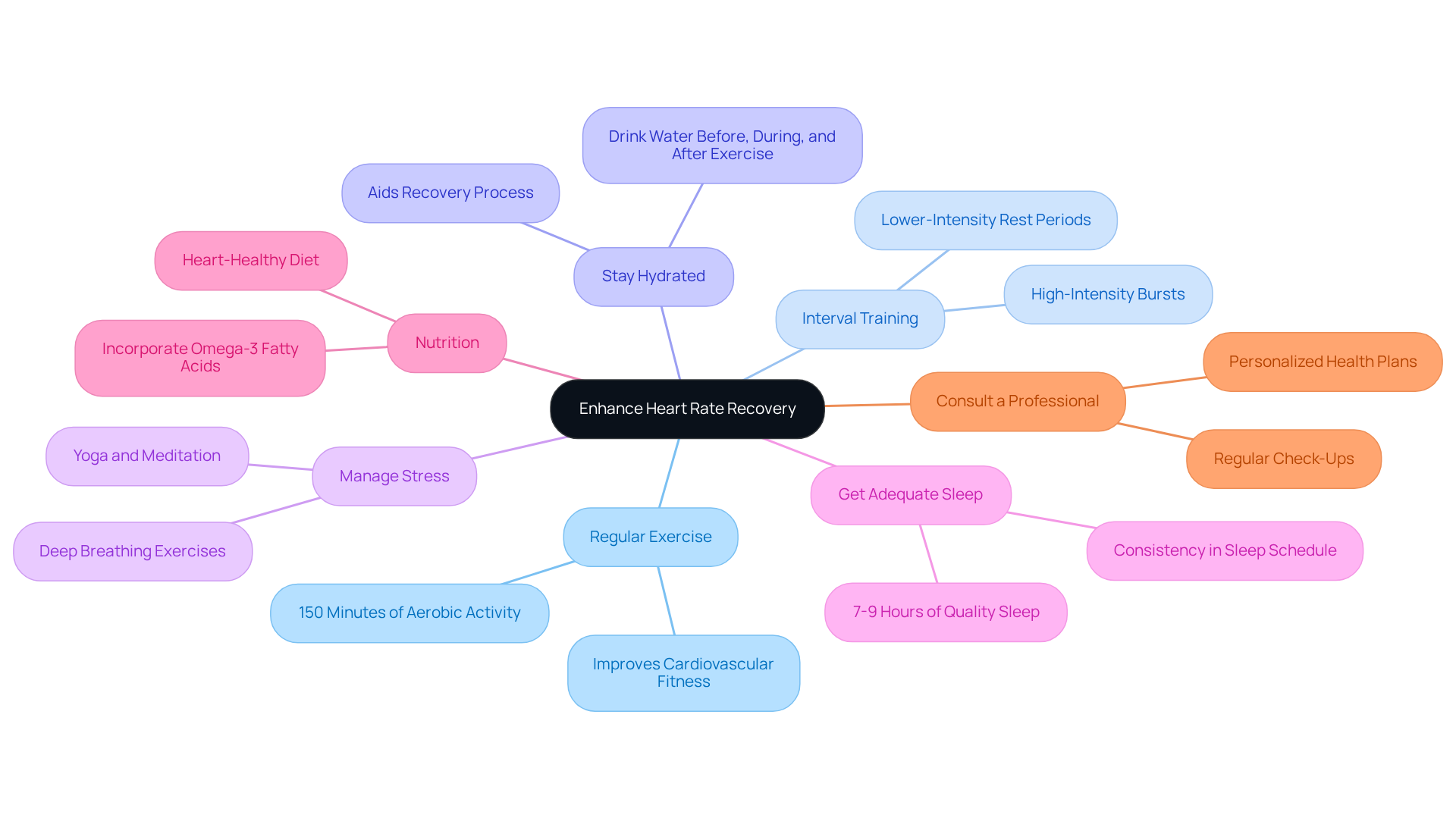
I recommend a two-pronged approach:
- Zone 2 Aerobic Base: Spend 80% of your cardio time in Zone 2, where you can still hold a conversation. This builds mitochondrial density and aerobic capacity, making your heart more efficient at any intensity.
- Zone 5 Interval Training: Once or twice a week, perform high-intensity intervals. Pushing your heart to its limit and then forcing it to recover during the rest periods is the most direct way to train sympathetic withdrawal.
Nutrition also plays a significant role. Stable blood sugar is vital for heart rate stability. Research indicates that individuals with a resting heart rate between 81 and 90 beats per minute have double the risk of premature death compared to those with lower rates. To combat this, focus on protein-rich breakfasts and consistent hydration.

Proper fueling prevents the mid-day cortisol spikes that keep your heart rate unnecessarily high. Following an intense session, practice nasal breathing. By breathing exclusively through your nose during the cool-down phase, you stimulate the vagus nerve and accelerate the transition to a "rest and digest" state.
Red Flags: When to See a Doctor
While it is normal for recovery rates to fluctuate based on sleep quality or caffeine intake, certain trends shouldn't be ignored. If you are wondering why is my cardio recovery decreasing despite consistent training, it might be a sign of overtraining syndrome. In this state, the nervous system is so taxed that it cannot effectively "brake" the heart after exertion.
- The 12 BPM Rule: A drop of 12 bpm or fewer in the first minute is consistently linked to higher risks of cardiac events. If your score is frequently in this range, consult a physician.
- Resting HR Spikes: If your resting heart rate increases by 5-10 bpm over your personal baseline for several days, your cardiorespiratory fitness is likely compromised by lack of recovery.
- Persistent Tachycardia: If your heart rate stays at 100 or higher long after a workout has ended, this indicates extreme sympathetic dominance and requires medical investigation.

Biological Age Tip: If your cardio recovery matches the 90th percentile for an age group 10-15 years younger than you, your "biological heart age" is significantly lower than your chronological age. This is one of the best indicators of long-term health and athletic performance.
FAQ
What is a good cardio recovery on Apple Watch?
A good score on an Apple Watch is a drop of 18 to 30 beats per minute within the first minute after you end a workout. Elite athletes using the device often see drops exceeding 40 bpm. The watch tracks your heart rate for three minutes total to give a comprehensive view of how your cardiovascular system stabilizes.
What should my cardio recovery be?
At a minimum, your heart rate should drop by at least 12 to 13 beats per minute in the first 60 seconds post-exercise. For those with good cardiorespiratory fitness, a drop of 20 to 30 bpm is the standard goal. If you are highly trained, you should aim for the upper percentiles of your age group, often starting at 30 bpm and above.
How accurate is Apple cardio Recovery?
The Apple Watch is widely considered one of the most accurate consumer wearables for heart rate tracking, utilizing high-frequency photoplethysmography (PPG). While it is generally reliable for monitoring trends in cardio recovery, users should ensure the watch band is snug during exercise to prevent light leakage, which can cause erratic readings at high intensities.
Why does my heart rate stay at 100 after exercise?
If your heart rate stays at 100 bpm or higher well after your workout, it may be due to dehydration, heat stress, or excessive caffeine intake. However, it can also be a sign of poor vagal tone or overtraining, meaning your body is struggling to switch from the sympathetic to the parasympathetic nervous system.
What is a normal cardio recovery score?
A normal cardio recovery score for a healthy adult is typically between 15 and 25 beats per minute in the first minute. Factors like age, current fitness level, and even the intensity of the specific workout will influence this number. Generally, anything above 18 bpm is considered a sign of a healthy heart and efficient nervous system.