Quick Facts
- Scientific Efficacy: Clinical research indicates that structured 12-week yoga programs can reduce bladder leakage frequency by 65% to 74% in women.
- Core Mechanism: These poses work by activating the parasympathetic nervous system through controlled diaphragmatic breathing, shifting the body out of "fight or flight" mode.
- Key Benefit: Restorative practices are specifically designed to relieve muscle hypertonicity (chronic over-tightness) which is often the hidden cause of pelvic pain and urgency.
- Essential Props: The use of yoga bolsters and blocks is critical for somatic release, allowing the body to feel safe enough to let go of deep-seated tension.
- Hold Times: For effective myofascial release and improved blood flow, each restorative pose should be held for 3 to 15 minutes.
- Direct Answer: Pelvic floor yoga utilizes restorative poses and diaphragmatic breathing to release hypertonic muscles and improve local blood flow, reducing chronic tension and alleviating dysmenorrhea through parasympathetic activation.
Pelvic floor yoga utilizes restorative poses and diaphragmatic breathing to release hypertonic muscles and improve local blood flow. By activating the parasympathetic nervous system, these exercises help reduce chronic pelvic tension, alleviate dysmenorrhea, and promote sacral stability. Utilizing tools like yoga bolsters and blocks provides the necessary support for deep somatic release and improved lymphatic drainage in the pelvic region.
Why Relaxation Matters: Moving Beyond the Kegel Myth
For years, the standard advice for any pelvic concern has been "more Kegels." However, in my work as a wellness editor, I often see women who are actually suffering because their pelvic floor is already too tight. This state, known as muscle hypertonicity, means the muscles are constantly contracted, leaving them fatigued, painful, and unable to function correctly. Think of it like holding a bicep curl all day long; eventually, the muscle becomes exhausted and weak, even though it is "clenched."
There is a fascinating neurological connection between our jaw and our pelvis. If you find yourself clenching your teeth during a stressful day, there is a high probability that your pelvic floor is mirroring that tension. This is why pelvic floor relaxation exercises are just as important as strengthening. While high-impact sports and HIIT can increase intra-abdominal pressure and strain the pelvic region, restorative yoga acts as a supportive hammock. It provides the space needed for the pelvic diaphragm to move naturally with your breath.
By focusing on pelvic floor relaxation exercises, we invite the vagus nerve stimulation necessary to lower cortisol levels. When we are stressed, our body naturally guards the pelvic area. Restorative yoga tells the brain that we are safe, allowing the muscle hypertonicity to dissolve and blood circulation to return to the delicate tissues of the pelvic bowl.
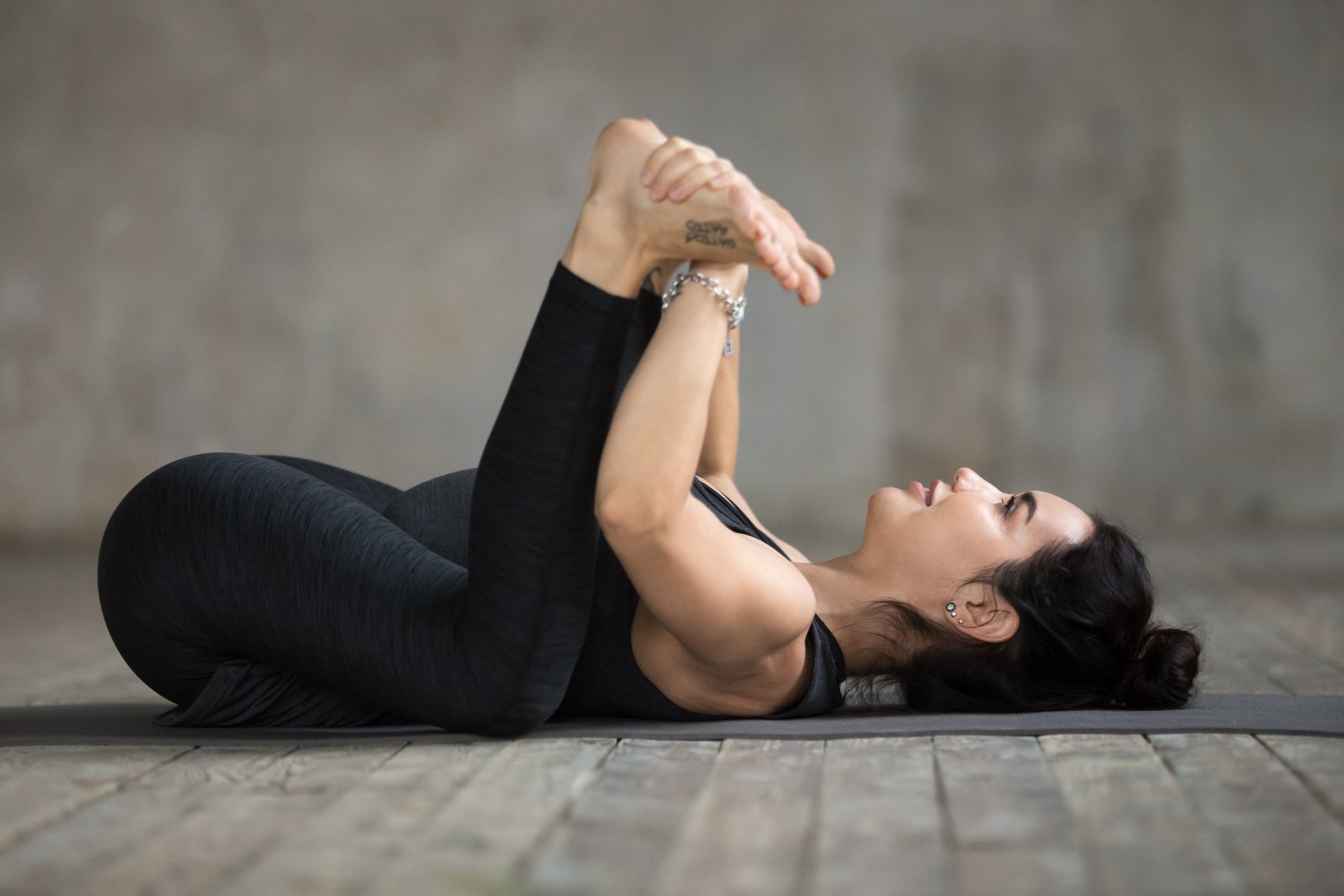
1. Happy Baby (Ananda Balasana) for Pelvic Diaphragm Release
Happy Baby is perhaps the most iconic pose for pelvic floor yoga because it encourages a literal opening of the pelvic outlet. When we spend our days sitting in chairs or standing for long hours, the inner thighs and groin become constricted. This pose provides a deep stretching yoga poses for pelvic floor release by allowing gravity to do the work.
To practice this effectively, lie on your back and bring your knees toward your chest. Reach for the outsides of your feet or your ankles. As you hold this position, focus on your breathing. You want to feel the pelvic diaphragm and the respiratory diaphragm moving in perfect sync. On every inhale, imagine your breath traveling all the way down to the base of your pelvis, gently expanding the muscles outward.
If your feet are difficult to reach without your tailbone popping off the floor, I highly recommend using a yoga strap looped over the arches of your feet. This ensures your spine remains grounded and your sacrum stays stable. Staying in this pose for 3 to 5 minutes allows for a profound unwinding of the connective tissues, making it a foundational element of any pelvic floor yoga routine.
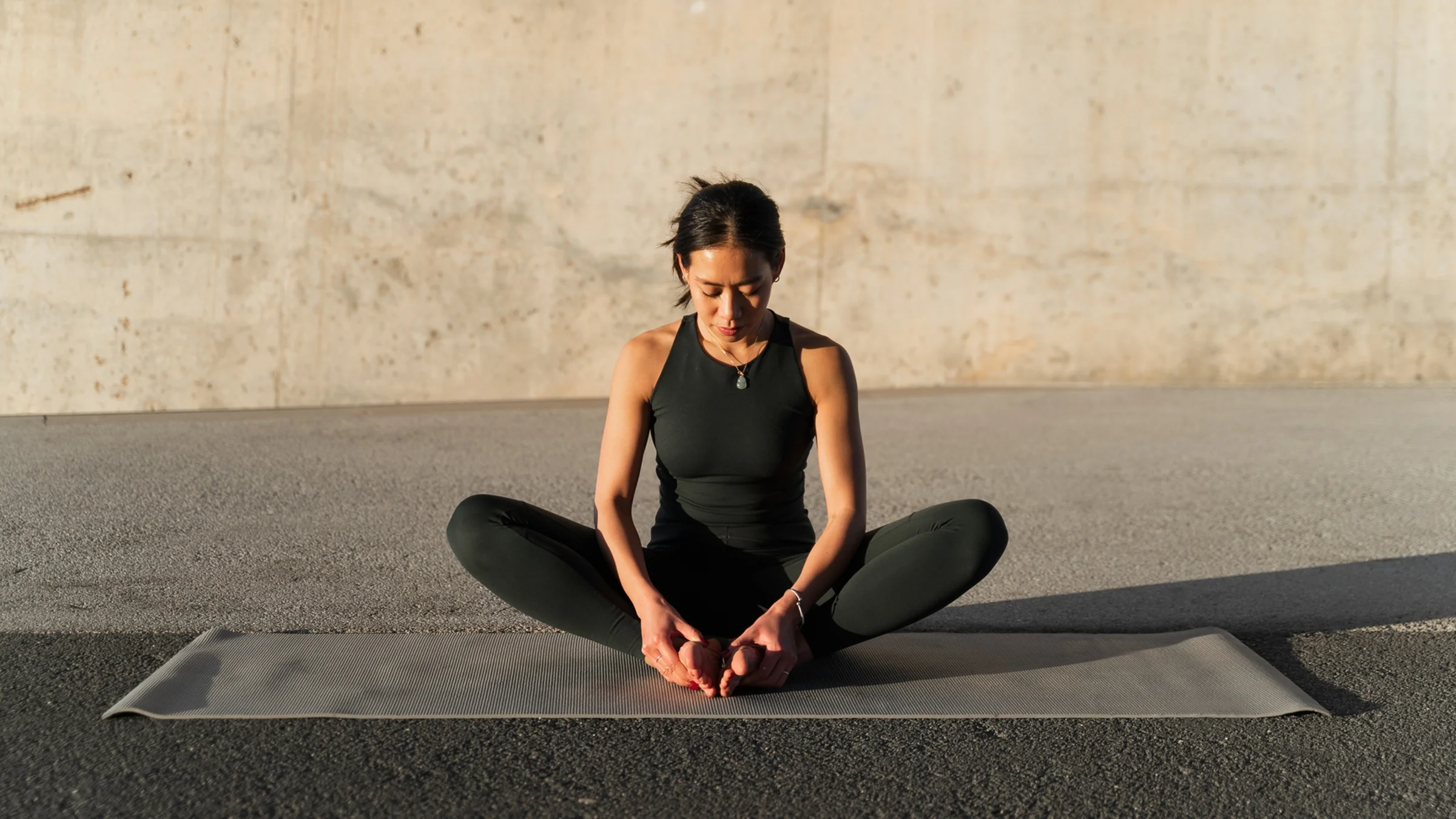
2. Supported Butterfly Pose (Baddha Konasana) for Muscle Hypertonicity
When dealing with muscle hypertonicity, the goal is "un-learning" the habit of holding tension. Supported Butterfly is the ultimate pose for this because it uses props to convince the nervous system that the legs are fully supported. This is where knowing how to use yoga blocks for pelvic floor relaxation becomes a game-changer.
To set up, lie back on a yoga bolster that supports your entire spine from the tailbone to the head. Bring the soles of your feet together and let your knees fall open. Place a block or a folded blanket under each knee. Without this support, your hip flexors might actually "grip" to prevent the legs from overstretching. By providing a firm surface for the knees to rest on, you signal to the hip flexors and the pelvic floor that they can finally let go.
This pose is particularly effective for improving blood circulation and encouraging lymphatic drainage. As the hips open, the local blood flow to the reproductive organs increases, which can be incredibly healing for those dealing with pelvic congestion or hormonal imbalances. It is one of the most effective yoga exercises to relax hypertonic pelvic floor muscles because it combines physical opening with deep, restorative rest.
3. Legs-Up-the-Wall (Viparita Karani) for Period Cramp Relief
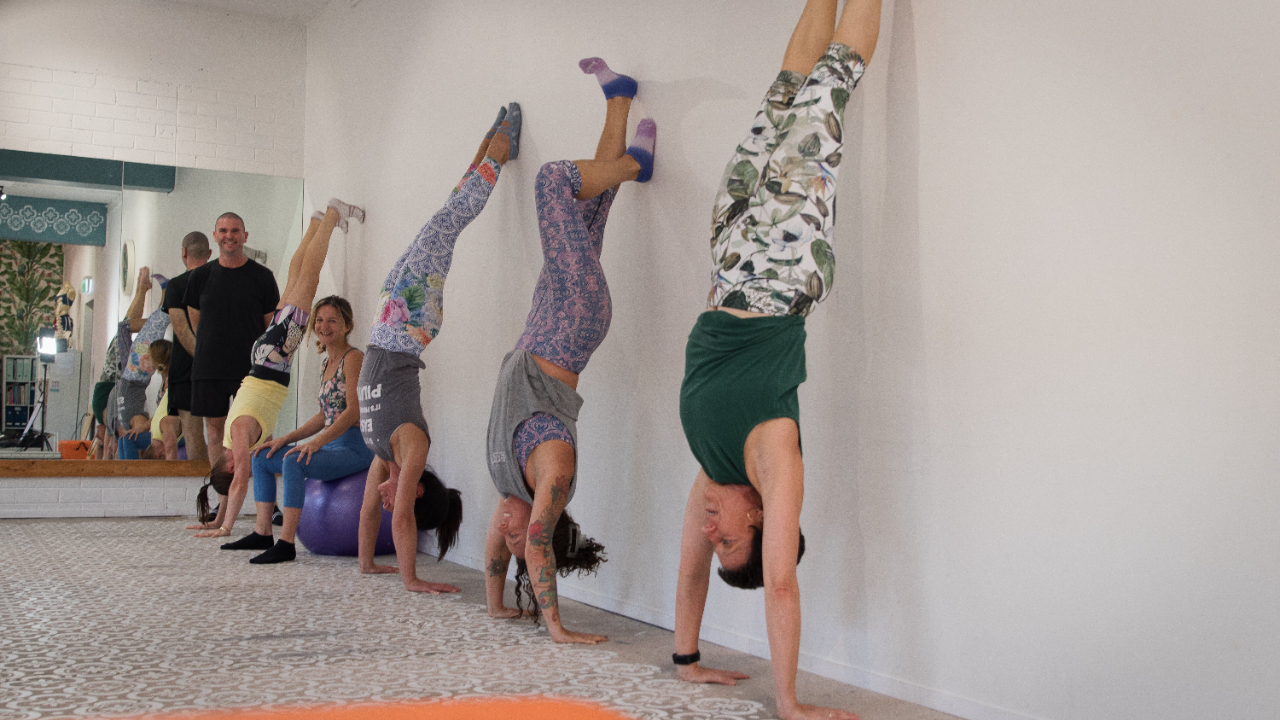
Many women ask me for a restorative yoga sequence for period cramp relief, and my first answer is always Legs-Up-the-Wall. This pose is a gentle inversion that shifts the pressure of gravity away from the pelvic floor. For those suffering from dysmenorrhea relief is often found here because the pose encourages blood to flow back toward the heart, reducing the heavy, "congested" feeling often associated with menstruation.
To enter the pose, sit with one hip against a wall and swing your legs up as you lie back. You can place a folded blanket under your sacrum for added comfort and sacral stability. Once you are settled, close your eyes and focus on yoga for pelvic blood flow. The gentle elevation of the hips allows the pelvic floor muscles to settle into a neutral, relaxed position.
A Stanford University study found that performing specific yoga poses can reduce bladder leakage by 65% in women aged 45 and older, and clinical research from the University of California, San Francisco, showed that a specialized yoga program decreased the frequency of urinary incontinence episodes by 74% over a 12-week period. Legs-Up-the-Wall is a cornerstone of these types of programs because it fosters the long-term restorative yoga poses for pelvic blood flow improvement needed for healing. Aim to hold this pose for 5 to 15 minutes for the best results.
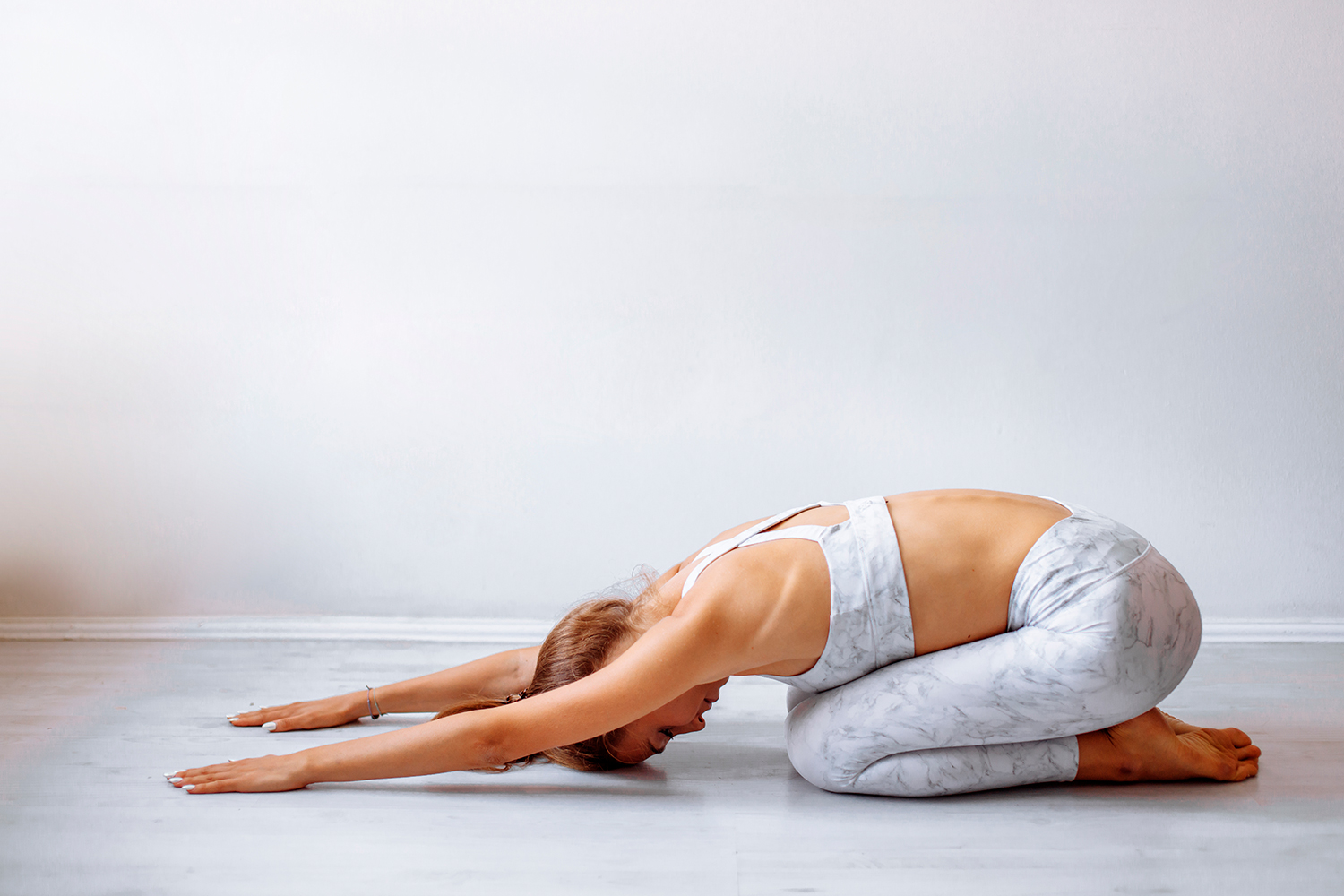
4. Supported Child’s Pose for Nighttime Tension
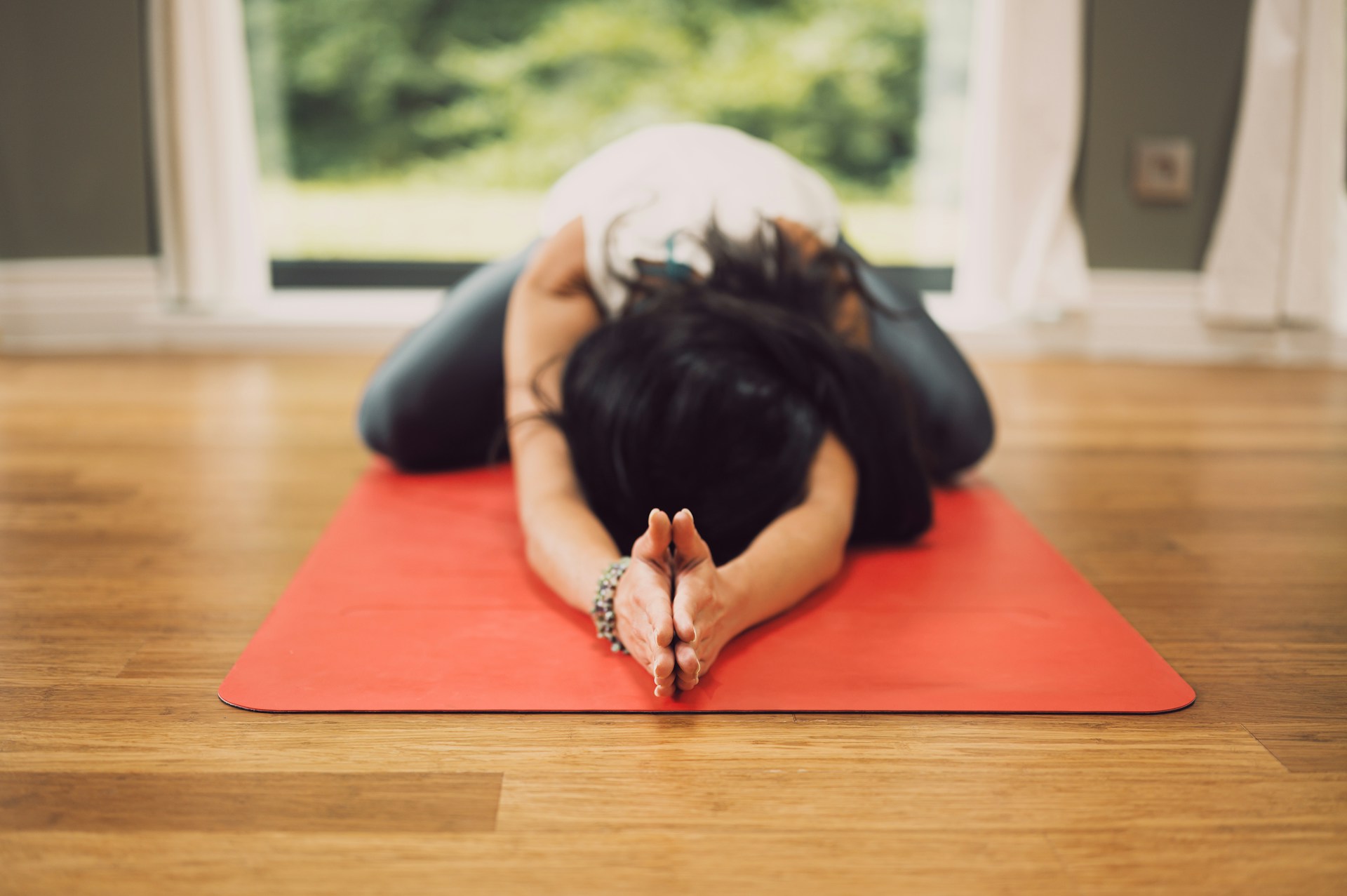
The end of the day is often when we feel the weight of our stress physically sitting in our pelvis. A calming yoga routine for pelvic tension before bed should always include a wide-knee variation of Child’s Pose. By widening the knees, you create physical space for the belly and pelvis to soften toward the floor.
Place a yoga bolster lengthwise between your knees and slowly fold your torso over it, resting one cheek on the fabric. This "somatic release" technique is powerful because it supports the front of the body, which is where we tend to feel most vulnerable. When the front of the body feels supported, the parasympathetic nervous system takes over, and the vagus nerve stimulation helps lower the heart rate.
While in this pose, breathe into your back body. Imagine your ribs expanding like an umbrella. This lateral breathing helps to further relax the pelvic diaphragm from the top down. This is one of the best pelvic floor yoga practices to ensure you don't take the day's tension into your sleep, allowing for deeper recovery and muscle repair overnight.
When to See a Pelvic Floor Physical Therapist
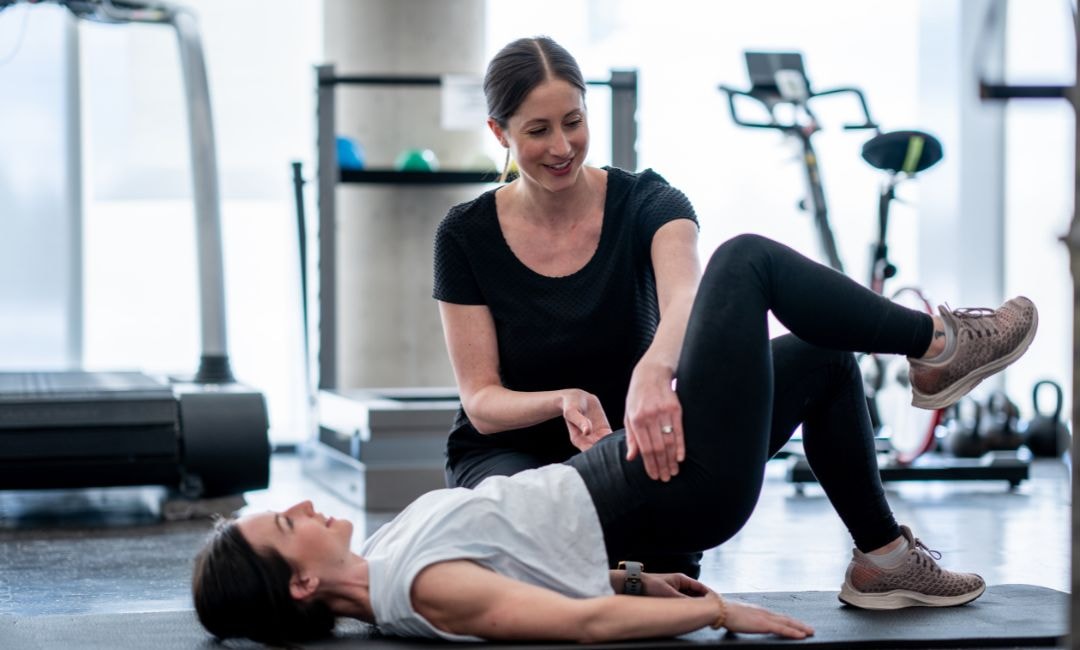
While pelvic floor yoga is a magnificent tool for pelvic floor maintenance, it is important to recognize when professional intervention is required. Yoga is a holistic support, but it cannot replace a clinical diagnosis. If you are experiencing persistent pain that does not improve with relaxation, or if you have been diagnosed with conditions like PCOS or endometriosis, you should seek a specialist.
Red flags that indicate you should see a pelvic floor physical therapist include:
- Pain during intercourse that persists despite relaxation efforts.
- A complete inability to feel your pelvic floor muscles relaxing or contracting.
- Persistent urinary or fecal incontinence that doesn't respond to a 10 minute restorative yoga for pelvic floor maintenance routine.
- Sharp, stabbing pain in the pelvic bowl or sacrum.
A randomized controlled trial reported that a pelvic-focused yoga intervention led to a more than 60% average decrease in all-type urinary incontinence frequency within three months, but these results are often maximized when combined with professional physical therapy. A therapist can help you determine if your floor is hypertonic or hypotonic and tailor your yoga practice accordingly.
FAQ
What is pelvic floor yoga?
Pelvic floor yoga is a specialized form of yoga that combines physical postures, diaphragmatic breathing, and mindfulness to improve the function and health of the pelvic floor muscles. Unlike general yoga, it focuses specifically on the coordination between the breath and the pelvic diaphragm, aiming to either strengthen weak muscles or relax overactive ones through targeted somatic release.
Can yoga help with a tight or hypertonic pelvic floor?
Yes, yoga is one of the most effective ways to manage a hypertonic pelvic floor. By utilizing restorative poses and slow, deep breathing, yoga helps to down-regulate the nervous system and encourage the pelvic muscles to let go of chronic tension. It focuses on the "release" phase of muscle movement, which is often missing in women who only focus on strengthening.
What are the best yoga poses for pelvic health?
The best poses for pelvic health include Happy Baby, Supported Butterfly, Legs-Up-the-Wall, and Malasana (Squat). These poses help to lengthen the pelvic floor muscles, improve blood flow to the pelvic region, and stabilize the sacrum. For those with high tension, supported versions of these poses using blocks and bolsters are usually the most beneficial.
Can yoga make pelvic floor dysfunction worse?
In some cases, yes, if the wrong poses are practiced. For someone with a hypertonic (too tight) pelvic floor, doing lots of core-intensive work or "power" yoga poses without proper relaxation can increase tension and worsen symptoms like pain or urgency. It is essential to listen to your body and focus on restorative practices if you feel "tight" rather than "weak."
How often should I practice yoga for pelvic floor strength?
For long-term results, consistency is key. Practicing for even 10 to 15 minutes a day can make a significant difference in muscle tone and neurological relaxation. Most clinical studies that showed success, such as those seeing a 65% to 74% reduction in symptoms, involved participants practicing regularly over a 12-week period.