Quick Facts
- Top Benefit: Regulation of the parasympathetic nervous system to reduce stress.
- Metabolic Boost: Stimulated through Ujjayi and Kapalabhati breathing techniques.
- Immune Impact: Proven reduction in pro-inflammatory markers like IL-1beta.
- Best Practice: A 15 minute winter morning yoga routine to combat joint stiffness.
- Mood Support: Mitigates Seasonal Affective Disorder for 10% to 20% of the population.
- Heat Generation: Use of warming yoga poses like Chair Pose and Plank to build Agni.
- Circulation: Dynamic twists and Sun Salutations improve cardiovascular flow.
Establishing a consistent winter yoga routine acts as an internal space heater, stimulating metabolic heat and joint flexibility to counteract cold-weather stiffness while optimizing the immune system. This practice provides a holistic approach to seasonal wellness by balancing the physiological and psychological challenges of the colder months.
1. Natural Thermoregulation: Building Internal Body Heat
When the temperature drops, our natural instinct is to contract. We pull our shoulders toward our ears and huddle inward to preserve warmth. However, yoga offers a more sophisticated way to manage our temperature through the concept of Agni, or digestive fire. By focusing on specific movements and breathing techniques, you can effectively turn your body into an internal space heater that maintains warmth long after you step off the mat.
The foundation of this heat generation lies in the ujjayi breath technique. By slightly constricting the back of the throat while breathing through the nose, you create a gentle friction that warms the air before it enters the lungs. This internal friction translates into a metabolic boost that raises your core temperature. When paired with warming yoga poses that target large muscle groups, the effect is transformative.
To build significant internal body heat, focus on poses that demand core stability and lower body strength. Poses such as Plank and Chair Pose require intense muscular engagement, which naturally accelerates the heart rate and stimulates blood flow. These are not just stretches; they are functional movements that fire up the mitochondrial engines within your cells.
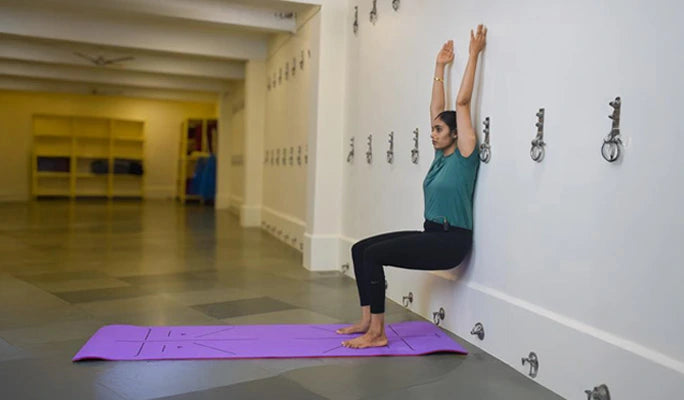
Pro-Tip: The Ujjayi Breath Technique Known as the Victorious Breath, this method involves breathing deeply through the nose with a slight whisper-like constriction in the throat. This creates an oceanic sound and generates significant internal heat, making it the perfect tool for a cold winter morning.
2. Combatting Seasonal Stiffness: Joint Flexibility and Circulation
Winter is often the season of the winter hunch. We spend more time indoors, often in sedentary positions, and the cold air causes our muscles and connective tissues to become less elastic. This leads to a noticeable decrease in joint flexibility and a feeling of general physical stagnation. A winter yoga routine is designed to specifically target these seasonal pain points.
The key to overcoming this stiffness is movement that promotes cardiovascular flow to the extremities. During the winter, the body often prioritizes blood flow to the vital organs, leaving hands and feet feeling cold. Sun Salutations are particularly effective here because they involve a rhythmic, full-body flow that pumps blood throughout the entire system.
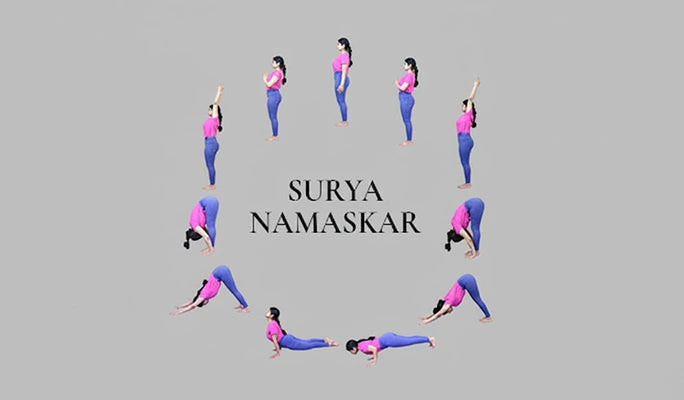
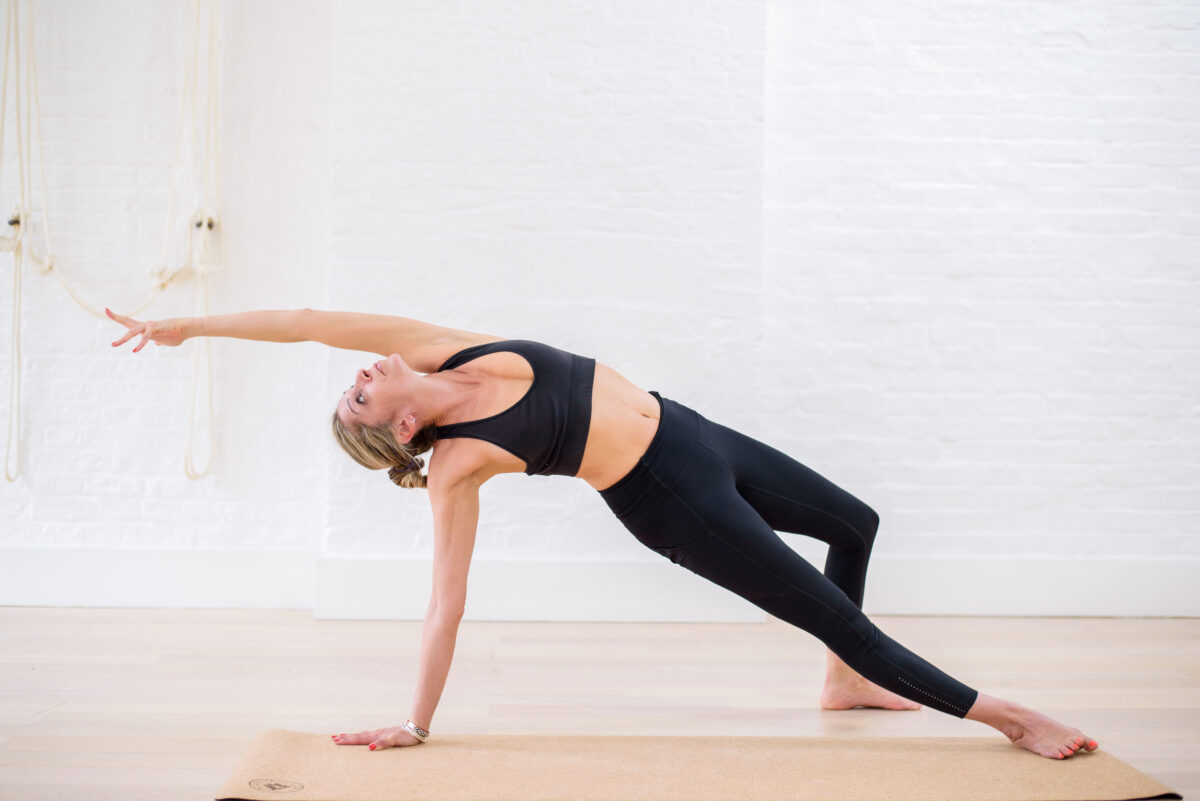
To further enhance circulation, a yoga sequence to improve circulation in winter should include dynamic twists. Twists like Revolved Chair or Seated Twists create a "squeeze and release" effect on the internal organs and blood vessels. This action helps move stagnant blood and encourages fresh, oxygenated blood to rush back into the tissues upon release.
Winter Physical Challenges vs. Yoga Solutions
| Winter Physical Challenge | Yoga Solution |
|---|---|
| Muscle contraction from cold | Warming yoga poses to generate internal heat |
| Winter hunching (rounded shoulders) | Heart-opening poses to improve posture |
| Sluggish cardiovascular flow | Dynamic twists and sun salutations |
| Joint stiffness | Controlled mobility and increased synovial fluid flow |
| Reduced activity levels | Metabolic boost through strength-based flows |
By incorporating best yoga poses for stiff muscles in winter, such as Bridge Pose or Camel Pose, you can also counteract the tendency to round the spine. These heart-openers stretch the chest and shoulders, undoing the physical tension that accumulates when we try to stay warm in the cold.
3. Mental Resilience: Beating the Winter Blues
The benefits of yoga in winter extend far beyond the physical. As the days grow shorter and natural sunlight becomes a rarity, many people find their mood dipping. Statistics show that 10% to 20% of the general population experiences Seasonal Affective Disorder (SAD) or the 'winter blues.' This is often linked to a disruption in circadian rhythms and a drop in serotonin levels.
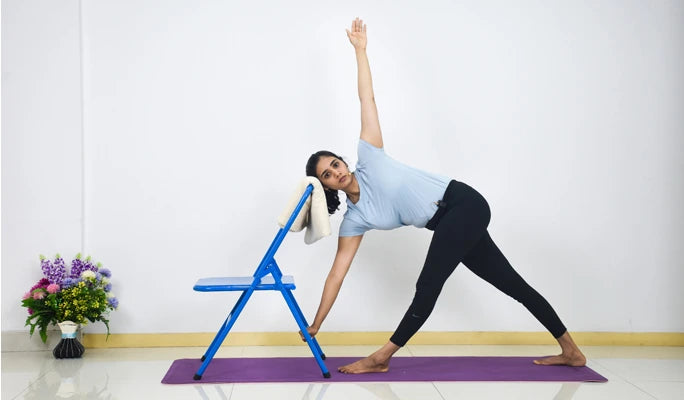
Yoga helps mitigate these effects by regulating the parasympathetic nervous system. When we practice mindful movement and deep breathing, we shift the body out of the fight or flight response and into the rest and digest mode. This shift is crucial for cortisol regulation; by lowering stress hormones, we allow the brain to maintain a better mind-body balance.
Furthermore, the focused nature of a winter yoga routine acts as a form of moving meditation. It encourages the release of endorphins and supports the healthy production of serotonin and dopamine. Instead of succumbing to the lethargy often associated with the Kapha season (as described in Ayurvedic tradition), yoga provides the mental clarity and energy needed to navigate the darker months with resilience.
4. Immune System Optimization and Lymphatic Drainage
Flu season and cold weather go hand in hand, making immune system optimization a top priority. While many people turn to supplements, physical movement is one of the most effective ways to support your body's natural defenses. A systematic review published in the Journal of Behavioral Medicine found that regular yoga practice strengthens the immune system by significantly reducing pro-inflammatory markers such as IL-1beta.
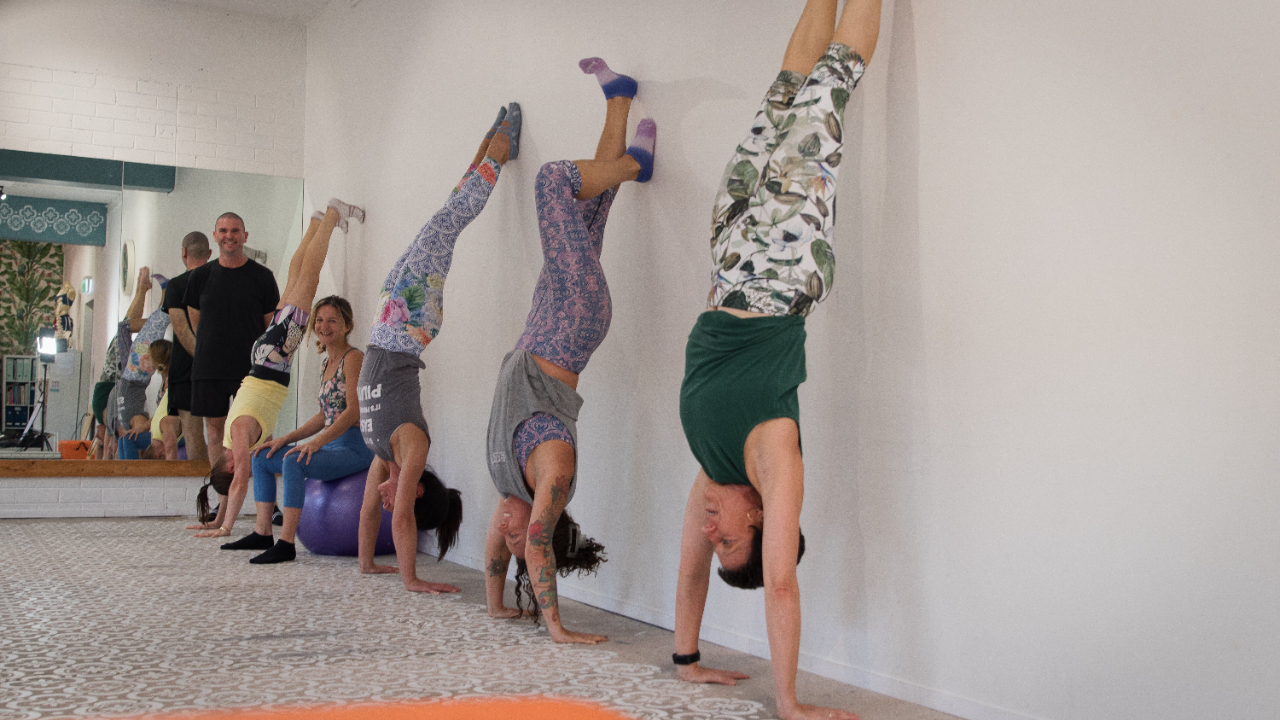
One of the unique ways yoga supports immunity is through lymphatic drainage. Unlike the cardiovascular system, which has the heart to pump blood, the lymphatic system relies on muscle contraction and gravity to move fluid. Inversions—poses where the head is below the heart—are particularly helpful. Poses like Viparita Karani (Legs Up The Wall) allow gravity to assist in moving lymph fluid from the lower extremities back toward the heart and lymph nodes, where toxins are filtered out.
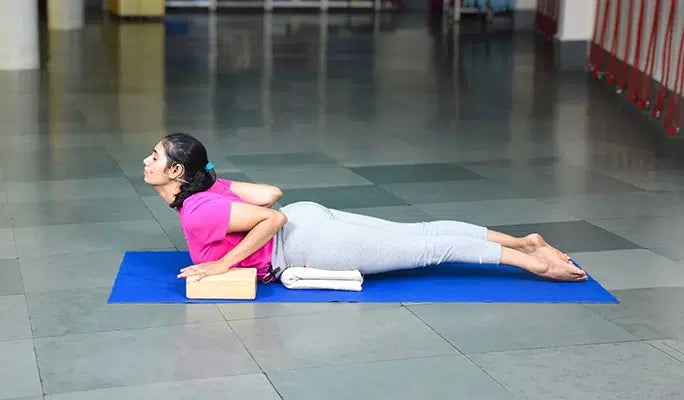
By maintaining a consistent winter yoga routine, you are essentially providing your body with a regular "maintenance check." The combination of increased circulation, reduced inflammation, and supported lymphatic flow creates a robust internal environment that is better equipped to handle seasonal pathogens.
5. Setting Up Your Winter Home Yoga Practice
The biggest hurdle to winter fitness is often just getting started. When it is dark and cold outside, the motivation to head to a gym can vanish. This is why learning how to start a home yoga practice in winter is so valuable. By creating a dedicated space, you remove the barriers to entry and make wellness a convenient part of your daily life.
To begin, focus on environmental synergy. You want to how to create a cozy winter yoga space that feels like a sanctuary. This might involve using warm lighting, lighting a few candles, or even practicing near a space heater. Use layers of clothing that you can easily peel off as your internal body heat rises.
A 15 minute winter morning yoga routine is often more effective than a longer, sporadic practice. Starting your day with movement helps clear morning stiffness and sets a positive tone for the day. Include warming transitions like moving from Downward Facing Dog to Plank, and always finish with a few minutes of stillness.
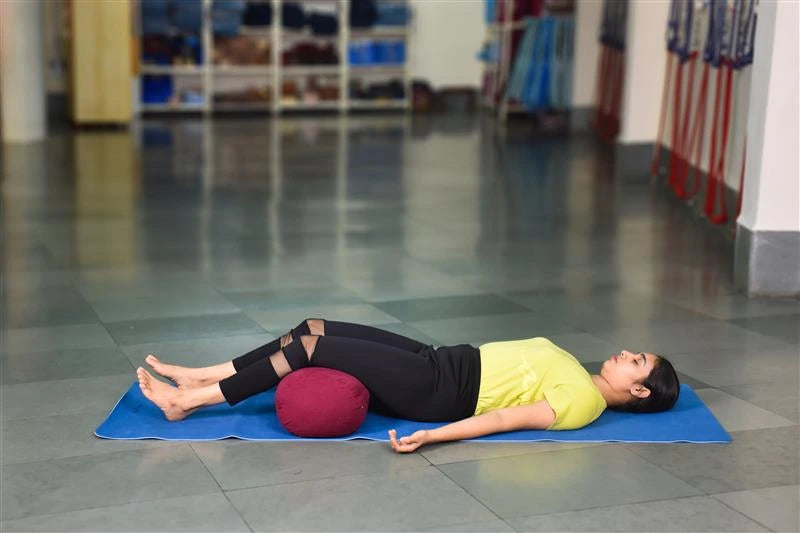
Finally, remember that winter is also a time for restoration. While building heat is important, so is allowing yourself time to rest. Incorporate restorative elements like using a thick blanket during Savasana or using bolsters for support. This balance of effort and ease ensures that your winter home yoga practice remains sustainable and nourishing throughout the entire season.
FAQ
What are the benefits of practicing yoga in winter?
Practicing yoga during the colder months helps regulate the parasympathetic nervous system, improves circulation to cold extremities, and boosts the immune system by reducing pro-inflammatory markers. It also helps manage Seasonal Affective Disorder by balancing cortisol levels and increasing serotonin production.
Which yoga poses are best for cold weather?
The best poses for cold weather are those that build internal heat and improve flexibility. Key poses include Chair Pose (Utkatasana), Plank, and Sun Salutations for warmth, and dynamic twists like Revolved Chair to stimulate circulation and digestion.
How can I stay warm while doing yoga in winter?
To stay warm, start with the ujjayi breath technique to build internal friction and heat. Wear layers of breathable clothing that you can remove as you warm up, and consider practicing in a room with warm lighting or near a safe heat source to create a cozy atmosphere.
Can yoga help with winter blues or seasonal depression?
Yes, yoga is highly effective for mitigating the winter blues. By reducing stress hormones and promoting a shift to the rest and digest state, it helps stabilize mood. The physical activity also stimulates the release of feel-good neurotransmitters like serotonin and dopamine, which are often lower during the winter.
How long should a winter yoga warm-up be?
A winter warm-up should typically last between 10 to 15 minutes. Because muscles and joints are naturally stiffer in the cold, it takes a bit longer for the synovial fluid in the joints to thin and for the muscles to become pliable compared to summer months.