Quick Facts
- Founder: Christopher Harrison developed the practice in the early 1990s.
- Equipment: High-strength nylon tricot hammock capable of supporting over 1,000 pounds.
- Core Benefit: Zero-compression inversion provides natural spinal traction and decompression.
- Beginner Friendly: The hammock supports approximately 50 percent of body weight, easing joint stress.
- Calorie Burn: A 50-minute session burns about 320 calories on average.
- Heart Health: Consistent practice can lead to a 10 percent reduction in cardiovascular heart disease risk.
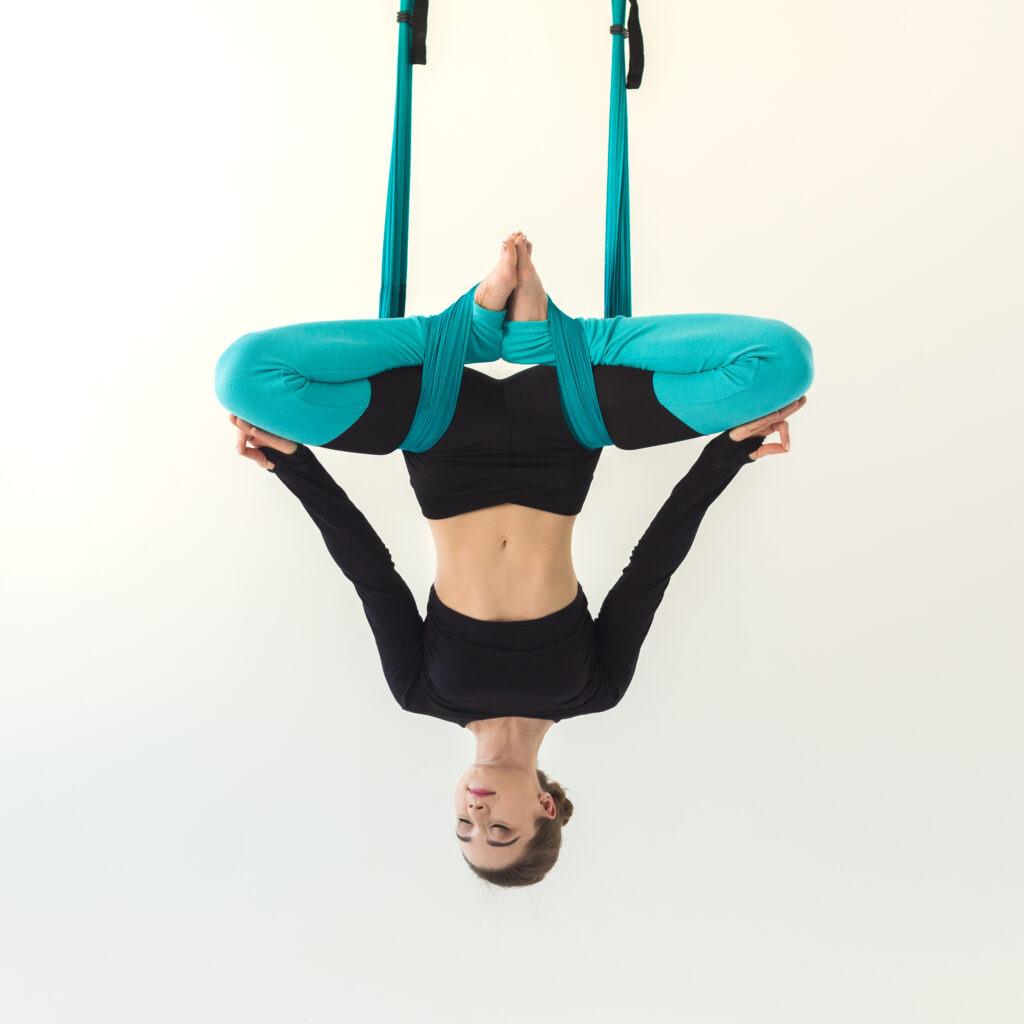
Anti-Gravity Yoga is a fitness modality that combines traditional yoga postures with suspension training using a silk hammock. Developed by Christopher Harrison, this practice utilizes a nylon tricot hammock to support the body's weight, allowing for zero-compression inversions that help practitioners achieve deeper stretches and spinal decompression while performing challenging poses with greater ease than traditional mat-based yoga.
The Science of Inversion: Silk Hammock Yoga Benefits
While the sight of people hanging upside down in colorful fabrics might look like a circus act, the physiological benefits are grounded in hard science. The hallmark of the practice is the zero-compression inversion. When you hang freely, gravity acts as a natural form of traction. Instead of your vertebrae pressing down on one another, as they do when you stand or sit, the hammock allows the spine to lengthen. This process facilitates spinal decompression exercises that can significantly alleviate chronic back pain and improve overall posture.
Beyond the spine, the systemic benefits are equally impressive. According to a study commissioned by the American Council on Exercise (ACE), participating in a six-week aerial yoga program can result in a 6.7 percent reduction in body fat and a 7.3 percent decrease in blood pressure. The study also highlighted that a single 50-minute session burns an average of 320 calories, which provides metabolic benefits similar to low-to-moderate intensity aerobic exercise.
From a cardiovascular perspective, the news is even better. The same ACE research indicated that a six-week intervention has been shown to reduce the estimated risk of a cardiovascular heart disease event by approximately 10 percent. By incorporating these suspended movements, you aren't just gaining flexibility; you are actively strengthening your heart and improving joint mobility through a low-impact exercise medium.
The practice also targets the parasympathetic nervous system. When you move into a relaxed state, particularly in poses that involve gentle swaying, your body moves out of "fight or flight" mode and into "rest and digest." This shift helps lower cortisol levels and promotes a deep sense of mental clarity.
Getting Started: Anti-Gravity Yoga for Beginners Guide
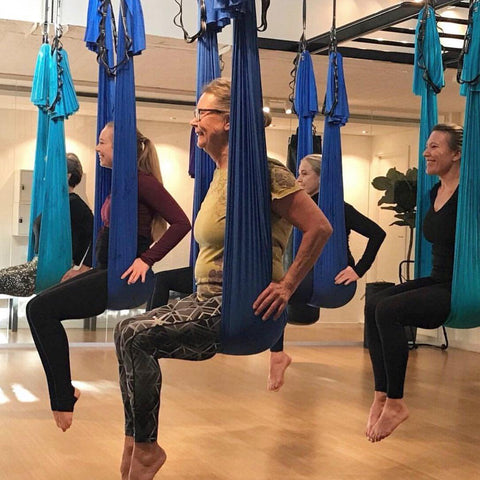
If you are new to the world of suspension training, the idea of leaving the floor can be a bit daunting. However, anti-gravity yoga for beginners guide starts with one fundamental concept: trust. You must learn to trust the high-strength nylon tricot fabric and the rigging that holds it. Most studios use professional-grade mountain climbing gear to secure the hammocks, ensuring they can hold several times the weight of a human body.
The transition from the mat to the air involves building proprioceptive awareness. This is your body’s ability to sense its location, movements, and actions in space. When you are suspended, your center of gravity shifts, and your brain has to work harder to stabilize your limbs. This is why silk hammock yoga benefits the core so effectively—your deep abdominal muscles are constantly firing to keep you balanced.
In your first class, you will likely spend time getting used to the "plumb line," which is the point on the floor directly under the rigging point. Learning how to position your body relative to this line determines the intensity of the stretch. For beginners, the hammock usually hangs at hip height, providing a stable base for both standing and seated movements.
Essential Poses: From Beginner to Advanced
The beauty of Anti-Gravity Yoga is its scalability. Whether you are looking for gentle benefits of anti-gravity yoga for flexibility or an intense core workout, there is a progression for you.
Beginner Poses
For those just starting out, the focus is on building confidence and core stabilization.
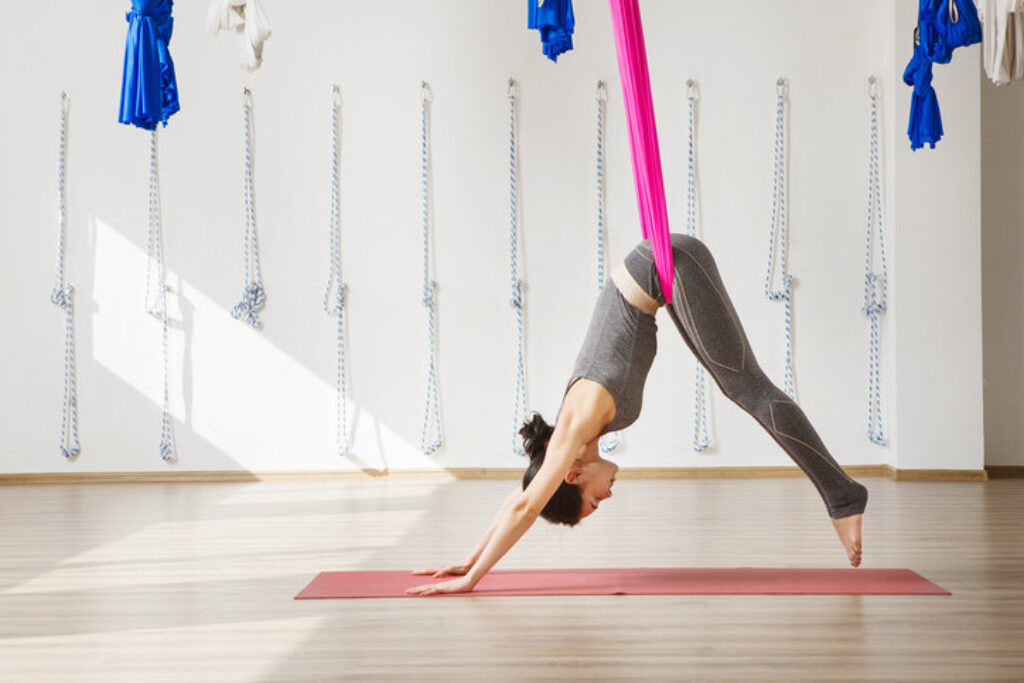
- Aerial Downward Dog: In this variation, the hammock is placed at the hip creases. As you walk your feet back and fold forward, the fabric pulls your hips back and up. This provides far more spinal traction than the mat version, as it removes the weight from your wrists and shoulders.
- High Lunge: With one foot in the hammock and the other on the floor, you can explore a deeper range of motion. The hammock supports your back leg, allowing you to focus on hip opening and balance without the risk of falling.
Intermediate Poses
Once you have mastered the basics, you can move toward poses that require more strength and control.
- Cocooning Posture: This is often the favorite part of any class. You lie completely inside the hammock, with the fabric wrapped around you like a cocoon. It is used for Savasana (relaxation) and provides a sense of sensory deprivation that is incredibly soothing for the nervous system.
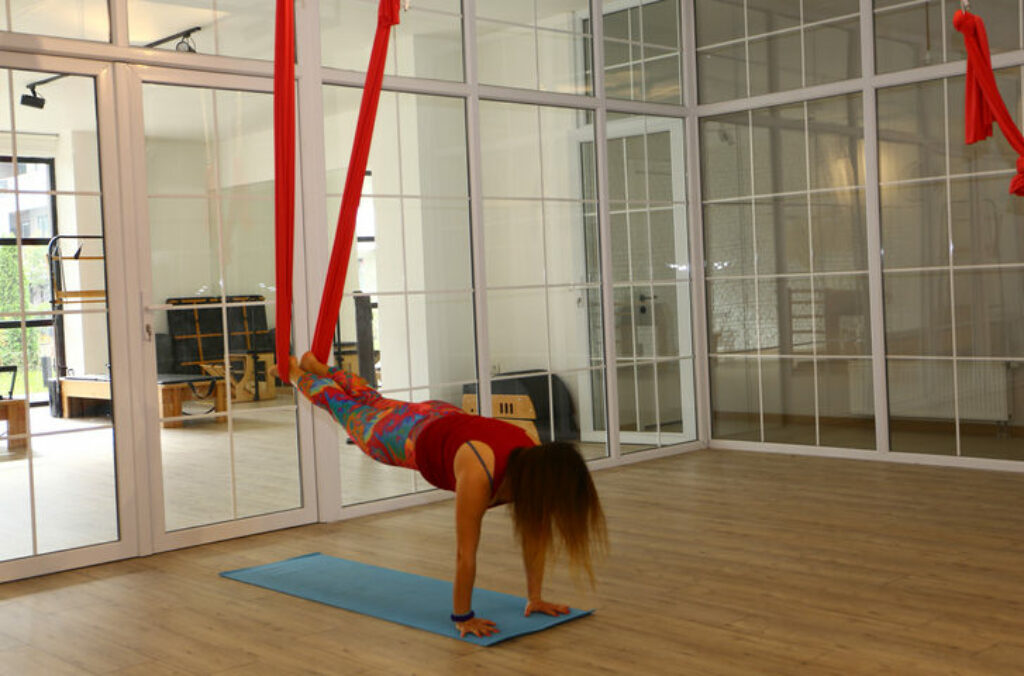
- Plank Variations: By placing your feet in the hammock and your hands on the floor, you create an unstable surface. This forces your core to work overtime to keep you steady, making it one of the most effective anti-gravity yoga poses for spinal decompression and core strength.
Advanced Poses
Advanced practitioners use the hammock to perform feats of strength and flexibility that would be nearly impossible on the ground.
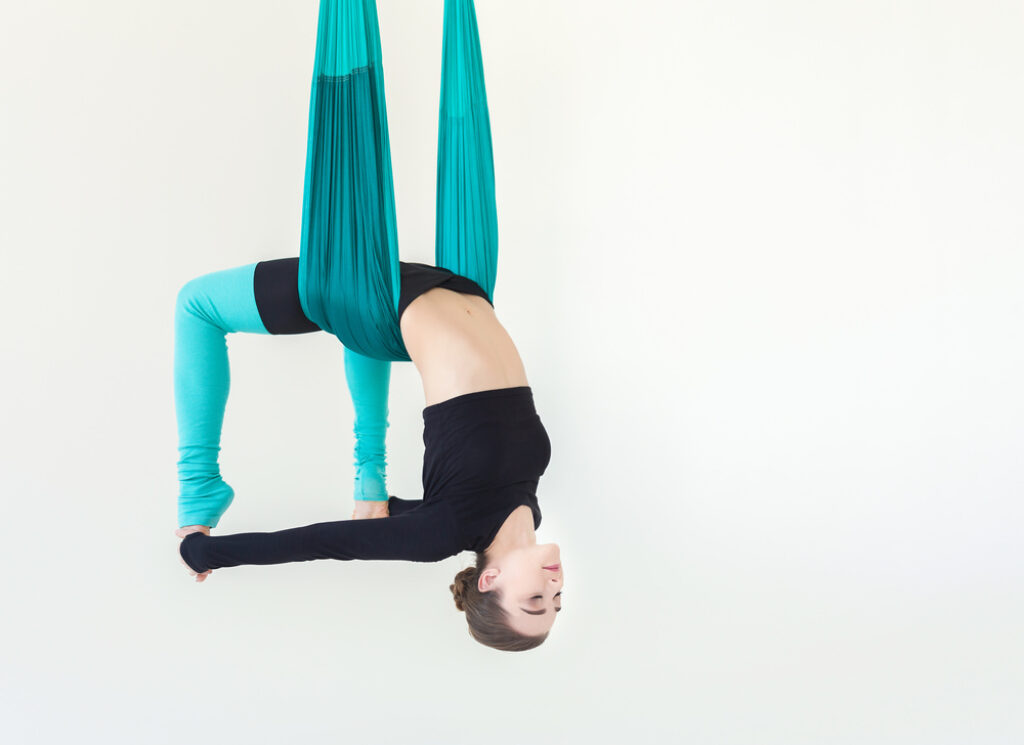
- Full Inversions: These involve wrapping the fabric around the hips and let the legs fall wide, eventually hooking the feet. This allows for a completely vertical, hands-free hang. It is the peak of zero-compression inversion, providing maximum space between the vertebrae.
- Inverted Bow: This pose provides a deep backbend and heart-opening experience, using the hammock to support the mid-back while the hands reach for the ankles.
Anti-Gravity Yoga vs. Mat Yoga: Key Differences
While both practices share the "yoga" name and many of the same asanas, the experience of Anti-Gravity Yoga is distinct. The primary difference lies in the relationship with gravity. On a mat, gravity is something you resist; in a hammock, gravity is a tool you utilize.
| Feature | Traditional Mat Yoga | Anti-Gravity Yoga |
|---|---|---|
| Primary Support | The floor (100% weight bearing) | Silk hammock (approx. 50% support) |
| Spinal Impact | Compression in many poses | Decompression via traction |
| Inversions | High pressure on neck/shoulders | Zero-compression on joints |
| Core Focus | Balance and stability on ground | Stabilization against an unstable surface |
| Upper Body | Mostly weight-bearing (Planks) | Pulling and suspension (Grip strength) |
| Accessibility | Can be hard on sensitive joints | Highly accessible for low-impact needs |
This anti-gravity yoga vs mat yoga comparison shows that while mat yoga is excellent for building foundational grounding, the aerial version offers a unique solution for those who struggle with joint pain or seek the benefits of traction.
Safety First: What to Know Before Your First Class
Before you take flight, it is essential to consider safety tips for first anti-gravity yoga class. While the practice is inclusive, there are specific medical contraindications that you should discuss with a doctor before attending.
- Glaucoma: Inversions increase ocular pressure, which can be dangerous for those with this condition.
- Pregnancy: While some prenatal aerial yoga exists, traditional inversions are generally discouraged.
- High Blood Pressure: Going upside down can cause a temporary spike in blood pressure.
- Recent Surgery: Specifically any surgery involving the back, hips, or shoulders.
- Vertigo: The swaying motion of the hammock can trigger dizziness in some individuals.
Regarding your attire, avoid loose-fitting clothing that could get tangled in the fabric. Form-fitting leggings and a shirt that covers your underarms (to prevent fabric burn) are recommended. Also, ensure your clothing is free of zippers or jewelry that could snag the nylon tricot. Finally, avoid eating a heavy meal at least two hours before class; being upside down on a full stomach is a recipe for discomfort.
FAQ
What is anti-gravity yoga?
Anti-Gravity Yoga is a hybrid fitness discipline that blends traditional yoga with elements of Pilates, dance, and calisthenics. It uses a specialized silk hammock suspended from the ceiling to support the body, allowing for air-based movements and inversions that reduce pressure on the joints and spine.
Is anti-gravity yoga good for beginners?
Yes, it is remarkably beginner-friendly. Because the hammock supports a significant portion of your body weight, many poses that are difficult on a mat—like inversions or deep lunges—become much more accessible. The equipment acts as a supportive prop that helps you find proper alignment and balance.
What are the benefits of anti-gravity yoga?
The practice offers a wide range of benefits including spinal decompression, increased core strength, and improved flexibility. Beyond the physical, it provides cardiovascular improvements, helps with stress reduction through the parasympathetic nervous system, and enhances proprioceptive awareness.
Is anti-gravity yoga safe for people with back pain?
For many, it is highly beneficial because it allows for zero-compression inversion, which creates space between the vertebrae. However, those with severe spinal issues like herniated discs or recent back surgery should consult a medical professional first. When done correctly under supervision, it is an excellent tool for back pain relief.
What is the difference between aerial yoga and anti-gravity yoga?
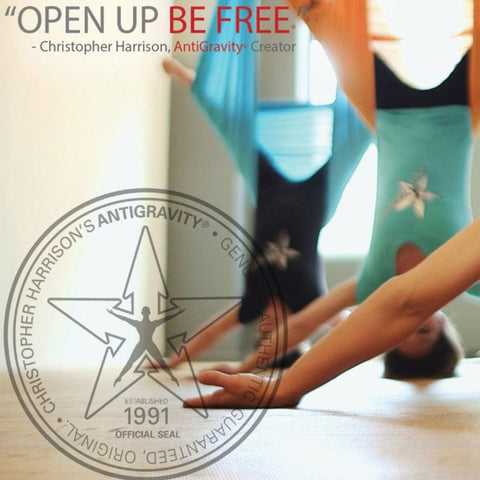
Anti-Gravity Yoga is a specific, trademarked brand and technique created by Christopher Harrison, characterized by its focus on "zero-compression" and a specific set of choreographed movements. Aerial yoga is a broader, generic term that encompasses many different styles of yoga performed in a hammock, some of which may vary in rigging height and philosophy.