Quick Facts
- Method Focus: Combines deep core engagement and postural stability from Pilates with high-repetition isometric pulses from the barre.
- Primary Benefit: Achieves a high-intensity metabolic burn while remaining entirely low-impact to protect joint health.
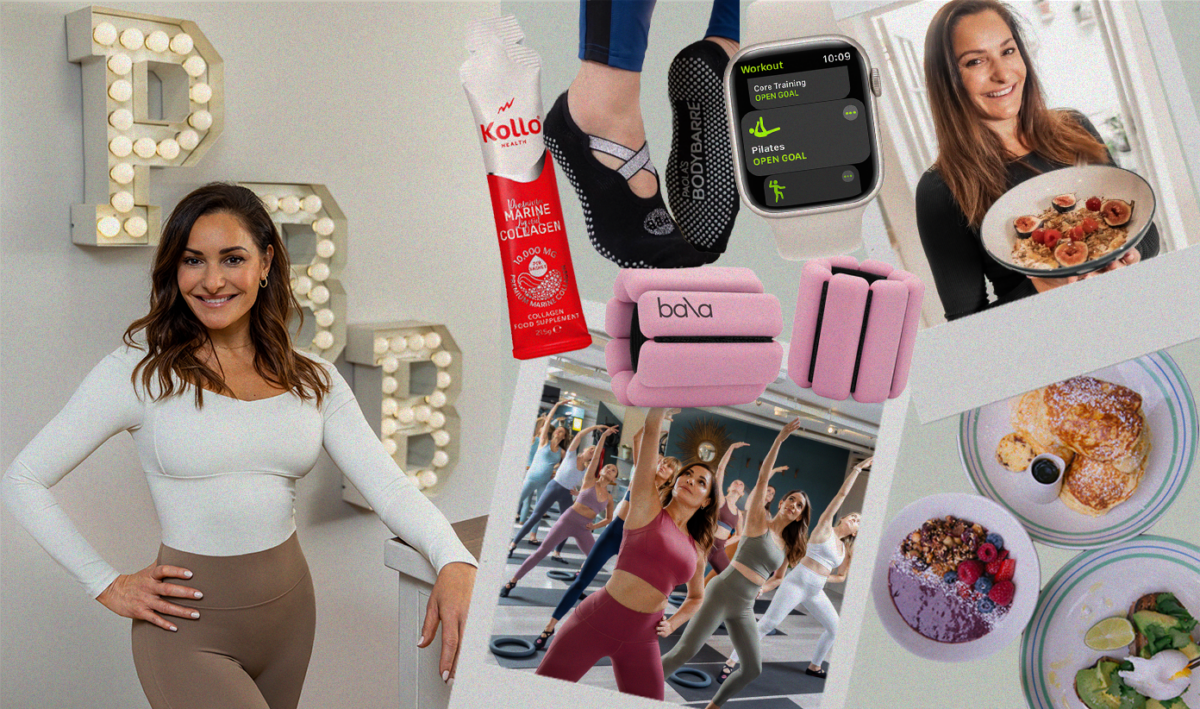
- Expert Voice: Developed by Paola Di Lanzo, founder of Paola's BodyBarre (PBB), with over 30 years of experience in the fitness industry.
- Ideal For: Those seeking functional longevity, pre-natal fitness, post-natal recovery, and significant postural correction.
- Core Results: Enhanced muscular endurance, full-body toning, and a corrected range of motion through precision-based movements.
- Essential Gear: Grip socks for stability, light hand weights, and gliders to increase resistance and challenge core engagement.
Barre Pilates fusion is often considered better than singular modalities because it combines the deep core stabilization of Pilates with the high-repetition isometric pulses of barre to provide a full-body tone that is both low-impact and high-intensity. This hybrid approach allows for maximal muscle fatigue without the excessive joint strain typically associated with traditional cardio, making it a superior choice for long-term musculoskeletal health.
From Rehab to Boutique: The History of Fusion
The journey of Barre Pilates fusion is not just a modern fitness trend; it is rooted in a history of recovery and functional resilience. To understand why this method is gaining such traction today, we have to look back at its pioneers. Joseph Pilates famously developed his movement system during World War I to rehabilitate injured soldiers, focusing on the mind-body connection and the power of the core. Decades later, Lotte Berk, a German dancer living in London, combined her ballet training with orthopedic exercises to recover from a spinal injury. These two lineages form the bedrock of what we now recognize as the ultimate functional workout.
Paola Di Lanzo, the visionary behind Paola's BodyBarre (PBB), took these historical foundations and evolved them into a high-energy, boutique experience. She began developing her unique method in various London clubs as early as 2008. By the time she officially launched Paola's BodyBarre in 2014, the fitness landscape was shifting from the aesthetic-heavy "crunch and burn" culture of the 90s to a more holistic focus on functional longevity.
The growth of this method is a testament to its effectiveness. Today, the Paola's BodyBarre flagship studio in Fulham, London, fills approximately 2,500 class slots every month, demonstrating a massive demand for workouts that prioritize health over mere appearances. This evolution reflects a broader movement toward active aging, where the goal is to keep the body moving efficiently and pain-free for as long as possible.
Barre vs. Pilates Fusion: The Mechanics of the Burn
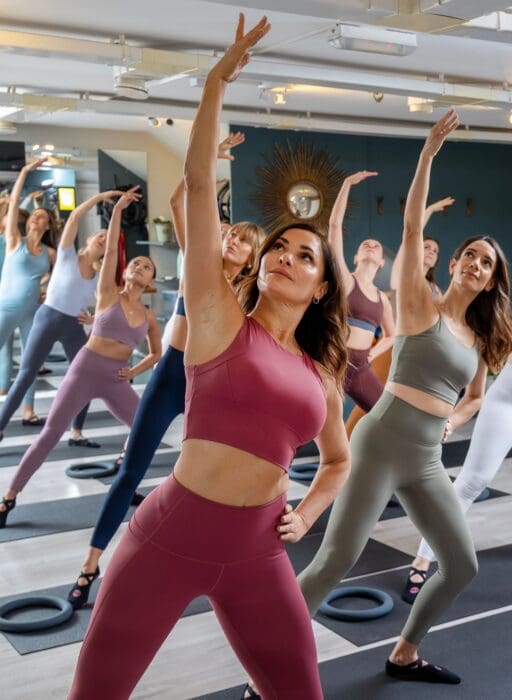
When clients ask if a Barre Pilates fusion is truly better than doing one or the other, the answer lies in the biomechanics. Traditional Pilates is world-renowned for its emphasis on the eccentric phase of muscle movement—lengthening the muscle under tension—and its strict adherence to core engagement. Barre, on the other hand, excels at producing muscular endurance through isometric holds and small, high-frequency pulses that lead to "the shake."
By combining these two, a dynamic barre method emerges that addresses the body’s needs from multiple angles. While you might spend ten minutes on the mat focusing on the deep stabilizing muscles of the pelvic floor and transverse abdominis, the next ten minutes are spent at the barre, pushing the glutes and quadriceps to the point of fatigue. This contrast between fluid range of motion and static holds is what creates the barre pilates fusion results for full body toning that are difficult to achieve through traditional gym routines.
"The magic happens when you stop focusing on how the muscle looks and start focusing on how it functions. Fusion training challenges your proprioception and forces your body to find balance in the middle of the burn." — Paola Di Lanzo
| Feature | Traditional Pilates | Traditional Barre | Barre Pilates Fusion |
|---|---|---|---|
| Primary Movement | Eccentric lengthening | Isometric pulses | Hybrid fluid & static |
| Core Focus | Extremely High | Moderate | High |
| Impact Level | Low | Low | Low |
| Intensity | Moderate | High (Localised) | High (Full Body) |
| Muscular Goal | Flexibility & Strength | Endurance & Tone | Functional Longevity |
This barre pilates fusion vs traditional pilates comparison highlights that while Pilates is excellent for foundation, the fusion adds a cardiovascular and endurance element that rounds out a fitness regimen. It creates a mind-body connection that requires intense concentration, which in turn helps with stress reduction and mental clarity.
The Paola Di Lanzo Method: Why Fusion Wins
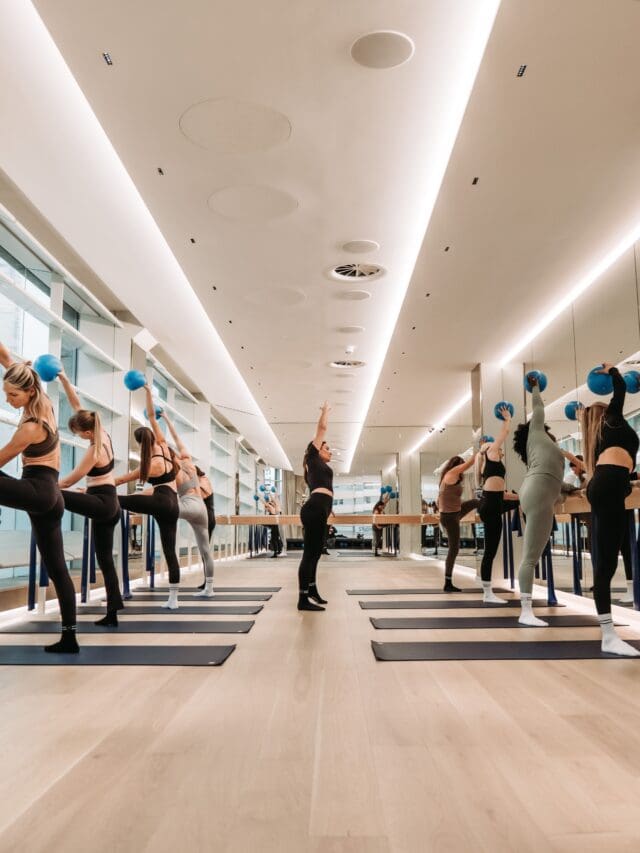
What sets the PBB method apart is Paola Di Lanzo’s unwavering commitment to functional core training for better posture and alignment. It isn't just about "tucking" or "pulsing"; it is about understanding the musculoskeletal health of the individual. In the high-end fitness world of London, this precision has attracted a loyal following, including celebrities like Claudia Schiffer, who value the method's ability to create a lean, strong physique without the risk of injury.
The PBB philosophy is built on the idea that the core is the engine room of the body. If the core is weak, the posture suffers, and if the posture suffers, the joints pay the price. By integrating resistance training with ballet-inspired techniques, the method corrects the muscular imbalances caused by our modern, sedentary lifestyles. Whether it is through the 23 classes per week offered at affiliate London studios KX and KXU or the packed sessions in Fulham, the focus remains on the "Why I Move" mindset.
This mindset encourages a wellness community where participants support each other’s journeys toward better body awareness. It’s particularly effective for pre-natal fitness and post-natal recovery, as the low-impact nature allows mothers to maintain strength and mobility safely. The goal is to leave the studio feeling taller, stronger, and more connected to one's physical self.
Getting Started: Low-Impact High-Intensity for All
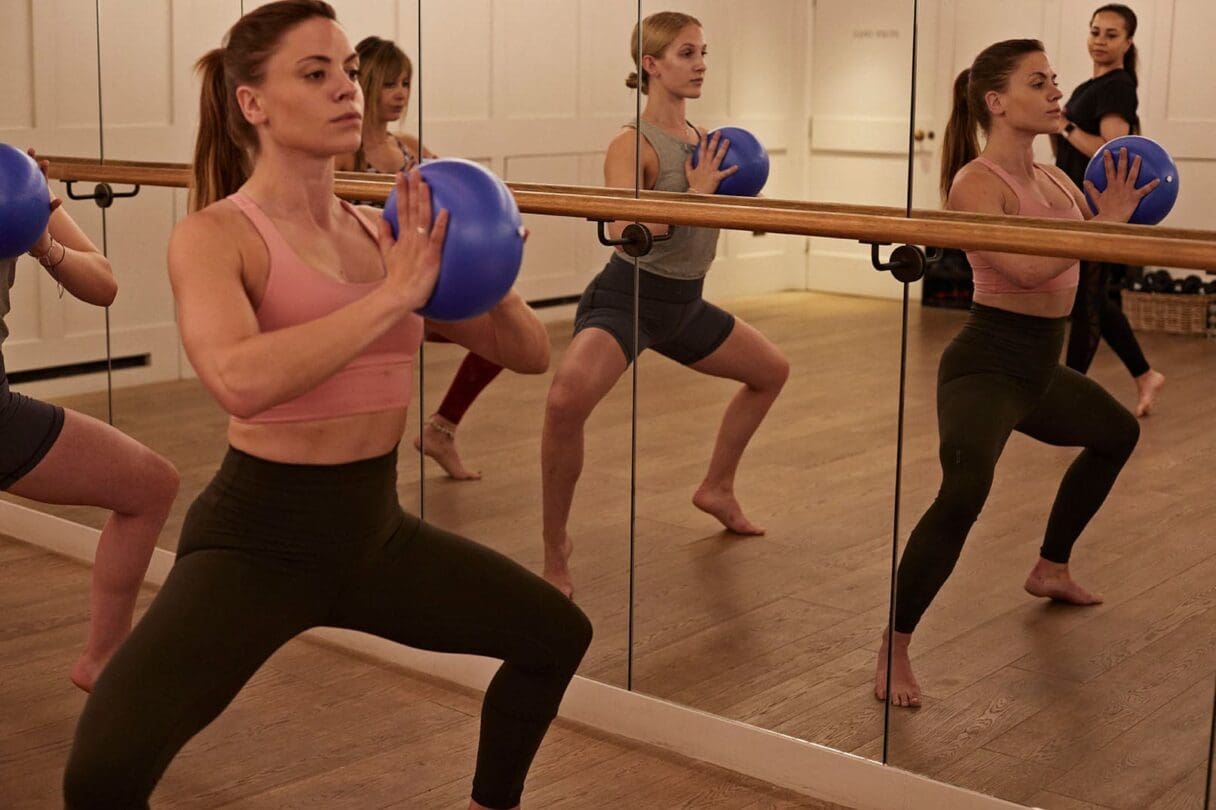
If you are wondering how to start a barre pilates fusion routine for beginners, the barrier to entry is lower than you might think. You don't need a background in dance or years of Pilates experience to reap the low-impact fitness benefits. Most modern studios, especially those following the PBB method, emphasize that the workout is scalable. You can start with your own body weight and gradually introduce tools that increase the challenge.
One of the most significant advantages for newcomers is the low impact barre pilates fusion for joint health. Unlike running or high-intensity interval training (HIIT) that involves jumping, fusion focuses on controlled, precise movements. This makes it an ideal entry point for those returning to fitness or those managing minor injuries.
To get the most out of your first few sessions, consider the following essential gear:
- Grip Socks: These are non-negotiable for safety on the wooden floors and to help you maintain stability during complex movements.
- Light Hand Weights: Usually 1kg to 2kg, these help incorporate resistance training for the upper body.
- Gliders: These small discs are used under the hands or feet to create a fluid, unstable surface that forces the core to work twice as hard.
- Bala Weights: Many modern practitioners use wearable weights to add a constant, subtle challenge to their range of motion.
Many studios are now also integrating infrared heat into their rooms. This doesn't just make you sweat; it helps to warm up the muscles more deeply, increasing flexibility and aiding in the detoxification process, which further supports the benefits of barre pilates fusion for longevity.
Conclusion: A Strategy for Longevity
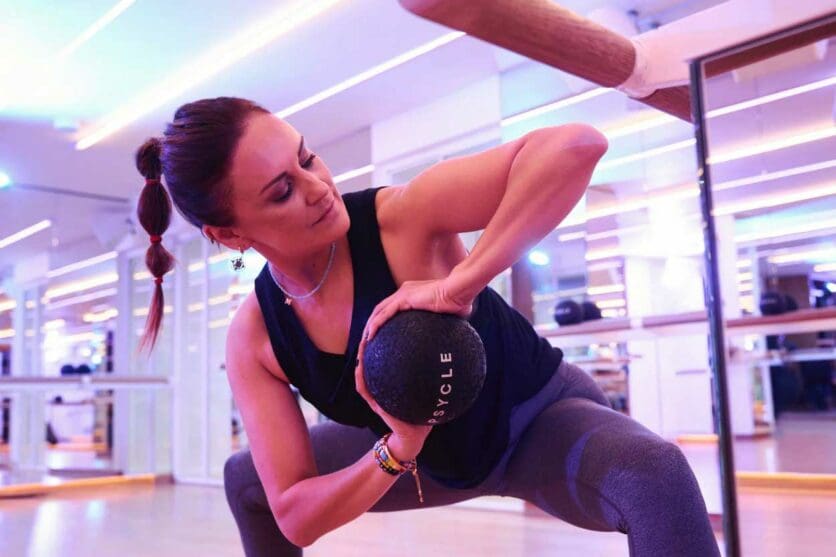
Is a Barre Pilates fusion really better? If your goal is a sustainable, lifelong approach to fitness that prioritizes functional core training, then the answer is a resounding yes. By taking the best elements of two storied disciplines, Paola Di Lanzo has created a method that doesn't just change how you look in the mirror, but how you move through the world.
Whether you are seeking the barre pilates fusion results for full body toning or you are focused on protecting your musculoskeletal health as you age, this hybrid method offers a path that is as challenging as it is rewarding. It invites you to join a wellness community that values precision over pace and strength over strain.
FAQ
What is Barre Pilates fusion?
Barre Pilates fusion is a hybrid fitness method that integrates the core-strengthening principles of Pilates with the high-repetition, ballet-inspired isometric movements of barre. It aims to provide a full-body workout that emphasizes muscular endurance, flexibility, and postural alignment within a low-impact framework.
What are the benefits of combining Barre and Pilates?
Combining these two disciplines offers a more comprehensive workout than either can provide alone. Pilates ensures deep core engagement and spinal health, while barre adds an element of muscle "burn" and endurance through small, repetitive movements. Together, they improve balance, tone the entire body, and enhance the mind-body connection without putting excessive stress on the joints.
Is Barre Pilates fusion suitable for beginners?
Yes, it is highly suitable for beginners. Because the movements are low-impact and highly controlled, instructors can easily offer modifications for different fitness levels. Beginners can start with bodyweight exercises and gradually add resistance tools like gliders or light weights as their strength and coordination improve.
Can Barre Pilates fusion help with posture and flexibility?
Absolutely. One of the primary goals of the method is functional core training for better posture and alignment. By focusing on the deep stabilizing muscles and incorporating stretching through a full range of motion, regular practice helps correct muscular imbalances, lengthens the appearance of the muscles, and significantly increases overall flexibility.