Quick Facts
- Primary Benefit: Lowers cortisol levels and activates the "rest and digest" response within the body.
- Target Heart Rate: Aim for a resting range of 40-50 BPM during the deep relaxation phases.
- Optimal Hold Time: Stay in each posture for 1 to 5 minutes to allow for deep tissue release.
- Recommended Style: Focus on restorative yoga or Yin yoga to avoid over-stimulation.
- Key Outcome: Encourages natural melatonin production and significantly reduces sleep latency.
- Accessibility: Suitable for all levels, including total beginners, and can often be practiced directly in bed.
Bedtime yoga activates the parasympathetic nervous system, lowering cortisol levels and encouraging melatonin production. By practicing gentle stretches and diaphragmatic breathing, you signal to your brain that it is time to wind down. This process reduces muscle tension and sleep latency, making it easier to fall into a deep, restorative sleep.
The Science of Sleep: Why Bedtime Yoga Works
To understand why a nighttime yoga routine is so effective, we have to look at the internal tug-of-war between our nervous systems. Most of our modern days are spent in a state of sympathetic nervous system dominance—the "fight or flight" mode. This state keeps our cortisol levels high, our heart rates elevated, and our minds racing with to-do lists. When you attempt to jump straight from a high-stress workday into bed, your body often isn't ready to transition, leading to the frustrating experience of tossing and turning.
Bedtime yoga serves as the bridge between these two states. By engaging in slow, rhythmic movement, you stimulate the vagus nerve, which acts as the primary controller of your parasympathetic nervous system. This stimulation sends a clear message to the brain that the "threat" of the day is over. As your breathing slows, your heart rate drops toward that ideal 40-50 BPM range, and your body begins the essential process of muscle tension relief.
Furthermore, these gentle movements help regulate your circadian rhythm. When we lower our core temperature through quiet, non-strenuous movement and dim the lights, we support the natural spike in melatonin production required for deep rest. This isn't just about stretching your hamstrings; it is about chemically and neurologically preparing your entire being for a state of recovery.
Foundation First: Pranayama and Mindful Breathing
Before moving your body, you must move your breath. In the world of yoga, this is known as Pranayama. For sleep, we move away from energizing breaths and focus on techniques that anchor the mind and soothe the spirit.
One of the most effective tools for stress reduction is diaphragmatic breathing, often called belly breathing. Instead of taking shallow breaths into the chest—which can actually signal more stress to the brain—you focus on expanding your abdomen on the inhale. This physical expansion further engages the vagus nerve.
You might also try the Box Breathing technique. This involves inhaling for a count of four, holding for four, exhaling for four, and holding the empty breath for four. This rhythmic pattern forces the mind to focus on a simple task, effectively silencing the internal chatter that often keeps us awake. By establishing this breathwork as the foundation of your practice, you ensure that the physical yoga poses for sleep that follow are twice as effective.
Top Yoga Poses for Sleep and Relaxation
When selecting poses for the evening, the goal is "gravity-assisted" relaxation. We want to choose postures that allow the floor (or your mattress) to do the heavy lifting. Here are the most effective postures to include in your practice.
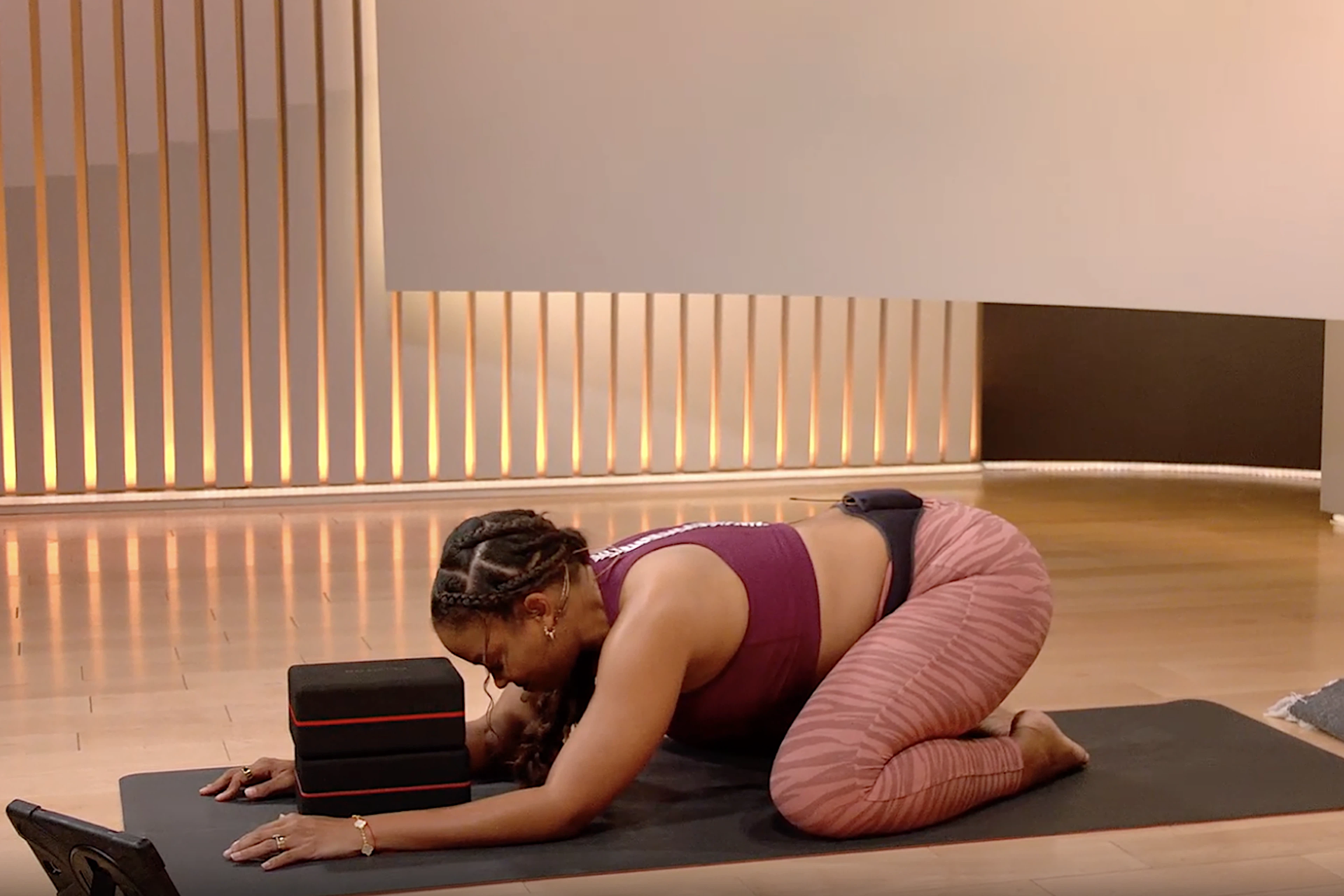
Child’s Pose (Balasana)
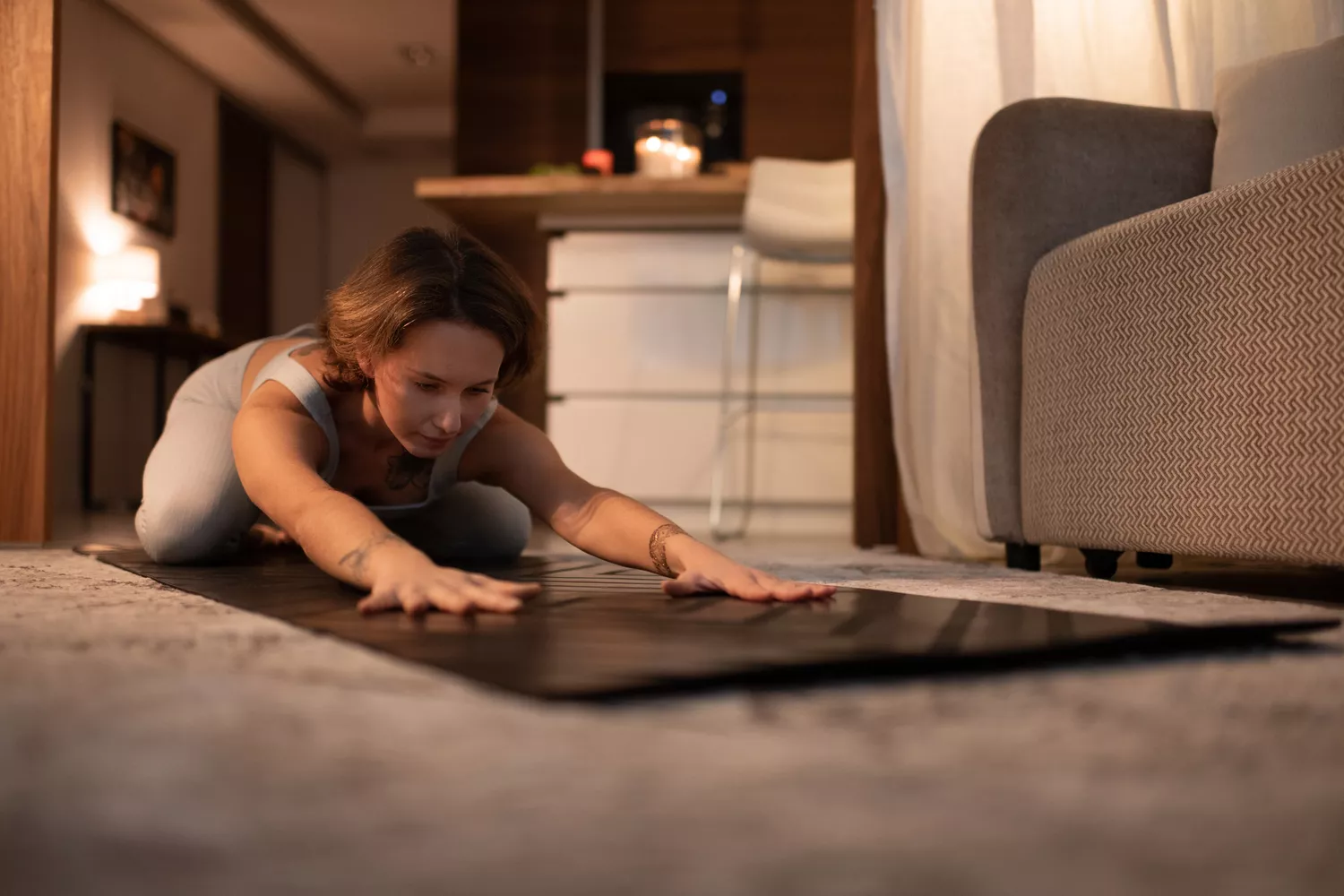
This is the ultimate grounding posture. By folding your body inward, you create a sense of safety and introspection. It is particularly effective as bedtime yoga for lower back pain and hip tension, as it gently elongates the spine and creates space in the pelvis.
- How to do it: Kneel on the floor or bed, touch your big toes together, and sit on your heels. Separate your knees about hip-width apart and fold forward, resting your forehead on the surface.
- Hold Time: 3 to 5 minutes.
- Prop Modification: Place a pillow lengthwise under your chest and belly for extra support, allowing your neck to turn to one side.
Legs Up the Wall (Viparita Karani)
Many practitioners believe this is the single most important posture in a nighttime yoga routine. The benefits of legs up the wall before bed are numerous: it encourages lymphatic drainage, reduces swelling in the feet, and helps lower blood pressure. It effectively "resets" the circulatory system after a day of standing or sitting.
- How to do it: Sit with one hip pressed against a wall. Swing your legs up the wall as you lie back on the floor. Your body should form an "L" shape.
- Hold Time: 5 to 10 minutes.
- Prop Modification: Place a folded blanket under your lower back if you feel any strain in your hamstrings.
Reclining Butterfly (Supta Baddha Konasana)
We tend to store a significant amount of emotional stress in our hips. This posture is excellent for hip tension relief and opening the chest, which can become constricted after a day of slouching over a computer.
- How to do it: Lie on your back, bring the soles of your feet together, and let your knees fall open to the sides.
- Hold Time: 3 to 5 minutes.
- Prop Modification: Place pillows or yoga blocks under each knee so the inner thighs can fully relax without feeling a "tearing" sensation.
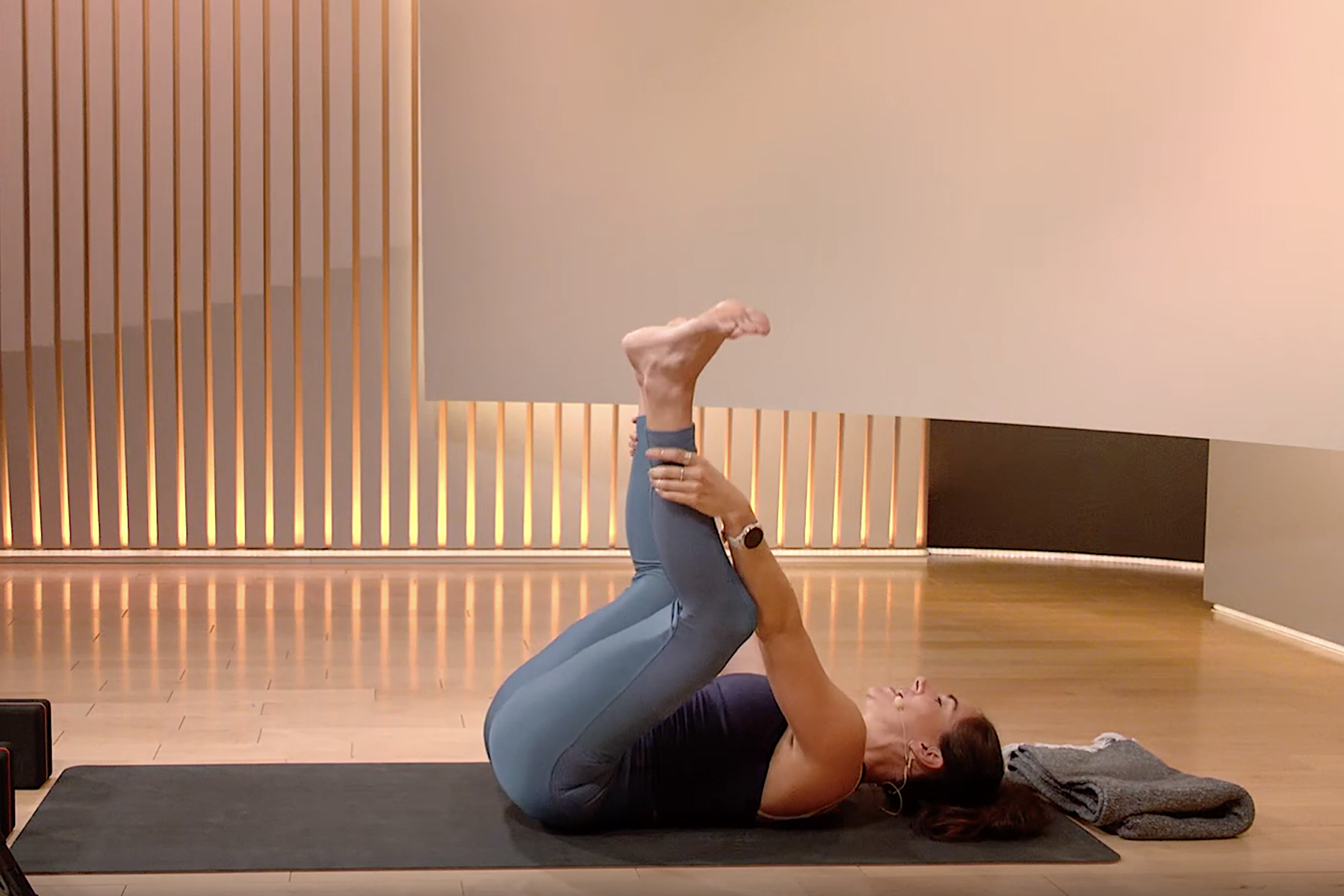
Happy Baby (Ananda Balasana)
If you are looking for yoga poses for insomnia and deep sleep, don't skip this one. It provides a deep release for the sacrum and helps to quiet a restless mind through gentle side-to-side rocking.
- How to do it: Lie on your back and bring your knees toward your chest. Grip the outsides of your feet and pull your knees toward your armpits.
- Hold Time: 1 to 2 minutes.
Choose Your Flow: Modular Nighttime Yoga Routines
Not every night offers an hour of free time. The beauty of bedtime yoga is its flexibility. You can choose a sequence that fits your schedule, whether you have ten minutes or a full half-hour.
| Feature | 10 Minute Beginner Express | 30 Minute Deep Restorative |
|---|---|---|
| Location | Directly in bed | On a firm yoga mat or rug |
| Focus | Simple yoga stretches to do in bed for sleep | Comprehensive muscle tension relief |
| Key Poses | Child's Pose, Reclining Twist, Savasana | Full sequence including Viparita Karani |
| Breathwork | 2 minutes of Diaphragmatic breathing | 5 minutes of Pranayama and Box Breathing |
| Ideal For | Busy weeknights or extreme fatigue | Weekends or high-stress periods |
10 minute bedtime yoga routine for beginners
If you are short on time, try this:
- 2 Minutes: Seated breathing with eyes closed.
- 3 Minutes: Child's Pose (using a pillow).
- 3 Minutes: Reclining Twist (left and right sides).
- 2 Minutes: Final relaxation in bed.
30-Minute Deep Restorative
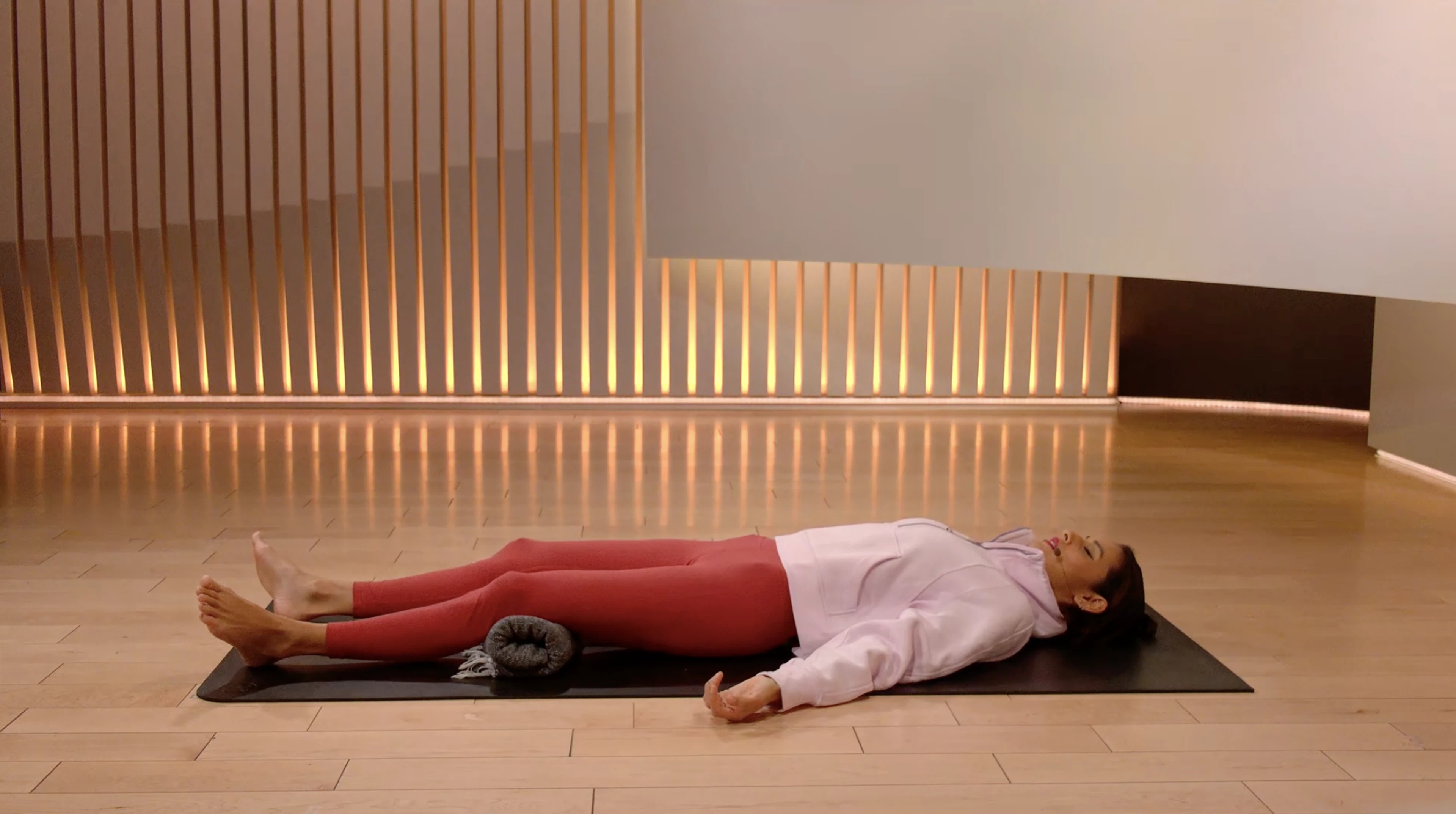
For those nights when your brain won't shut off, a longer session is warranted. Spend at least five minutes in each of the primary poses mentioned above (Child's Pose, Legs Up the Wall, Butterfly). Finish with ten minutes of Savasana, focusing on a progressive muscle relaxation technique where you consciously tense and then release every muscle group from your toes to your forehead.
What to Avoid: Common Bedtime Yoga Mistakes
While most yoga is beneficial, certain types of movement can actually wake you up. To ensure your practice leads to a restful night, avoid the following:
- Inversions (except Legs Up the Wall): Avoid handstands, headstands, or forearm balances. These increase blood flow to the brain and can be very stimulating.
- Deep Backbends: Poses like Wheel or Bow are "heart openers" that tend to increase the heart rate and energize the nervous system.
- High-Intensity Flows: Avoid Sun Salutations or fast-paced Vinyasa. If your breath becomes labored or you begin to sweat, you are likely moving too fast for a sleep-focused practice.
- Bright Lights: Keep the lights low or use candles. Bright overhead lighting can suppress melatonin production, negating the benefits of your stretches.
FAQ
Is it good to do yoga before bed?
Yes, practicing yoga before bed is an excellent way to transition the body from the stress of the day into a state of recovery. It helps lower the heart rate and prepares the mind for deep sleep.
What are the best yoga poses for sleep?
The most effective poses are those that are grounding and restorative, such as Child’s Pose, Legs Up the Wall, and Reclining Butterfly. These postures focus on calming the nervous system rather than building heat.
How long should I practice yoga before sleep?
A session can last anywhere from 10 to 30 minutes. Even a short 10-minute routine can be effective if you focus on deep breathing and holding each pose for at least two minutes.
Can I do yoga in my bed?
Absolutely. Many simple yoga stretches to do in bed for sleep are specifically designed to be performed on a soft surface, making it even easier to drift off immediately after your practice.
Does yoga help with insomnia?
Yoga can be a powerful tool for managing insomnia by reducing the physiological symptoms of anxiety and lowering cortisol levels. It helps create a consistent "wind-down" ritual that signals the brain it is time for rest.
Can beginners practice yoga at night?
Yes, bedtime yoga is perfect for beginners because it focuses on gentle, static stretches rather than complex or athletic movements. Most restorative poses are accessible to everyone regardless of flexibility.
Establishing a consistent nighttime yoga routine is one of the most compassionate things you can do for your body. By dedicating just a few minutes each evening to quiet movement and mindful breathing, you aren't just stretching your muscles—you are retraining your nervous system to embrace the rest it deserves. Start tonight with just one pose, perhaps Legs Up the Wall, and notice how your body responds to the silence. Soften your gaze, deepen your breath, and let the practice guide you into a truly restful night.