Quick Facts
- Primary Focus: Aligning exercise intensity with natural hormonal shifts to optimize results.
- Top Benefit: Potential for a 32.6% strength increase by timing heavy lifts during the follicular phase.
- Key Data: Approximately 78% of female athletes report that their cycle negatively impacts performance at specific times.
- Core Strategy: Front-load high-intensity training in the first 14 days of the cycle when estrogen is rising.
- Scientific Marker: A rise in basal body temperature during the luteal phase can lead to earlier exhaustion.
- Recovery Window: The menstrual phase requires a longer recovery window due to low overall hormone levels.
Cycle syncing workouts involve tailoring exercise types and intensities to match the four phases of the menstrual cycle: menstruation, follicular, ovulation, and luteal. This approach leverages hormonal fluctuations in estrogen and progesterone to optimize athletic performance, enhance recovery, and manage energy levels effectively throughout the month.
By adjusting training volume to match metabolic shifts and insulin sensitivity, individuals can work with their body's endocrine system rather than against it, leading to more consistent performance and reduced hormonal fatigue.
| Phase | Day Range | Primary Hormones | Best Training Focus |
|---|---|---|---|
| Menstruation | Days 1–5 | Low Estrogen & Progesterone | Active Recovery, Yoga, Walking |
| Follicular | Days 6–14 | Rising Estrogen | Strength Training, Progressive Overload |
| Ovulation | Days 12–17 | Peak Estrogen & Testosterone | HIIT, Powerlifting, Circuit Training |
| Luteal | Days 18–28 | Rising Progesterone | Steady-state Cardio, Pilates, Mobility |
Phase 1: Menstruation (Days 1–5) – The Restorative Phase
The first day of your period marks the beginning of a new cycle. At this stage, both estrogen and progesterone are at their lowest levels. You might feel a natural pull toward rest, and from a clinical perspective, this makes perfect sense. Your body is directing significant energy toward the shedding of the uterine lining, which can leave you feeling depleted or dealing with inflammation.
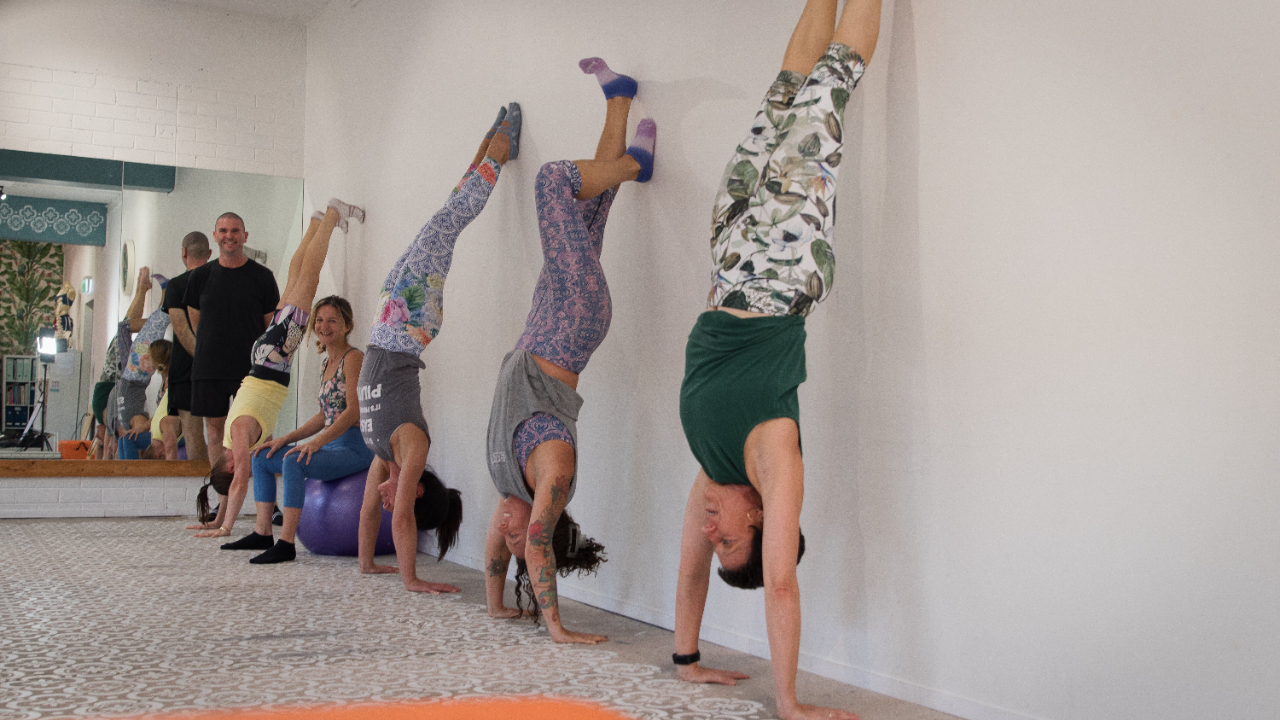
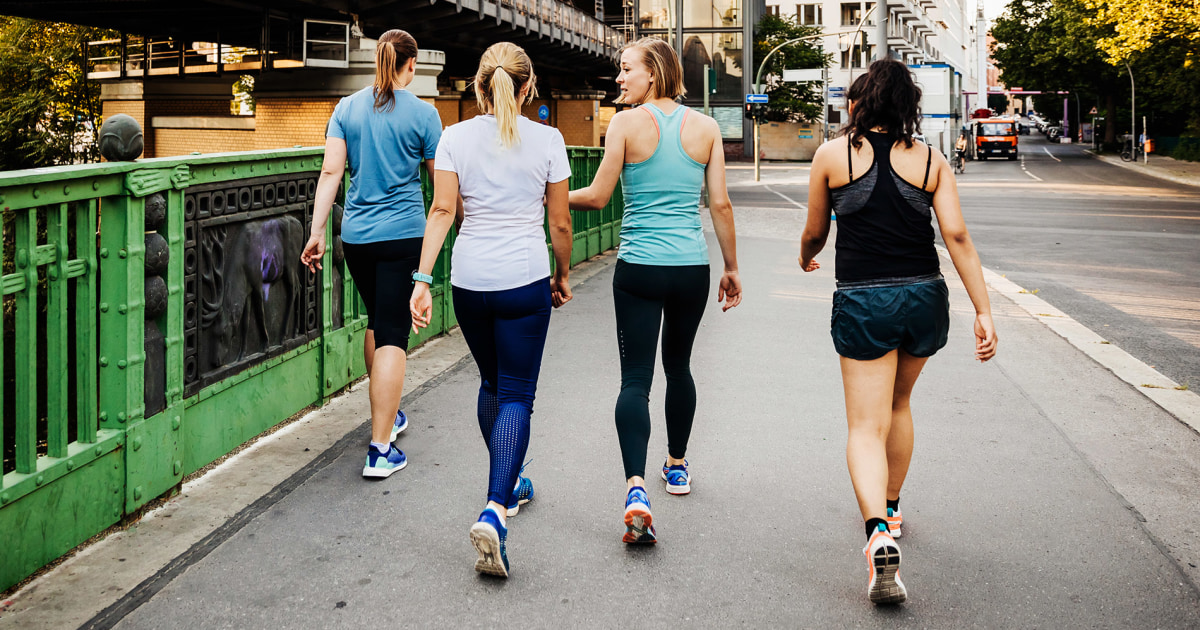
During these first few days, your recovery window is naturally extended. This isn't the time to push for a personal record in the weight room. Instead, focusing on low impact workouts for period cramp relief can be incredibly beneficial. Gentle movement helps stimulate the production of endorphins, which act as natural painkillers. Activities like Yin yoga, light stretching, or a steady-state walk in nature can help manage pelvic congestion and improve your mood without overtaxing your system.
Many women find that training for menstrual cycle phases requires a mental shift—viewing rest as a productive part of the training cycle rather than a setback. If you experience heavy cramping or significant fatigue, listen to those signals. Rest is a form of training. By honoring these estrogen fluctuations and keeping intensity low, you set the stage for much stronger performance in the coming weeks.

Phase 2: Follicular (Days 6–14) – The Strength & Power Phase
As your period ends, your body enters the follicular phase. This is when estrogen begins its steady climb, and it is arguably the most powerful window for physical transformation. Research has shown that women who focus their high-frequency strength training during the follicular phase achieved a 32.6% increase in muscle strength, compared to just a 13.1% increase for those who trained more frequently during the luteal phase.
This massive difference is due to several physiological factors. First, your insulin sensitivity is at its highest, meaning your body is highly efficient at using carbohydrates for fuel. Second, rising estrogen levels have an anabolic effect, which supports muscle protein synthesis. If you are looking for strength training for follicular phase gains, this is the time to increase your weights and focus on progressive overload.
Because your energy is rebounding, this is the ideal time for menstrual cycle phase workouts that involve complex movements or new skills. Your brain-body connection is often sharper now. If you have been wondering how to start a cycle syncing workout plan, the best advice is to front-load your most challenging sessions into this ten-day window. You will likely find that you recover faster and feel more capable of handling high-volume training.
Phase 3: Ovulation (Days 12–17) – The High-Intensity Peak
Ovulation is the main event of the cycle. It is a short window, usually lasting only about 24 to 48 hours, but the hormonal surge surrounding it is significant. Estrogen reaches its absolute peak, and there is often a corresponding bump in testosterone. For most women, this translates to peak energy, high libido, and a feeling of being "on top of the world."
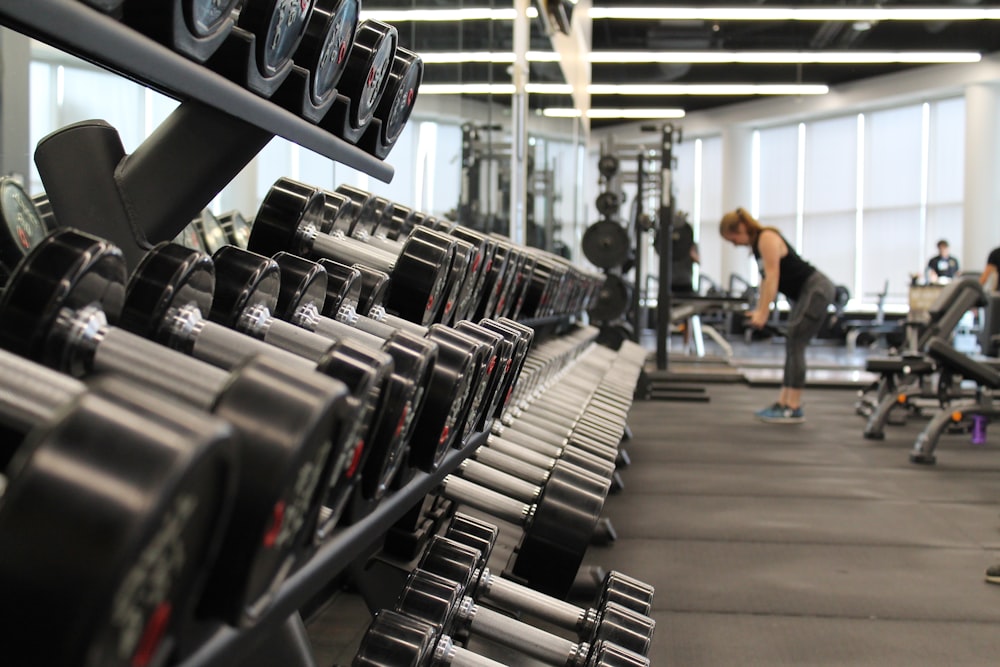
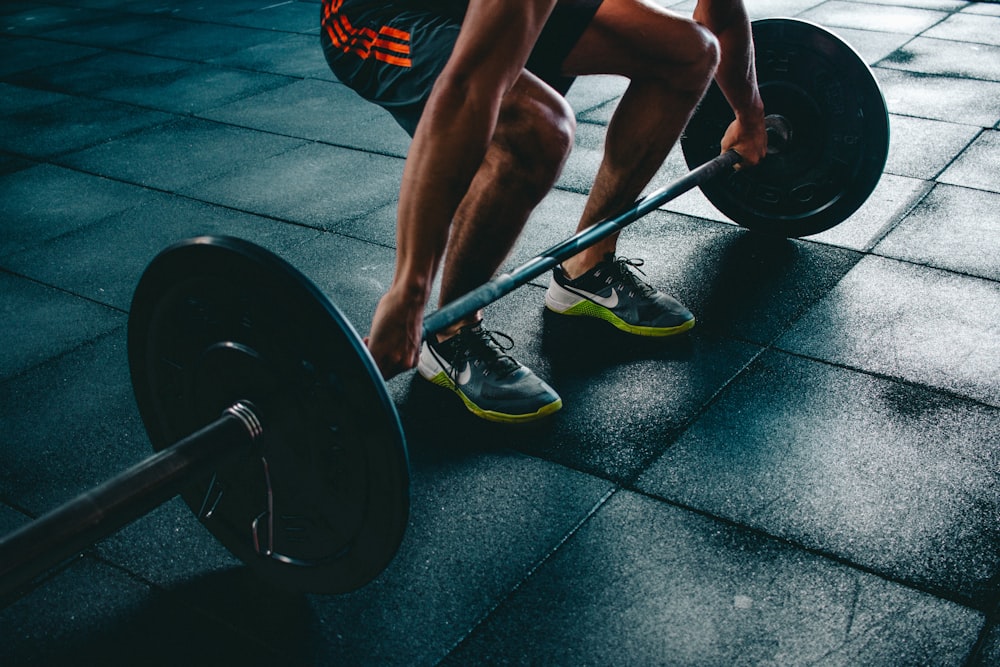
This is the perfect time for training for ovulation phase energy peaks. High-intensity interval training (HIIT), sprinting, or attempting a one-rep max in the gym fits perfectly with this hormonal profile. Your athletic performance is typically at its zenith here. However, there is a clinical nuance to be aware of: some studies suggest that high estrogen levels can increase ligament laxity, particularly in the ACL. While you should absolutely capitalize on your strength, ensure your form is impeccable to avoid injury.
In the context of hormonal cycle exercise, think of ovulation as your "sprint" phase. You have the metabolic flexibility to push hard and the neurological drive to excel. Just remember that this peak is fleeting; as soon as the egg is released, the body begins its transition into the luteal phase, and the internal environment starts to shift toward endurance and preservation.
Phase 4: Luteal (Days 18–28) – The Endurance & Steady State Phase
After ovulation, progesterone production takes center stage. This hormone is designed to support a potential pregnancy, and it changes your physiology in subtle but impactful ways. One of the most notable changes is an increase in your basal body temperature and resting heart rate. This shift means you may reach the threshold of exhaustion sooner during aerobic workouts.
In the early luteal phase, you might still feel strong enough for moderate endurance activities, such as long runs or cycling. However, as you move into the late luteal phase (the "PMS" window), your metabolic rate speeds up, and your body may begin to favor fat as a fuel source over glycogen. This is also a time when cortisol levels can be more reactive. If you push too hard with high-intensity cardio during this week, you might find yourself feeling "tired but wired," or experiencing increased inflammation.
The best exercises for luteal phase fatigue include Pilates, barre, or Zone 2 steady-state cardio. These activities maintain your fitness base without causing a massive spike in stress hormones. Adjusting exercise intensity for hormonal shifts during this week is not about "slacking off"; it is about protecting your endocrine health. By choosing lower-impact movements, you help manage common symptoms like bloating and breast tenderness while still supporting your lymphatic system.

Science Check: Data-Driven Performance vs. Subjective Well-being
While the concept of cycle syncing has gained massive popularity on social media, it is important to ground these practices in exercise physiology. It is a scientific fact that 78% of female athletes report that their menstrual cycle negatively impacts their exercise performance, especially during the late luteal and early follicular phases. This confirms that the "push through it" mentality often ignores the reality of female biology.
Modern performance tracking has moved beyond simple calendar counting. Many high-level athletes now use a "Track, Adjust, Assess" framework. By tracking your cycle alongside your workout data, you can see if your own personal patterns match the clinical averages. For example, while the follicular phase is generally best for muscle growth, your individual response might vary based on sleep, nutrition, and stress.
For those who want to be truly objective, tools like DEXA scans or consistent strength charting can show how cycle syncing workouts impact body composition over time. The goal is consistency. By working with your body's natural rhythms, you reduce the likelihood of burnout and overtraining, leading to better long-term health outcomes and a more sustainable relationship with fitness.

FAQ
What is cycle syncing for workouts?
Cycle syncing for workouts is a method of planning your exercise routine to align with the four phases of the menstrual cycle. By matching the intensity and type of movement to your changing levels of estrogen and progesterone, you can optimize energy use, improve muscle gains, and enhance recovery.
What are the benefits of cycle syncing your fitness routine?
The primary benefits include improved muscle protein synthesis during the follicular phase, better management of PMS symptoms, and a reduced risk of injury or burnout. It allows you to leverage times of high energy for intense training while providing the necessary recovery window during lower-energy phases.
What kind of exercise is best during the follicular phase?
The follicular phase is the best time for strength training and high-volume workouts. Because estrogen is rising and insulin sensitivity is high, your body is primed for building muscle and handling heavier loads. This is the ideal window for weightlifting and progressive resistance training.
Can you lift heavy weights while on your period?
Yes, you can lift heavy weights if you feel up to it, but many women find that their strength is lower during the first few days of menstruation. If you feel capable, there is no medical reason to avoid it, but many experts recommend focusing on active recovery or lower intensity to accommodate the body's increased inflammatory response.
How do you adjust your workout intensity during the luteal phase?
During the luteal phase, it is best to transition from high-intensity or heavy powerlifting to steady-state cardio, Pilates, or mobility work. Because your basal body temperature rises and your heart rate increases more quickly, focusing on "Zone 2" activities helps maintain fitness without causing excessive hormonal stress or fatigue.