Quick Facts
- The 30g Rule: Consuming a minimum of 30g of protein at breakfast is the essential threshold to trigger muscle protein synthesis.
- Calorie Burn: An average session of Reformer Pilates burns approximately 252 calories per hour.
- Metabolic Boost: Regular Pilates practice offers a 15% higher resting metabolic rate improvement compared to walking alone.
- Protein Target: For women looking to maintain lean mass, the ideal daily target is 0.75-0.94 g/kg of bodyweight.
- Clinical Success: By combining a high-protein diet with low-impact exercise, Olivia Amitrano successfully lost 30 pounds and reversed her pre-diabetes diagnosis.
- Longevity Choice: Amitrano identifies Club Pilates as her preferred workout for supporting long-term health and skeletal muscle health.
A high protein Pilates routine focuses on protecting and growing lean muscle mass through resistance-based muscle activation and targeted nutrition. Olivia Amitrano recommends hitting a minimum threshold of 30g of protein at breakfast to stimulate muscle protein synthesis and prevent muscle loss during aging. This combination of low-impact exercise and high protein intake supports metabolic health and helps maintain stable blood sugar levels.

The Hormonal Advantage: Why Pilates Over HIIT?
In the world of holistic wellness, we often talk about the body as a communicative system. Every choice we make—from the herbs we steep to the way we move—sends a signal to our internal chemistry. For many women, high-intensity interval training (HIIT) can inadvertently send a "danger" signal to the brain, specifically the hypothalamic-pituitary-adrenal (HPA) axis. When the HPA axis is overstimulated, cortisol levels spike, which can lead to stubborn hormonal weight gain and adrenal fatigue.
Choosing a low-impact exercise nutrition plan that centers on Pilates offers a different narrative. Pilates acts as a "Safe Body" signal. It focuses on core stabilization and controlled, eccentric muscle contraction without the frantic pace that triggers a stress response. By prioritizing cortisol regulation, you allow your body to exit a state of chronic inflammation and enter a state of repair.
Olivia Amitrano’s journey is a powerful testament to this approach. Facing insulin resistance and pre-diabetes, she shifted away from the "more is more" mentality of fitness. Instead, she leaned into the restorative power of Pilates. This shift, paired with a focus on metabolic health protein and Pilates, allowed her to reverse her clinical markers while building functional strength. It is a reminder that we do not need to punish our bodies to see results; we need to support them.

The HPA axis balance is delicate. When we engage in low-impact movement, we are essentially training our nervous system to remain calm under tension. This is the cornerstone of hormonal weight management. When the body feels safe, it is much more willing to utilize stored energy and build lean muscle preservation, rather than holding onto fat as a protective mechanism against perceived stress.
The 30g Protein Rule for Muscle Mass Protection
If Pilates is the architect of the body, protein is the building material. One of the most significant insights from Olivia Amitrano’s routine is the non-negotiable nature of her first meal. She maintains a goal of consuming at least 30 grams of protein during her first meal of the day. This isn't just an arbitrary number; it is the physiological threshold required to stimulate muscle protein synthesis.
When we sleep, our bodies are in a catabolic state, meaning they are breaking down tissue. To flip the switch back to an anabolic, muscle-building state, we need a specific amino acid profile, particularly the amino acid leucine. Hitting that 30g mark ensures that your protein intake for muscle mass protection is actually doing its job. Without it, your Pilates session might be toning the muscle, but your body lacks the bioavailable protein sources to actually repair and strengthen that tissue.
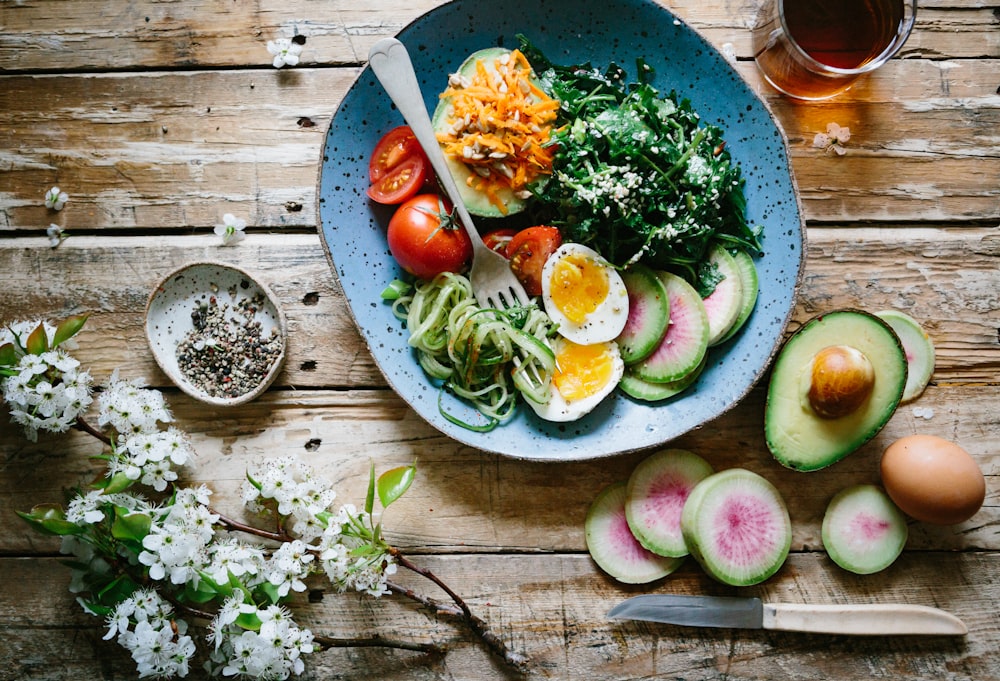
Olivia’s signature breakfast often includes a base of five eggs. While this might seem like a lot to those accustomed to a light toast or fruit, eggs provide one of the most complete amino acid profiles available. For those following a 30g protein breakfast for Pilates recovery, the goal is to provide the body with the resources it needs for post-workout muscle synthesis before the day even begins.
Protecting muscle mass with high protein and Pilates is especially crucial as we age. Sarcopenia, or age-related muscle loss, can begin as early as our 30s. A morning high protein routine for low impact exercise acts as an insurance policy for your metabolism. Muscle is metabolically active tissue; the more you have, the more efficiently your body processes glucose, supporting overall blood sugar stability.
Optimizing Your Routine: Reformer vs. Mat Pilates
While any form of Pilates is beneficial, there are nuances to how different methods impact your energy expenditure and skeletal muscle health. Reformer Pilates utilizes a system of springs and pulleys to provide external resistance, which can be particularly effective for building functional strength and lean muscle preservation in women over 40.
The following table illustrates the comparative benefits of the two primary styles of Pilates when performed for one hour:
| Feature | Mat Pilates | Reformer Pilates |
|---|---|---|
| Estimated Calories Burned | ~175 Calories | ~252 Calories |
| Resistance Source | Body Weight / Gravity | Adjustable Springs / Pulleys |
| Primary Focus | Core Stabilization | Full Body Integration |
| Muscle Activation | Concentric Emphasis | High Eccentric Contraction |
| Impact Level | Low | Low |
Reformer Pilates often allows for a greater range of motion and emphasizes eccentric muscle contraction—the lengthening phase of a movement. This type of tension is highly effective for creating that "long and lean" look while simultaneously strengthening the tendons and ligaments. For those seeking a high protein Pilates routine, the added resistance of the Reformer provides the stimulus necessary for the protein you consume to be directed toward muscle repair.
Regardless of the modality, the key is consistency. Integrating this movement with a low impact nutrition plan for metabolic health ensures that you are not just burning calories in the moment, but rather reshaping your resting metabolic rate for the long term.
Fueling the Core: High Protein Meal Ideas
To sustain a high protein Pilates routine, your kitchen must become an extension of your studio. The goal is to choose foods that are anti-inflammatory, nutrient-dense, and rich in fiber to support digestion.
- The Signature Breakfast: Five eggs (scrambled or poached) served with a side of antioxidant-rich berries and a slice of gluten-free sourdough toast. This provides the 30g protein threshold alongside slow-burning carbohydrates for core stabilization energy.
- Post-Pilates Recovery: A clean whey or pea protein shake blended with adaptogenic support like ashwagandha or maca to help manage the HPA axis response after movement.
- Lunch for Longevity: Grilled wild-caught salmon over a bed of bitter greens. Salmon provides omega-3 fatty acids that assist in muscle recovery and reduce inflammation.
- Smart Swaps: Replace inflammatory seed oils like canola oil with avocado oil or ghee to support the digestive and lymphatic systems.
Hydration is the final, often overlooked piece of the puzzle. Amitrano emphasizes the importance of consuming at least 2L of water daily, enhanced with electrolytes. Pure water is often not enough to truly hydrate the cellular environment, especially when you are engaging in resistance-based work.
Proper hydration supports lymphatic system support, helping to flush out metabolic waste produced during exercise. When paired with high protein meal ideas for Pilates practitioners, this holistic approach ensures that your body remains in a state of flow rather than stagnation.
FAQ
What are the benefits of combining Pilates with a high protein diet?
Combining these two elements creates a synergistic effect for metabolic health. Pilates provides the resistance stimulus needed to signal muscle growth and core strength, while a high protein diet provides the necessary building blocks (amino acids) to fulfill that signal. Together, they help stabilize blood sugar, improve insulin sensitivity, and protect against age-related muscle loss without stressing the adrenal glands.
How much protein do I need for a Pilates workout routine?
While individual needs vary, a general clinical guideline for women practicing Pilates is 0.75 to 0.94 grams of protein per kilogram of body weight. Most importantly, ensuring that you hit at least 30g of protein in your first meal is vital for stimulating muscle protein synthesis and maintaining energy levels throughout your session.
Can you build muscle with Pilates and a high protein diet?
Yes, you can absolutely build functional, lean muscle with Pilates. While it may not produce the "bulky" hypertrophy associated with heavy weightlifting, the resistance used in Reformer Pilates and the bodyweight challenges of Mat Pilates create significant tension. When supported by an adequate protein intake for muscle mass protection, your body will repair and strengthen these muscle fibers, leading to increased tone and metabolic efficiency.
What should I eat before a Pilates session for energy?
For the best results, aim for a balance of protein and complex carbohydrates about 60-90 minutes before your session. A small portion of Greek yogurt with berries or a piece of gluten-free toast with almond butter provides steady energy. This prevents blood sugar crashes during core stabilization exercises and ensures you have the amino acids available for the recovery process.
Does Pilates count as strength training for muscle growth?
Pilates is a form of resistance training, which classifies it as strength training. It utilizes gravity, springs, and body weight to challenge muscles through various planes of motion. By focusing on eccentric muscle contraction, Pilates is particularly effective at building muscular endurance and skeletal muscle health, making it an excellent longevity-focused alternative to traditional weightlifting.
Choosing to follow a high protein Pilates routine is an act of deep self-care. It is a commitment to longevity, hormonal balance, and functional strength. By starting your day with that 30g protein rule and stepping onto the mat with intention, you are not just changing your body—you are optimizing your entire physiological state.