Quick Facts
- Standard Fueling: 60g of carbs per hour for performance.
- Carb-Loading Metric: 6-10g of carbs per kg of bodyweight.
- Taper Volume: Reduce peak mileage by 40-60%.
- Sleep Target: 7-9 hours for muscle repair.
- Timing: Start carb loading 48-72 hours before the start line.
- Rule #1: Nothing new on race day.
Effective race day preparation involves a 40-60% reduction in training volume during the taper week and a strategic marathon carb loading guide to maximize glycogen stores 48-72 hours before the event. By prioritizing taper week recovery tips for runners and meticulous gear planning, athletes can ensure their physiological and logistical readiness for peak performance.
Phase 1: The Taper Week and Physiological Recovery
Success on the course is often determined by what you do when you are not running. The taper is a critical physiological phase designed to restore glycogen stores, repair damaged muscle tissue, and normalize hormonal levels that may have been suppressed during peak training. For most long-distance runners, the taper lasts between 14 to 21 days, but the final seven days are where the most impact is made. During this period, you should reduce your total mileage significantly while maintaining a high intensity for short bursts. This keeps your cardiovascular system sharp and maintains leg turnover without inducing cumulative fatigue.
A cornerstone of your strategy should be sleep hygiene. Aiming for 7-9 hours of quality sleep per night is non-negotiable for muscle tissue repair. This is when your body releases human growth hormone and repairs the micro-tears in your muscle fibers. Furthermore, mental visualization during this rest period can help manage the pre-race nerves often referred to as maranoia.
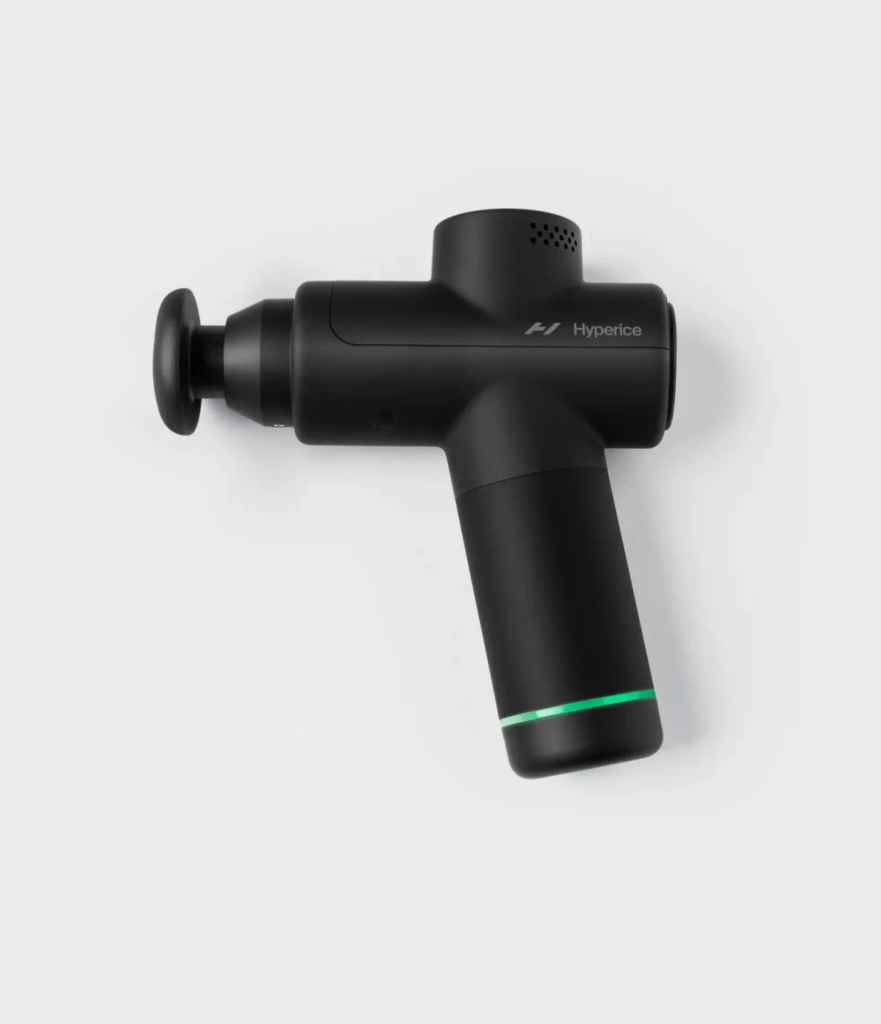
Many athletes ask about the best sports massage timing before a race. Ideally, you should schedule a deep tissue or sports massage 5-7 days prior to the event. This timing allows your muscles to recover from any temporary soreness caused by the massage itself while ensuring you are limber for the start line. In the 48 hours before the race, keep activity to a minimum, utilizing a light 15-minute shakeout run the day before just to stay loose and calm the mind.
Phase 2: Mastering the Marathon Carb Loading Guide
Fueling for a 26.2-mile or even a 13.1-mile effort requires more than a large bowl of pasta the night before. True carbohydrate loading is a protocol that begins 48 to 72 hours before the gun goes off. The goal is to saturate your muscle glycogen stores to their maximum capacity. The American College of Sports Medicine recommends that athletes consume 10 to 12 grams of carbohydrates per kilogram of body weight during the 36 to 48 hours before a race to maximize muscle glycogen stores.
For a marathon carb loading guide for beginners, it is easier to aim for a slightly more manageable range of 6-10g of carbohydrates per kilogram of body weight. For a 70kg runner, this means consuming 420g to 700g of carbohydrates daily. This requires a shift in focus: reduce your intake of fats and proteins and significantly lower your fiber intake. High fiber can lead to gastrointestinal distress during the race, which is the last thing you want at mile 18. Stick to white rice, white pasta, potatoes, and bagels.

As you approach the 24-hour mark, transition toward liquid nutrition. Using electrolytes for hydration in long distance races is essential during this window to ensure you are not just hydrated, but chemically balanced. By 2:00 PM the day before the race, your largest meals should be finished. From that point on, focus on small snacks and isotonic drinks.
During the race itself, your fueling strategy must be practiced. Research indicates that 30 to 60 grams of carbohydrates per hour is the sweet spot to maintain energy levels and delay fatigue. Learning how to fuel during a marathon with energy gels is a skill; you should take them with water, not sports drinks, to avoid a sugar concentration that is too high for your stomach to process quickly.

When considering what to eat the night before a half marathon or full marathon, keep it simple. A moderate portion of white pasta with a simple tomato sauce and a side of white bread is a classic for a reason—it is predictable and effective.
Phase 3: Gear and Logistics Checklist
The golden rule of race day preparation is: Nothing New. This applies to every piece of equipment, from your socks to your sunglasses. Even the smallest seam in a new shirt can cause debilitating chafing over several hours of repetitive movement.

Your race day gear essentials and checklist should be finalized and laid out at least 24 hours in advance. This "flat runner" ritual isn't just for social media; it’s a cognitive safety net to ensure you haven't forgotten your bib, timing chip, or specific socks.
- Footwear: Your shoes should have roughly 50 to 100 miles on them. They need to be broken in but still have the structural integrity of the foam intact.
- Apparel: Opt for moisture-wicking fabrics. Avoid cotton at all costs, as it absorbs sweat, becomes heavy, and increases the risk of chafing.
- Anti-Chafe: Apply anti-chafe balm to any area where skin meets skin or skin meets fabric (thighs, underarms, and feet).
- Electronics: Ensure your GPS watch and headphones are fully charged, and your pacing strategy is programmed if your device supports it.

Logistics are often the most overlooked part of race day preparation. Check for road closures and public transit delays. If you are taking a ride-share, book it in advance. Aim to arrive at the race village at least 60 to 90 minutes before your wave starts. This gives you time for bib collection if necessary, gear drop-off, and the inevitable long lines for the portable toilets.
Phase 4: Race Day Morning Routine
A successful race day morning routine for long distance runners is built on timing. You should wake up approximately three hours before the start gun. This allows your metabolism to wake up and gives you ample time to digest your pre-race breakfast.
| Time Before Start | Action Item |
|---|---|
| 3 Hours | Wake up, drink 500ml water, and eat a tested breakfast (e.g., oatmeal or bagel with peanut butter). |
| 2 Hours | Finalize gear, apply anti-chafe balm, and start sipping on isotonic drinks. |
| 1 Hour | Arrive at venue, drop off gear bag, and find your starting corral. |
| 30 Minutes | Begin dynamic stretching and a very light 5-minute jog to prime the muscles. |
| 15 Minutes | Consume a final energy gel and head to your specific wave start. |
During your warm-up, focus on dynamic stretching rather than static stretching. Leg swings, glute bridges, and lunges are better for "waking up" the neuromuscular pathways than holding a toe touch for 30 seconds.
As you stand in the corral, solidify your pacing strategy. I recommend having A, B, and C goals. An "A" goal is your dream time if everything goes perfectly. A "B" goal is what you can achieve if things are tough but manageable. A "C" goal is simply to finish and enjoy the experience. This mental flexibility prevents a total psychological collapse if you fall 30 seconds behind pace early on. Remember that dehydration exceeding two percent of your body weight can significantly impair performance by increasing your heart rate. Stick to your hydration plan from the first water station, not when you feel thirsty.

FAQ
How do I prepare for my first race day?
Preparation for your first race day centers on consistency and simplicity. Focus on sticking to the routines you established during your training. In the week leading up, prioritize sleep, hydration, and a structured taper to ensure your legs are fresh. Avoid the temptation to do extra "panic" training miles in the final days.
What should I eat the morning of a race?
You should eat a breakfast that you have tested multiple times during your long training runs. Typically, this is a high-carbohydrate, low-fiber, and low-fat meal such as oatmeal with a banana, or a bagel with a small amount of peanut butter. Eat this meal 2.5 to 3 hours before the race starts to allow for proper digestion.
What are the essential items to pack for a race?
Your essential kit includes your race bib and safety pins, moisture-wicking clothing, broken-in running shoes, anti-chafe balm, and your pre-planned nutrition (gels or chews). Don't forget a "throwaway" sweater if it is cold at the start line and a change of clothes for after the finish.
How early should I arrive at the race venue?
Aim to arrive at least 60 to 90 minutes before your scheduled start time. This provides a buffer for travel delays, allows you to use the restroom, check your gear bag, and perform a proper dynamic warm-up without feeling rushed or stressed.
What is the best way to hydrate before a race?
The best way to hydrate is to sip water and isotonic drinks consistently in the 48 hours leading up to the race. On the morning of, drink about 500ml of water or an electrolyte mix 2-3 hours before the start. Stop heavy drinking about 45 minutes before the gun to avoid needing a bathroom break during the first few miles.
Is it okay to wear new shoes on race day?
No, you should never wear brand-new shoes on race day. New shoes can have different pressure points or stiffness that could lead to blisters or foot pain over long distances. Ensure your race-day shoes have at least 50 miles of running on them so you know exactly how they perform and fit.