Quick Facts
- Methodology: Utilizes a sliding carriage and adjustable spring resistance to challenge the body through a full range of motion.
- The 10-20-30 Rule: Practitioners typically feel a difference after 10 sessions, see visible muscle definition after 20, and experience a total body transformation after 30.
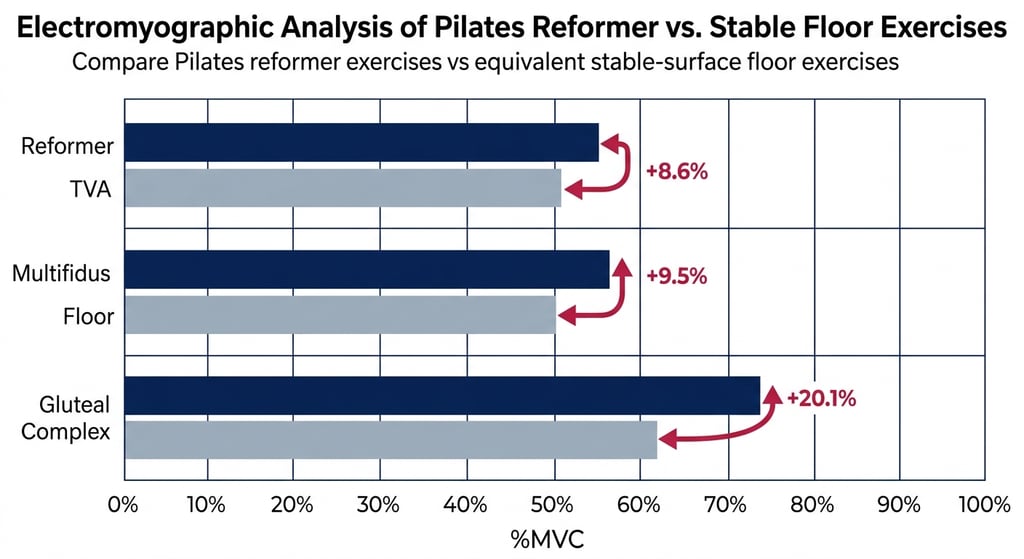
- Efficiency: Offers 20-30% greater core activation and flexibility improvements compared to traditional floor-based training.
- Primary Focus: Targets the deep transversus abdominis (TVA), postural alignment, and slow-twitch muscle fibers via eccentric contractions.
- Investment: Group sessions typically range from $25 to $35, often requiring specialized gear like grip socks for safety.
Reformer Pilates uses a system of springs, pulleys, and a sliding carriage to provide variable resistance that activates slow-twitch muscle fibers for a lean, sculpted appearance. By challenging the body through a full range of motion, it emphasizes eccentric contractions and core stability, which improves postural alignment and functional strength. Regular practice targets deep stabilizing muscles, such as the lower abdominals, providing a more comprehensive full-body workout than traditional resistance training.
The Science of the Sculpt: Resistance and Activation
To understand the Reformer Pilates body sculpting benefits, one must look at the mechanical genius of the machine itself. Unlike traditional weightlifting, which often relies on gravity and heavy loads, the reformer machine resistance training focuses on the quality of movement and controlled tension. At the heart of the machine is the carriage, which moves along a frame, attached to a series of springs of varying weights.
The Resistance Paradox is one of the most intriguing aspects of this practice. Beginners often assume that more springs equal a harder workout. While heavy springs certainly build leg and arm strength, lighter springs often increase the core demand significantly. When the resistance is low, your deep stabilizing muscles must work harder to control the carriage and prevent it from slamming back into the frame. This specifically targets the transversus abdominis, leading to better abdominal scooping and a flatter midsection.
A study published in the Journal of Physical Therapy Science found that participants who completed an eight-week reformer Pilates program demonstrated significant improvements in deep core muscle activation, specifically the transversus abdominis and lumbar multifidus. By engaging these deep layers, you are not just working the "six-pack" muscles, but building a corset of strength that supports the spine.
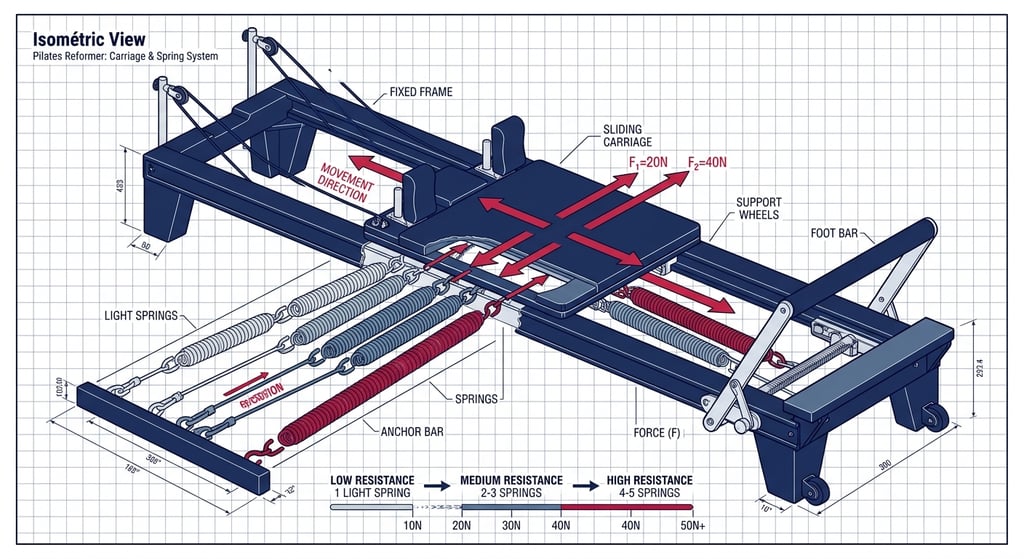
Furthermore, the machine emphasizes eccentric contraction. This is the phase of an exercise where the muscle lengthens under tension—think of the slow, controlled return of the carriage after a leg press. This type of loading is the secret to developing long, lean muscle fibers rather than bulk. By recruiting slow-twitch muscle fibers through high-repetition, low-impact movements, the reformer creates a toned aesthetic while increasing endurance.
Reformer vs. Mat: Which is Better for Your Goals?
When deciding between the two primary forms of Pilates, the choice often depends on your specific fitness objectives and physical needs. While Mat Pilates is an excellent foundation that relies on gravity and your own body weight, the reformer provides a mechanical advantage that can both assist and challenge the user in ways floor work cannot.
The adjustable nature of the springs allows for a broader range of exercises. On a mat, you are largely limited to movements performed lying down, sitting, or kneeling. On the reformer, you can perform exercises standing, lunging, and pulling, which adds a layer of proprioception—the body's ability to sense its position in space. This dynamic stability is crucial for athletes and those recovering from injury.
| Feature | Mat Pilates | Reformer Pilates |
|---|---|---|
| Resistance Source | Gravity and Body Weight | Adjustable Springs and Pulleys |
| Focus | Core and Body Control | Full Body and Targeted Sculpting |
| Support | Minimal (Floor only) | High (Carriage and Footbar) |
| Range of Motion | Standard | Extended via mechanical assistance |
| Rehabilitation | Good | Superior (due to adjustable tension) |
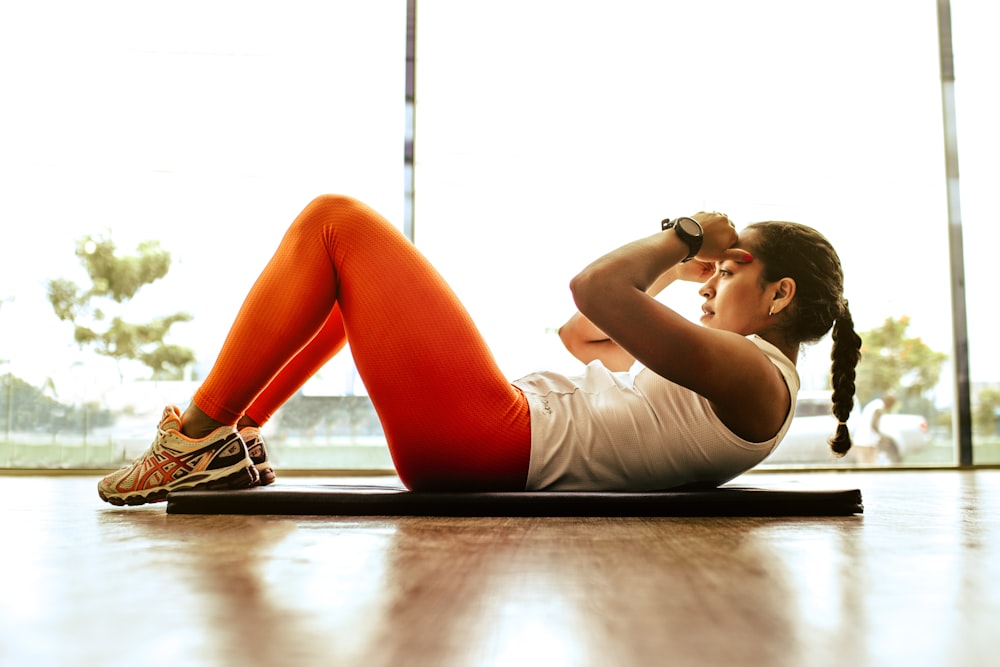
One of the most significant reformer pilates vs mat pilates for core strength and flexibility differences is the ability to decompress the joints. Because the machine supports the weight of the limbs, you can achieve a deeper stretch and a greater range of motion without straining the lower back or neck. This makes it particularly effective for achieving specific body-toning goals while maintaining a low-impact training environment.
A Beginner Guide to Your First Session
If you are looking for a beginner guide to Reformer Pilates, the first step is managing your expectations and preparing for a unique mind-body connection. Unlike a high-intensity interval class where the goal is to move as fast as possible, Pilates rewards precision and control.
What to Expect at Your First Reformer Pilates Class
Your first session will likely begin with an introduction to the machine components: the carriage, the footbar, the straps, and the various spring colors. Most studios offer "SloFlo" or introductory classes to help you get acclimated. You will notice that the movements are slow and deliberate. One of the most common reformer pilates mistakes to avoid for better form is using momentum to move the carriage. If you feel yourself "kicking" the carriage out, you are likely missing the engagement of the deep muscles the exercise is designed to target.
Pro Tip: Consistency is essential for achieving visible body sculpting results. Joseph Pilates famously stated that you will feel a difference in 10 sessions. To reach this milestone, aim for a frequency of three sessions per week.
Checklist: What to Bring to Your First Class
- Grip Socks: These are often mandatory for safety and hygiene to prevent slipping on the carriage.
- Form-Fitting Clothes: Loose clothing can get caught in the springs or hide your form from the instructor.
- Water Bottle: While low-impact, the internal heat generated is significant.
- The MindBody App: Most boutique studios use this for booking and tracking your progress.
Targeted Benefits: Posture, Back Pain, and Beyond
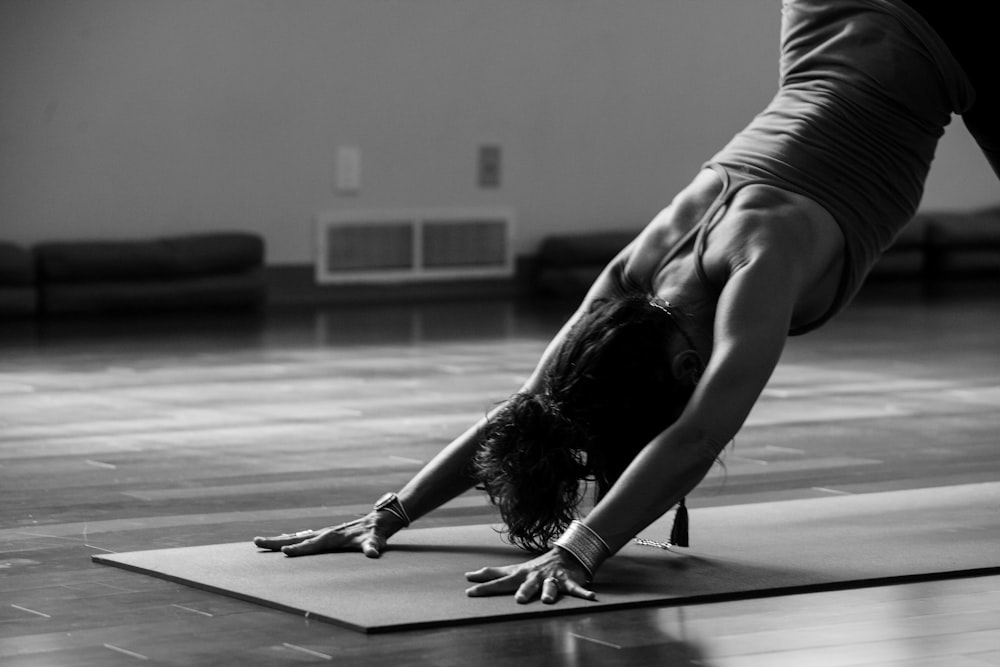
Beyond the aesthetic changes, the reformer serves as a powerful tool for therapeutic movement. Many practitioners turn to reformer pilates exercises for improving posture and back pain. The machine encourages a neutral spine and helps correct kyphosis (rounded shoulders) by strengthening the mid-back and opening the chest. By promoting multifidus hypertrophy—the thickening of the small muscles that support the vertebrae—it creates a more resilient and pain-free back.
The benefits extend into the respiratory system as well. Research indicates that participating in Pilates for at least eight weeks can lead to an improvement in respiratory function of up to 34%. This is largely due to the emphasis on lateral thoracic breathing, which expands the ribcage and increases lung capacity.
For women specifically, the results can be quite dramatic. In a clinical study of post-menopausal women, 12 weeks of supervised Pilates training resulted in a 30.81% increase in abdominal strength and a 23.41% improvement in lower body strength. This makes it an ideal modality for maintaining bone density and functional independence as we age.
Athletes, particularly runners, find that the eccentric loading of the machine—strengthening the muscle while it lengthens—drastically reduces the risk of common injuries like hamstring strains and shin splints. The focus on postural alignment ensures that every step taken on the pavement is more efficient and less taxing on the joints.
Conclusion
The journey to a transformed physique through Reformer Pilates is one of patience and precision. While the machine may look intimidating at first glance, its ability to adapt to any fitness level makes it one of the most versatile tools in modern fitness. Whether your goal is to reduce chronic pain, improve your athletic performance, or simply achieve a more toned appearance, the reformer provides a structured path toward total body awareness.
How long does it take to see body sculpting results from reformer pilates? If you stick to the recommended schedule of three sessions per week, you will likely begin to see visible muscle definition after 20 sessions. By the time you hit 30 consistent sessions, the change in your posture, strength, and overall silhouette will be undeniable.
FAQ
What are the main benefits of Reformer Pilates?
The primary benefits include increased core strength, improved flexibility, and better postural alignment. By using adjustable spring resistance, it targets deep stabilizing muscles that are often neglected in traditional workouts, leading to a lean, sculpted appearance and improved functional strength for daily activities.
Is Reformer Pilates better than mat Pilates?
It is not necessarily "better," but it offers different advantages. The reformer provides mechanical resistance through springs, which can either assist a beginner or provide a greater challenge for an advanced practitioner. It allows for a wider range of motion and more varied exercises compared to the floor-based mat version.
How many times a week should I do Reformer Pilates to see results?
For effective muscle memory and coordination, most instructors recommend attending three sessions per week. Following a reformer pilates weekly workout schedule for beginners allows the body to recover while maintaining the consistency needed to reach the 10-20-30 session transformation milestones.
Can you lose weight doing Reformer Pilates?
While the primary focus is on sculpting and toning, it can contribute to weight loss when combined with a healthy diet and cardiovascular exercise. It builds lean muscle mass, which increases your resting metabolic rate, and the intense core work provides a significant internal challenge that burns calories.
Is Reformer Pilates suitable for beginners?
Yes, it is highly suitable for beginners because the machine can be adjusted to provide support. Many studios offer introductory sessions specifically designed to teach new students how to handle the carriage, footbar, and springs safely while focusing on proper alignment.