Quick Facts
- Relief Mechanism: Addressing muscle guarding and improving postural hygiene
- Pain Reduction: Mean decrease of 4.094 points on the VAS scale
- Neck Disability: 18.125 point reduction on the NDI index
- Clinical Dosage: 2 sessions per week for at least 6 weeks
- Nervous System: Blood pressure reduction of 5-8 mm Hg post-session
Does Pilates for migraines actually work? Recent clinical studies suggest that low-impact rehabilitation through Pilates can significantly reduce pain intensity. By focusing on core strength and migraine management, sufferers can address the mechanical triggers of tension-type headaches. This guide explores the benefits of Pilates for chronic headaches and provides a gentle pilates routine for chronic headache sufferers to improve spinal alignment and neck health.
The Physiological Connection: Why Pilates Works for Headaches
For many living with chronic pain, the body exists in a state of high alert. This physiological stress often manifests as elevated cortisol levels and systemic tension. Pilates serves as a bridge between physical rehabilitation and neurological calm. Research has shown that consistent practice can lead to a 5-8 mm Hg drop in blood pressure post-session, signaling a shift from the sympathetic (fight or flight) nervous system to the parasympathetic (rest and digest) state.
The mind-body connection is central to this transition. By utilizing specific pilates breathwork for migraine symptom relief, practitioners can engage in vagus nerve stimulation. Deep, lateral costal breathing helps to expand the rib cage and relax the accessory respiratory muscles in the neck, which are often overactive during a migraine attack. A study in the Journal of Bodywork and Movement Therapies reported that migraine sufferers participating in a Pilates program experienced a significant decrease in the number of headache days per month through improved core strength and postural alignment. This restorative movement approach ensures that the body is not just being stretched, but systematically recalibrated to handle daily stressors.
Core Strength and Migraine Management: The Foundation of Posture
Many people are surprised to learn that the root of their neck pain often lies in their midsection. In the world of Pilates, we talk about the Chain of Causality. When the deep stabilizers—specifically the transversus abdominis and the multifidus—are weak, the body lacks a central anchor. Without this anchor, the shoulders begin to round and the head drifts forward, a phenomenon commonly known as "tech neck."

This poor postural hygiene forces the small muscles of the neck and upper trapezius to work overtime to keep the head upright. This constant state of muscle recruitment patterns eventually leads to muscle guarding, where the tissues become tight and sensitive, serving as a direct mechanical trigger for tension-type headaches. By focusing on pilates for migraines and posture improvement, you are effectively offloading the weight from your neck and placing it back onto your core, where it belongs.
Clinical data supports this structural approach. A two-week mat Pilates intervention for migraine patients led to a mean reduction of 4.094 points on the Visual Analog Scale (VAS) for pain and a decrease of 18.125 on the Neck Disability Index (NDI). Essentially, by building core endurance, you are giving your cervical spine the support it needs to stay neutral and tension-free.
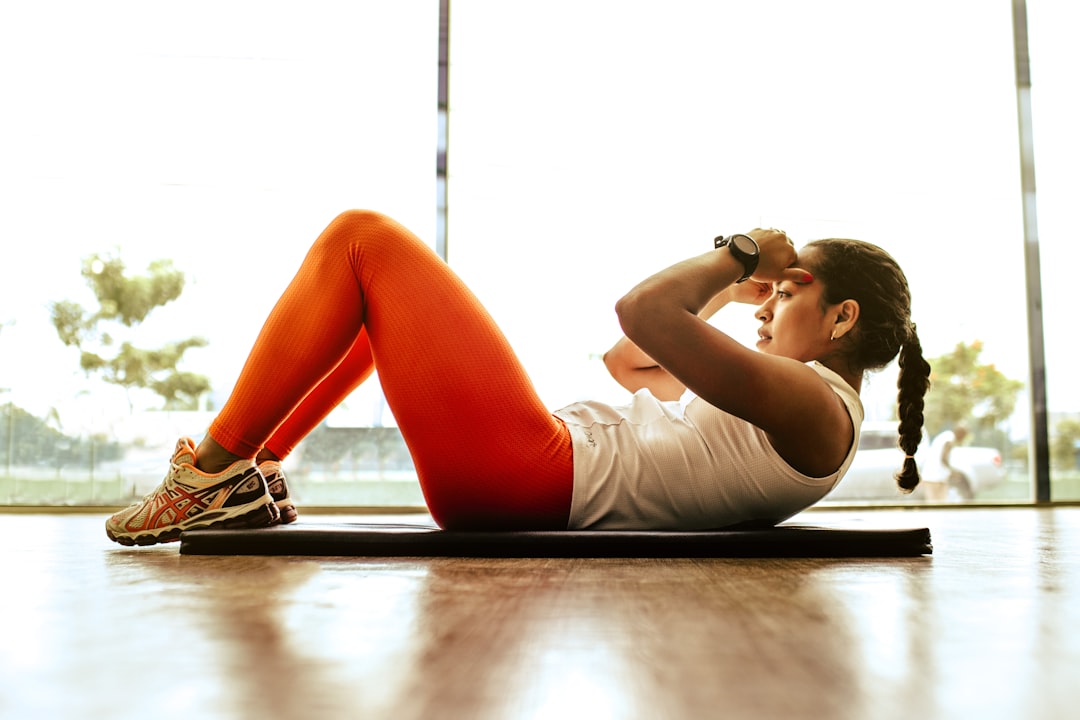
Targeted Pilates Exercises for Neck Tension Relief
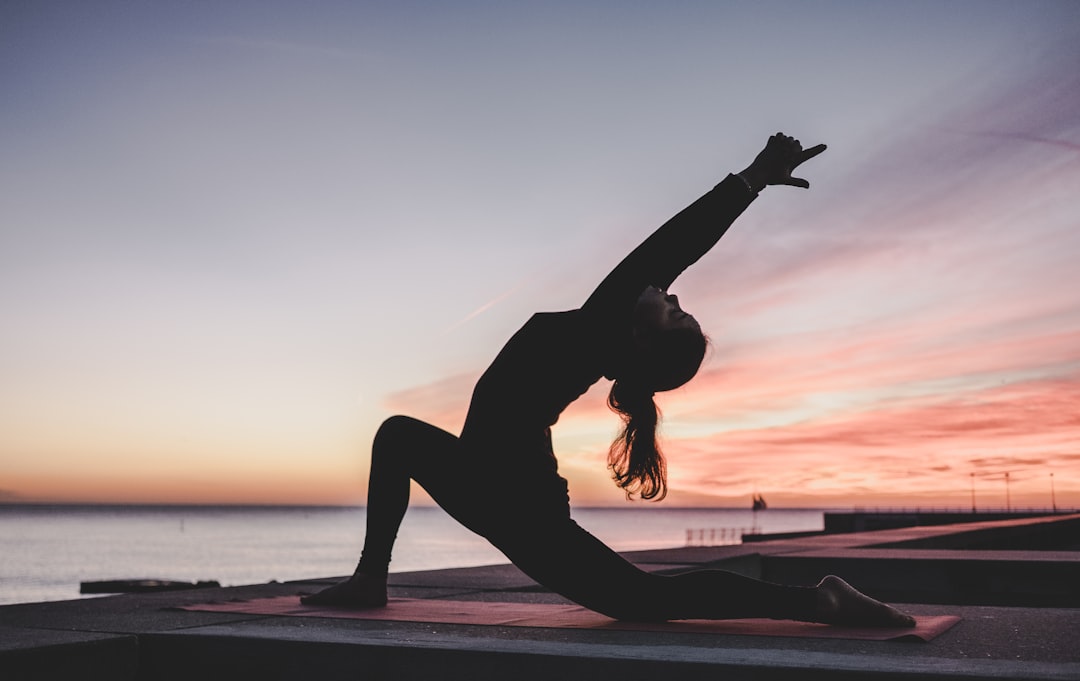
The traditional approach to a stiff neck is to stretch it. However, Pilates addresses the stretch vs. strengthen paradox. Often, muscles feel tight because they are weak and overstretched. To find lasting relief, we must prioritize cervical spine stability and thoracic mobility. If the middle of your back (the thoracic spine) is stiff, your neck has to move more to compensate, leading to irritation.
Research published in 2024 found that adding clinical Pilates to cervical mobilization for six weeks significantly improved headache intensity (p = 0.025) and reduced muscle stiffness in the suboccipital and upper trapezius muscles. Using safe pilates moves for tension headache prevention involves scapular stabilization—learning how to move the arms without shrugging the shoulders toward the ears. These exercises emphasize eccentric control, where muscles are strengthened while they are lengthening, providing a sophisticated form of myofascial release.
Gentle Pilates Routine for Chronic Headache Sufferers
If you are looking for a beginner pilates for migraines at home, these three exercises are designed to provide maximum relief with minimal strain. The focus should always be on proprioception—the awareness of your body in space—rather than the intensity of the burn.
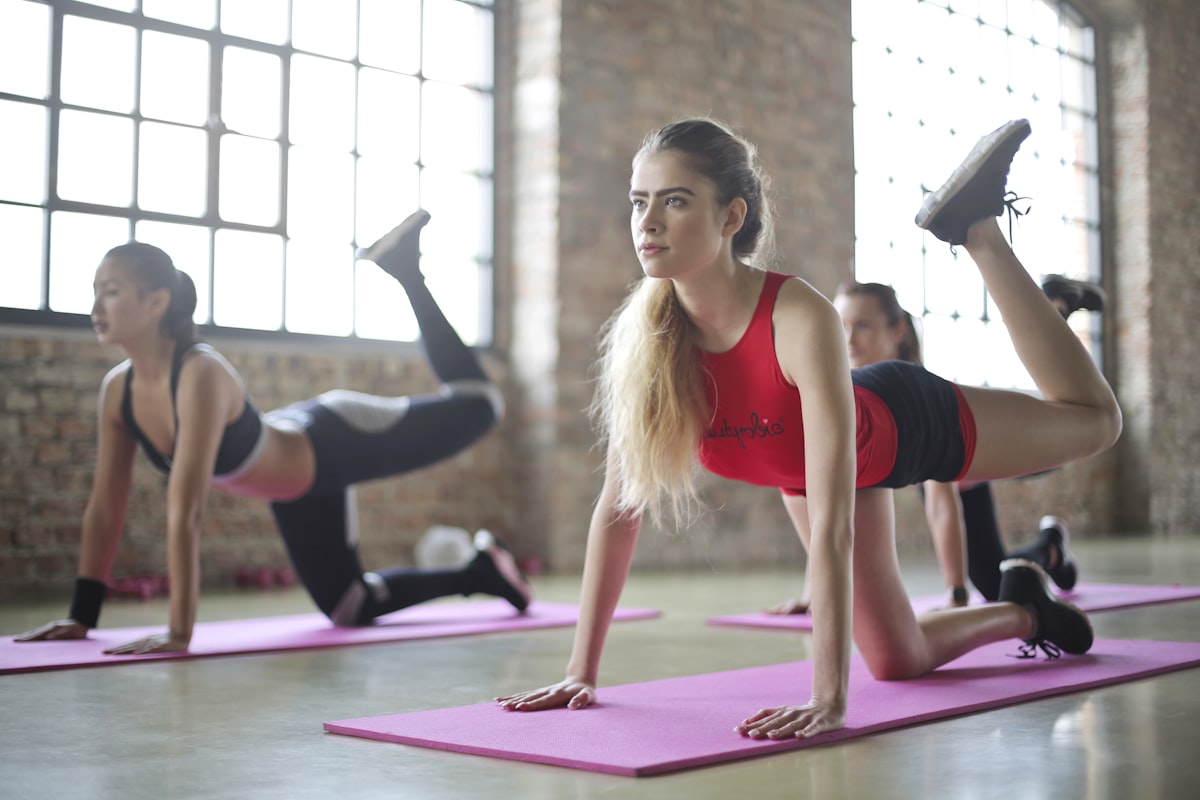
The Bird Dog
This exercise is a powerhouse for spinal alignment and multifidus activation.
- Start on all fours with a neutral spine.
- Slowly extend your opposite arm and leg, keeping your hips and shoulders square to the floor.
- Hold for three seconds while exhaling deeply, then switch sides.
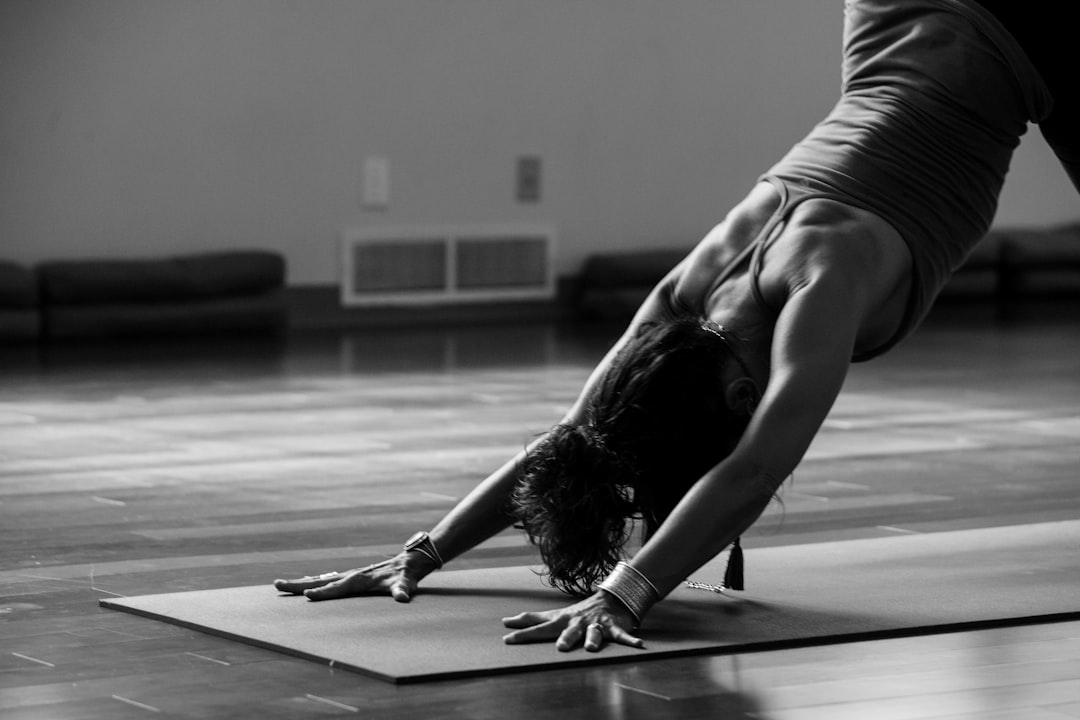
Modification: If balance is an issue, start by only moving your legs until your core feels stable enough to add the arms.
The Mermaid
The Mermaid is one of the best pilates exercises for neck tension relief because it addresses lateral mobility.
- Sit with your legs folded to one side (the "Z-sit" position).
- Reach one arm overhead and side-bend away from your feet.
- Focus on breathing into the side of your ribs to expand the intercostal muscles.
Modification: If sitting on the floor is uncomfortable, this can be performed sitting on a sturdy chair.
Scapular Squeezes
This move focuses on scapular stabilization to prevent the upper trapezius from taking over.
- Sit or stand tall with arms at your sides, elbows bent to 90 degrees.
- Gently draw your shoulder blades together and down, as if tucking them into your back pockets.
- Release with control.
Protocol: How Long to See Results?
When it comes to how long to see results from pilates for migraines, consistency is more important than duration. Clinical protocols generally suggest a minimum of two sessions per week for at least six weeks to see measurable changes in muscle stiffness and headache frequency.
It is important to distinguish between prevention and acute relief. While gentle movement can help during the prodrome (the "warning" phase) of a migraine, most experts advise against intense exercise during an active attack. Instead, use these moves during your "clear days" to build the resilience needed to prevent the next episode.
FAQ
Can Pilates help reduce the frequency of migraines?
Yes, clinical studies indicate that regular Pilates practice can decrease the number of headache days per month. By addressing postural triggers and reducing systemic stress through breathwork, it lowers the overall threshold for migraine attacks.
Is it safe to do Pilates during a migraine attack?
Generally, it is better to rest during the peak of an attack. However, very gentle restorative moves or basic breathwork may be used during the early onset or postdrome phase to help ease residual muscle guarding.
What are the best Pilates exercises for migraine relief?
Exercises that focus on thoracic mobility and scapular stability are most effective. This includes the Bird Dog for core stability, the Mermaid for lateral rib cage opening, and side-lying rotations to unlock the upper back.
Can Pilates exercises trigger a migraine?
If performed with poor form—such as straining the neck during abdominal crunches—exercise can be a trigger. It is essential to focus on cervical spine stability and avoid "muscling" through movements with the neck.
Does Pilates help with tension headaches and neck pain?
Pilates is highly effective for tension headaches because it targets the root cause: postural imbalances. By strengthening the deep core and improving spinal alignment, it reduces the constant strain on the neck and shoulder muscles.
How often should I practice Pilates for headache prevention?
For significant results, aim for at least two 30-to-45-minute sessions per week. A six-week consistent protocol is typically required to see a reduction in muscle stiffness and improved pain scores on the VAS scale.