Quick Facts
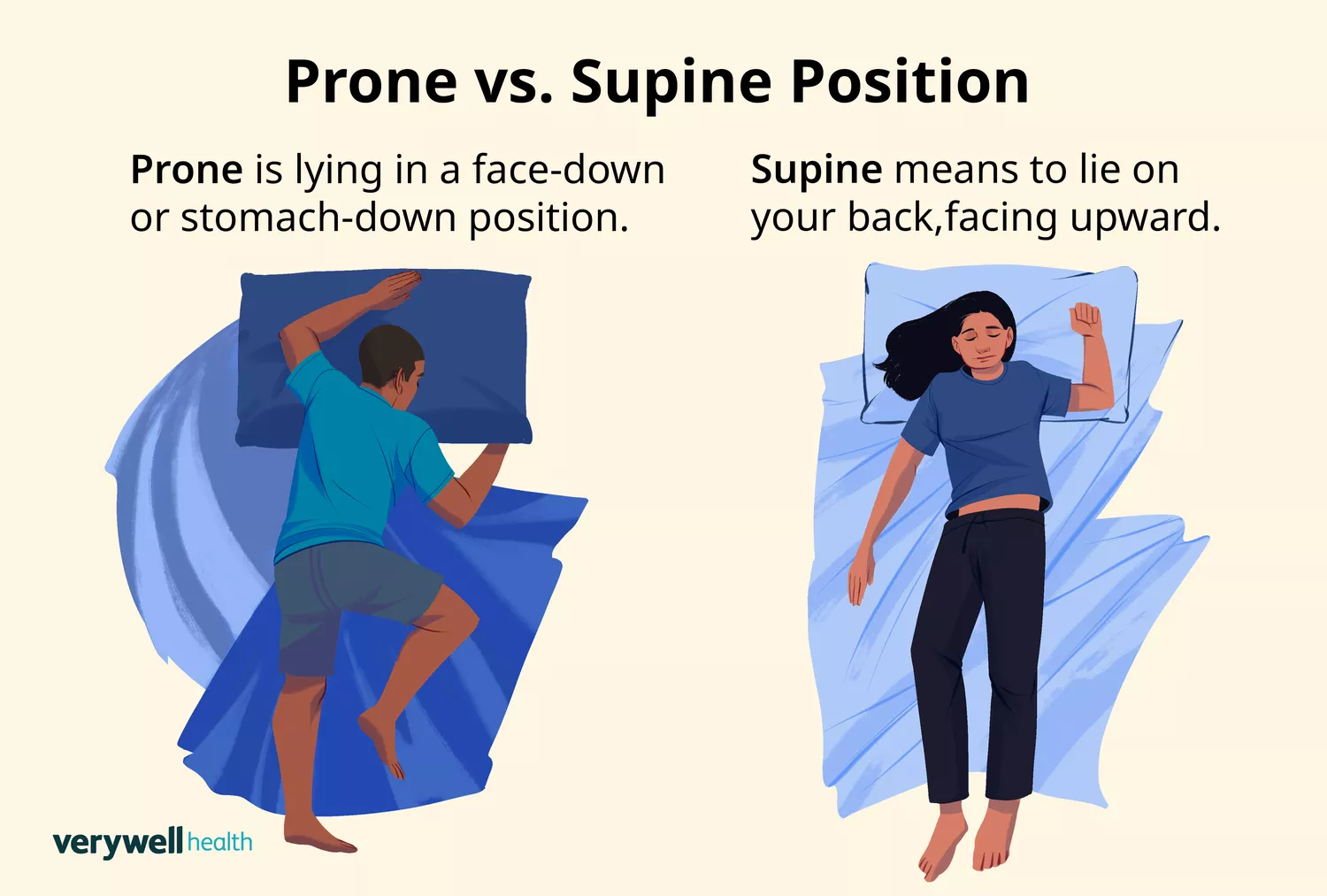
- Mnemonic: Supine rhymes with Spine (lying on your back); prone means lying on your belly.
- Prone Focus: Strengthening the posterior chain and correcting the hunched posture known as tech neck.
- Supine Focus: Spinal decompression, nervous system regulation, and supported recovery.
- Foundational Poses: Savasana (Supine) and Bhujangasana (Prone) serve as the primary alignment references.
- Clinical Benefit: 66% of yoga participants achieved clinically meaningful improvement in chronic back pain studies.
- Therapeutic Edge: A clinical review shows a Number Needed to Treat of 3, meaning one in three students finds significant relief.
In yoga, the distinction between prone vs supine refers to the body's orientation relative to the ground. Prone positions involve lying face down, such as in Cobra or Locust pose, focusing on the posterior chain and spinal extension. Supine positions involve lying on the back with the face upward, like in Savasana, which supports the spine's natural curvature and facilitates diaphragmatic breathing and spinal decompression.
Understanding Supine vs Prone Yoga Positions for Beginners
If you have ever felt confused when an instructor tells you to "come onto your belly" or "roll onto your back," you are not alone. These two orientations—prone and supine—are the building blocks of a well-rounded practice. For beginners, understanding supine vs prone yoga positions for beginners starts with a simple linguistic trick. Think of supine as lying on your spine. When you are supine, your face is toward the sky. Conversely, prone means you are face-down, often working against gravity to lift your chest or legs.
These positions are more than just ways to rest or start a class; they change how gravity interacts with your kinetic chain. When you are standing in Mountain Pose, gravity pulls vertically through your crown. When you shift to a horizontal plane, the floor becomes either a mirror or a resistance tool. This guide will help you navigate an anatomical yoga form guide that applies to every level of practice, ensuring you move with intention and safety.
Prone Poses: Strengthening the Posterior Chain
Prone positions are the ultimate antidote to the modern lifestyle. Most of us spend our days hunched over laptops or phones, a habit that weakens the muscles along the back of the body and tightens the chest. In yoga, prone alignment tips yoga often focus on the posterior chain—the group of muscles including the erector spinae, glutes, and hamstrings.
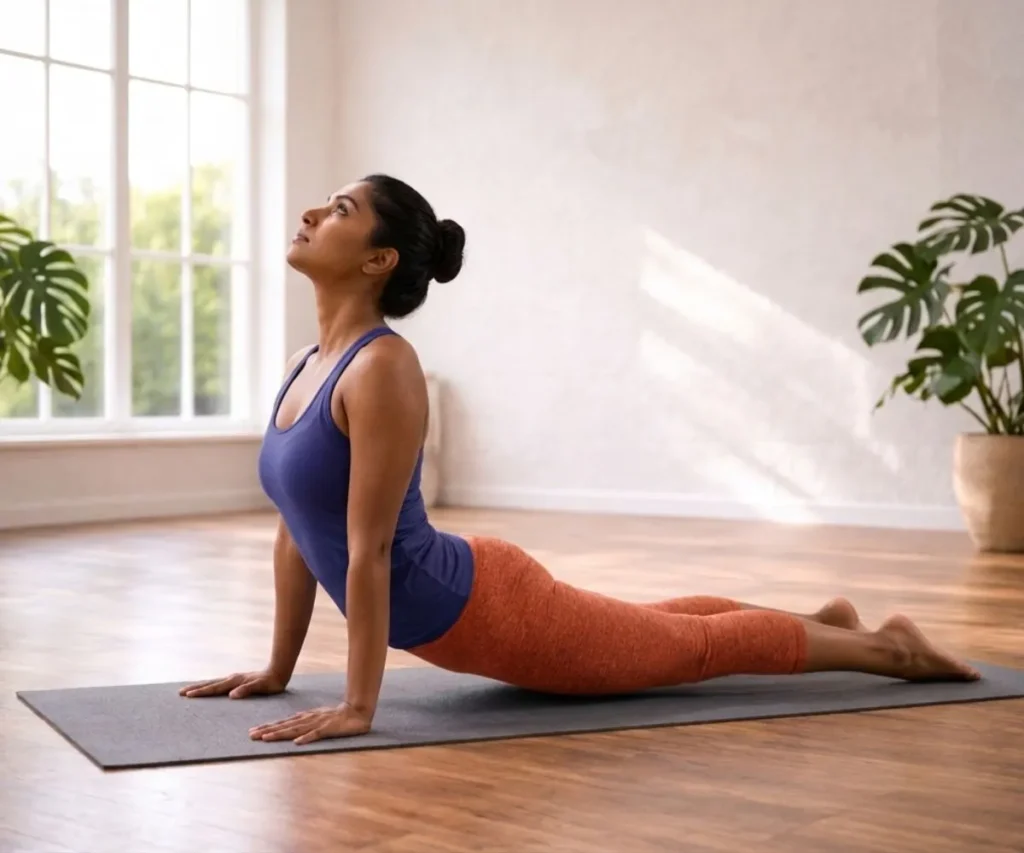
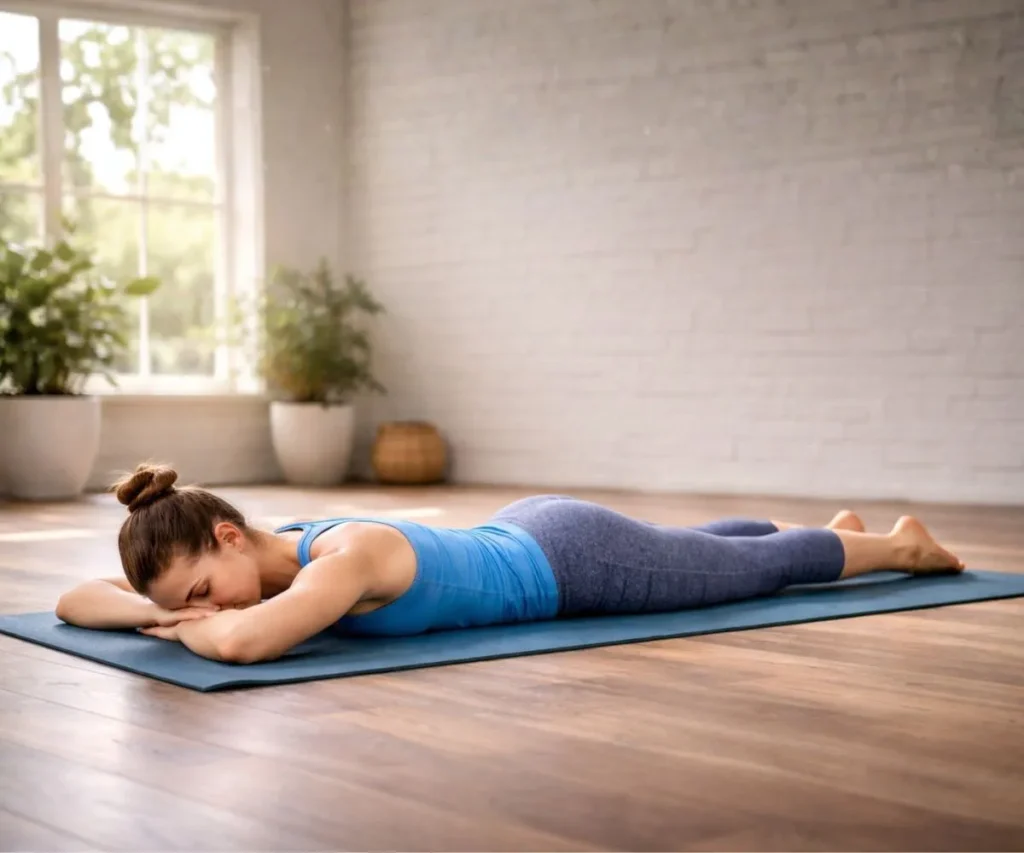
When you lie face down in poses like Bhujangasana (Cobra) or Salabhasana (Locust), gravity pulls your torso toward the earth. To lift up, you must actively engage your back muscles. However, the most common mistake in these poses is dumping weight into the lower back. This is why prone alignment cues for cobra and locust poses always emphasize core stabilization. By drawing the navel toward the spine, you prevent an exaggerated anterior pelvic tilt, which protects the lumbar vertebrae from compression.
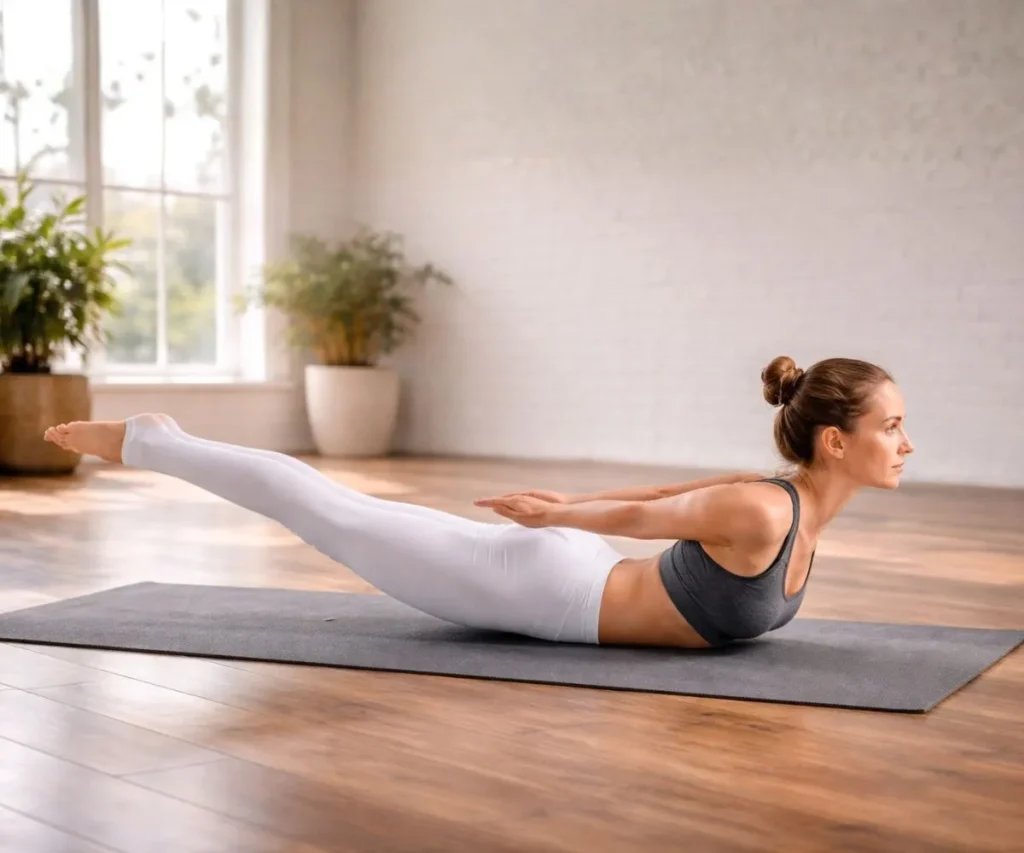
In Locust Pose, the challenge increases as you lift both the upper and lower body. Focusing on length rather than height is key. Reach through your toes and the crown of your head to create space in the joints. This practice of preventing lower back pain in prone yoga poses is essential for building a resilient spine. By strengthening the muscles that support the spinal column, you create a natural corset that improves your posture even when you are off the mat.
Supine Poses: Spinal Decompression and Recovery
While prone poses are about effort and strengthening, yoga poses in supine position are often about release and restoration. In a supine orientation, the floor provides full, even support for the length of your back. This allows the musculoskeletal system to relax, making it the ideal position for spinal decompression.
The benefits of supine yoga poses for spinal alignment are vast. In Savasana (Corpse Pose), the spine can return to its anatomical neutral without the strain of supporting the body's weight. This position is frequently used to manage conditions like sciatica or high blood pressure because it encourages the body to enter a parasympathetic state—the "rest and digest" mode.
Furthermore, breathing techniques for supine vs prone yoga alignment differ significantly. In a supine position, the belly is free to expand, which facilitates deep diaphragmatic breathing. This style of breathing not only oxygenates the blood more efficiently but also sends signals to the brain to lower stress levels. For many, the floor acts as a tactile feedback tool, helping them feel where their ribs expand and where they might be holding tension.
The Blueprint Principle: Master Your Alignment Rules
To truly master your form, you must understand the concept of a blueprint pose. In yoga, Tadasana (Mountain Pose) is the blueprint for all alignment. Whether you are standing, prone, or supine, the goal is often to maintain a neutral spine.
How gravity affects alignment in supine vs prone positions changes your "rooting" point. In a supine pose, your "feet" might be the back of your skull, your shoulder blades, and your sacrum. In a prone pose, your "root" is your pubic bone and the tops of your feet. Regardless of the orientation, four golden rules apply:
- Stacking Joints: Keep your shoulders away from your ears and your neck long.
- Lengthening the Spine: Imagine a string pulling the crown of your head away from your tailbone.
- Engaging the Core: Use your abdominal muscles to support the mid-section.
- Rooting Down: Press firmly into whatever part of your body is touching the floor to create stability.
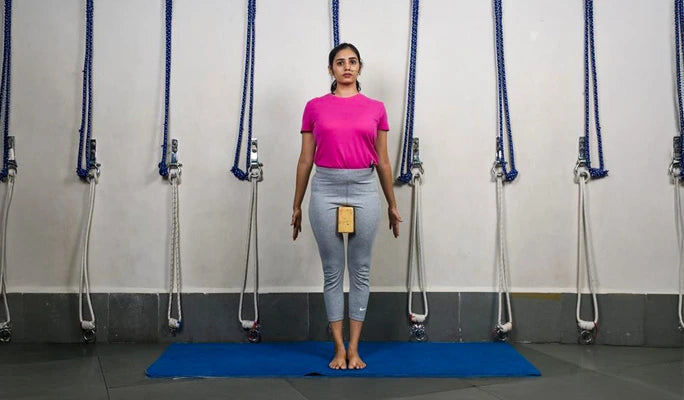
By applying this anatomical yoga form guide, you develop proprioception—the ability to sense where your body is in space. This awareness is what prevents injury and ensures that a pose is therapeutic rather than harmful.
Clinical Evidence: Yoga for Back Health
The benefits of alternating between prone vs supine orientations are backed by significant clinical research. For those struggling with back issues, yoga offers a path to recovery that often outperforms standard care. In a study of women with nonspecific low back pain, a four-week yoga program focusing on supine and gentle prone positions reduced average pain scores by more than half, dropping from 6.8 to 3.3 on a 10-point scale.
The therapeutic value lies in the balance. While supine poses provide immediate relief and decompression, prone poses build the long-term strength necessary to prevent pain from returning. This dual approach is why yoga is increasingly recommended by physical therapists and doctors worldwide.
Troubleshooting: The Mistake-Fix Guide
Even with the best intentions, it is easy to fall into common postural traps. Use the table below to diagnose and correct your form during your next practice.
| Common Mistake | Why It Matters | Sensory Fix |
|---|---|---|
| Pinching in the lower back (Prone) | Causes compression of the lumbar discs. | Engage your glutes and draw your navel away from the mat. |
| Collapsing shoulders (Prone) | Increases tension in the neck and upper back. | Broaden the collarbones and pull the shoulder blades down the back. |
| Arching the neck too high (Prone) | Compresses the cervical spine and restricts breath. | Keep your gaze at the top of the mat; keep the back of the neck long. |
| Lower back lifting off the floor (Supine) | Indicates a tight hip flexor or weak core. | Gently tuck your tailbone or place a folded blanket under your knees. |
| Chin tilting toward the ceiling (Supine) | Strains the neck and creates a "shallow" breath. | Slightly tuck the chin toward the chest to lengthen the back of the neck. |
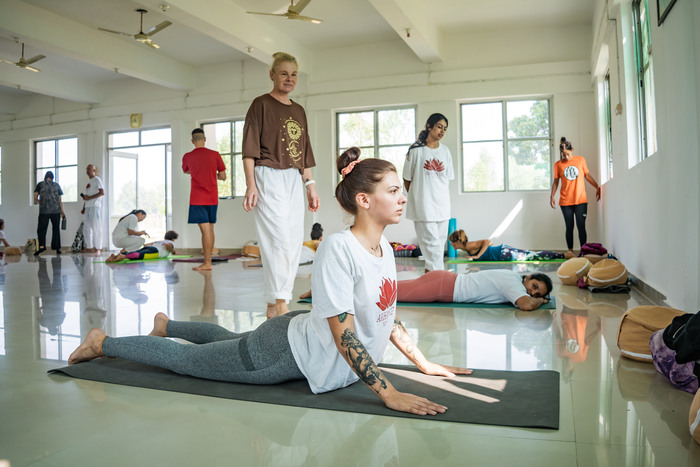
Developing a sense of proprioception through these adjustments is key to a sustainable practice. If you feel a "pinching" sensation, it is a signal to back off and re-engage your core stabilization. If you feel "opening" or "engagement," you are likely on the right track.
FAQ
What is the difference between prone and supine positions?
The primary difference is the orientation of the face and torso. Prone means you are lying face down, typically on your stomach. Supine means you are lying face up, resting on your back. In yoga, these positions change which muscle groups are working against gravity.
Does prone mean face up or face down?
Prone means face down. In a prone position, your chest and belly are toward the floor. An easy way to remember this is that you are "prone" to seeing the ground.
What is an easy way to remember prone vs supine?
Use the "Supine = Spine" mnemonic. If you are lying on your spine, you are in a supine position. For prone, you can think of being "pro" (down) on the mat.
Is it safer to lie prone or supine?
Neither is inherently "safer," as both serve different anatomical purposes. However, supine positions are generally more accessible for beginners because the floor supports the entire spine, making it easier to maintain a neutral alignment. Prone positions require more active core engagement to protect the lower back.
Is prone or supine better for lower back pain?
Both have benefits, but they serve different roles. Supine poses are excellent for immediate pain relief and decompression. Prone poses are better for strengthening the back muscles to prevent future pain. A balanced routine including both is usually the most effective approach for long-term health.
Can you breathe better in a prone or supine position?
Generally, diaphragmatic breathing is easier in a supine position because the abdomen can expand freely without the resistance of the floor. However, some restorative prone poses, like Crocodile Pose, can actually help people become more aware of their posterior (back) breath.
Mastering the transition between prone vs supine positions is a journey of anatomical discovery. By paying attention to how gravity shifts your weight and how your core stabilizes your spine, you transform a simple physical exercise into a sophisticated tool for health and longevity. Try incorporating one prone backbend and one supine twist into your routine today, and notice how each one changes your perspective on alignment.