Quick Facts
- Caloric Burn: 400–900 kcal/hr depending on load, pace, and terrain.
- Joint Stress: Peak forces are approximately 1.8 times body weight for rucking compared to 5 times for running.
- Muscle Focus: Targets the posterior chain (glutes, hamstrings, calves) and core stabilization.
- Best For: Low-impact metabolic conditioning, building functional strength, and Zone 2 aerobic base training.
- Safety Threshold: Beginners should start with 10% of their body weight and never exceed one-third of their body weight for general fitness.
- Bone Health: Significant benefits for bone density due to the consistent axial loading of the skeleton.
The primary difference between rucking vs running lies in joint impact and muscle engagement. While running involves a high-impact flight phase, rucking is a low-impact activity where one foot remains on the ground, offering the benefits of weighted walking over running for those seeking functional strength without the wear and tear of repetitive pounding.
The Impact Gap: rucking vs running joint impact on knees
For many athletes, the decision between rucking vs running comes down to longevity. Running is a high-impact sport by definition. Every time your foot strikes the pavement, you are dealing with a flight phase—a moment where both feet are off the ground. When you land, your joints must absorb ground reaction forces. Research shows that running generates peak impact forces of roughly five times an individual's body weight on the knees. For a 200-pound runner, that is half a ton of force moving through the ankle, knee, and hip with every single stride.
Rucking changes the mechanical equation entirely. Because it is essentially weighted walking, you eliminate the flight phase. One foot is always in contact with the ground. This transition from a series of small jumps (running) to a continuous stride (rucking) drastically reduces the peak load on your cartilage and connective tissues. In fact, rucking produces significantly lower forces of approximately 1.8 times body weight.
This makes rucking vs running joint impact on knees a clear victory for the weighted pack if you are recovering from an injury or dealing with chronic inflammation. In the world of sports science, we look at "Load vs. Capacity." If your knee capacity is diminished by age or previous surgery, the high-impact load of running may exceed your capacity, leading to overuse injuries. Rucking allows you to maintain a high metabolic demand while keeping the mechanical stress well within your structural capacity.

The safety profile is backed by longitudinal data. A year-long study of 451 soldiers conducted by the University of Pittsburgh found that running was responsible for 18 reported exercise injuries, while rucking accounted for only three. This suggests that rucking serves as a form of "pre-hab," building tendon resilience and muscular endurance without the high risk of acute trauma associated with sprinting or long-distance road work.
Metabolic Demand: rucking vs running calories burned per hour
One common misconception is that you have to move fast to burn significant energy. In the rucking vs running debate, running is often viewed as the calorie-burning king because of its higher intensity. However, when you add a external load, the metabolic demand shifts dramatically.
Military scientists use the Pandolf Equation to calculate the energy expenditure of load carriage. This formula accounts for body weight, the weight of the pack, the speed of movement, and the grade of the terrain. When you apply this to civilian fitness, the results are staggering. Rucking typically burns between 500 and 900 calories per hour, which is approximately two to three times the caloric expenditure of walking at an equivalent pace.
For a 150-pound person, carrying a 20-pound pack at a brisk walking pace can result in 400 to 500 calories burned per hour. If you increase the weight or head for the hills, those numbers climb even higher. This creates an interesting opportunity for rucking vs running for zone 2 cardio. Zone 2 training—staying at 60-70% of your maximum heart rate—is the "goldilocks zone" for mitochondrial health and fat oxidation. While many people struggle to keep their heart rate down while running, rucking naturally keeps you in Zone 2. You get the metabolic benefits of a long run without the extreme heart rate elevation that can lead to overtraining.
| Metric | Running (6 mph) | Rucking (3.5 mph, 30lb pack) |
|---|---|---|
| Calories/Hr (180lb person) | ~800 kcal | ~650 kcal |
| Primary Energy System | Aerobic/Anaerobic | Aerobic (Zone 2) |
| Impact Force | 5x Body Weight | 1.8x Body Weight |
| Average Heart Rate | 150-170 bpm | 120-140 bpm |
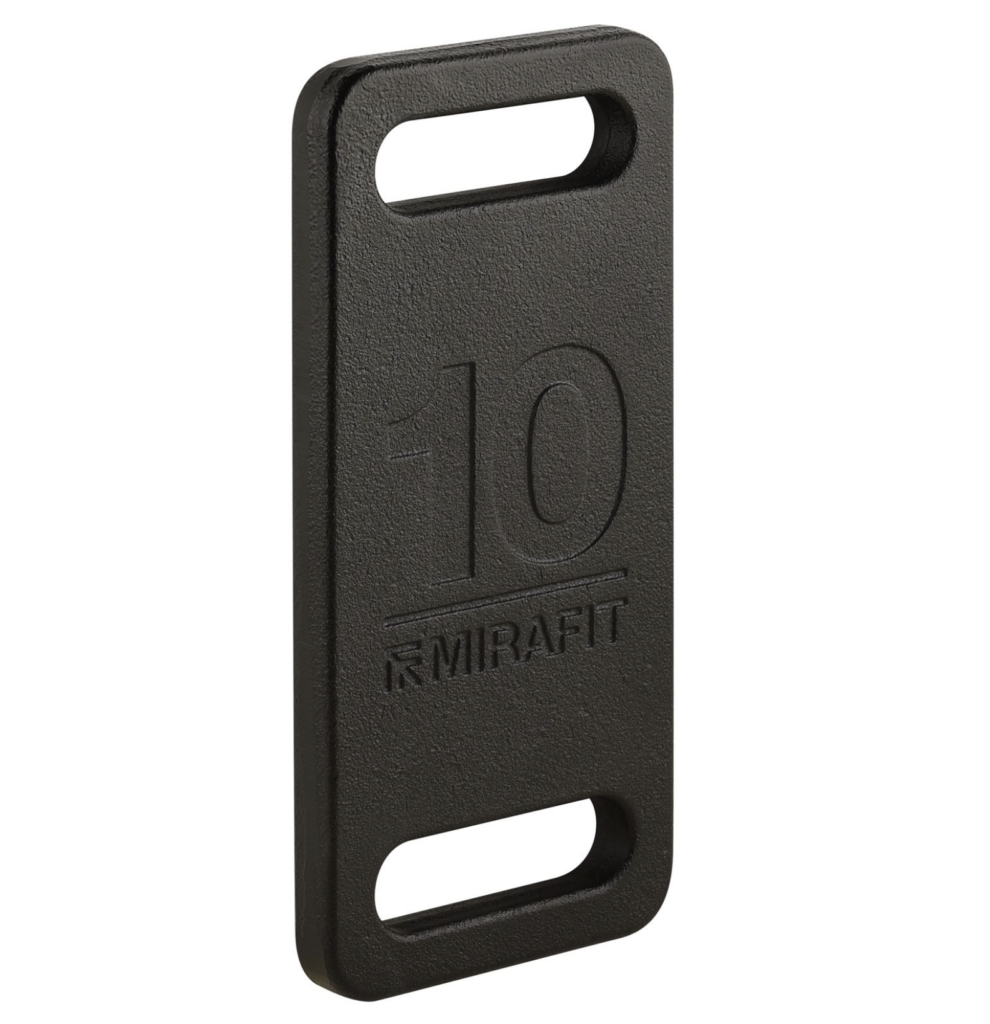
When comparing rucking vs running calories burned per hour, running will always win on a minute-for-minute basis if you are sprinting or running at high speeds. But most people cannot sustain a 9-minute mile for two hours. They can, however, ruck for two hours. This makes rucking a more sustainable tool for total weekly caloric deficit and long-term weight management.
Strength and Posture: Beyond Aerobic Base
Running is largely a lower-body cardiovascular activity. Rucking, by contrast, is a full-body structural challenge. The presence of a rucksack or weighted vest necessitates constant core stabilization to keep the body upright against the rearward pull of the load. This creates a unique blend of cardiovascular conditioning and functional strength.
The primary beneficiaries are the muscles of the posterior chain. Your glutes, hamstrings, and spinal erectors must work overtime to stabilize the weight. Furthermore, the weight on your shoulders forces an "active" posture. Unlike the common runner's slouch, where fatigue causes the chest to collapse and the head to crane forward, rucking requires you to pull your shoulders back and engage your upper traps.
There is also the critical factor of bone health. As we age, maintaining bone mineral density becomes vital for preventing fractures. While running provides some osteogenic stimulus, the consistent, heavy axial loading of rucking is far superior. The bone density benefits of rucking vs running are particularly relevant for masters-level athletes. By carrying weight, you signal to your osteoblasts to lay down more bone mineral, effectively armor-plating your skeleton.

This structural strength is why rucking vs running for building functional strength is a common topic in tactical fitness circles. Rucking builds "work capacity"—the ability to move a load over distance—which translates much better to real-world tasks like carrying groceries, hiking with kids, or moving furniture than pure road running does.
Tactical Guide: how to transition from running to rucking safely
If you are a regular runner looking to pivot, do not simply throw 50 pounds in a backpack and head out for six miles. The transition requires a protocol-specific approach to ensure your connective tissues adapt to the new load carriage demands.
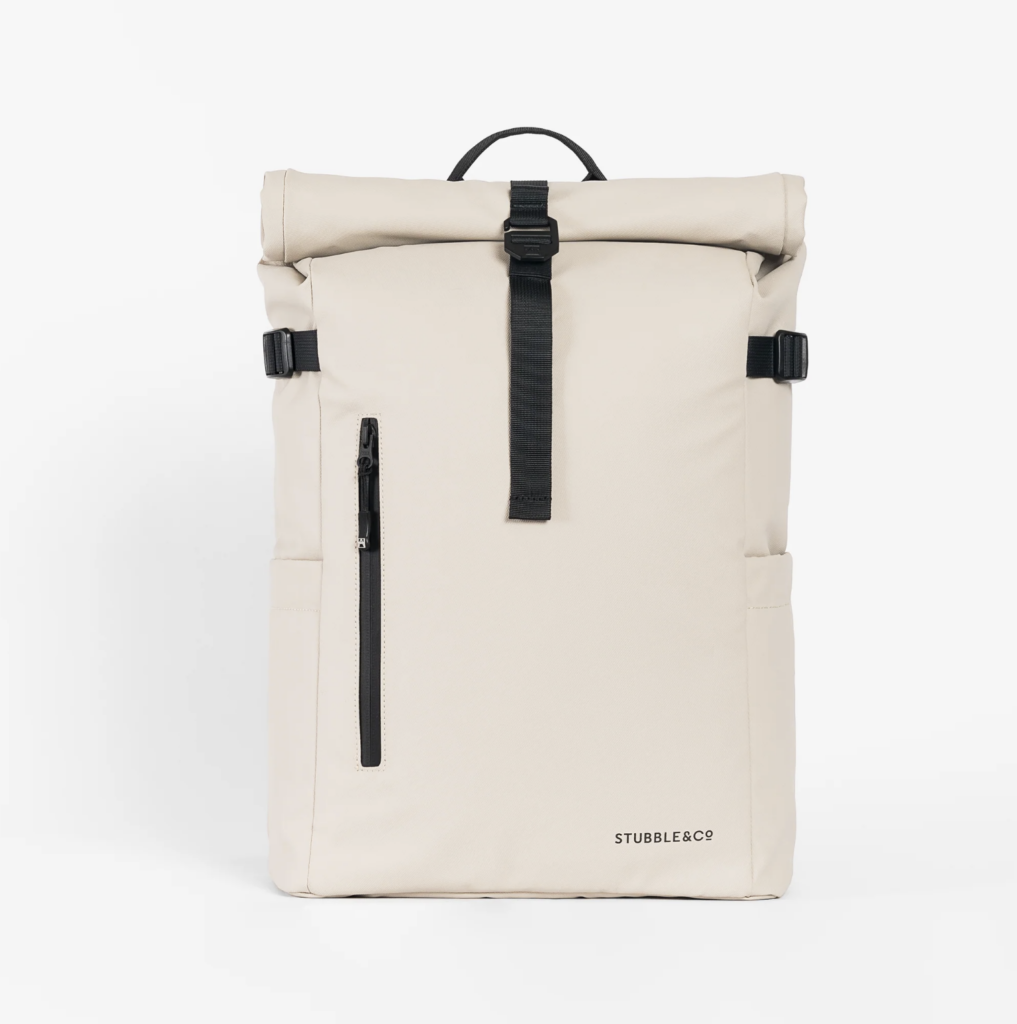
- The 10% Rule: Start your first ruck with a weight equal to roughly 10% of your body weight. If you weigh 180 pounds, an 18-to-20-pound load is your baseline.
- The 1/3 Limit: According to military standards, specifically Col. Marshall’s guidelines, you should rarely exceed 30-33% of your body weight for general conditioning. Pushing beyond this increases the risk of stress fractures and spinal compression.
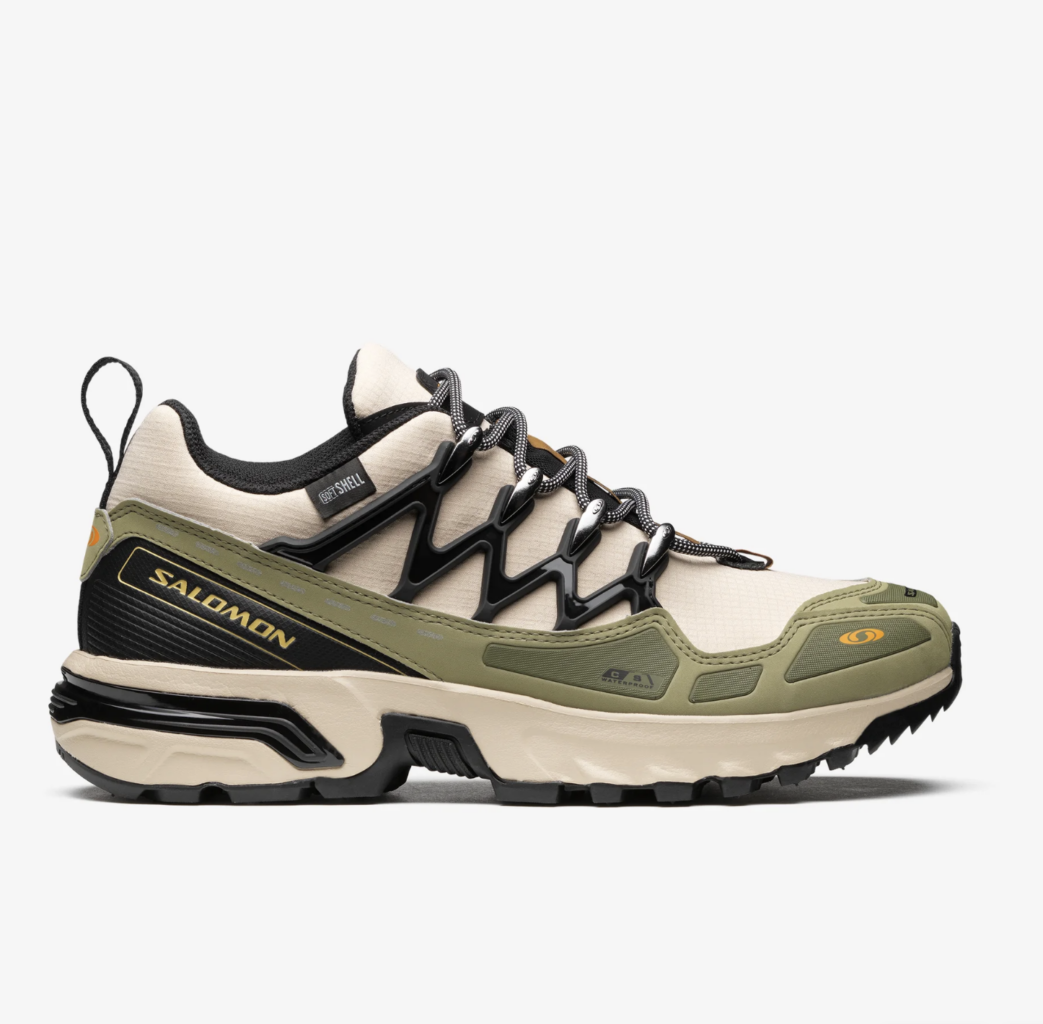
- Footwear and Friction: Running shoes are designed for forward propulsion and impact absorption. Rucking shoes or boots need more lateral stability to handle the added weight. Ensure you wear high-quality wool socks to prevent the blisters that often occur when your feet spread under load.
- Pack Placement: The weight should be high and tight against your back. A weight that sits too low will pull on your shoulders and strain your lower back.
To learn how to transition from running to rucking safely, consider a hybrid approach. Replace one of your weekly recovery runs with a "weighted walk." Over four to six weeks, you can gradually increase the weight while decreasing your running volume. This allows your ankles and feet to toughen up without the sudden shock of a total training overhaul.
A sample hybrid schedule might look like this:
- Monday: 3-mile Run (Tempo)
- Tuesday: 45-minute Ruck (10% body weight)
- Wednesday: Strength Training (Lower Body focus)
- Thursday: 3-mile Run (Easy)
- Friday: 60-minute Ruck (15% body weight)
- Saturday: Active Recovery or Long Hike
FAQ
Is rucking better for weight loss than running?
Rucking can be more effective for long-term weight loss because it is easier to sustain for longer durations and burns significantly more calories than walking. While high-intensity running burns more per minute, rucking allows for a higher total weekly volume of work with less risk of injury or burnout.
Is rucking easier on joints than running?
Yes, rucking is significantly easier on the joints. By eliminating the high-impact flight phase of running, rucking reduces the peak ground reaction forces on your knees and ankles from 5 times your body weight down to approximately 1.8 times.
Can rucking replace running for fitness?
Rucking can absolutely replace running as your primary cardiovascular tool, especially if your goals are centered around functional strength, bone density, and metabolic health. However, if your goal is to improve your mile time or participate in marathons, running remains a necessary specific stimulus.
Does rucking build more muscle than running?
Rucking builds more muscle than running, particularly in the glutes, hamstrings, calves, and core. Because it involves carrying resistance, it acts as a form of "strength-aerobics," providing a stimulus for muscular endurance and hypertrophy that pure running lacks.
Is rucking a better cardio workout than running?
Rucking is often a "smarter" cardio workout because it keeps the heart rate in the optimal Zone 2 range for longer periods. It builds a massive aerobic base while simultaneously improving structural integrity, making it a more comprehensive fitness tool for the average person.
Whether you choose rucking vs running depends on your specific performance goals. If you want to be a podium-finishing marathoner, you need to run. But if you want to be a resilient, lean, and functionally strong individual with joints that last a lifetime, it might be time to put on the pack. Start light, focus on your posture, and enjoy the metabolic burn of the trail.