Quick Facts
- Weight Support: Water buoyancy supports up to 90% of body weight when submerged to the neck, eliminating joint compression.
- Natural Resistance: Moving through water provides 12x the resistance of air, allowing for muscle building without heavy weights.
- Ideal Temperature: Water between 82°F and 90°F is recommended to promote muscle relaxation and soothe stiff joints.
- Proven Pain Relief: Aquatic exercise has been shown to produce a 0.61-point reduction in pain compared to no exercise.
- Anti-Inflammatory Physics: Hydrostatic pressure naturally reduces swelling and offers a gentle analgesic effect for chronic conditions.
- Lower Risk: Regular swimmers show a lower prevalence of radiographic knee osteoarthritis compared to non-swimmers.
Swimming for arthritis is highly effective because the buoyancy effect supports up to 90% of your body weight, significantly reducing stress on inflamed joints while allowing for cardiovascular conditioning. By utilizing low-impact water exercises for joint pain, individuals can improve their range of motion and strengthen supporting muscles without the jarring impact associated with land-based activities.
The Physics of Relief: Why Water Works
For many living with chronic joint pain, the simple act of walking can feel like a marathon of discomfort. This is where the unique physics of the aquatic environment changes the game. When you step into a pool, you are not just entering a different medium; you are entering a space where the rules of gravity are rewritten. The primary mechanism at play is the buoyancy effect. By supporting the vast majority of your body weight, water allows for non-weight-bearing movement that is virtually impossible on land. This suspension alleviates the mechanical stress on the hips, knees, and spine, creating a window of opportunity for exercise that would otherwise be too painful to perform.
Beyond buoyancy, hydrostatic pressure plays a critical role in managing symptoms. As you submerge, the water exerts equal pressure on all parts of the body. This pressure acts much like a high-tech compression sleeve, helping to reduce inflammation and edema in swollen joints. It also provides a sensory "masking" effect; the constant tactile input of water against the skin can actually dampen the transmission of pain signals to the brain, providing a natural analgesic effect.
Finally, we must consider fluid resistance and viscosity. Unlike lifting a dumbbell, where the resistance is gravity-dependent and unidirectional, water offers resistance in every direction you move. This allows for total-body conditioning. Because water is much denser than air, even a slow walk across the pool floor engages the core and stabilizing muscles. This resistance is proportional to the effort you apply—the harder you push, the more the water pushes back—making it a self-regulating environment perfect for those dealing with fluctuating levels of joint flexibility.
Best Swimming Strokes for Joint Health
Not all swimming strokes are created equal when it comes to managing arthritis. The goal is to maximize cardiovascular output while maintaining neutral joint alignment. For most patients, linear movements are superior to rotational ones. Linear strokes keep the limbs moving in a relatively straight plane, which minimizes the shearing forces that can irritate a sensitive joint capsule.
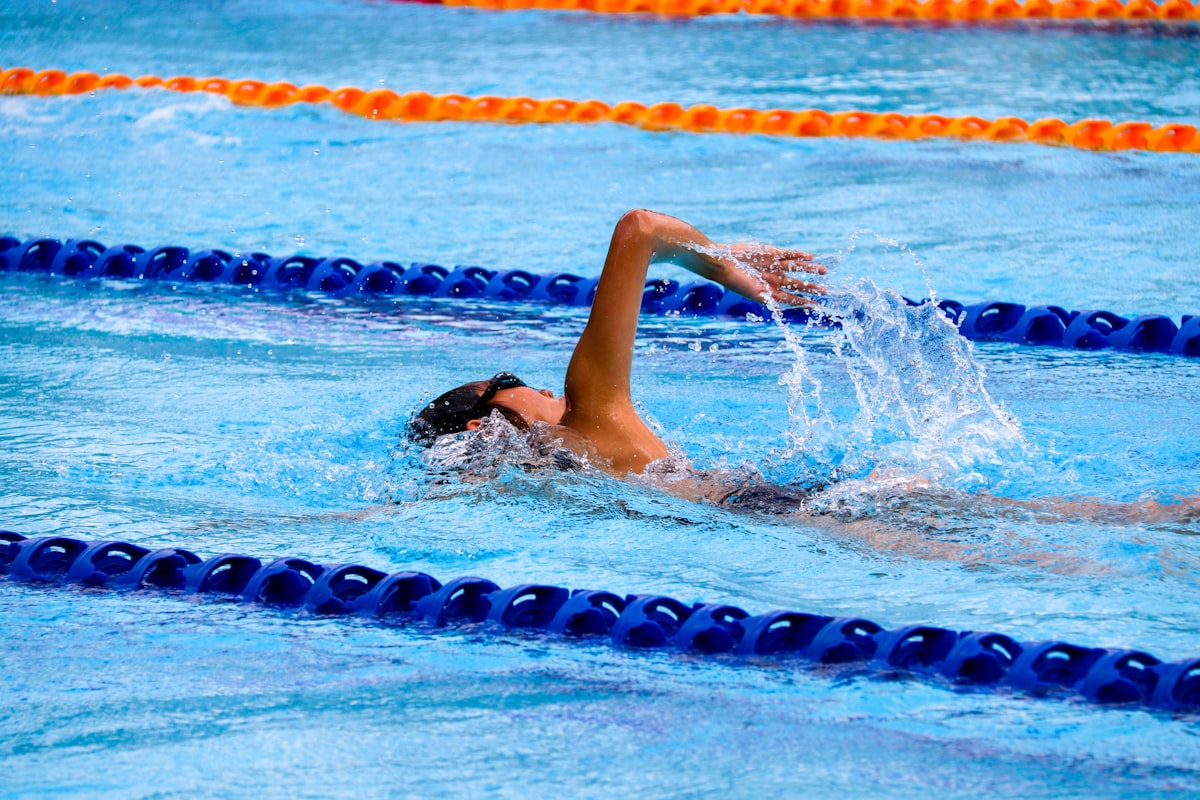
The backstroke is often cited as one of the best swimming strokes for joint health, particularly for those with spinal arthritis or shoulder impingement. It encourages an open chest and a neutral spine, helping to counteract the "slumping" posture often adopted by those in chronic pain. Similarly, the freestyle (front crawl) is excellent for maintaining a full range of motion in the shoulders and hips. However, it requires proper technique; a high-elbow recovery and smooth hip rotation are essential to avoid repetitive strain.
When considering the best swimming strokes for rheumatoid arthritis, the emphasis shifts slightly toward gentle, repetitive movements that do not overstress the small joints of the hands or the delicate structures of the neck. In these cases, using a snorkel can be a game-changer, as it removes the need to rotate the neck for breathing, allowing the swimmer to focus entirely on their stroke mechanics and joint comfort.
| Stroke Type | Safety Rating | Best For | Why? |
|---|---|---|---|
| Backstroke | High | Spine, Shoulders | Maintains neutral alignment and opens the chest. |
| Freestyle | High | General Cardio | Excellent for range of motion; use a snorkel to protect the neck. |
| Sidestroke | Medium | Hip/Knee Relief | Low intensity, but asymmetrical; must switch sides frequently. |
| Breaststroke | Low | Avoid for Knees | The "whip kick" can cause significant rotational stress on the knees. |
Expert PT Tip: If you have knee or hip osteoarthritis, be very cautious with the breaststroke. The lateral rotation required for the kick can aggravate the joint lining. Stick to a flutter kick or use a pull buoy to keep your legs stationary while you focus on your upper body.
Beyond Laps: Aquatic Rehabilitation Exercises
You do not need to be a competitive swimmer to reap the benefits of the pool. In fact, some of the most effective aquatic rehabilitation exercises for hip arthritis don’t involve traditional swimming at all. For those with limited mobility, vertical exercises in the shallow end provide a bridge to higher activity levels.
Water walking vs swimming for knee arthritis is a common debate. While swimming is better for pure cardiovascular endurance, water walking is often superior for functional stability. Walking forward, backward, and sideways in waist-deep water forces the glutes and core to stabilize the body against the current. This builds the strength necessary for daily activities like climbing stairs or getting out of a chair.
The Aquatic Difficulty Ladder
- Beginner: Water Walking & Range of Motion
- Focus on taking long, purposeful strides. Use the arms to "paddle" and increase resistance.
- Gentle leg swings and arm circles to lubricate the joints.
- Intermediate: Resistance Training
- Pool Lunges: Step forward into a lunge, letting the water support your weight. This targets the quads and glutes with minimal knee shear.
- Foam Dumbbells: Use buoyant weights to perform bicep curls and lateral raises underwater. The resistance is felt most when pushing the weights down against the water's buoyancy.
- Advanced: Deep-Water Conditioning
- Deep-Water Cycling: Using a pool noodle or flotation belt, mimic a cycling motion in the deep end. This provides a zero-impact workout that significantly boosts heart rate.
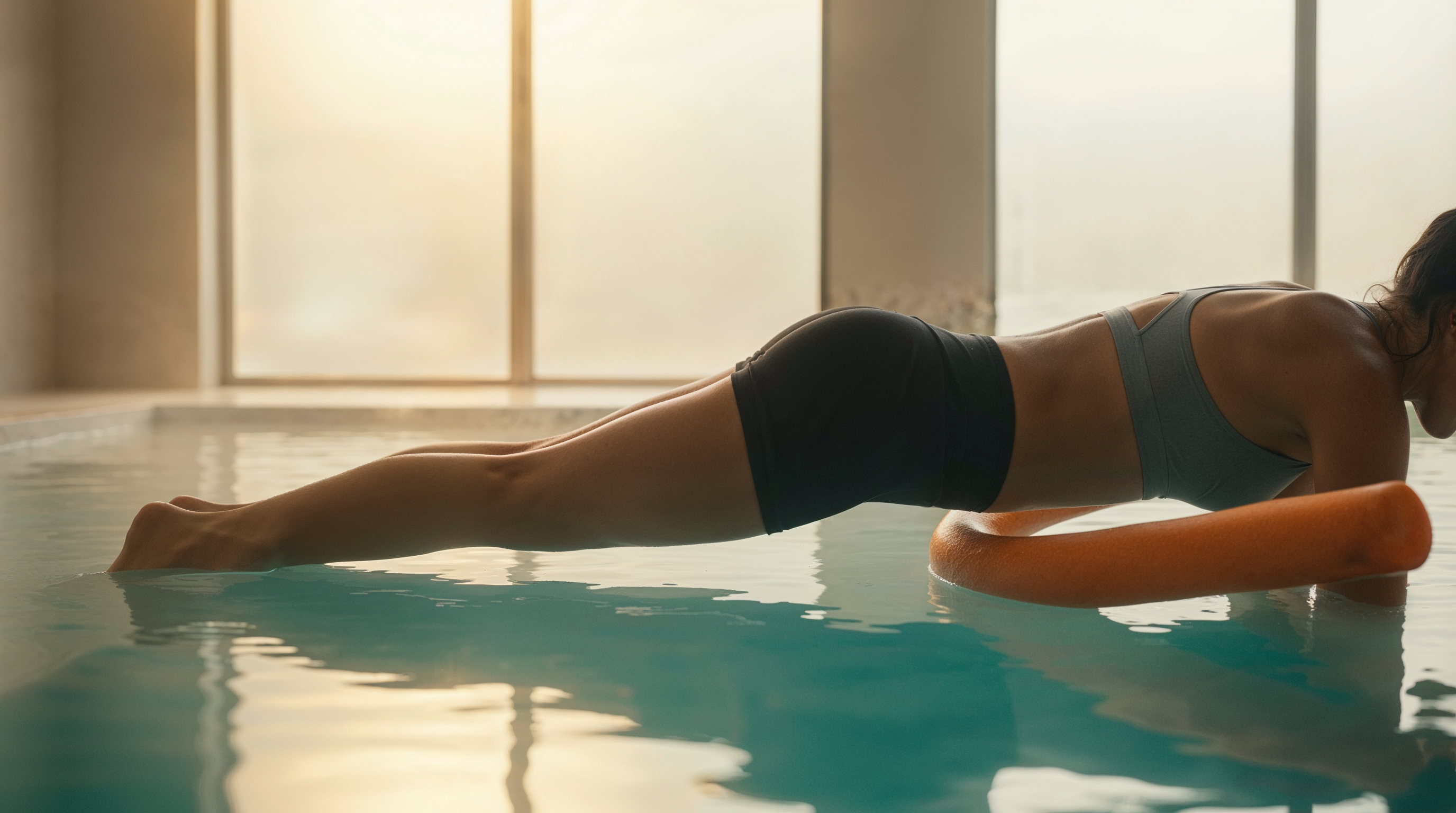
- Pool Planks: Holding a noodle in front of you, lean forward into a plank position. The instability of the water forces the core to work overtime.
Designing Your Swimming Routine for Arthritis Management
Consistency is the cornerstone of any successful intervention. For those managing arthritis, the goal is to find a swimming frequency for arthritis relief that challenges the heart without causing a "flare-up" the following day. A well-structured swimming routine for arthritis management typically starts with a slow acclimation phase.
Temperature is your first priority. While a standard competitive pool is often kept around 78°F, individuals with arthritis usually require a warmer environment. Seek out heated therapy pools, where the ideal pool temperature for arthritis swimming is typically between 82°F and 90°F. The warmth helps to increase blood flow to the muscles and makes the connective tissues more pliable, reducing the risk of injury during the session.

The clinical evidence for this approach is robust. A 2025 systematic review of data from 756 participants showed that aquatic exercise produced a 0.61-point reduction in pain compared to no exercise and was significantly more effective than land-based alternatives. Furthermore, the long-term benefits are clear: a study found that a history of swimming is associated with a lower prevalence of radiographic knee osteoarthritis at 54.4%, compared to 60.3% for individuals with no history of swimming.
A Sample 12-Week Progression
- Weeks 1-4: Focus on frequency over duration. Aim for 20 minutes, 3 times a week. Use this time for water walking and basic stretching in a heated pool.
- Weeks 5-8: Increase duration to 30-40 minutes. Introduce interval training, such as 2 minutes of brisk walking followed by 1 minute of easy treading.
- Weeks 9-12: Incorporate swimming laps using safe strokes like the backstroke. Monitor joint flexibility and adjust intensity based on morning stiffness levels.
FAQ
Is swimming the best exercise for arthritis?
Many experts consider swimming the gold standard for arthritis exercise because it combines cardiovascular conditioning with near-zero impact. While land-based exercises like walking or cycling are also beneficial, the buoyancy of water provides a level of joint protection that is unmatched, making it accessible even during painful flares.
Is a heated pool better for arthritis pain?
Yes, a heated pool is significantly better for arthritis management. Warm water (between 82°F and 90°F) helps to relax muscles, decrease joint stiffness, and improve circulation. Cold water can sometimes cause muscles to tense up, which may increase joint pressure and discomfort for those with chronic pain.
What swimming strokes are best for joint pain?
The backstroke and freestyle are generally the best choices because they promote long, linear movements and neutral spinal alignment. These strokes allow for a full range of motion in the shoulders and hips without the awkward twisting or jarring movements found in more complex strokes.
Are there specific swimming strokes to avoid with arthritis?
Individuals with knee or hip arthritis should generally avoid the breaststroke, specifically the "whip kick" or "frog kick." This motion involves a rapid outward rotation of the legs that can put excessive strain on the medial ligaments of the knee and the hip socket. If you enjoy the breaststroke, try using a flutter kick instead.
How often should you swim for arthritis relief?
For most people, a frequency of three to four times per week is ideal. This allows for consistent joint lubrication and muscle strengthening while providing rest days for recovery. Start with shorter sessions of 15 to 20 minutes and gradually increase your time as your endurance and comfort levels improve.

Start Your Aquatic Journey
Embracing the water is about more than just physical therapy; it is about reclaiming the freedom of movement that arthritis so often tries to steal. The psychological benefit of feeling weightless and moving without pain cannot be overstated. By focusing on the buoyancy effect and utilizing the right strokes, you can transform the pool into a sanctuary for both your joints and your mind.
Before you dive in, remember to listen to your body. Arthritis is a dynamic condition, and your routine should reflect that. Some days may be for vigorous laps, while others are for gentle water walking in a warm therapy pool. Consult with a physical therapist to tailor these aquatic rehabilitation exercises for hip arthritis or other specific needs. With the right approach, the water isn't just a place to swim—it's the ultimate tool for a more mobile, less painful life.