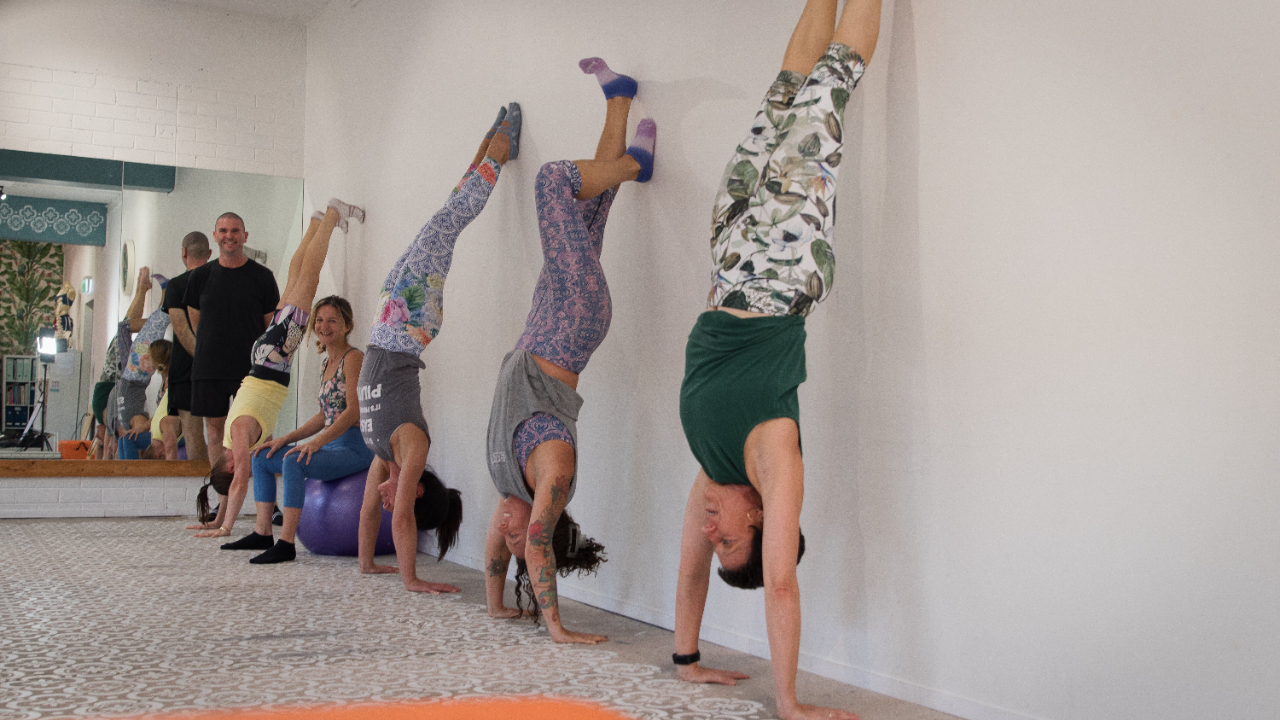
Quick Facts
- Daily Duration: 15-20 minutes, typically integrated into an evening wind-down.
- Core Goal: Facilitating parasympathetic activation and nervous system regulation to manage stress.
- Primary Poses: Simple, accessible movements including Cat-cow, Child’s Pose, and Legs Up the Wall.
- Scientific Benefit: Research indicates regular practice supports improved fluid cognitive function and significant cortisol reduction.
- Consistency Rule: Utilization of the 10-minute rule to lower the barrier to entry for daily practice.
- Physical Health: Combines gentle spinal mobility with strength training to support bone health and long-term flexibility.
Tess Daly utilizes a 15-minute restorative yoga routine as a non-negotiable evening ritual to reset her nervous system and manage the stresses of her television career. This low-impact exercise for longevity focuses on spinal mobility and grounding techniques to prepare the body for restful sleep.
Tess Daly’s Non-Negotiable Evening Ritual
In the high-pressure world of live television, finding a moment of stillness isn't just a luxury; it is a clinical necessity for hormonal health. For Tess Daly, the veteran presenter of Strictly Come Dancing, maintaining her radiant energy requires a dedicated commitment to mental and physical recovery. Tess Daly incorporates yoga into her daily health routine, often practicing for 15 to 20 minutes to improve flexibility and manage mental stress. This ritual acts as a bridge between the chaotic demands of her career and the restorative rest her body needs.
The television presenter typically performs two 20-minute yoga sessions per day, using one in the morning for focus and another in the evening to help clear her mind before sleep. For those of us juggling careers, family, and the biological shifts of our 40s and 50s, this approach is revolutionary. Instead of pushing for a grueling 60-minute session that might further spike cortisol, Tess leans into a shorter restorative yoga routine for mental reset. She often credits accessible digital resources, such as the 'Yoga with Adriene' YouTube channel, for helping her maintain consistency without the need for a commute to a studio.

By focusing on evening stretching for tension relief, Tess ensures that the physical manifestations of stress—tight shoulders, a clenched jaw, or a stiff lower back—are addressed before they can disrupt her circadian rhythm. This mindful practice signals to the brain that the day is over, allowing for a smoother transition into deep, reparative sleep.
The Science of Active Relaxation: Why It Works
From a clinical perspective, restorative yoga is far more than just "gentle stretching." It is a form of active relaxation that targets the autonomic nervous system. When we hold poses for longer durations with zero muscular effort, we encourage parasympathetic activation. This shift away from the "fight or flight" response is essential for muscle recovery and hormonal balance, particularly as we age.
Scientific Spotlight: A 2022 study on cognitive health highlighted that mindful, low-impact movements can significantly reduce systemic inflammation. By lowering cortisol levels through breathwork and stillness, women can protect their bone health and improve fluid cognitive function, which often feels compromised during perimenopause.
The focus on spinal mobility in a restorative yoga routine is particularly beneficial for women. As estrogen levels fluctuate, joint laxity and bone density become primary concerns. Engaging in low-impact exercise for longevity ensures that the connective tissues remain hydrated and the spine stays supple. Beyond her daily yoga practice, Daly maintains her physical health through two to three 60-minute personal training sessions per week that focus on strength and core stability. This combination of low-impact exercise for longevity and strength creates a sustainable fitness habit that protects the body from the inside out.
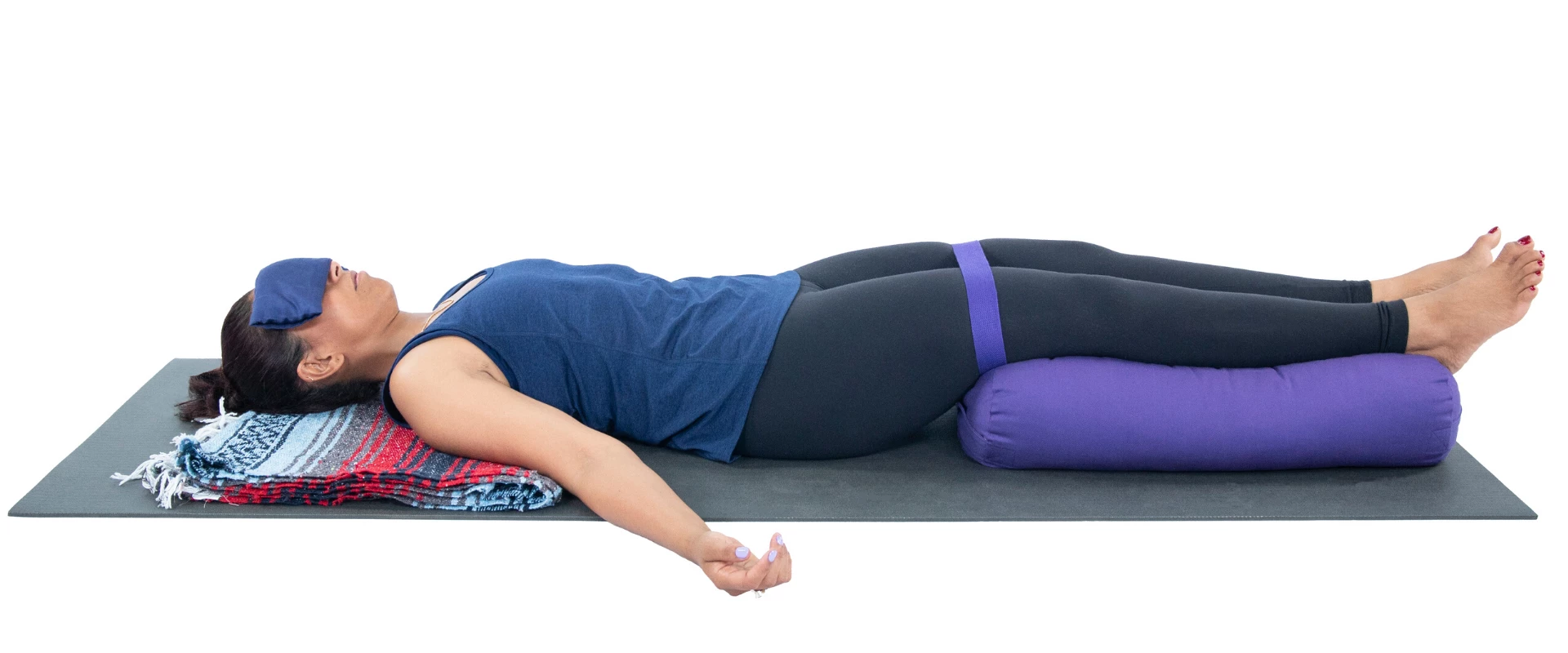
Step-by-Step: The 15-Minute Mindful Sequence
Creating your own 15-minute mindful yoga sequence doesn't require a studio or expensive equipment. It requires an intention to be present. This sequence is designed for evening stretching for muscle tension relief, but it can be adapted for any time you feel overwhelmed.
1. Centering with Breathwork
Before moving the body, it is vital to center the mind. Tess often starts with grounding techniques to detach from the day’s to-do list.
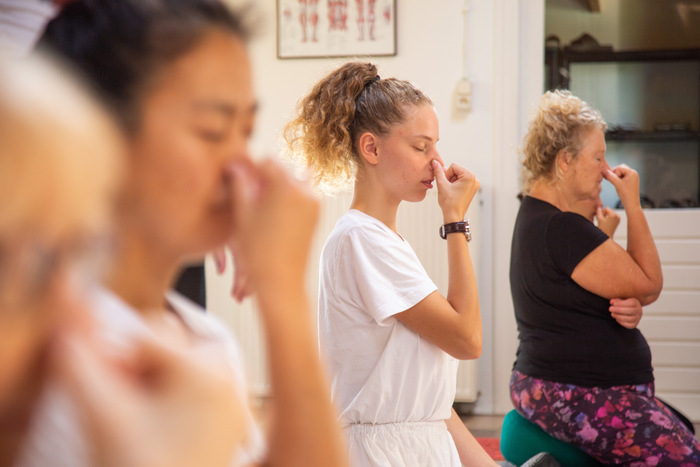
Use Nadi Shodhana (alternate nostril breathing) for two minutes. This practice balances the left and right hemispheres of the brain, promoting immediate nervous system regulation.
2. Cat-Cow for Spinal Mobility
Transition to all fours. As you inhale, drop your belly and look up; as you exhale, round your spine toward the ceiling. This simple bedside yoga poses for busy women helps release the "tech neck" and lower back stiffness associated with desk work and long days.
3. Child’s Pose (Balasana)
Lower your hips to your heels and stretch your arms forward. For a more restorative version, place a pillow under your chest. This pose is a cornerstone of any 15-minute mindful yoga sequence for beginners because it provides a sense of safety and internal focus.
4. Legs Up the Wall (Viparita Karani)
This is perhaps the most powerful pose for functional flexibility and recovery. Lie on your back and rest your legs vertically against a wall.
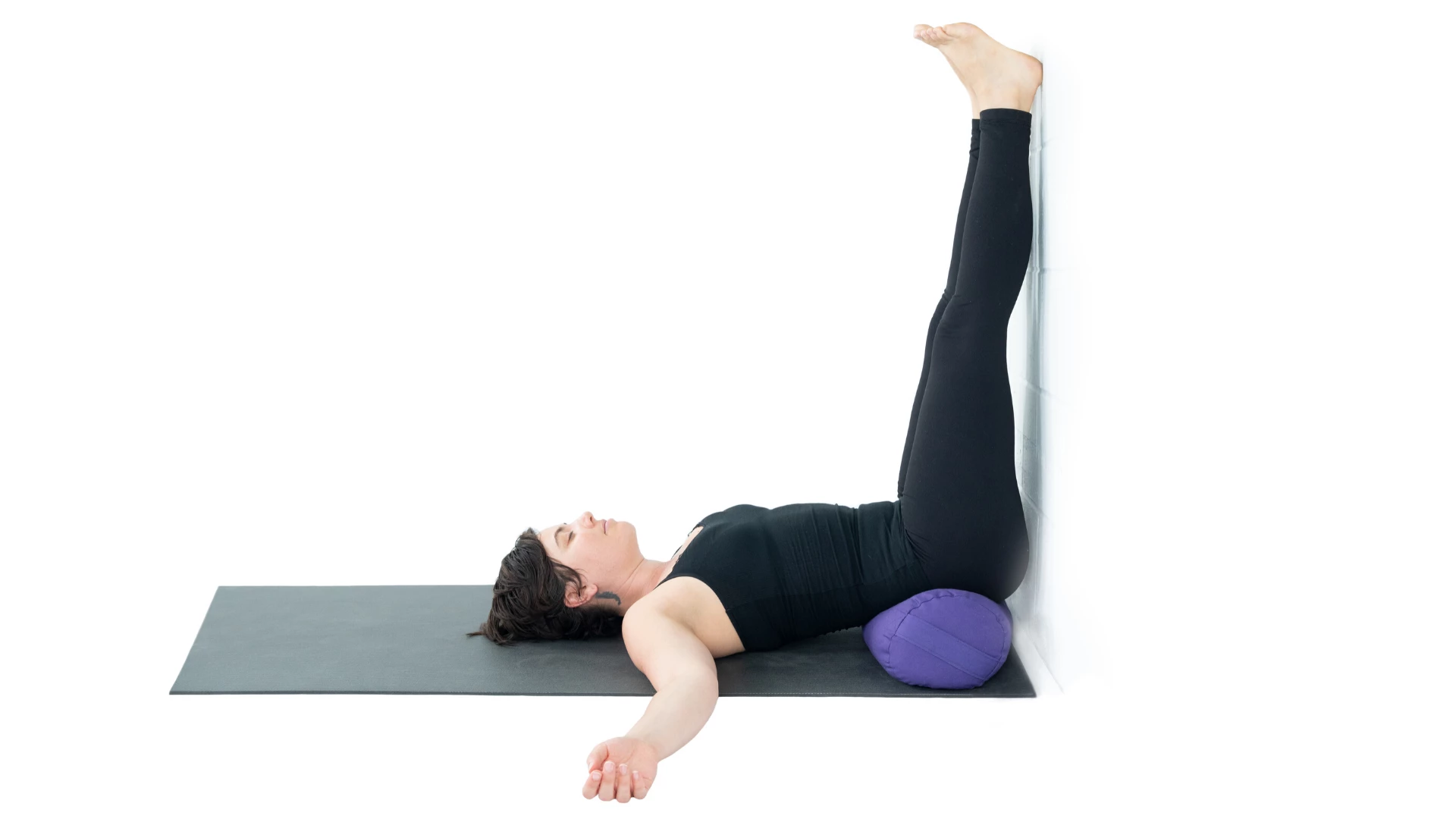
This pose encourages venous return, helps with lymphatic drainage, and provides a deep cortisol reduction. It is a non-negotiable for those who spend a lot of time on their feet.
Building Your Sustainable Home Yoga Habit
The biggest hurdle to wellness isn't a lack of information; it's a lack of consistency. Tess Daly’s success lies in her "little and often" philosophy. If you are wondering how to build a sustainable home yoga habit, start with the 10-minute rule. Commit to just 10 minutes of movement; usually, once you begin, the physical relief is so immediate that you will naturally want to continue for the full 15 or 20 minutes.
Prioritizing daily restorative yoga for flexibility and aging means creating a space that invites relaxation. Consider a digital detox during your practice—leave your phone in another room. Use grounding techniques like dimming the lights or using a lavender-scented eye mask to enhance the sensory experience.
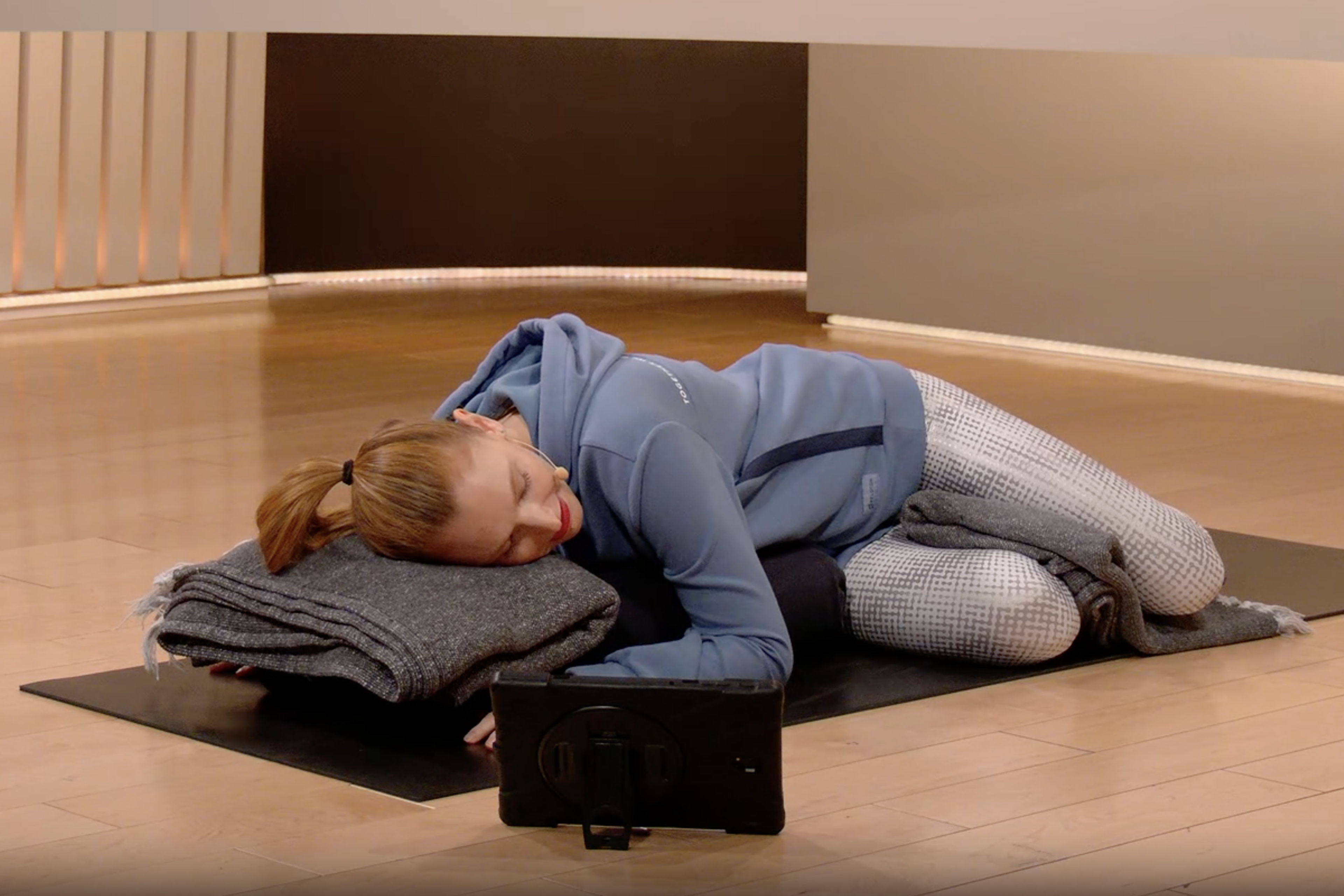
Remember, the goal of a restorative yoga routine is not to achieve a "perfect" pose but to achieve a state of ease. By focusing on consistency over intensity, you support your gut-brain axis and build a foundation for long-term health.
FAQ
What are the benefits of restorative yoga?
Restorative yoga focuses on down-regulating the nervous system. The benefits include reduced cortisol levels, improved sleep quality, better digestion, and relief from chronic muscle tension. For women, it is particularly effective for managing the hormonal fluctuations associated with stress and aging.
How long should you hold restorative yoga poses?
Unlike active yoga, where you might move every few breaths, restorative poses are typically held for 5 to 20 minutes. This duration allows the fascia and connective tissues to release and gives the brain enough time to shift into a parasympathetic state.
Can you do restorative yoga every day?
Yes, it is highly encouraged. Because it is a low-impact exercise for longevity and does not place strain on the muscles, it can be practiced daily to help manage day-to-day stress and maintain spinal mobility.
What is the best time of day to do restorative yoga?
While it can be done anytime, the evening is often considered the best time. Performing a sequence before bed helps transition the body into a sleep-ready state and mitigates the impact of a busy day on your circadian rhythm.
Do I need props for a home restorative yoga practice?
While professional bolsters and blocks are helpful, you don't need them to start. You can easily use household items like firm pillows, folded blankets, or even a stack of books to support your body and ensure you can fully relax into each pose.