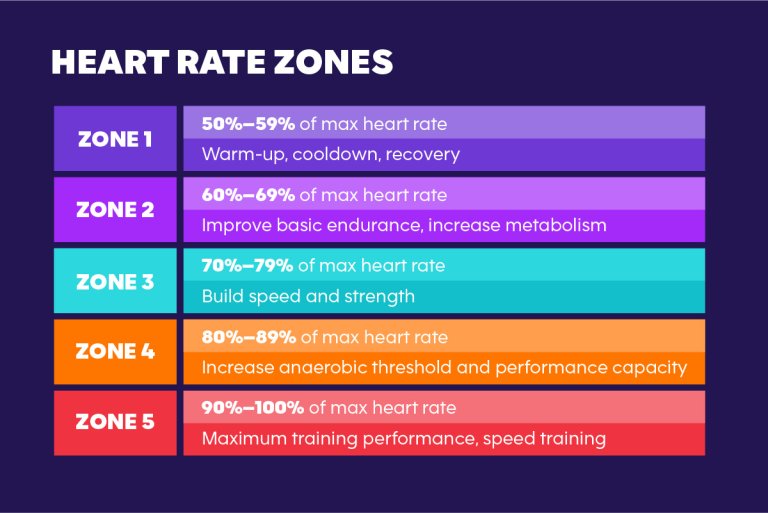
Quick Facts
- Average RHR: A normal range for most adults is 60 to 100 beats per minute.
- Athlete RHR: Elite endurance athletes often see a resting heart rate between 30 and 40 beats per minute.
- Target Improvement: Expect a decrease of 5 to 10 beats per minute within 4 to 12 weeks of training.
- Mortality Risk: Every 10 bpm increase is linked to a 9% increase in the relative risk of all-cause mortality.
- Measurement Best Practice: Check your pulse for 60 seconds immediately after waking, before getting out of bed.
- Critical Delta: A sudden spike of 5-10 bpm above your baseline is a primary indicator of systemic fatigue or overtraining.
Your resting heart rate is more than just a number; it is one of the most vital cardiovascular endurance indicators. By consistently measuring pulse at rest, you can unlock insights into your aerobic conditioning and avoid overtraining. To measure your resting heart rate accurately, check your pulse for one full minute immediately after waking up while still in bed. While fitness trackers provide convenient trend data, manual measurements or chest strap monitors often offer higher precision for establishing a true basal heart rate. Consistency is vital, as factors like hydration, caffeine, and sleep quality can temporarily influence your readings.
Measuring Your Baseline: The Golden Standard
In sports science, your basal heart rate represents the lowest amount of blood your heart needs to pump because your body is at complete rest. To get an accurate baseline health data profile, you cannot simply check your watch in the middle of a stressful workday. The best time of day to check resting pulse is the first thing in the morning. At this moment, your autonomic nervous system is in its most neutral state, unaffected by the metabolic demands of digestion, the chemical spike of caffeine, or the psychological stress of your morning commute.
If you want to know how to measure resting heart rate manually, the protocol is straightforward but requires discipline. Find your radial pulse on the thumb side of your wrist using your index and middle fingers. Do not use your thumb, as it has its own pulse that can confuse the count. Use a stopwatch and count every beat for a full 60 seconds. While some people count for 15 seconds and multiply by four, this method misses the subtle irregularities that provide a true picture of your cardiac efficiency.
Measuring pulse at rest consistently over a seven-day period allows you to calculate a reliable average. This average becomes your North Star for training. If you jump straight into a high-intensity program without knowing where you started, you are essentially flying a plane without a fuel gauge. You need this baseline to distinguish between a productive training stimulus and a physiological breakdown.
The Diagnostic: Interpreting Resting Heart Rate Trends for Fitness
Once you have established your baseline, the real work begins with interpreting resting heart rate trends for fitness. A declining trend over several weeks is the hallmark of physiological adaptation. As you perform aerobic conditioning, your heart muscle—specifically the left ventricle—becomes stronger and more efficient. This leads to an increase in stroke volume, meaning your heart pumps more blood with every single beat. Consequently, it doesn't have to beat as often to sustain your body, which is why elite athletes have such low numbers.
However, the data can also warn you of impending trouble. A resting heart rate sudden increase and overtraining are closely linked. If you wake up and find your pulse is 8 to 10 beats higher than your weekly average, your body is sounding an alarm. This usually means your sympathetic nervous system is stuck in "fight or flight" mode because you haven't recovered from your previous sessions.
| Metric Trend | Probable Cause | Action Required |
|---|---|---|
| Gradual decrease (4-12 weeks) | Increased stroke volume and aerobic capacity | Maintain current training volume or safely increase intensity. |
| Sudden spike (>8 bpm) | Systemic fatigue, dehydration, or impending illness | Schedule an immediate deload day or complete rest. |
| Sustained high baseline | Poor cardiovascular base or chronic stress | Prioritize low-intensity Zone 2 work and sleep hygiene. |
| Stable with improved VO2 max | Optimal physiological adaptation | Continue with planned training adjustments for heart health. |
When you spot these fluctuations, making training adjustments for heart health becomes a tactical necessity rather than a suggestion. Ignoring a rising RHR is the fastest way to hit a plateau or, worse, suffer a soft-tissue injury. In my experience coaching athletes, those who respect the RHR data have significantly higher career longevity than those who try to "power through" the fatigue.
Hardware Accuracy: Fitness Trackers vs. Chest Straps
We live in the era of the wearable, but you need to understand the limitations of the technology on your wrist. Most watches use PPG (photoplethysmography) sensors, which shine green light into your skin to detect blood flow. While the accuracy of fitness trackers for resting heart rate is generally high when you are perfectly still, it can be compromised by skin tone, ambient temperature, or even the tightness of the strap.
For those serious about their recovery metrics, a chest strap monitor remains the gold standard. These devices use EKG (electrocardiography) technology to track the electrical signals of the heart directly. This is far more precise than optical sensors and is less prone to "noise" from movement. If you find your wrist-based tracker is giving you erratic readings in the morning, try a manual count or a chest strap to verify the data.
Regardless of the tool you choose, the key is consistency. If you use a watch, use the same watch every day and ensure it is positioned at the same spot on your wrist. We are looking for the delta—the change over time—rather than just a single snapshot in time.
Phased Roadmap: Lowering Resting Heart Rate Through Cardio Training
Lowering resting heart rate through cardio training is not about going as hard as possible every day. In fact, that is often counterproductive. The most effective way to improve your cardiac efficiency is through the 80/20 rule: 80% of your work should be at a low intensity (Zone 2), and only 20% should be high intensity.
Here is a 30-day roadmap to help you use your RHR as a guide for progress:
- Week 1: Establish the Basal Heart Rate. Measure your RHR every morning. Do not change your training yet. Just gather baseline health data.
- Week 2: Build the Aerobic Base. Focus on 30-45 minutes of steady-state cardio (cycling, brisk walking, or swimming) 3-4 times a week. You should be able to hold a conversation easily.
- Week 3: Monitor and Adjust. Check your RHR trends. If your heart rate is stable, add one session of high-intensity intervals (HIIT) to challenge your VO2 max.
- Week 4: Analyze the Delta. Compare your Week 4 average to your Week 1 average. A drop of even 2-3 beats is a sign that your stroke volume is increasing.
This physiological adaptation takes time. Most people will see a significant shift within 4 to 12 weeks, but the initial changes in how your autonomic nervous system handles stress can be felt much sooner. If you stay consistent with your low-intensity work, you are essentially "upgrading the engine" of your body, making every other physical task feel easier.
FAQ
What is a normal resting heart rate for adults?
For most healthy adults, a normal heart rate at rest ranges from 60 to 100 beats per minute. Factors such as age, medication, and current fitness levels can influence this number. Generally, a lower number within this range indicates better cardiovascular efficiency and a more robust heart muscle.
How can I lower my resting heart rate naturally?
The most effective way to lower your heart rate is through regular aerobic exercise, specifically steady-state cardio in Zone 2. Additionally, staying well-hydrated, managing chronic stress through mindfulness, and ensuring you get 7-9 hours of quality sleep per night will help your heart function more efficiently.
Does resting heart rate change with fitness level?
Yes, as your fitness level increases, your heart rate at rest typically decreases. This happens because your heart becomes stronger and can pump more blood with each contraction, a process known as increasing stroke volume. This efficiency allows the heart to beat fewer times while still providing the body with the necessary oxygen and nutrients.
How do I accurately measure my resting heart rate at home?
The most accurate method is to measure your pulse manually first thing in the morning before you get out of bed. Place two fingers on your radial artery on your wrist, count the beats for 60 seconds, and record the result. Avoid checking it after consuming caffeine or immediately after physical activity, as these will artificially inflate the reading.
Is it normal for resting heart rate to fluctuate daily?
Minor fluctuations of 2 to 4 beats per minute are perfectly normal and can be caused by daily variables like hydration levels, room temperature, or the previous day's salt intake. However, a significant jump of 8 or more beats per minute often suggests that your body is struggling with recovery, stress, or a developing illness.
Can stress or anxiety affect your resting heart rate?
Stress and anxiety have a direct impact on your autonomic nervous system, specifically the sympathetic branch, which triggers the release of adrenaline and cortisol. These hormones naturally increase your heart rate. If you are chronically stressed, you may notice that your baseline rate remains elevated even when you think you are resting.
Monitoring your resting heart rate is the simplest, most cost-effective way to take the guesswork out of your training. It provides a direct window into your internal health and performance capacity. By tracking this metric daily, you aren't just exercising; you are managing your biology for long-term results. Get your baseline today, watch the trends, and let the data guide your next move in the gym.