Quick Facts
- Caloric Burn: High intensity performance can burn 8 to 12 calories per minute.
- The 1-2% Rule: For safety and efficiency, limit added resistance to 1-2% of your total body mass.
- Target Muscles: Primary focus on glutes, hip flexors, and the rectus abdominis.
- Primary Benefit: Significant improvements in cardiovascular endurance and functional mobility.
- Joint Health: Weighted sleeves are preferred over ankle weights to minimize joint torque.
- MET Value: This movement ranges from 8.0 to 12.0 METs depending on effort.
Weighted high knees enhance traditional cardio by adding resistance, which increases heart rate and metabolic demand. This movement strengthens the glutes, hip flexors, and core while improving cardiovascular endurance. For seniors and athletes alike, it promotes better bone density and functional mobility through weight-bearing plyometric activity.
The Biomechanics of Resistance: Why Add Weight?
When we transition from standard bodyweight movement to weighted high knees, we are fundamentally changing the resistance profile of the exercise. In a traditional high knee, you are working against gravity to lift the mass of your leg. By adding external load, you increase the torque required at the hip joint. This specifically targets the psoas and iliacus—the primary hip flexors—while demanding a higher degree of core engagement to stabilize the pelvis.
Effective training is about more than just moving faster; it is about creating a stable environment for the joints. During a high-intensity bout of weighted high knees, the stabilizing structures of the knee, including the ACL, PCL, and the collateral ligaments (MCL/LCL), must work harder to manage the increased momentum of the weighted limb. This is where joint stability becomes a critical factor. Unlike a static lift, this is a dynamic, plyometric movement that builds proprioception—the body’s ability to sense its position in space.
By challenging the body with this additional resistance training component, you force the neuromuscular system to adapt. The result is a more resilient lower body capable of generating power while maintaining structural integrity. It turns a simple aerobic drill into a functional strength tool that prepares the body for real-world athletic demands.
Metabolic Boost: Weighted High Knees for Calorie Burn
From a performance standpoint, the primary reason to integrate weighted high knees into your routine is the sheer metabolic boost they provide. We measure exercise intensity through metabolic equivalent (MET) values. High knees typically sit at a high range, and adding resistance pushes you toward a target heart rate of 70% to 85% of your maximum more quickly than unweighted versions.
Statistics show that high knees performed at a vigorous intensity burn approximately 8 to 12 calories per minute, and adding external weight further increases calorie expenditure by elevating the effort required to move limbs. When you compare weighted high knees vs unweighted for cardio improvement, the weighted version wins on efficiency. You can achieve a higher caloric deficit in a shorter window, making it a perfect candidate for high-intensity interval training (HIIT).
| Exercise Intensity | Est. Calories/Min (Unweighted) | Est. Calories/Min (Weighted) |
|---|---|---|
| Moderate Intensity | 5 - 7 | 8 - 10 |
| Vigorous/HIIT | 8 - 12 | 11 - 15+ |
Beyond the immediate burn, weighted high knees for calorie burn and weight loss offer the benefit of "afterburn," or excess post-exercise oxygen consumption (EPOC). Because the resistance training element is higher, the body requires more energy to recover and repair muscle tissue post-workout.
Longevity & Aging: Vital Cardio for Older Adults
While often viewed as an "athlete's move," the benefits of weighted high knees for seniors are profound. As we age, we face a natural decline in bone density and muscle mass, particularly in the hip area. Cardio exercises for older adults often focus on low-impact steady state, like walking, but adding a controlled resistance element can be a game-changer for longevity.
A 2016 study found that wearing 0.5-kilogram (1.1-pound) ankle and wrist weights during 20-minute exercise sessions three times per week reduced body fat percentage and waist-to-hip ratios over a six-month period. For an older adult, this isn't just about aesthetics; it is about functional mobility. Strengthening the hip flexors and glutes through weighted high knees directly translates to better stair climbing ability and a reduced risk of falls.
Furthermore, the weight-bearing nature of the exercise stimulates osteoblast activity, which is essential for maintaining bone density. By practicing high knees with a light, controlled load, seniors can improve their balance and proprioception, creating a safety net of strength that protects against the frailty often associated with aging.
Safety First: The 1-2% Weight Rule and Gear Choice
Safety is non-negotiable when adding load to a plyometric movement. The most common mistake is using too much weight too soon. To keep the movement safe and effective, I recommend the 1-2% rule: the total weight added should not exceed 1 to 2% of your total body weight. This provides enough resistance to trigger adaptation without compromising your range of motion or mechanics.
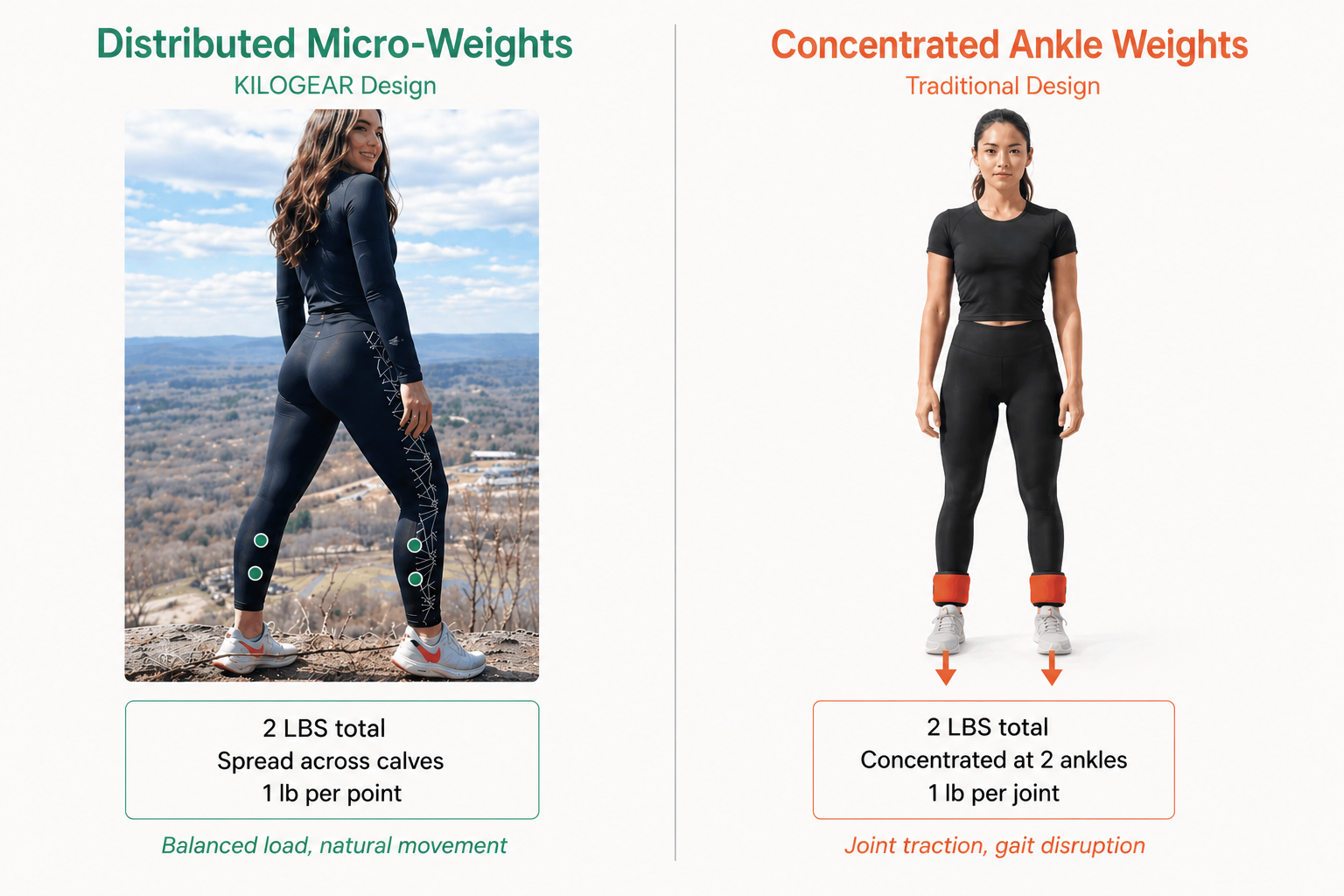
The 1-2% Rule: To maintain joint integrity and prevent injury, your added resistance (sleeves or ankle weights) should remain between 1% and 2% of your body mass. For a 150lb individual, this means 1.5 to 3 lbs of total added weight.
Another critical factor is the type of gear you use. Many people wonder how to do high knees with ankle weights safely, but the reality is that traditional ankle weights can be problematic. Because the weight is concentrated far from the center of the joint, it creates a "pendulum" effect that increases joint torque at the knee and hip. This can lead to strain on the ligaments or meniscus.
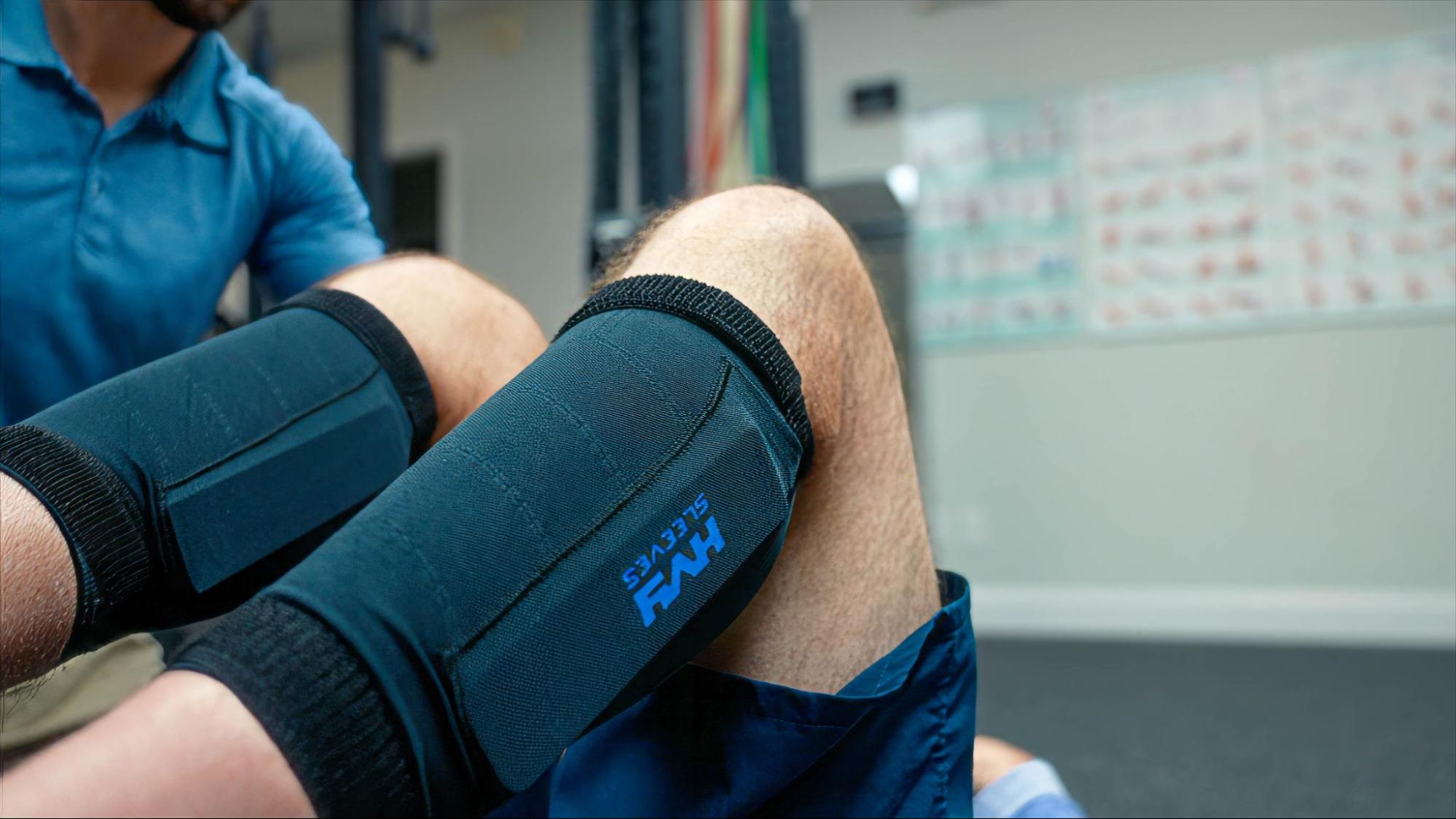
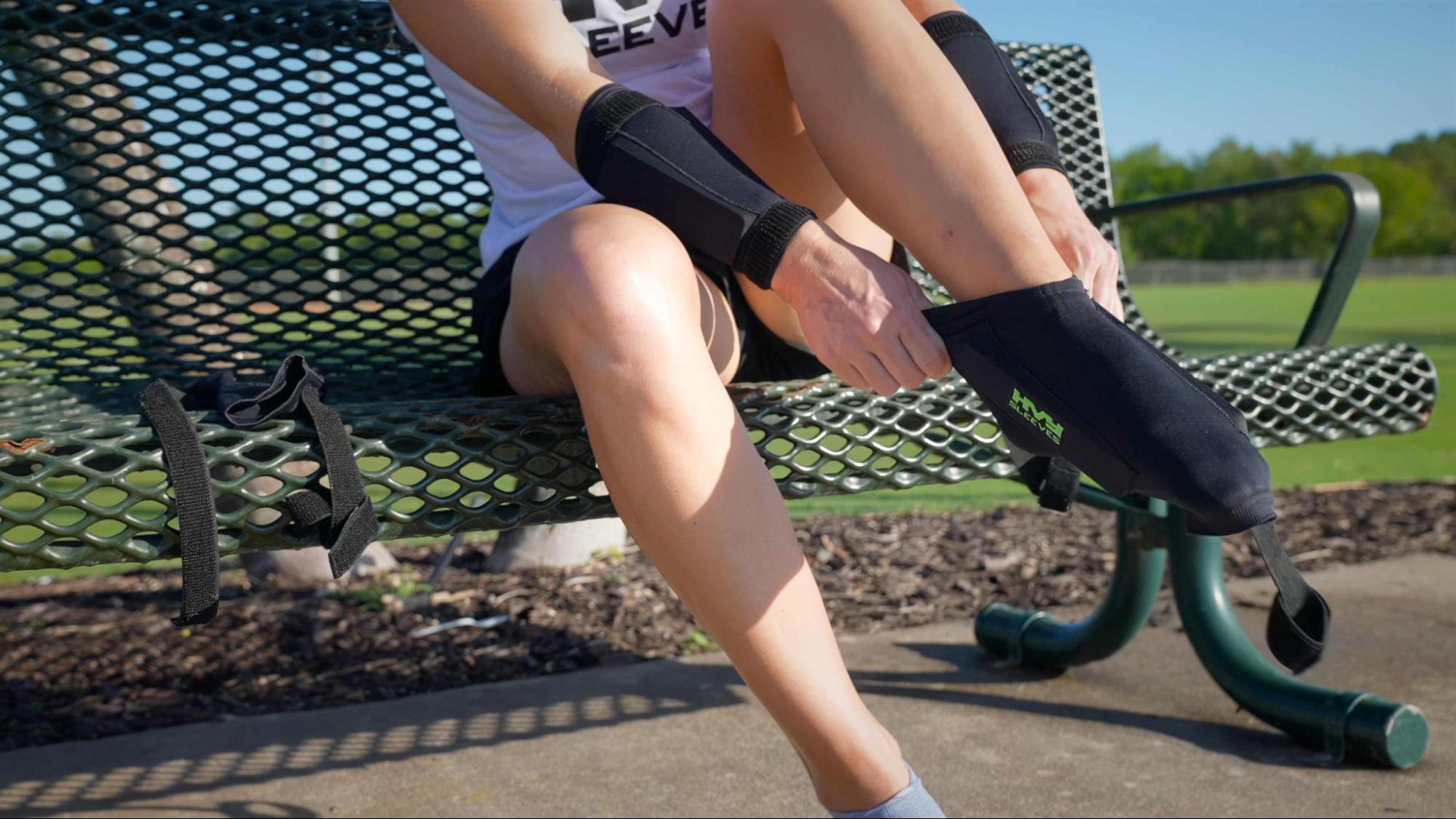
This is why weighted sleeves are better than ankle weights for high knees. Weighted sleeves distribute the load across a larger surface area and provide compression, which supports the joint while keeping the resistance closer to the bone. This distribution allows for a more natural stride and reduces the jarring impact on the lower back and knees.
Implementation: From Marching to Plyometrics
If you are new to this protocol, do not start with full-speed sprinting. Success in weighted high knees requires a progressive approach to build lower body strength and endurance.
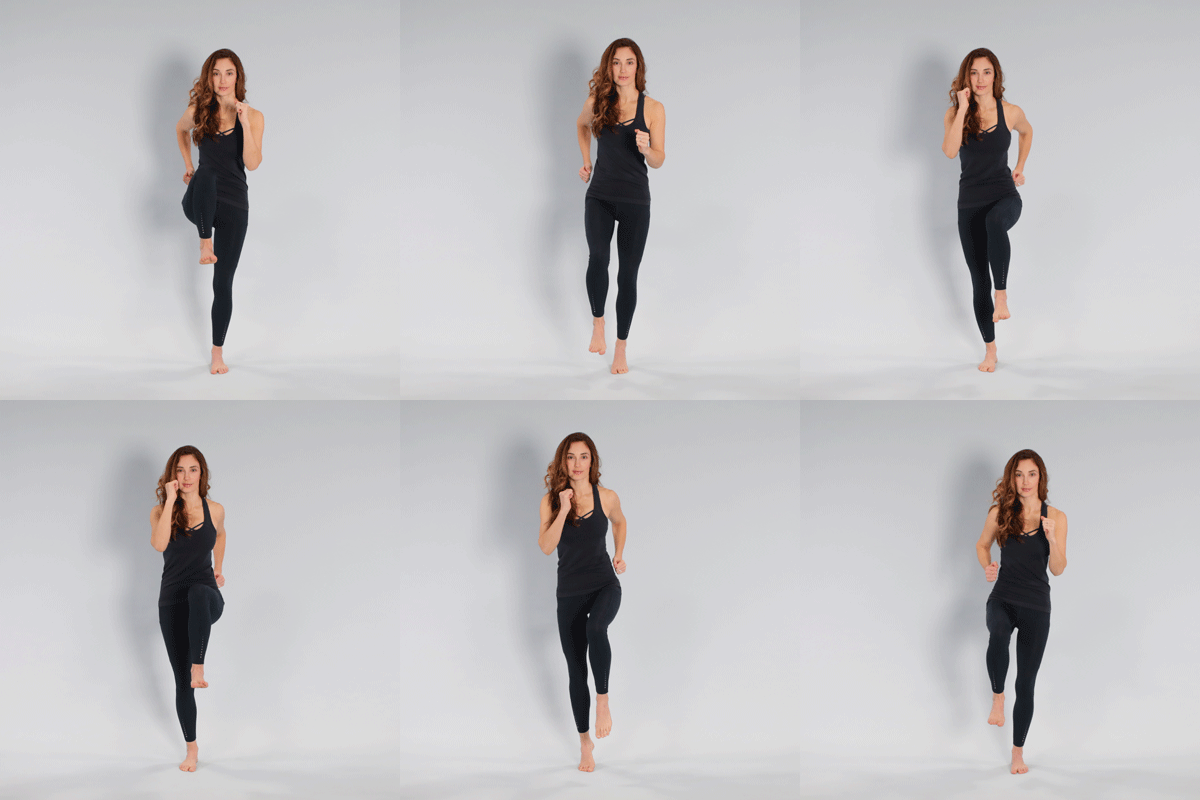
Step 1: The Weighted March Begin by standing upright, core engaged. Lift one knee until the thigh is parallel to the floor, then lower it with control. Focus on a soft landing and maintaining an upright posture. This builds the foundational hip mobility required for faster movements.
Step 2: The Rhythmic Skip Introduce a small hop as you switch legs. This increases the cardiovascular demand and tests your joint stability. Continue to focus on landing on the balls of your feet to minimize impact.
Step 3: High-Intensity Intervals Perform the weighted high knees at full speed. Aim for 30 seconds of activity followed by 15 seconds of rest. This interval structure is the gold standard for improving metabolic health.
Muscles Targeted:
- Gluteus Maximus and Medius: Provides power for the drive and stability for the landing.
- Hip Flexors (Psoas/Iliacus): Responsible for the upward drive of the knee.
- Rectus Abdominis and Obliques: Stabilizes the spine and prevents leaning back.
- Gastrocnemius and Soleus (Calves): Manages the impact and provides the "spring" in the step.
FAQ
Are weighted high knees safe for your joints?
When performed with proper form and appropriate weight, they are safe and can actually strengthen the stabilizing muscles around the joints. However, using excessive weight or poor technique can lead to increased joint torque and potential injury. Using weighted sleeves instead of heavy ankle weights is a safer way to protect the meniscus and ligaments.
What are the benefits of doing weighted high knees?
The primary benefits of weighted high knees include increased caloric burn, improved cardiovascular endurance, and enhanced lower body strength. They also help improve bone density and functional mobility, which are crucial for long-term health and injury prevention.
Is it better to use ankle weights or dumbbells for high knees?
Ankle weights (or preferably weighted sleeves) are better for high knees because they allow your arms to move naturally. Holding dumbbells can shift your center of gravity and may cause you to round your shoulders, which compromises core engagement and spinal alignment.
How heavy should my weights be for high knees?
Following the 1-2% rule is best. Most people should start with very light resistance, such as 0.5 lbs to 1 lb per limb. The goal is to add resistance without slowing down your movement or changing your natural biomechanics.
Do weighted high knees help with running speed?
Yes, they can. By strengthening the hip flexors and improving the "knee drive" phase of the running gait, weighted high knees can lead to a more powerful stride. They also improve the neuromuscular efficiency required for sprinting and quick changes of direction.
Final Thoughts from the Editor
Integrating weighted high knees into your training is one of the most effective ways to bridge the gap between pure cardio and resistance training. Whether you are an athlete looking to shave seconds off a sprint or a senior aiming to maintain independence, the metabolic and structural rewards are undeniable. Remember to prioritize quality of movement over the amount of weight used. Start with the 1% rule, focus on your core engagement, and let the science of resistance work for you.