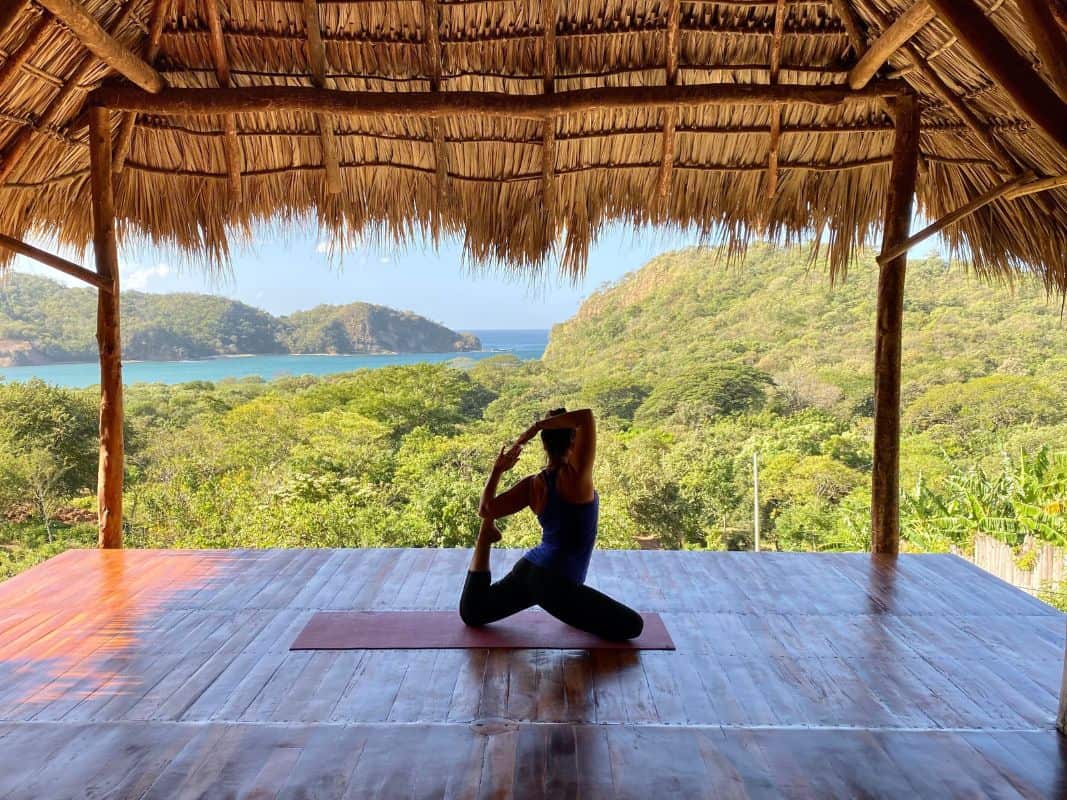
Quick Facts
- Current Trend: According to data from ABTA, one in three people (34%) plan to engage in wellness activities such as yoga and meditation during their holidays.
- Investment: Travelers are spending an average of four and a half hours daily on wellness practices while away.
- Top Destination Trend: Growing preference for nature-focused beige therapy and celestial retreats that prioritize quietude.
- The Routine: A 45-minute morning movement session is the gold standard for maintaining energy and metabolic health.
- Essential Tool: A high-quality lightweight travel mat and topical magnesium spray are non-negotiable for the frequent traveler.
- Nutritional Focus: Prioritize low-sodium, anti-inflammatory snacks to manage cabin-pressure bloating and systemic inflammation.
Effective wellness travel tips focus on balancing physical movement with intentional nervous system regulation. As a yoga founder, my personal strategy for a restorative trip includes maintaining a consistent morning movement routine, prioritizing aggressive in-flight hydration, and utilizing specific grounding techniques to manage travel-induced cortisol spikes that can disrupt sleep and digestion.
Pre-Flight: Logistical Wellness and Preparation
True restoration begins long before you reach the boarding gate. In my years of leading international retreats, I have observed that the primary differentiator between a traveler who arrives depleted and one who arrives energized is the quality of their pre-flight preparation. The nervous system begins to react to the stress of travel—logistics, deadlines, and environmental changes—days in advance. This is where circadian rhythm adjustment comes into play. By gradually shifting your sleep schedule 15 to 30 minutes each night toward your destination's time zone, you mitigate the heavy lifting your body must do upon arrival.
A significant part of my preparation involves healthy travel meal planning for long flights. Relying on airport kiosks or airline meals often means consuming hidden sugars and excessive sodium, both of which trigger inflammation and lethargy. I recommend packing a toolkit of anti-inflammatory snacks: raw almonds, organic berries, and seed-based crackers. These provide sustained energy without the glucose spikes that exacerbate jet lag. Furthermore, stress relief habits for frequent business travelers should include a logistical buffer. I suggest setting a budget of $150 to $300 for comprehensive travel insurance and lounge access; these are not luxuries but essential tools for nervous system regulation when delays inevitably occur.
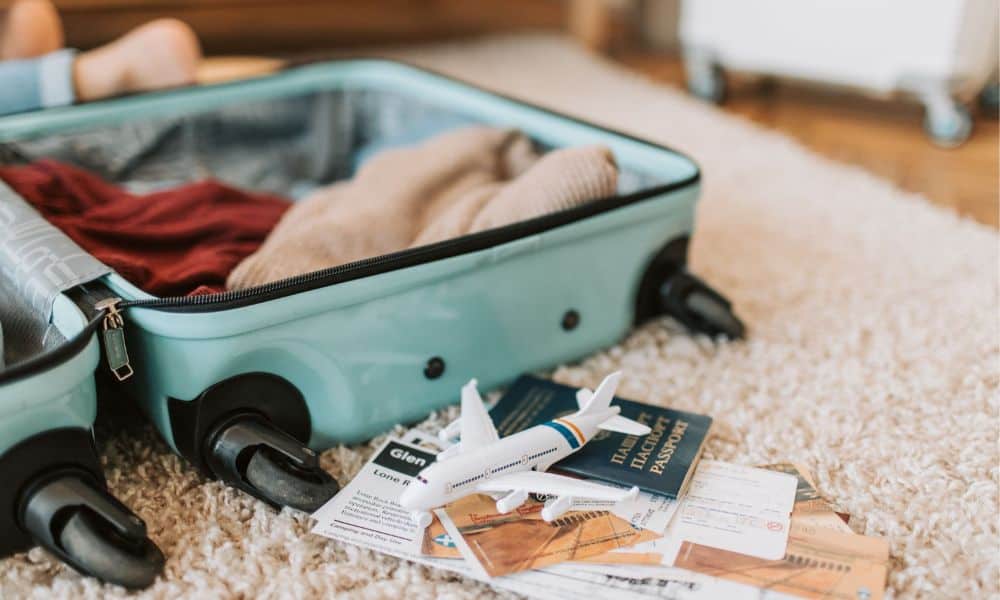
Managing the logistical load is essentially an act of self-care. When your "external environment"—your bags, your documents, and your schedule—is organized, your "internal environment" can remain calm. This is the foundation of healthy travel habits that last beyond the first day of your trip.
At 35,000 Feet: The In-Flight Survival Rituals
The cabin environment is notoriously taxing on the human body. Between the recycled air that saps moisture from the skin and the subtle vibration of the aircraft that keeps the sympathetic nervous system on high alert, flying is a physical challenge. To combat this, I have refined a yoga founder inflight skincare routine that prioritizes barrier protection. I use high-quality facial moisturizers containing ceramides and thick lip balms to create an occlusive layer against the dry cabin air.
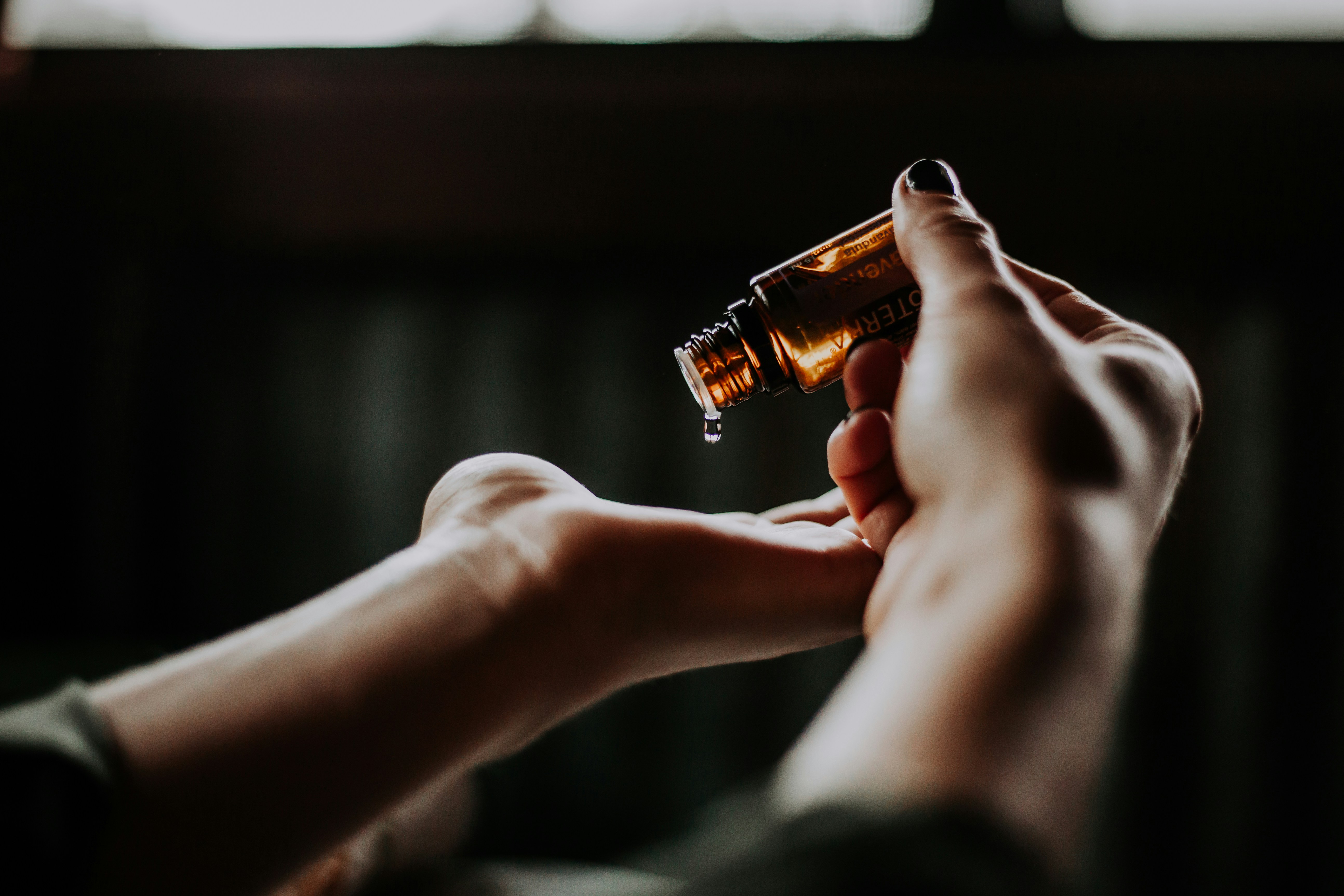
Beyond topical care, we must address the internal state. I rely heavily on mindful travel habits for nervous system regulation while in the air. This includes the regular use of magnesium supplementation, specifically in the form of a topical spray or a high-absorption powder mixed into water. Magnesium helps relax the muscles and supports the GABA receptors in the brain, which are responsible for "turning off" the stress response.
My In-Flight Wellness Checklist
- Hydration: Drink 8 ounces of water for every hour in the air. Use a reusable water bottle to ensure you have a constant supply.
- Electrolytes: Add a pinch of sea salt or an electrolyte tablet to your water to improve cellular absorption.
- Noise Management: Use noise-cancelling headphones not just for music, but to provide a "sonic shield" that allows the brain to enter a more meditative state.
- Movement: Every 90 minutes, perform seated spinal twists and ankle circles to encourage lymphatic drainage and blood flow.
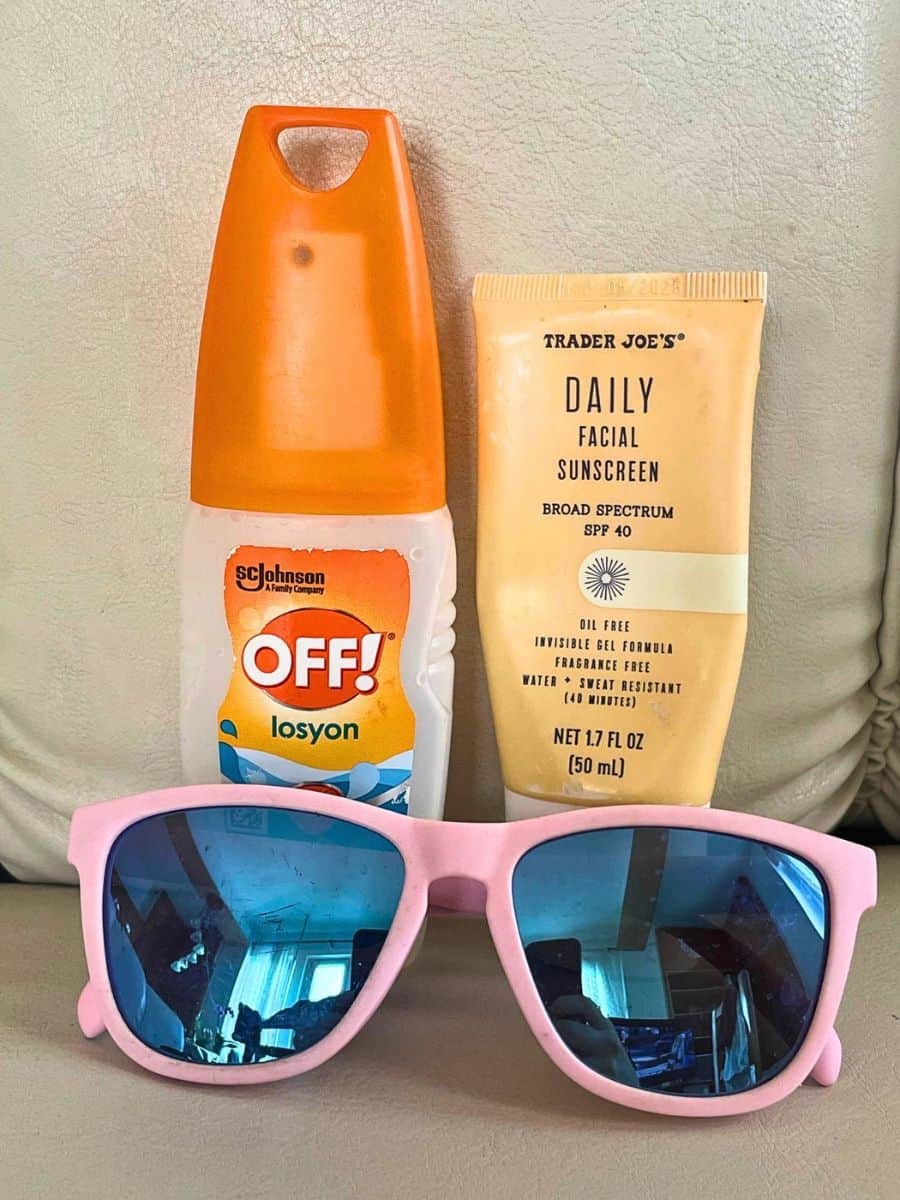
Hydration is the most effective way to combat the energy crashes associated with long-haul travel. By the time you feel thirsty, your cognitive function and digestion are already compromised. Making hydration a ritual—sipping slowly and intentionally—turns a biological necessity into a moment of mindfulness.
Morning Activation: The Explore Phase
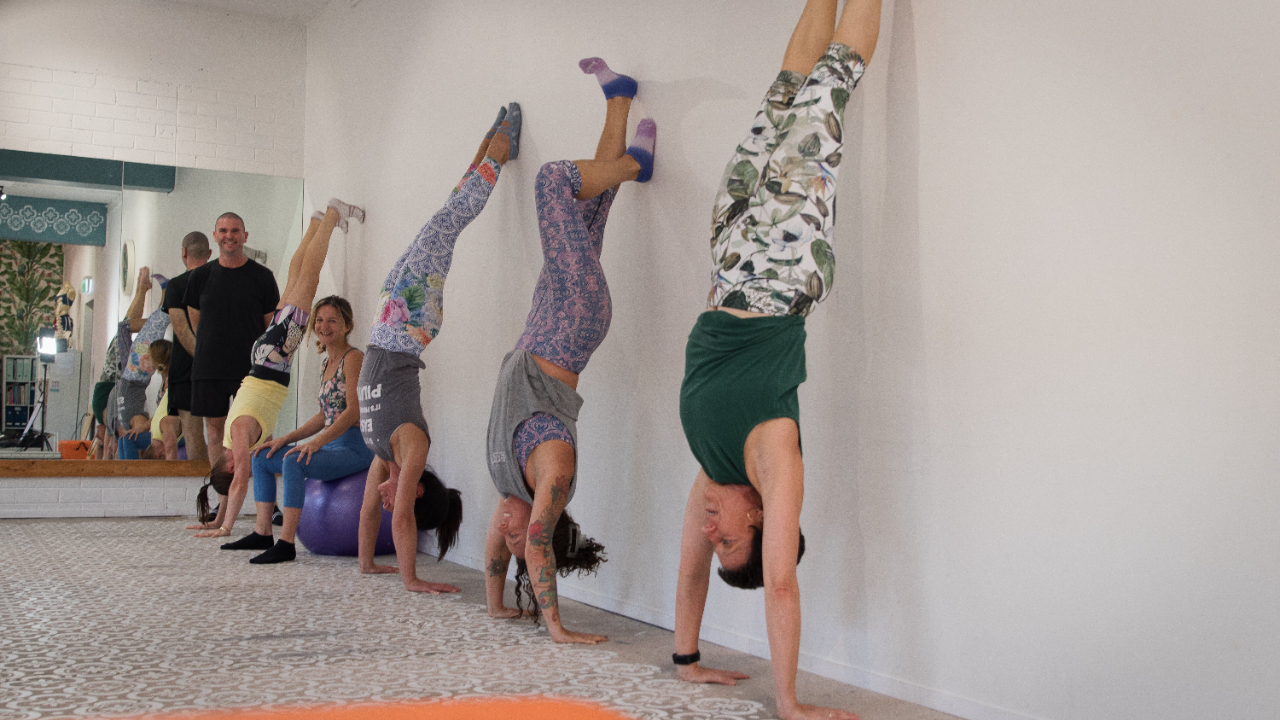
Once on the ground, the priority shifts to grounding the body in its new location. Many travelers make the mistake of jumping straight into sightseeing or meetings, but your body needs a physical "check-in" first. I always dedicate 45 minutes to a morning movement routine. This is not about a high-intensity workout; it is about unwinding the physical tension patterns caused by cramped airplane seats and heavy luggage.
Using quick morning yoga for small hotel spaces is a skill every wellness-minded traveler should master. You do not need a grand studio; the space between the bed and the desk is usually sufficient for a few rounds of Sun Salutations or gentle Vinyasa flows. These movements stimulate the circulatory system and help the body recognize that the period of travel-induced "stasis" is over.
Travel is a catalyst for change, but only if we remain present enough to experience it. A morning yoga session acts as a bridge between your home self and your travel self.

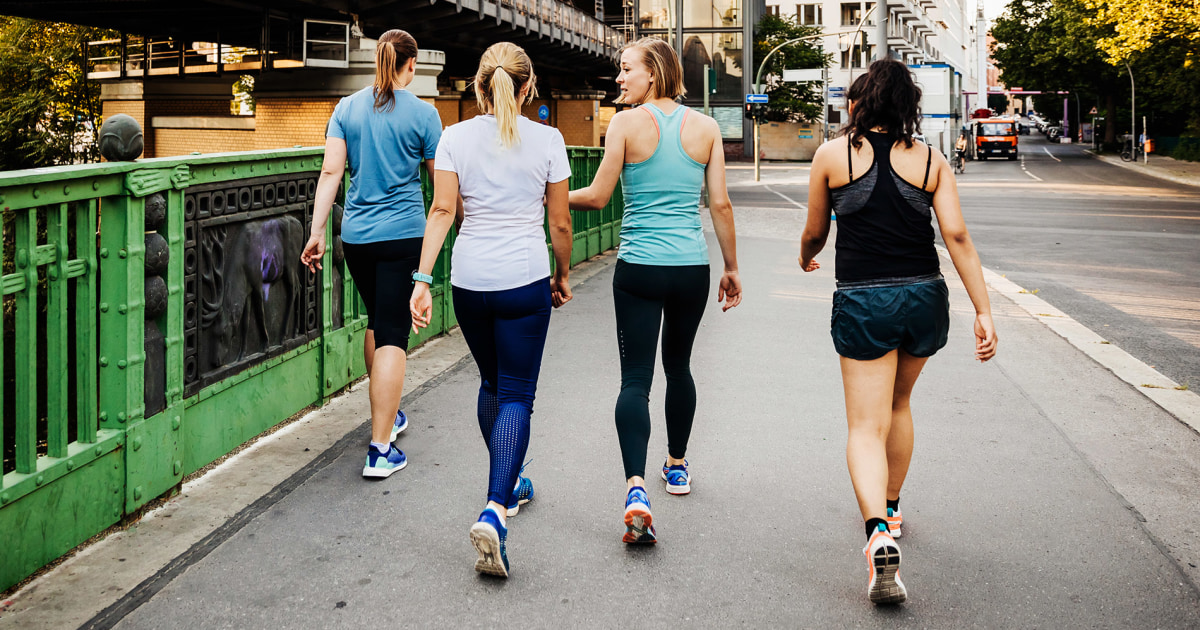
When packing, yoga travel essentials should include a lightweight travel mat. Modern mats like those from YogiBare are thin enough to fold into a carry-on but provide enough grip for a confident practice on hotel carpets or stone terraces. If you find yourself in a city, prioritize walking as your primary mode of transportation. It is the ultimate low-impact way to stay active while exploring, allowing you to absorb the local culture at a human pace rather than from the window of a taxi.
Evening Restoration: The Restore Phase
As the sun sets, the goal is cortisol reduction. Travel inherently keeps our cortisol levels elevated due to the constant processing of new sights, sounds, and schedules. To ensure a restorative night’s sleep, I turn to ayurvedic wellness rituals for stress free trips. Ayurveda, the ancient Indian sister science to yoga, emphasizes the importance of a grounding evening routine to balance the "Vata" energy—the element of air and movement—that becomes excessive during travel.
One of the most effective mindful travel rituals I practice is a digital detox starting at least one hour before bed. Instead of scrolling through photos of the day, I engage in a simple herbal tea ritual. Teas containing ginger, peppermint, or chamomile help soothe the digestive tract and signal to the brain that it is time to wind down. I also practice grounding techniques such as "Earthing"—placing bare feet on the grass or sand if available—which has been shown to help regulate the body's natural rhythms.
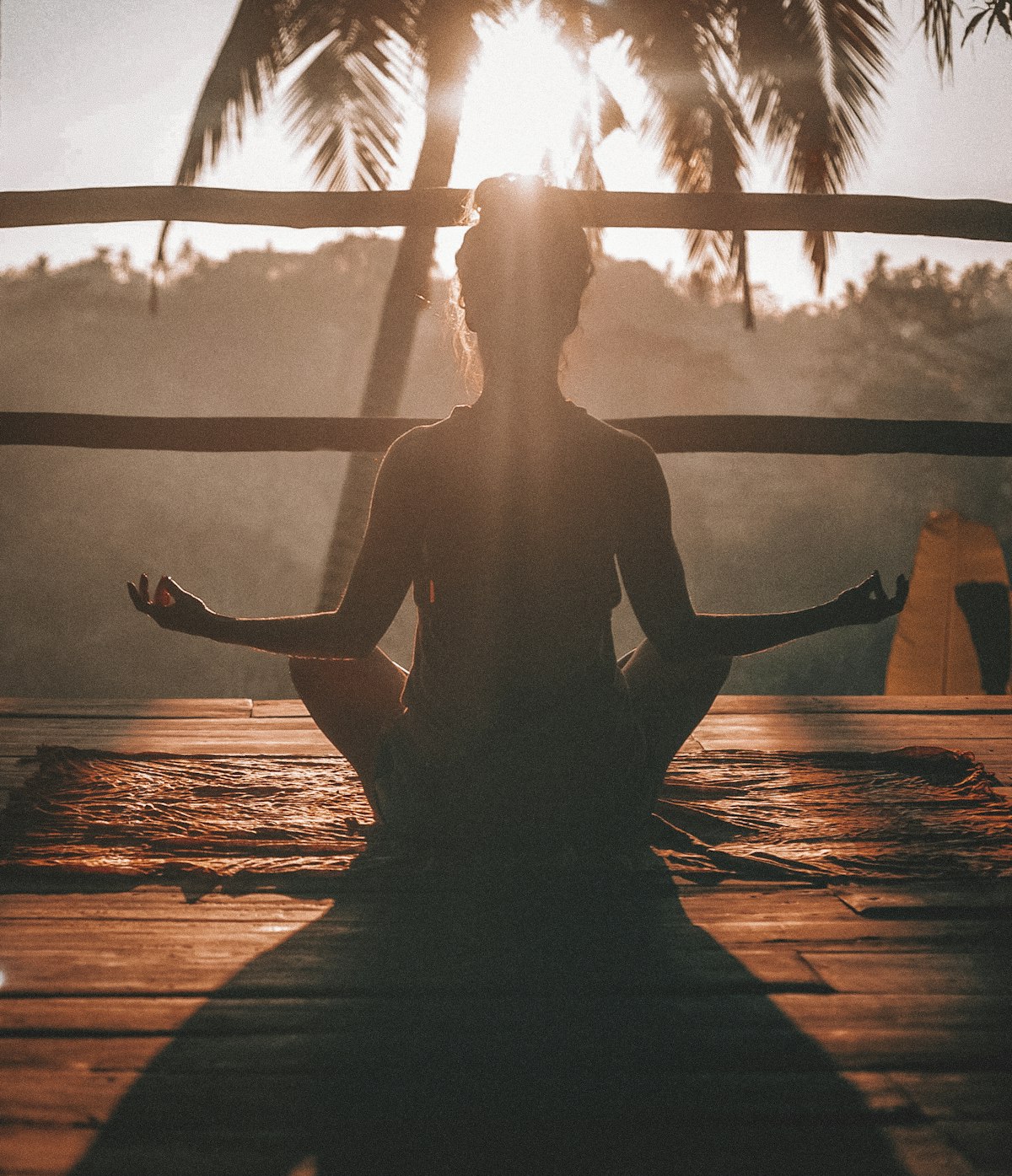
When choosing where to stay, I often look for boutique wellness hotels that offer "Nature-First" environments. Staying at a place like Skinopi Lodge, which integrates the natural landscape into the guest experience, makes it much easier to regulate the nervous system. The proximity to the sea or a forest naturally lowers the heart rate and encourages a state of parasympathetic dominance, which is the state in which the body heals and restores itself.
The Pro-Packer’s Wellness Kit
The difference between a frantic trip and a fluid one often comes down to the contents of your carry-on. Over years of refining my kit, I have identified a few items that consistently support my healthy travel habits regardless of the destination. These tools are designed to be compact, multi-functional, and high-impact.
| Category | Recommended Item | Purpose |
|---|---|---|
| Movement | YogiBare Teddy Mat | A foldable, washable mat that fits in a backpack. |
| Supplementation | BetterYou Magnesium Spray | Fast-acting relief for restless legs and muscle tension. |
| Nutrition | Garden of Life Green Powder | Ensures micronutrient intake when fresh greens are scarce. |
| Relaxation | Silk Eye Mask | Essential for blocking out ambient light in hotels. |
| Skincare | Weleda Skin Food | A multi-purpose botanical balm for face, hands, and feet. |
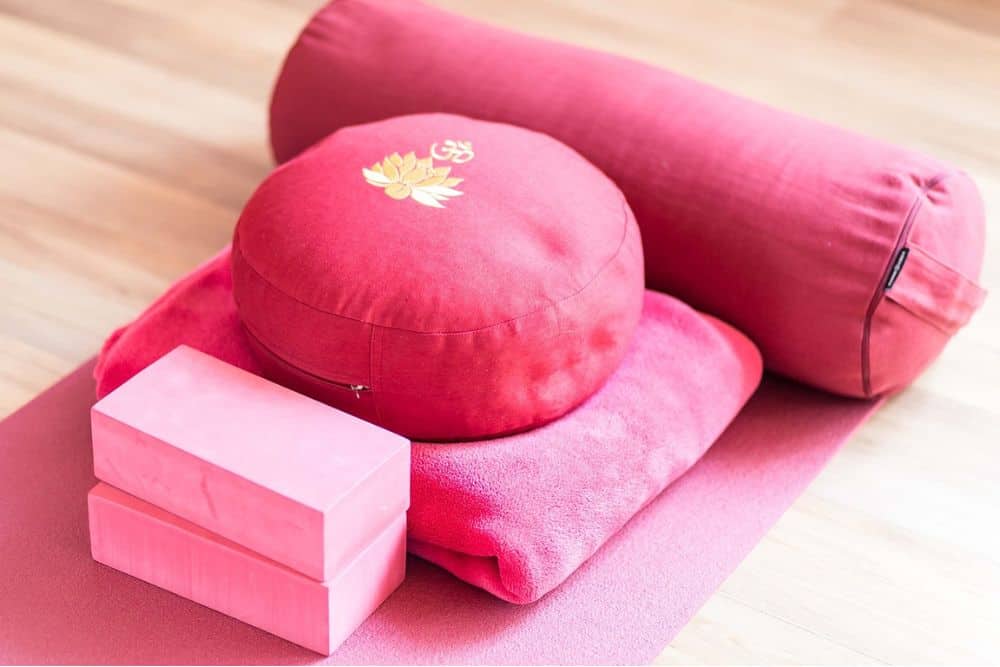
Bringing your own yoga travel essentials ensures that you are never at the mercy of your environment. Whether you are in a high-rise in Tokyo or a cabin in the Alps, your wellness kit provides a sense of "home" and a consistent platform for your daily habits.
Summary of the Journey
Integrating wellness into travel is not about adding more tasks to your itinerary; it is about shifting your perspective on how you move through the world. By focusing on nervous system regulation and maintaining a few non-negotiable morning and evening rituals, you transform travel from an exhausting experience into an expansive one. Remember that your body is the vessel through which you experience your destination. Treating it with the same curiosity and care that you give to a famous monument or a local museum ensures that you return home not just with photos, but with a renewed sense of vitality.
FAQ
What are the best tips for wellness travel?
The best wellness travel tips involve a balance of preparation and flexibility. Prioritize hydration and nervous system regulation by using magnesium and maintaining a morning movement routine. Focus on anti-inflammatory nutrition to prevent the bloating and fatigue that often accompany travel.
What should I pack for a wellness retreat?
Your packing list should include a lightweight travel mat, comfortable layers for movement, and a reusable water bottle. Don't forget high-quality skincare to protect against environmental changes and any specific botanical supplements, like ashwagandha or magnesium, that help you manage stress.
How can I stay healthy while traveling abroad?
Staying healthy abroad requires intentional choices regarding food and movement. Prioritize walking as your primary mode of transport and carry healthy snacks to avoid processed airport food. Maintaining a simple 45-minute daily exercise or yoga session helps keep your metabolism and immune system functioning optimally.
How do I manage travel anxiety and stress during a trip?
To manage travel anxiety, focus on grounding techniques that connect you to the present moment. This can include deep breathing exercises, a digital detox in the evenings, and using noise-cancelling headphones to reduce sensory overload. Planning for logistical "buffers" like insurance also helps lower overall stress levels.
What is the difference between a spa vacation and wellness travel?
A spa vacation typically focuses on passive relaxation and indulgence, such as massages and facials. Wellness travel is more holistic, focusing on active habits like yoga, nutrition, and nervous system regulation to improve long-term well-being and health outcomes.