Quick Facts
- Daily Performance: Your heart pumps approximately 2,000 gallons of blood every single day to sustain your vital organs.
- Direct Mechanism: Yoga for heart health enhances autonomic balance and stimulates the vagus nerve to improve heart rate variability and venous return.
- Efficiency Boost: Specific yoga training has been shown to improve inspiratory muscle strength by as much as 44.1%.
- Clinical Impact: Practicing yoga twice weekly for three months significantly reduces the frequency of atrial fibrillation episodes and lowers resting heart rate.
- Vascular Health: Regular practice promotes better endothelial function and enhances arterial flexibility, reducing the systemic workload on the myocardium.
- Stress Reduction: By lowering cortisol levels and systemic inflammation, yoga serves as a powerful tool for long-term cardiovascular rehabilitation.
Your heart beats 100,000 times a day. Learn how yoga for heart health uses Vagus nerve stimulation and specific yoga breathing for cardiovascular health to boost circulation naturally by enhancing autonomic balance and stimulating the vagus nerve. These practices improve heart rate variability and venous return while reducing cortisol levels and systemic inflammation, ultimately lowering blood pressure and enhancing endothelial function to support cardiovascular rehabilitation and long-term myocardial efficiency.

Safety First: Heart Safe Yoga Practices
Before unrolling your mat, it is essential to understand that cardiovascular health requires a tailored approach. For anyone currently managing a heart condition or recovering from a cardiac event, medical clearance is mandatory for cardiac rehabilitation. While yoga is often perceived as a gentle activity, certain styles—such as hot yoga or high-intensity power flows—can place undue stress on a compromised heart.
The focus for heart patients should be on restorative practices that prioritize parasympathetic activation rather than physical exhaustion. In a clinical setting, we look for red flag symptoms during exercise, including chest pain, unusual shortness of breath, or sudden dizziness. If these occur, the practice should stop immediately. Heart safe yoga practices involve staying within a comfortable range of motion and avoiding prolonged breath-holding, which can cause sudden spikes in blood pressure.
Transitioning into safe yoga routines for heart failure patients often means moving away from traditional sun salutations toward seated or supported postures. The goal is to improve cardiometabolic wellness without overtaxing the heart’s pumping capacity. For those wondering how to practice yoga after heart surgery safely, the answer lies in slow, incremental progress under professional guidance, ensuring that the sternum and ribs have fully healed before attempting any significant chest-opening movements.
The Vagus Nerve: Yoga Breathing for Cardiovascular Health
The breath is the most direct link we have to the autonomic nervous system. While the average adult takes 12 to 20 breaths per minute, the goal of yoga breathing for cardiovascular health is to slow this rhythm down to approximately 5 to 8 cycles per minute. This specific frequency is known to optimize heart rate variability (HRV), a key indicator of cardiac resilience and the body’s ability to handle stress.
Central to this is Vagus nerve stimulation. The vagus nerve is the main component of the parasympathetic nervous system, responsible for the "rest and digest" response. When we engage in diaphragmatic breathing for heart rate variability, we physically stimulate this nerve, which sends signals to the brain to lower the heart rate and stabilize blood pressure.
Diaphragmatic Breathing vs. Chest Breathing
| Feature | Chest Breathing (Thoracic) | Diaphragmatic Breathing (Deep) |
|---|---|---|
| Mechanism | Uses intercostal muscles; shallow | Uses the diaphragm; deep and expansive |
| Nervous System | Triggers sympathetic (fight or flight) | Triggers parasympathetic (rest/recover) |
| Heart Impact | Increases heart rate and tension | Lowers heart rate and blood pressure |
| Oxygen Efficiency | Lower; limited to upper lungs | Higher; maximizes alveolar ventilation |
One of the most effective techniques for this is the 4-7-8 method. This practice involves inhaling for four counts, holding for seven, and exhaling forcefully for eight. Clinical studies suggest that this rhythm is particularly effective for breathing exercises for lowering blood pressure because the long exhalation forces the heart rate to slow down. Similarly, alternate nostril breathing for heart health helps balance the two hemispheres of the brain and provides a calming effect on the entire vascular system, reducing the workload on the heart.
Movement as Medicine: Yoga Poses for Circulation
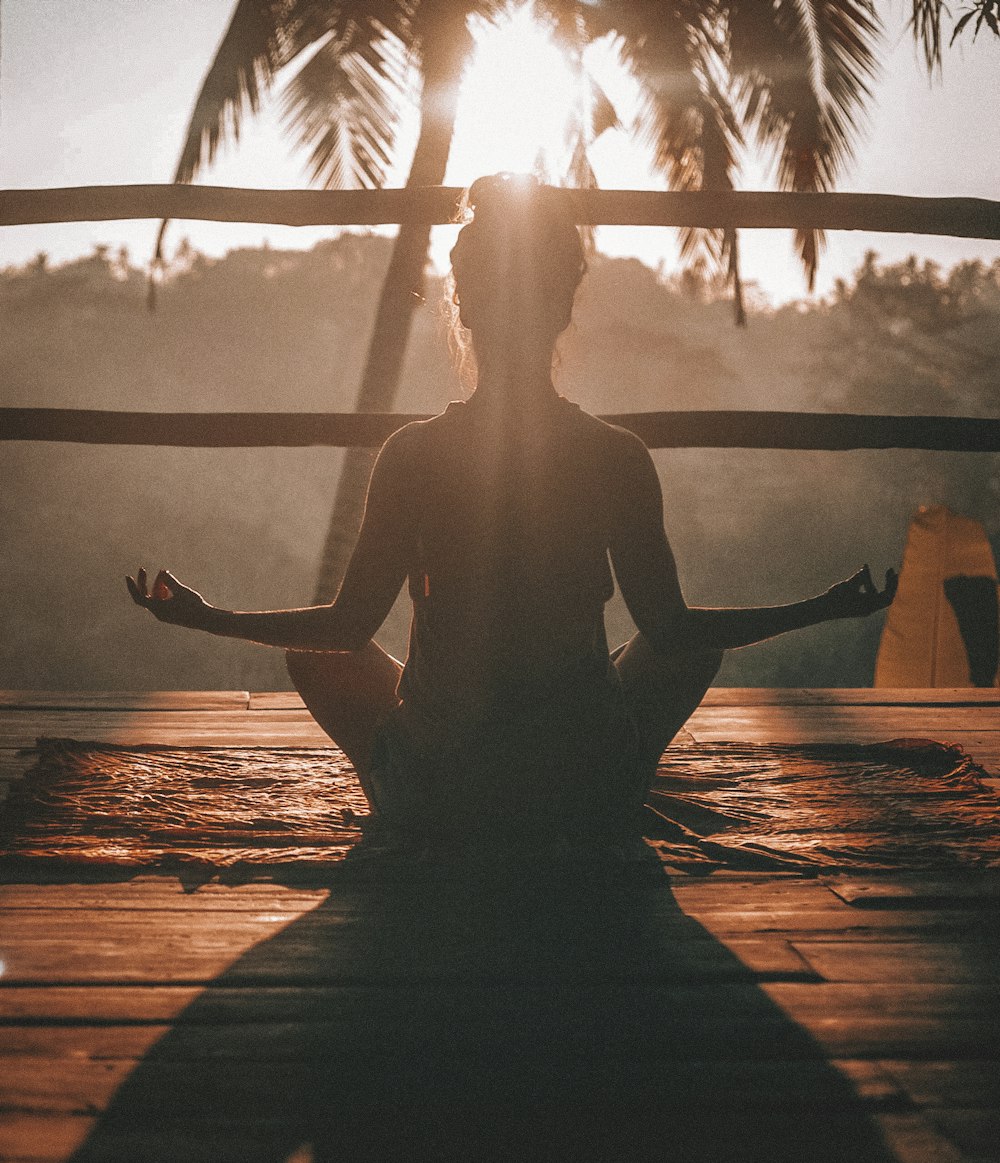
Yoga poses for circulation work by utilizing gravity and muscle contraction to assist the heart in moving blood throughout the body. Unlike traditional aerobic exercise, which increases heart rate to boost flow, yoga often uses restorative inversions and gentle flows to facilitate venous return—the process of blood moving from the extremities back toward the heart.
A clinical review published in the European Journal of Preventive Cardiology found that yoga practice resulted in an 18.48 mg/dl reduction in total cholesterol and a 5.21 mmHg decrease in systolic blood pressure compared to control groups. This suggests that the physiological impact of these poses goes far beyond simple stretching; they actively modify the biochemical environment of the vascular system.
Key Poses and Their Mechanisms
Tadasana (Mountain Pose)
- Mechanism: Improves postural alignment and maximizes lung capacity for better oxygen uptake.
- Instruction: Stand with feet hip-width apart, grounding through the heels. Engage the thighs and lengthen the spine, allowing the chest to broaden. Breathe deeply for 1-2 minutes.
Viparita Karani (Legs-up-the-Wall)
- Mechanism: Uses gravity to assist with lymphatic drainage and venous return from the lower limbs.
- Instruction: Sit sideways against a wall, then gently swing your legs up while laying your back on the floor. Hold for 5-15 minutes. This is one of the most effective yoga poses for improving leg circulation.
Setu Bandhasana (Bridge Pose)
- Mechanism: Gently opens the chest and stimulates the thyroid gland, which plays a role in metabolism and heart rate regulation.
- Instruction: Lie on your back with knees bent and feet flat. Lift the hips toward the ceiling while keeping the neck relaxed. Use a block under the sacrum for restorative yoga for cardiovascular stress relief.
Research from 2023 showed that yoga improved endothelial function, a primary indicator of vascular health, in 12 out of 18 analyzed research trials. By maintaining arterial flexibility, these poses ensure that the microcirculation—the blood flow in the smallest vessels—remains efficient, which is vital for preventing long-term hypertension. For beginners or those with limited mobility, 10-minute heart healthy yoga for beginners can include seated versions of these poses to achieve similar benefits.
2026 Trends: HRV and Wearable Technology
As we look toward the future of wellness, the integration of technology and ancient practice is becoming seamless. The "Healthspan" concept—focusing on the quality of life over just the number of years lived—has placed recovery as a central pillar of performance. In 2026, we are seeing a massive shift toward using wearable technology to track the immediate impact of yoga on autonomic balance.
Modern devices now allow practitioners to monitor their HRV in real-time. By observing how a session of restorative yoga for cardiovascular stress relief increases their HRV score, individuals gain immediate biofeedback on their heart’s health. This data-driven approach confirms what traditional practitioners have known for centuries: that slowing down is often the fastest way to heal.
Physiologically, this trend emphasizes the importance of cardiometabolic wellness. We are moving away from the "no pain, no gain" mentality and toward a model where myocardial efficiency is measured by how quickly the heart can return to a resting state after stress. Utilizing wearables during yoga helps bridge the gap between clinical evidence and personal experience, making heart health a tangible, trackable metric.

FAQ
Is yoga good for heart health?
Yes, yoga is excellent for heart health because it addresses multiple cardiovascular risk factors simultaneously. It helps lower blood pressure, reduce cholesterol levels, and manage chronic stress. By improving the balance of the autonomic nervous system, yoga reduces the constant "fight or flight" pressure on the heart, leading to better long-term outcomes and improved myocardial efficiency.
Which yoga poses are best for the heart?
The best poses for the heart are generally those that encourage relaxation and facilitate blood flow without causing strain. Poses like Viparita Karani (Legs-up-the-Wall) are ideal for venous return, while Tadasana (Mountain Pose) helps with oxygenation. Gentle backbends like Bridge Pose can help open the chest area, provided they are practiced with support to avoid increasing the heart rate too much.
Is yoga safe for heart patients?
Yoga is generally safe for heart patients, provided it is modified to meet their specific needs. It is crucial to avoid strenuous styles like Bikram or Power Yoga, which can put excessive strain on the heart. Patients should always seek medical clearance and work with instructors trained in cardiac rehabilitation to ensure they are following safe yoga routines for heart failure patients.
Can yoga prevent heart disease?
Yoga serves as a powerful preventive tool by managing the lifestyle factors that lead to heart disease. Regular practice has been shown to improve endothelial function and reduce systemic inflammation. Research indicates that practicing yoga twice a week for three months can significantly reduce the frequency of atrial fibrillation episodes and lower resting heart rate, which are key factors in preventing more serious cardiac events.
Are there yoga poses to avoid with heart problems?
Heart patients should generally avoid poses that involve holding the breath (Kumbhaka) or extremely vigorous inversions like headstands, which can cause a rapid increase in blood pressure. Additionally, any pose that causes significant discomfort, dizziness, or chest tightness should be avoided. Restorative and seated practices are always the safer choice for those with existing heart conditions.