Quick Facts
- The Core Goal: Reduce systemic inflammation through nutrient-dense, whole foods to improve long-term health outcomes.
- Top Ingredients: Focus on fatty fish for Omega-3 fatty acids, leafy greens, berries, turmeric, and extra virgin olive oil.
- Daily Fiber Target: Aim for 25-35 grams daily to support the gut microbiome and maintain metabolic health.
- Sodium Limit: Keep intake under 1,500mg per day to protect heart health and minimize fluid retention.
- Cooking Tip: Use 400°F for optimal roasting of salmon and vegetables to preserve delicate nutrients.
- Primary Metric: These recipes are designed to help lower C-reactive protein levels and combat oxidative stress through high polyphenol intake.
An effective anti-inflammatory diet emphasizes whole, nutrient-dense foods like fatty fish, leafy greens, berries, and cruciferous vegetables. Healthy fats from extra virgin olive oil, walnuts, and avocados are essential, alongside antioxidant-rich spices such as turmeric and ginger. These ingredients help lower C-reactive protein levels and combat oxidative stress by providing high amounts of polyphenols and omega-3 fatty acids through various anti-inflammatory recipes.
Chronic inflammation is a silent epidemic that many of us carry without realizing it. It is not just about a sore knee or a temporary skin flare-up; it is a systemic issue that underpins our modern health crisis. Research indicates that chronic inflammatory diseases, such as heart disease and diabetes, are responsible for approximately 60% of deaths worldwide. As an editor specializing in botanical extracts and traditional remedies, I’ve seen how the bridge between clinical evidence and daily nutrition can transform lives. By choosing healing foods for inflammation, you are essentially providing your body with the biological tools it needs to repair cellular damage and restore balance.

The Anti-Inflammatory Pantry: Swaps for Quick Success
Transitioning to easy anti-inflammatory meals begins in your kitchen cupboards. We often consume "pro-inflammatory" ingredients without a second thought because they are hidden in processed snacks and convenience foods. Refined sugars and certain seed oils can trigger the release of pro-inflammatory cytokines, which keep your body in a state of high alert.
A successful beginner anti-inflammatory meal prep guide starts with identifying anti-inflammatory pantry staples for quick cooking. By keeping antioxidant-rich ingredients on hand, you reduce the friction of healthy eating. Following Mediterranean diet principles, you should prioritize fats that stabilize cell membranes and spices that act as natural biological response modifiers.
| Category | Inflammatory (Limit These) | Anti-Inflammatory (Choose These) |
|---|---|---|
| Cooking Oils | Soybean oil, Corn oil, Margarine | Extra virgin olive oil, Avocado oil |
| Sweeteners | Refined white sugar, High-fructose corn syrup | Raw honey, Medjool dates, Stevia |
| Grains | White bread, Sugary cereals | Quinoa, Sprouted grains, Steel-cut oats |
| Snacks | Potato chips, Processed crackers | Walnuts, Pumpkin seeds, Dark chocolate (70%+) |
| Spices | Artificial flavorings, High-sodium blends | Turmeric, Ginger, Garlic, Rosemary |
Integrating these swaps makes it much easier to prepare easy anti-inflammatory meals on a busy Tuesday night. Instead of reaching for a processed sauce, you might whisk together olive oil, lemon, and fresh garlic—a simple combination that provides powerful phytonutrients to your system.
Healing Breakfasts: Starting Your Day Inflammation-Free
The way you start your morning sets the glycemic tone for the rest of your day. High-sugar breakfasts lead to insulin spikes, which can exacerbate systemic inflammation and leave you feeling fatigued by noon. Instead, focus on gluten-free anti-inflammatory breakfast recipes that prioritize fiber and healthy fats. High-fiber carbohydrates like berries and seeds help nurture your gut microbiome, which is where a significant portion of your immune system resides.
1. Wild Blueberry and Walnut Overnight Oats
This recipe is a staple in my home. Blueberries are packed with anthocyanins, which help protect cells from oxidative stress.
- Ingredients: 1/2 cup gluten-free sprouted oats, 1 cup unsweetened almond milk, 1/2 cup frozen wild blueberries, 2 tbsp crushed walnuts, 1 tsp chia seeds.
- Instructions: Mix all ingredients in a glass jar. Refrigerate overnight. Top with an extra sprinkle of walnuts before serving.
Nutritional Snapshot: 320 Calories | 9g Fiber | 8g Protein | 45mg Sodium Anti-Inflammatory Highlight: Walnuts are a premier source of alpha-linolenic acid, a plant-based Omega-3 fatty acid that supports brain health and lowers inflammation.
2. Golden Milk Sunrise Smoothie
A liquid breakfast that utilizes bioavailable curcumin for a powerful morning boost.
- Ingredients: 1 frozen banana, 1 cup coconut water, 1 tsp ground turmeric, 1/2 tsp ground ginger, a pinch of black pepper, 1 scoop hemp protein.
- Instructions: Blend until smooth. The black pepper is crucial; it contains piperine, which increases curcumin absorption by up to 2,000%.
Nutritional Snapshot: 280 Calories | 6g Fiber | 15g Protein | 110mg Sodium Anti-Inflammatory Highlight: This smoothie provides phytonutrients that target joint discomfort and support the body's natural detoxification pathways.
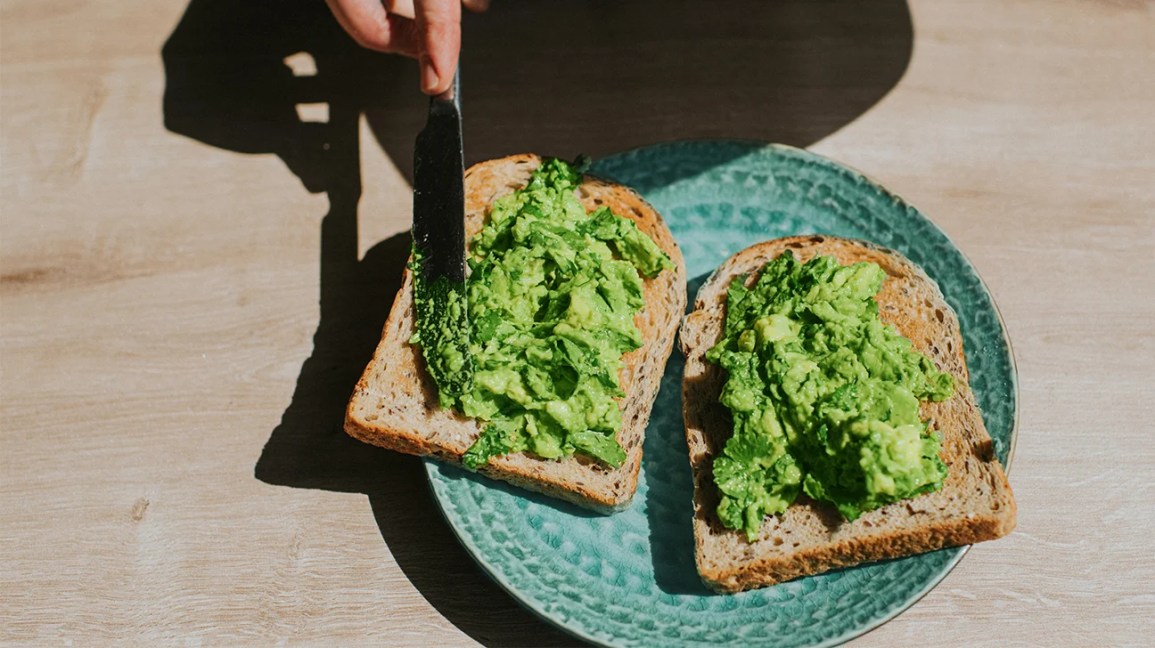
3. Savory Avocado and Sprouted Grain Toast
For those who prefer a savory start, this combines monounsaturated fats with high-fiber grains.
- Ingredients: 1 slice sprouted grain bread, 1/2 ripe avocado, red pepper flakes, squeeze of lemon, 1 poached egg (optional).
- Instructions: Toast the bread, mash the avocado with lemon, and spread evenly. Top with red pepper flakes and an egg for extra protein.
30-Minute Anti-Inflammatory Lunches & Quick Meals
When life gets busy, we often sacrifice quality for speed. However, 30-minute anti-inflammatory dinner ideas can easily be adapted for lunch. The goal here is to balance macronutrients while ensuring a high intake of polyphenols. Utilizing Mediterranean diet principles—such as heavy vegetable use and lean protein—ensures you stay satiated without the heavy, "weighted-down" feeling that follows a processed lunch.
4. Mediterranean Quinoa Bowl with Sardines
Sardines are an unsung hero of the anti-inflammatory diet. They are low on the food chain (meaning less mercury) and incredibly high in Omega-3 fatty acids.
- Ingredients: 1 cup cooked quinoa, 1 tin skinless/boneless sardines in olive oil, 1/2 cup diced cucumber, 1/4 cup feta cheese, 1 tbsp extra virgin olive oil.
- Instructions: Toss the quinoa with vegetables and oil. Top with sardines and feta.
Nutritional Snapshot: 410 Calories | 7g Fiber | 22g Protein | 380mg Sodium Anti-Inflammatory Highlight: Sardines provide the essential EPA and DHA fatty acids needed to lower C-reactive protein levels.
5. Turmeric-Spiced Chickpea Salad Wraps
A plant-forward option that is perfect for a beginner anti-inflammatory meal prep guide.
- Ingredients: 1 can rinsed chickpeas, 1 tsp turmeric, 1/2 tsp cumin, 2 tbsp tahini, large collard green leaves for wrapping.
- Instructions: Mash chickpeas with spices and tahini. Scoop into collard green leaves and wrap tightly.
6. Lemon-Tahini Kale Salad with Roasted Chickpeas
Massaging kale makes it easier to digest and helps the flavors of the anti-inflammatory recipes penetrate the leaves.
- Ingredients: 1 bunch curly kale, 1 cup roasted chickpeas, 1/4 cup hemp hearts, tahini-lemon dressing.
- Instructions: Massage kale with a bit of olive oil until soft. Add chickpeas and hemp hearts, then drizzle with dressing.
Restorative Dinners: Healing Soups and Sheet Pan Staples
Dinner is a time to nourish and repair. One of the most efficient ways to achieve this is through healing soup recipes for chronic inflammation. Soups allow the nutrients from garlic, ginger, and bone broth to become highly bioavailable. Alternatively, sheet pan anti-inflammatory salmon and vegetables offer a low-stress way to get a high-quality meal on the table with minimal cleanup.
7. Sheet Pan Ginger-Lime Salmon
Salmon is perhaps the most famous of all healing foods for inflammation. When roasted at 400°F, it retains its moisture and healthy fats.
- Ingredients: 2 salmon fillets, 1 bunch asparagus, 2 sliced bell peppers, 1 tbsp grated ginger, 2 tbsp olive oil.
- Instructions: Place everything on a sheet pan. Rub ginger and oil over the salmon and vegetables. Bake at 400°F for 12-15 minutes.
Nutritional Snapshot: 450 Calories | 5g Fiber | 34g Protein | 120mg Sodium Anti-Inflammatory Highlight: This meal is a powerhouse of Omega-3 fatty acids and Vitamin C, which work together to reduce systemic inflammation.
8. Healing Turmeric and Lentil Soup
This is one of the best turmeric and ginger recipes for joint inflammation because it is warm, comforting, and packed with anti-inflammatory compounds.
- Ingredients: 1 cup red lentils, 1 diced onion, 3 cloves garlic, 1 tbsp turmeric, 1 tbsp fresh ginger, 4 cups vegetable broth.
- Instructions: Sauté onion, garlic, and ginger. Add lentils, turmeric, and broth. Simmer for 20 minutes until lentils are soft.
9. Roasted Broccoli and Garlic Chicken
Cruciferous vegetables like broccoli contain sulforaphane, which helps block enzymes that cause joint destruction.
- Ingredients: 1 lb chicken breast strips, 2 heads of broccoli florets, 5 cloves minced garlic, 3 tbsp olive oil.
- Instructions: Toss ingredients on a sheet pan and roast at 400°F for 20 minutes.
10. Miso-Glazed Cod with Bok Choy
Cod is a light, lean protein that pairs perfectly with the fermented benefits of miso.
- Ingredients: 2 cod fillets, 1 tbsp white miso paste, 1 tbsp honey, 2 cups baby bok choy.
- Instructions: Brush miso and honey on the cod. Steam or bake with bok choy for 10-12 minutes.
11. Anti-Inflammatory Black Bean and Sweet Potato Chili
Sweet potatoes are rich in beta-carotene, a powerful antioxidant that supports skin and eye health.
- Ingredients: 2 large sweet potatoes (cubed), 2 cans black beans, 1 can diced tomatoes, 2 tbsp chili powder, 1 tsp cinnamon.
- Instructions: Simmer all ingredients in a large pot for 30 minutes until potatoes are tender.
12. Garlic and Rosemary Bone Broth Soup
Bone broth contains collagen and amino acids like glycine, which support gut microbiome health and joint repair.
- Ingredients: 4 cups high-quality bone broth, 4 cloves smashed garlic, 2 sprigs fresh rosemary, 1 cup shredded carrots.
- Instructions: Simmer broth with garlic and rosemary for 15 minutes. Add carrots for the last 5 minutes.
13. Tofu and Stir-Fry Veggies with Cashews
Soy contains isoflavones that may help lower inflammation, especially when paired with magnesium-rich cashews.
- Ingredients: 1 block extra firm tofu, 2 cups snap peas, 1/2 cup raw cashews, ginger-soy glaze.
- Instructions: Sear tofu in a pan, add veggies and cashews, and toss with glaze for 5 minutes.
14. Turmeric Roasted Cauliflower Steaks
A beautiful vegetarian main dish that highlights the versatility of turmeric and ginger recipes for joint inflammation.
- Ingredients: 1 head of cauliflower sliced into "steaks," 2 tbsp olive oil, 1 tbsp turmeric, 1 tsp cumin.
- Instructions: Brush steaks with oil and spices. Roast at 400°F for 25 minutes, flipping halfway through.
15. Zucchini Noodles with Basil Pesto and Walnuts
Traditional pasta can be pro-inflammatory for some; zucchini noodles provide a hydrating, low-carb alternative.
- Ingredients: 2 large zucchinis (spiralized), 1/2 cup fresh basil pesto, 1/4 cup toasted walnuts.
- Instructions: Sauté zucchini noodles for 2 minutes. Toss with pesto and top with walnuts.
Lifestyle Synergy: Enhancing the Diet's Impact
While following an anti-inflammatory diet meal plan is the foundation, your lifestyle choices act as a force multiplier. To truly lower systemic inflammation, you must look at how you move and recover. A simple 10-minute walk after your largest meal can significantly manage blood sugar spikes, preventing the oxidative stress that follows a heavy meal.
Hydration is also paramount. Water helps flush out metabolic waste products that can contribute to elevated C-reactive protein levels. I often suggest my readers supplement their diet with high-quality botanical extracts. For instance, if you struggle with consistent intake of fresh spices, a high-quality turmeric or Vitamin D supplement can bridge the gap. Stress management—whether through five minutes of deep breathing or a consistent sleep schedule—is the final piece of the puzzle. When cortisol levels remain chronically high, it signals the body to maintain an inflammatory state, regardless of how many blueberries you eat.
FAQ
What are the best foods for an anti-inflammatory diet?
The most effective foods include fatty fish rich in Omega-3 fatty acids, leafy greens like spinach and kale, berries, walnuts, and extra virgin olive oil. Additionally, cruciferous vegetables like broccoli and spices like turmeric and ginger are essential for their high polyphenol content and ability to combat oxidative stress.
How long does it take for an anti-inflammatory diet to start working?
Many individuals begin to feel improvements in energy levels and reduced bloating within two weeks. However, more significant changes, such as reduced joint pain or lower C-reactive protein levels on a blood test, typically take six to twelve weeks of consistent adherence to an anti-inflammatory diet meal plan.
What is a typical anti-inflammatory breakfast?
A typical breakfast focuses on protein, healthy fats, and fiber rather than sugar. Examples include gluten-free anti-inflammatory breakfast recipes like chia seed pudding with berries, a turmeric-infused protein smoothie, or sprouted grain toast topped with mashed avocado and a poached egg.
Can an anti-inflammatory diet help with joint pain?
Yes, clinical research shows that certain foods can inhibit the production of inflammatory chemicals in the body. Specifically, turmeric and ginger recipes for joint inflammation provide curcumin and gingerol, which have been shown in studies to be as effective as some over-the-counter anti-inflammatory medications for managing discomfort.
What are the most effective anti-inflammatory spices to use in recipes?
Turmeric is widely considered the most powerful, especially when combined with black pepper to create bioavailable curcumin. Other highly effective spices include ginger, garlic, cinnamon, and rosemary, all of which contain unique phytonutrients that help dampen systemic inflammation.
How do I start an anti-inflammatory meal prep routine?
The best way to start is by focusing on a beginner anti-inflammatory meal prep guide: choose two or three easy anti-inflammatory meals to cook in batches. For example, you can roast a large sheet pan anti-inflammatory salmon and vegetables for several dinners and prepare a pot of healing soup recipes for chronic inflammation to serve as your lunches for the week.