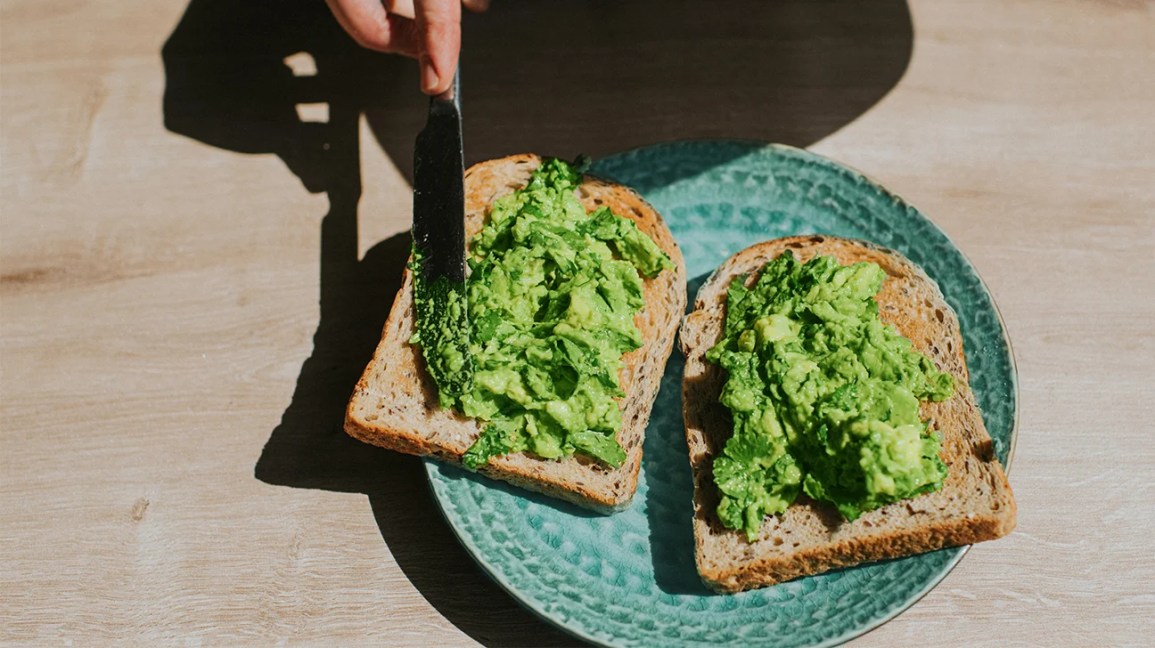
Quick Facts
- Weight Loss Winner: Avocado toast is the leaner choice due to its significantly lower caloric density and high water content.
- Protein Powerhouse: Almond butter toast contains more than ten times the protein found in an equivalent serving of avocado.
- Micronutrient Focus: Avocado excels in Vitamin K and Potassium, while almond butter is a premier source of Vitamin E and Magnesium.
- Heart Health: Both options utilize monounsaturated fats to improve lipid profile markers, though avocado shows specific success in raising HDL cholesterol.
- Morning Energy: Almond butter toast provides more sustained satiety levels due to the combination of high protein and healthy fats.
- Fiber Content: Both are excellent sources of dietary fiber, especially when paired with whole-grain sourdough.
Choosing between avocado vs almond butter toast depends on your specific nutritional goals. Avocado toast is exceptionally rich in monounsaturated fats, potassium, and fiber, which support heart health and blood pressure regulation. In contrast, almond butter toast provides higher plant-based protein and Vitamin E, offering sustained energy and increased satiety levels throughout the morning.
The Macro Breakdown: Calories, Protein, and Fats
When we evaluate the nutritional benefits of almond butter toast versus avocado toast, the conversation usually begins with energy density. From a clinical perspective, these two toppings sit at opposite ends of the caloric spectrum.
According to USDA and NIH data, almond butter is significantly more calorie-dense, containing approximately 614 calories per 100 grams. In contrast, avocado is much lighter, providing roughly 167 calories per 100 grams. This difference is primarily due to the water content in fresh fruit versus the concentrated fats and solids in nut butter.
The most striking disparity, however, is what nutritionists call the protein gap. If you are looking for plant-based protein to support muscle synthesis or long-term satiety, almond butter is the clear leader. It contains approximately 21 grams of protein per 100 grams, whereas an equivalent serving of avocado offers only about 2 grams.
Despite these differences, both toppings are celebrated for their healthy fats in avocado vs almond butter comparisons. Both are rich in oleic acid, a monounsaturated fat that is stable, anti-inflammatory, and essential for a healthy lipid profile.
| Nutrient (per 100g) | Avocado | Almond Butter |
|---|---|---|
| Calories | 167 kcal | 614 kcal |
| Protein | 2 g | 21 g |
| Total Fat | 15 g | 55 g |
| Fiber | 7 g | 12.5 g |
| Sugars | 0.7 g | 4.4 g |
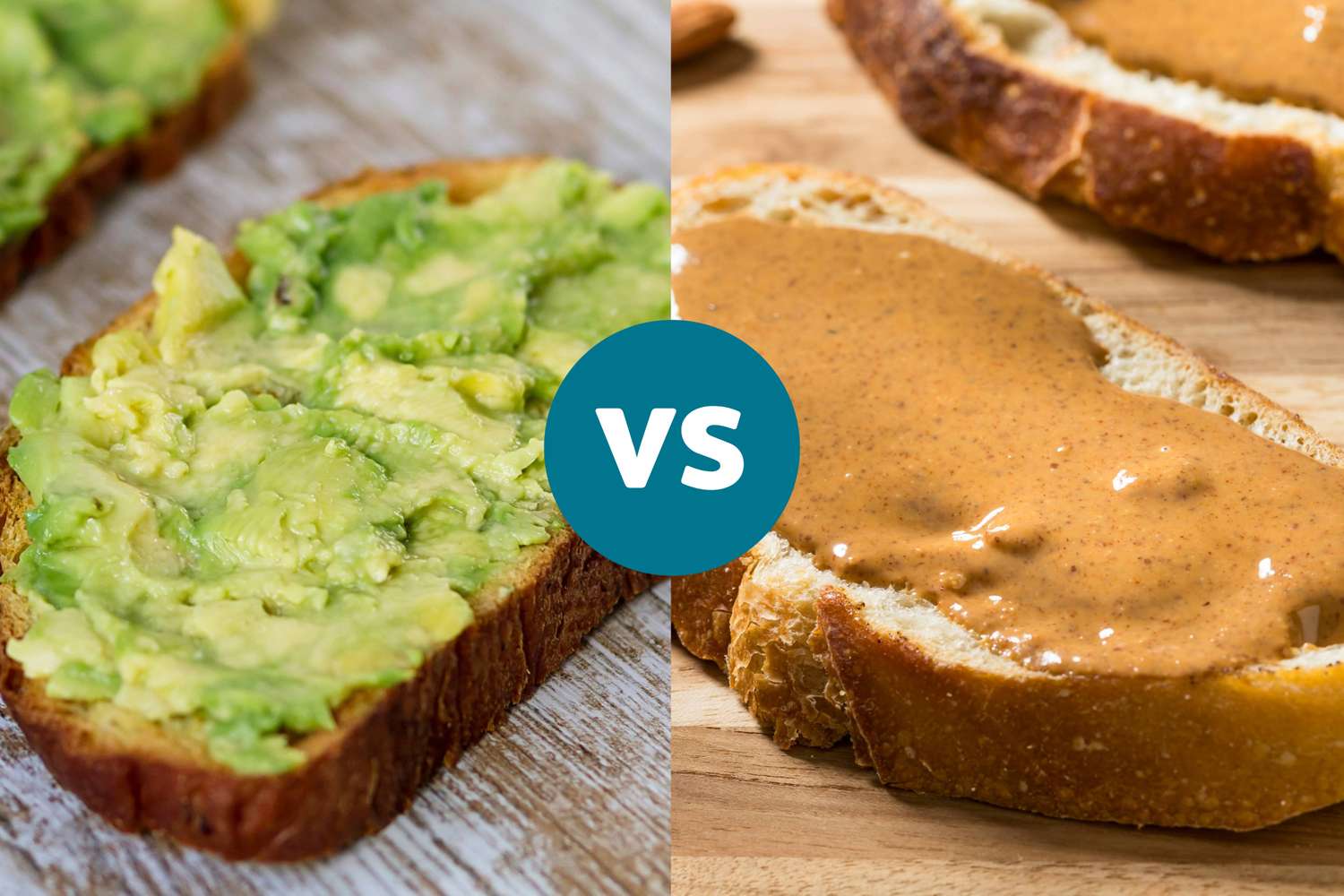
Micronutrient Showdown: Potassium vs. Vitamin E
Beyond the macros, the choice between these two breakfast staples changes based on which micronutrient density your body requires. As an editor specializing in vitamins, I often look at how these foods influence specific physiological functions like blood pressure and skin health.
Avocado is a nutritional powerhouse that provides nearly 20 essential vitamins and minerals. It is particularly notable for its potassium levels, which often exceed those found in bananas. High potassium intake is vital for maintaining healthy blood pressure regulation and offsetting the effects of sodium in the diet. Furthermore, avocado is one of the few fatty fruits that offer high levels of Vitamin K, essential for bone health and blood clotting.
Almond butter counters with an impressive Vitamin E content. Vitamin E acts as a potent antioxidant, protecting cell membranes from oxidative stress. It also provides a significant dose of magnesium, a mineral that many adults are deficient in, which plays a role in over 300 enzymatic reactions, including those that manage blood sugar regulation.
When you spread these toppings on complex carbohydrates like whole-grain sourdough, you create a synergy that improves nutrient bioavailability. The healthy fats in both toppings help your body absorb fat-soluble vitamins (A, D, E, and K) present in the bread or any vegetable toppings you might add.
Heart Health & Cardiovascular Benefits
Both options are superior to traditional butter or sugary jams, but avocado has the edge in clinical heart health research. A major study involving over 110,000 health professionals found that consuming at least two servings of avocado per week was associated with a 16% lower risk of cardiovascular disease.
The reason lies in the lipid profile. Regular avocado consumption has been shown to increase HDL (the "good") cholesterol by an average of 2.84 mg/dL. Because avocado is naturally free of sodium and cholesterol, substituting avocado for traditional butter or margarine immediately reduces saturated fat intake.
Almond butter also supports the heart. Its combination of poly- and monounsaturated fats helps lower LDL (the "bad") cholesterol. However, when purchasing almond butter, it is crucial to check the label. Many commercial brands add sugar or palm oil, which can negate some of the cardiovascular benefits. To maintain a heart healthy breakfast avocado vs almond butter choice, always opt for raw or dry-roasted almond butter with no added salt or oils.
The Protein Gap: Optimizing Your Toast
The primary critique of avocado toast is its lack of protein. If you are eating avocado vs almond butter toast for morning energy, you might find that avocado toast alone leaves you hungry by 10:00 AM.
To bridge the protein gap and increase satiety levels, you can enhance your avocado toast with high-protein additions. Adding a poached egg, a tablespoon of hemp seeds, or a few slices of smoked salmon can bring the protein content closer to that of almond butter.
Conversely, while almond butter is high in protein, it is also very high in calories. A standard two-tablespoon serving can easily reach 190 to 200 calories before you even account for the bread. If you are looking for high protein almond butter toast toppings that don't add too many extra calories, try sprinkling cinnamon or adding sliced strawberries rather than honey or maple syrup.
It is also worth noting the difference between homemade and commercial versions. A commercial avocado toast, such as those found at major coffee chains, often uses refined white bread and added oils, reaching upwards of 290 calories with very little fiber. A homemade version on sprouted grain bread usually stays under 200 calories while providing a much higher micronutrient density.
Best For: Matching Your Goals
Ultimately, the winner of the avocado vs almond butter toast health benefits comparison depends on your lifestyle and physical needs.
- Best for Weight Loss: Avocado is the winner here. Its high water and fiber content provide volume and fullness for fewer calories. Choosing avocado vs almond butter toast for weight loss is generally the safer bet for those on a strict calorie budget.
- Best for Post-Workout Recovery: Almond butter takes the lead. The combination of plant-based protein and magnesium helps repair muscle tissue and replenish energy stores after a strenuous session.
- Best for Heart Health: It is a tie, though avocado has more specific clinical data supporting its role in improving lipid profiles. Both are excellent choices for reducing systemic inflammation.
- Best for Blood Sugar Control: Both perform well because their fat and fiber content slow the digestion of the bread's carbohydrates, preventing a glucose spike. However, almond butter's higher protein content may offer slightly better long-term blood sugar regulation.
FAQ
Which is healthier: avocado toast or almond butter toast?
Neither is objectively healthier; the choice depends on your nutritional deficiencies. Avocado toast is better for those needing more fiber, potassium, and lower calorie intake, while almond butter toast is superior for those seeking plant-based protein and Vitamin E.
Is avocado toast or almond butter toast better for weight loss?
Avocado toast is typically better for weight loss because it has a lower caloric density. You can eat a larger portion of avocado for the same amount of calories found in a small smear of almond butter, which helps with physical fullness.
Does almond butter toast have more protein than avocado toast?
Yes, almond butter toast contains significantly more protein. Almond butter provides about 21 grams of protein per 100 grams, which is more than ten times the amount found in avocado.
Which has more calories, avocado or almond butter toast?
Almond butter toast has substantially more calories. Almond butter contains roughly 614 calories per 100 grams, compared to 167 calories in the same weight of avocado.
Is avocado toast better than almond butter toast for breakfast?
It depends on your morning activity level. Avocado toast is a lighter, heart-healthy start that is great for weight management. Almond butter toast provides more sustained energy and higher satiety, making it an excellent choice for those with a long gap between breakfast and lunch.
Conclusion
Whether you choose the creamy, potassium-rich avocado or the protein-dense, Vitamin E-filled almond butter, you are making a sophisticated choice for your health. Both options move away from the processed sugars and saturated fats found in traditional breakfast spreads.
For the best results, I recommend rotating between the two. Use avocado toast on days when you want a light, hydrating meal that supports heart health, and switch to almond butter toast when you have a busy morning or a workout planned. By focusing on high-quality ingredients like whole-grain sourdough and raw nut butters, you ensure that your toast is a vehicle for genuine wellness rather than just marketing hype.