Quick Facts
- The Risk: Clinical data suggests that 20% to 40% of the total weight lost on GLP-1 medications can be lean muscle mass rather than body fat.
- The Clinical Data: Participants in major trials lost a significant amount of lean body mass, which can negatively impact metabolism.
- Warning Signs: Key indicators include persistent fatigue, decreased functional mobility, and unexpected loss of physical strength during daily tasks.
- The Solution: Maintaining a high protein intake of 1.2 to 1.6 grams per kilogram of body weight is essential for tissue repair.
- Training Protocol: Experts recommend resistance training while on glp-1 medications at least two to three times per week to stimulate muscle synthesis.
- 2026 Outlook: Current trends point toward oral alternatives like Orforglipron (Foundayo) and high-dose oral Wegovy as the next generation of weight loss drugs.
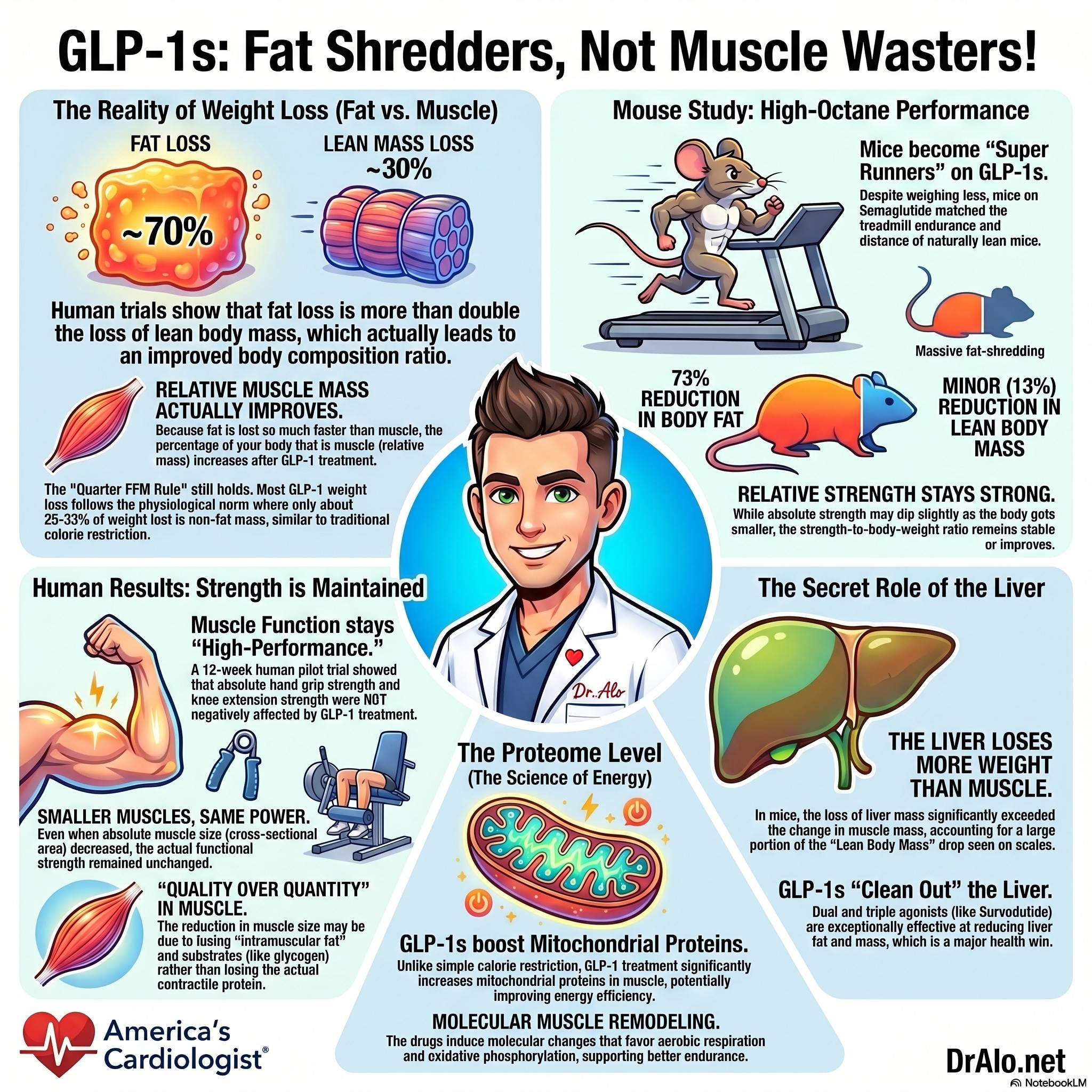
Weight loss drugs such as Ozempic help millions achieve significant results, but research confirms that rapid weight reduction often leads to the depletion of lean tissue. Without strategic intervention, patients typically see 20% to 30% of their total weight loss coming from muscle, which can lower the basal metabolic rate and lead to long-term health complications.
Why Ozempic Causes Muscle Loss: The Metabolic Reality
The biological mechanism behind muscle loss on modern weight loss drugs is straightforward but concerning. When medications like semaglutide suppress appetite so effectively that a patient enters a severe calorie deficit, the body begins looking for alternative energy sources. If the deficit is too steep, the body breaks down skeletal muscle to keep up with metabolic demands.
In the landmark STEP 1 clinical trial for semaglutide, participants lost a mean of 6.9 kg (15.1 lbs) of lean body mass, which accounted for approximately 40% of their total weight loss over 68 weeks. This loss of lean body mass can lead to a condition known as sarcopenic obesity. This is a metabolic state where an individual's weight drops, but their body fat percentage remains high because they have lost a disproportionate amount of muscle.
Furthermore, a systematic review of 36 randomized controlled trials found that the median share of total weight loss coming from muscle-related tissue in patients taking GLP-1 medications was approximately 34.9%. These figures highlight significant risks of weight loss drugs that patients must address early in their treatment.
Warning Signs: Is Your Weight Loss Hitting Your Muscle?
The scale only tells part of the story. If you are using weight loss drugs for maintaining lean muscle, you need to look beyond the total number. Many patients celebrate "rapid weight loss" without realizing they are sacrificing their physical strength and metabolic health.
You should be vigilant for specific warning signs of muscle loss on ozempic that suggest your body is catabolizing its own tissue:
- Persistent Fatigue: Feeling exhausted even when you are getting enough sleep.
- Decreased Functional Mobility: Difficulty with tasks that used to be easy, like carrying groceries or climbing stairs.
- Loss of Strength: Finding that your usual weights at the gym feel significantly heavier or that your grip strength has diminished.
- Skin Sagging: Rapid loss of lean tissue can lead to a "deflated" appearance rather than a toned one.
To get an accurate picture of what is happening, experts recommend a DEXA scan. While a traditional scale measures weight, a DEXA scan evaluates your body composition. This allows you to track whether your fat-to-muscle ratio is improving or if you are simply becoming a smaller version of "skinny fat." Monitoring these metrics is the only way to truly mitigate ozempic and sarcopenia risk factors.
The Muscle Preservation Protocol: Diet & Training
The good news is that muscle loss is not an inevitable consequence of using weight loss drugs. By implementing a specific "Preservation Protocol," you can prioritize fat oxidation while keeping your functional tissue intact.
Prioritize Protein Intake
The most critical factor is your protein intake for weight loss drug users. Because these drugs reduce appetite, you must ensure that every calorie counts. Aim for 1.2 to 1.6 grams of protein per kilogram of body weight. Focus on high-quality sources rich in essential amino acids, such as lean meats, eggs, Greek yogurt, or high-quality whey protein isolates. This consumption provides the building blocks necessary for muscle repair and prevents the body from breaking down existing tissue for energy.
Resistance Training
You cannot maintain muscle without giving the body a reason to keep it. Engaging in resistance training while on glp-1 medications is mandatory for long-term health. A schedule of two to four sessions per week focusing on hypertrophy (muscle growth) is ideal. This mechanical stress signals to your body that skeletal muscle is still needed, even during a caloric deficit.
Nutrient Density and Hydration
Focus on nutrient density rather than just calorie counting. Supplementing with creatine monohydrate can also help support muscle hydration and energy during workouts. Additionally, follow the "Hydration Rule": aim to drink at least half your body weight in ounces of water daily to support metabolic processes and nutrient transport.
Comparing 2026 Weight Loss Drugs: Efficacy vs. Risk
As we move through 2026, the market for weight loss drugs has expanded significantly beyond simple injections. Doctors now have more tools to choose from, each with varying risks regarding lean mass retention.
| Drug Name | Type of Medication | Administration | Primary Muscle Loss Risk |
|---|---|---|---|
| Wegovy (Semaglutide) | GLP-1 Receptor Agonist | Weekly Injection/Daily Pill | Moderate to High (40% in some trials) |
| Zepbound (Tirzepatide) | GIP/GLP-1 Dual Agonist | Weekly Injection | Moderate (more potent fat loss) |
| Foundayo (Orforglipron) | Oral Non-Peptide GLP-1 | Daily Pill | Variable (depending on dose) |
| Retatrutide | Triple Agonist (GIP/GLP-1/Glucagon) | Weekly Injection | High (due to extreme weight loss speed) |
When asking what is the strongest weight loss prescription pill, many are looking toward the 2026 release of oral Wegovy or Foundayo. While these oral types of weight loss drugs are more convenient, they carry the same risks. Clinical estimates suggest that between 25% and 40% of total weight lost may be lean mass if you don't follow a strict protein and exercise regimen. Choosing between these glp-1 drugs for weight loss should always involve a discussion with your physician about your specific body composition goals.
FAQ
What's the most effective weight loss drug?
Currently, Tirzepatide (Zepbound) and the experimental Retatrutide are considered the most effective in terms of total weight reduction. However, "effective" should also include the quality of weight lost. The most effective protocol for 2026 is one that combines these powerful glp-1 drugs for weight loss with a high-protein diet and strength training to ensure the weight lost is predominantly fat, not muscle.
Which is safer, Ozempic or Wegovy?
Ozempic and Wegovy both contain the same active ingredient, semaglutide. Ozempic is FDA-approved for Type 2 diabetes, while Wegovy is approved specifically for chronic weight management at a higher dose. Neither is inherently "safer" than the other, as they carry the same side effect profile, though the higher doses of Wegovy may lead to more significant appetite suppression and a higher risk of muscle loss if calories are restricted too severely.
Which medicine is best for weight loss?
The "best" medicine depends on your medical history and metabolic needs. For those with a significant amount of weight to lose, a dual agonist like Zepbound often yields faster results. For those looking for convenience in 2026, oral options like Foundayo or the oral version of Wegovy are becoming top choices. The best medicine is always one used under medical supervision with a plan to monitor body composition.
Why are people stopping Wegovy?
Many people stop taking Wegovy due to gastrointestinal side effects such as nausea and vomiting. However, a growing number of patients are also stopping because of the loss of functional mobility and muscle strength. When weight loss is too rapid, the resulting fatigue and "skinny fat" appearance lead some to seek more sustainable alternatives or to lower their dosage to a maintenance level where they can better manage their nutrition.
Consultation & Next Steps
Navigating the world of weight loss drugs requires a proactive approach to longevity. If you are experiencing warning signs like persistent weakness or a plateau in your basal metabolic rate, it may be time to consult your doctor about your dosage.
The goal for 2026 is "Healthy Weight Loss," not just "Weight Loss." This means focusing on your DEXA scan results rather than just the number on your bathroom scale. Before starting any of these therapies, ensure you have a baseline for your skeletal muscle mass and a dedicated protein plan in place. By combining cutting-edge pharmacology with ancestral movement patterns like resistance training, you can achieve the body you want without sacrificing the strength you need to live a long, vibrant life.