Quick Facts
- Safety Status: Expired medications lose guaranteed potency and may develop toxic byproducts as chemical components degrade.
- Stability Limit (Ozempic): Maximum of 56 days for opened pens when stored at room temperature.
- Stability Limit (Compounded): Typically limited to 28 days for opened vials due to preservative breakdown.
- Visual Red Flags: Look for cloudiness, discoloration, or visible floating particles in the solution.
- Primary Risk: Reduced therapeutic efficacy, unpredictable blood sugar volatility, and high risk of bacterial contamination.
- Key Resource: Utilization of FDA-approved medication disposal programs is essential for expired products.
The primary side effects of taking expired medication include reduced therapeutic efficacy, potential toxic reactions due to chemical degradation, and serious infections from lost injectable sterility. GLP-1 receptor agonists like semaglutide are especially vulnerable; once they pass their shelf-life, structural changes in peptides can lead to sub-potent formulas that fail to manage appetite and may cause adverse metabolic reactions.
Using weight loss drugs past their expiration date is more than just a matter of reduced effectiveness. Whether you are using Ozempic, Wegovy, or compounded semaglutide, chemical degradation and the loss of injectable sterility can lead to serious health complications. This guide breaks down the side effects of taking expired medication, how to identify spoiled formulas, and the FDA-recommended steps for safe disposal to protect your health and progress. When you rely on these advanced treatments to manage chronic conditions or metabolic health, understanding the shelf-life stability of your prescription is as important as the dose itself.
The Science of Stability: Why Expiration Dates Matter for GLP-1s
When a manufacturer sets an expiration date, they are providing a legal and scientific guarantee of a drug's safety and potency. For complex medications like GLP-1 receptor agonists, this date is not a mere suggestion. These drugs are protein-based, meaning they consist of delicate chains of amino acids known as peptides. Unlike a simple aspirin tablet that might remain stable in a dry bottle for years, liquid peptides are highly sensitive to their environment.
The chemical degradation of these substances begins the moment they are manufactured, but it accelerates significantly once the medication reaches its labeled expiration or "use-by" date. Factors such as light exposure, fluctuations in temperature, and even the vibration of transport can weaken the molecular bonds within the semaglutide or tirzepatide molecule. When these structural changes in peptides occur, the drug effectively changes shape. Since these medications work like a key in a lock—binding to specific receptors in your gut and brain—a misshapen molecule simply won't fit. This leads to a total loss of therapeutic efficacy, where you might be injecting the drug but receiving none of the appetite-suppressing benefits.
Furthermore, shelf-life stability is not just about the active ingredient. Liquid injectables rely on a complex balance of buffers and preservatives to keep the solution at the correct pH. As these components break down, the environment inside the vial or pen becomes unstable. This can cause the drug to precipitate or "fall out" of the liquid, resulting in those visible particles sometimes seen in spoiled medication.
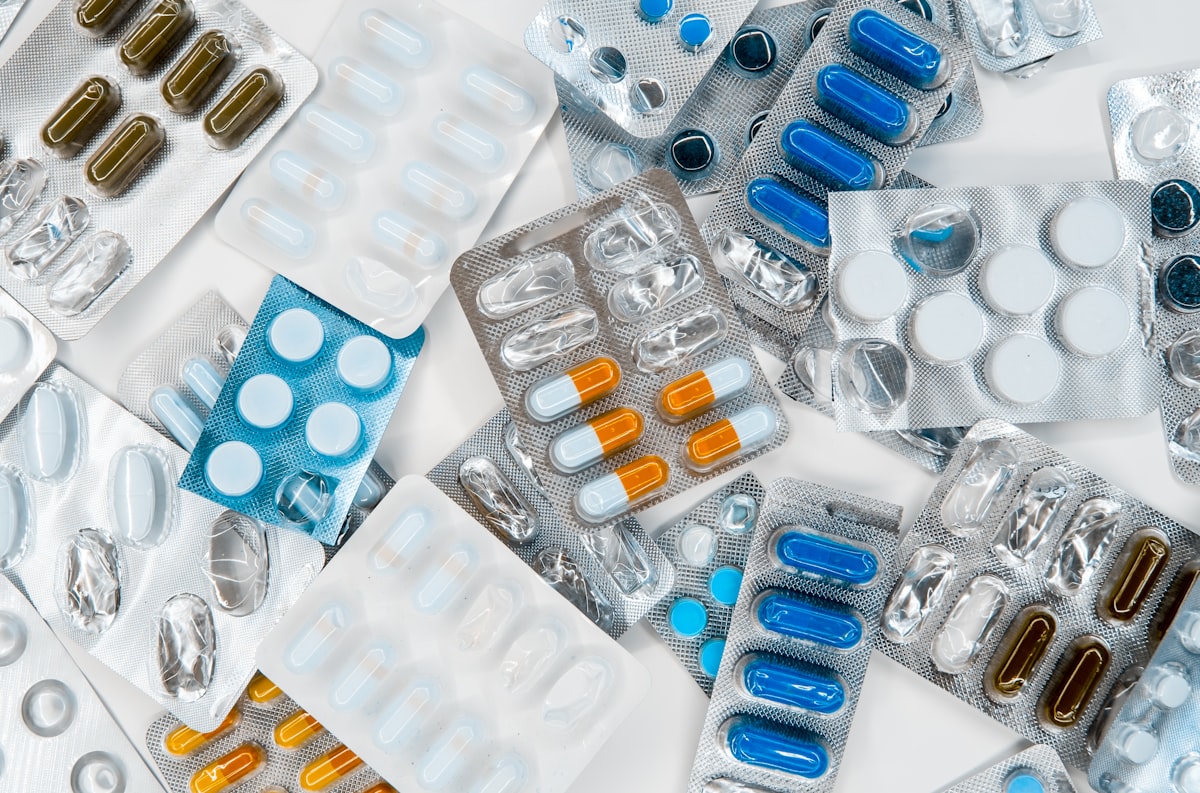
Potency vs. Toxicity: What Happens After the Date?
The transition from a fresh medication to an expired one creates two distinct problems for the patient: it stops working correctly and, in some cases, it starts behaving like a toxin. According to the U.S. Food and Drug Administration (FDA), an expiration date is the final day a manufacturer guarantees the full potency and safety of a medication, after which chemical decomposition can lead to decreased strength and the formation of toxic byproducts.
For patients trying to lose weight, the loss of potency is the first hurdle. Research on peptide-based medications suggests that injectable weight loss drugs can lose between 10% and 30% of their therapeutic potency within the first month after their labeled expiration date. This creates sub-potent formulas that lead to the return of "food noise" and uncontrolled hunger, effectively stalling your metabolic progress. Even more dangerous is the resulting blood sugar volatility. If you are using these medications to manage pre-diabetes or Type 2 diabetes alongside weight loss, an expired dose may fail to stimulate insulin secretion, leading to unexpected spikes in glucose levels.
Beyond mere ineffectiveness, there is the lingering question of what medications become toxic after expiration. While most weight loss drugs don't turn into poison overnight, the decomposition byproducts can trigger systemic issues. There have been documented clinical cases, such as a 2023 report involving peptide stability, where degraded biological products triggered inflammatory responses in the body. Taking a degraded semaglutide product could potentially lead to adverse metabolic reactions as the body tries to process these unintended chemical fragments. This is why the safety of using expired injectable weight loss drugs is never guaranteed by medical professionals.
The Infection Risk: Sterility and Injectable Safety
While chemical breakdown is a major concern, the loss of injectable sterility is arguably the most immediate threat to your health. Any medication that requires a needle to enter the body must be completely free of bacteria and fungi. Manufacturers include preservative systems (like phenol or metacresol) in multi-dose pens and vials to prevent microbial growth. However, these preservatives have a limited lifespan.
Using expired injectable medications poses a significant risk of bacterial or fungal contamination because the preservative systems designed to maintain sterility can degrade and lose effectiveness over time. Once the preservative level drops below a certain threshold, the fluid inside the pen becomes a breeding ground for pathogens.
If you use a contaminated dose, you risk:
- Localized Infections: Redness, swelling, or abscesses at the injection site.
- Systemic Infections: Bacteria entering the bloodstream, potentially leading to sepsis in extreme cases.
- Unexpected Skin Reactions: Unusual rashes or hives that do not resemble the typical mild irritation associated with GLP-1s.
The risks of using expired semaglutide for weight loss are compounded by the fact that many users do not realize their preservative system has failed. Since bacteria are invisible to the naked eye, a solution might look clear while actually teeming with microbes. This is why following FDA safety guidelines regarding discard dates is non-negotiable for anyone using injectable therapy.
How to Tell if Your Medication Has Gone Bad (Visual Checklist)
How long can you use medicine after expiration date? Ideally, not a single day. However, biological products can sometimes go bad even before the date on the box if medication storage conditions are not met. Heat and light are the enemies of GLP-1 drugs. If you’ve left your pen in a hot car or on a sunny windowsill, it may have degraded weeks ahead of schedule.
Use the following stability table and checklist to evaluate your current supply.
| Medication Type | Storage Condition | Stability Limit (Discard After) |
|---|---|---|
| Ozempic / Wegovy Pen | Unopened (Refrigerator 2°C–8°C) | Until Expiration Date |
| Ozempic / Wegovy Pen | Opened (Room Temp up to 30°C) | 56 Days |
| Zepbound / Mounjaro | Opened (Room Temp) | 21 Days |
| Compounded Semaglutide | Multi-dose vial (Refrigerator) | Typically 28 Days |
The "Safety Light" Checklist
- Green (Safe): The liquid is crystal clear, colorless, and has been stored in the refrigerator or within the room-temperature window. There is no visible debris.
- Yellow (Caution): The medication is approaching its 56-day (Ozempic) or 28-day (Compounded) limit. Check your calendar and prepare to dispose of the remainder.
- Red (Danger): The liquid is cloudy, has changed color (yellowish or brownish), or has visible particles or "floaties." The expiration date has passed. Do not inject.
Always remember that how to tell if weight loss medication has gone bad involves both the calendar and your eyes. If either indicates a problem, the safest path is a pharmacist consultation to secure a fresh supply.
What to Do If You Accidentally Took Expired Medicine
If you realize after the fact that you have used an expired dose, do not panic, but do take immediate action. The specific what to do after taking expired medicine protocol involves monitoring your body for the next 24 to 48 hours. Start by checking your blood sugar if you have a glucometer, as the most common effect is a lack of glucose control.
You should watch for symptoms of taking expired medicine such as:
- Severe gastrointestinal distress beyond your usual side effects.
- High fever or chills (signs of potential infection).
- Abscesses or increasing pain at the injection site.
- Total lack of appetite suppression, as if you had skipped the dose entirely.
Contact your healthcare provider or pharmacist immediately to report the incident. They can advise you on when it is safe to take your next valid dose and whether you need antibiotics for a potential skin infection.
Finally, ensure you are utilizing the proper way to dispose of expired weight loss drugs. You should never throw pens or vials into the regular household trash or flush them down the toilet. This can lead to environmental contamination and accidental needle sticks for waste management workers.
The FDA recommends using authorized medication disposal programs. Most manufacturers, like Novo Nordisk, provide free sharps containers and mail-back programs. Alternatively, you can search for local "Take Back" locations at neighborhood pharmacies. Using these resources ensures that your journey toward better health remains a safe one.
FAQ
What happens to your body if you take expired medication?
When you ingest or inject expired medicine, your body may experience a reduced therapeutic response because the active ingredients have broken down. In the case of GLP-1 weight loss drugs, this can lead to a sudden increase in hunger and blood sugar instability. Furthermore, if the medication has undergone chemical degradation, your body may react to new, unintended byproducts, potentially causing gastrointestinal upset or allergic-type reactions.
What should I do after taking expired medicine?
If you have already taken the medication, stop using that specific batch immediately and contact your doctor or pharmacist. Monitor your health closely for any unusual side effects or signs of infection at the injection site. It is also important to check your blood glucose levels more frequently if you are diabetic, as the loss of potency can lead to hyperglycemia. Finally, dispose of the remaining expired product using a sharps container or a designated drug take-back program.
What are the symptoms of taking expired medicine?
The symptoms can vary depending on whether the issue is potency or contamination. Common symptoms include a return of appetite and weight gain, skin rashes, redness or swelling at the injection site, and unexpected digestive issues like nausea or vomiting. If the medication was contaminated due to a loss of sterility, you might also experience signs of infection such as fever, localized heat at the injection site, or a general feeling of being unwell.