Quick Facts
- The Pre-Party Boost: Consuming a 100-300 calorie snack rich in protein and fiber before an event stabilizes hunger hormones.
- Linguistic Strategy: Switching from saying "I can't" to "I don't" shifts your dietary choices from a temporary restriction to a permanent identity.
- Physical Barrier: Keeping a low-calorie drink like sparkling water in hand acts as a "social shield" against unwanted offers of alcohol or snacks.
- Advanced Planning: Reviewing restaurant menus online before arrival significantly reduces the likelihood of impulsive, high-calorie decisions.
- The Success Gap: Data shows that 52% of dieters find the festive season the hardest time to stay on track, making proactive planning essential.
- Social Contagion: An individual's risk of developing obesity increases by 57% if a close friend also develops obesity, highlighting the power of social circles.
Navigating social events while maintaining a diet often feels like a constant battle against social conformity. To effectively handle diet peer pressure and ensure you are staying on track with diet at parties, you must decide on your food and drink limits before arriving, use assertive "I" statements to set clear boundaries, and utilize physical props like a glass of sparkling water to signal you are already satisfied.
1. Master the 'Pre-Game' Strategy: Biological Defense
We have all been there: arriving at a dinner party on an empty stomach, only to find that the appetizers are deep-fried and the main course is delayed by two hours. When we are hungry, our willpower is at its lowest because our biology takes over. The hormone ghrelin, often called the hunger hormone, spikes, while leptin, the hormone that signals fullness, drops. In this state, resisting diet peer pressure becomes nearly impossible.
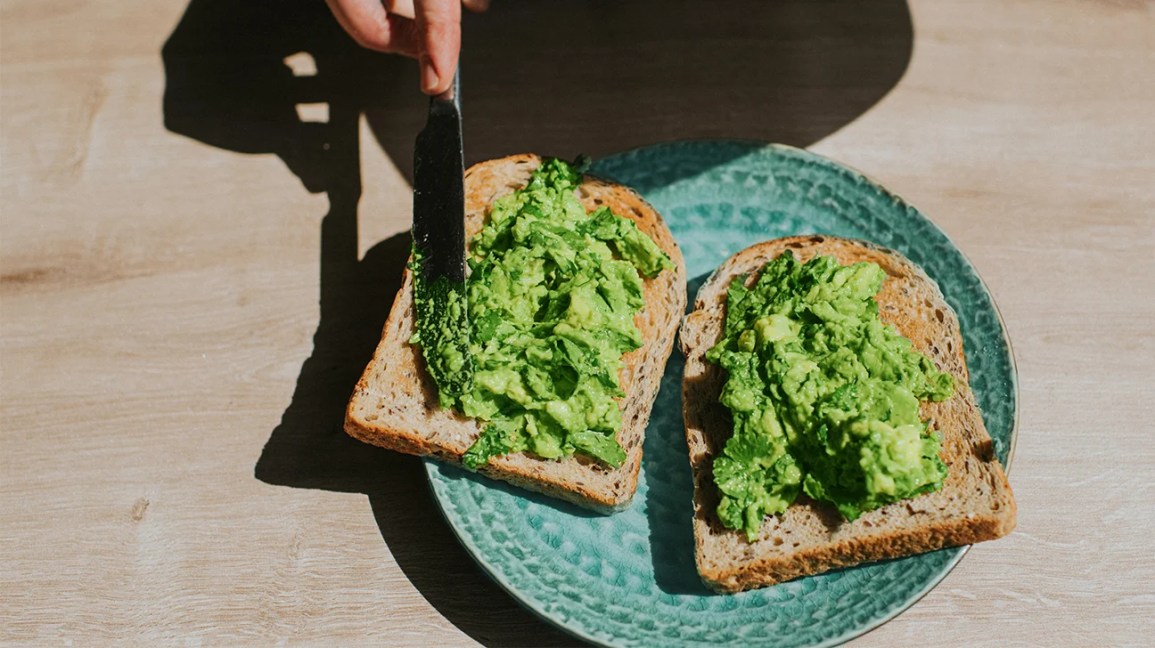
To combat this, we recommend a biological "pre-game." Eating a healthy snack before a party to avoid overeating is one of the most effective ways to maintain control. Aim for something between 100 and 300 calories that is high in protein and fiber, such as a small bowl of Greek yogurt with berries or an apple with a tablespoon of almond butter. This stabilizes your blood sugar and keeps ghrelin in check, allowing you to make logical choices rather than impulsive ones driven by starvation.
The importance of this preparation is backed by the reality of social influence. Research indicates that an individual's risk of developing obesity increases by 57% if they have a friend who also develops obesity. This statistic underscores how much our social circles dictate our dietary outcomes. By arriving at an event already feeling satisfied, you create a buffer between your goals and the "contagious" eating habits of the group.
2. Use the 'Identity Script' to Handle Food Pushers
One of the greatest challenges in any nutritional journey is the "food pusher"—the well-meaning friend or relative who insists you try "just one bite" of their famous cheesecake. Learning how to decline food politely is an essential skill that requires a shift in how we communicate our boundaries.
A powerful psychological technique involves a simple linguistic swap. Instead of saying "I can't eat that," which implies you are being forced by an external rule and are currently suffering, say "I don't eat that." Research suggests that "I don't" feels like a choice based on identity, whereas "I can't" feels like a temporary deprivation. When you use identity-based language, food pushers are less likely to argue because they perceive it as a personal value rather than a diet you might be tempted to break.
The Assertive Communication Toolkit
| Situation | Weak Response (Invites Pressure) | Identity-Based Script (Sets Boundary) |
|---|---|---|
| Office Birthday Cake | "I'm on a diet, so I can't." | "No thank you, I don't eat cake during the week." |
| Family Dinner Seconds | "I'm trying to lose weight." | "It was delicious, but I’m sticking to a plan for my health." |
| Alcohol at a Party | "I'm the designated driver." | "I don't feel my best when I drink, so I'm sticking to water." |
| Deep-Fried Appetizers | "I shouldn't have those." | "No thanks, I’m full and those don't agree with my energy levels." |
When you are looking for effective ways to explain dietary needs to friends, focus on "I" statements that center on your well-being. For example, mentioning blood sugar management or how certain foods make you feel sluggish avoids critiquing the host’s food while firmly establishing your nutritional boundaries. This approach helps in handling food pushers without causing unnecessary social friction.

3. The 'Social Shield' and Physical Props
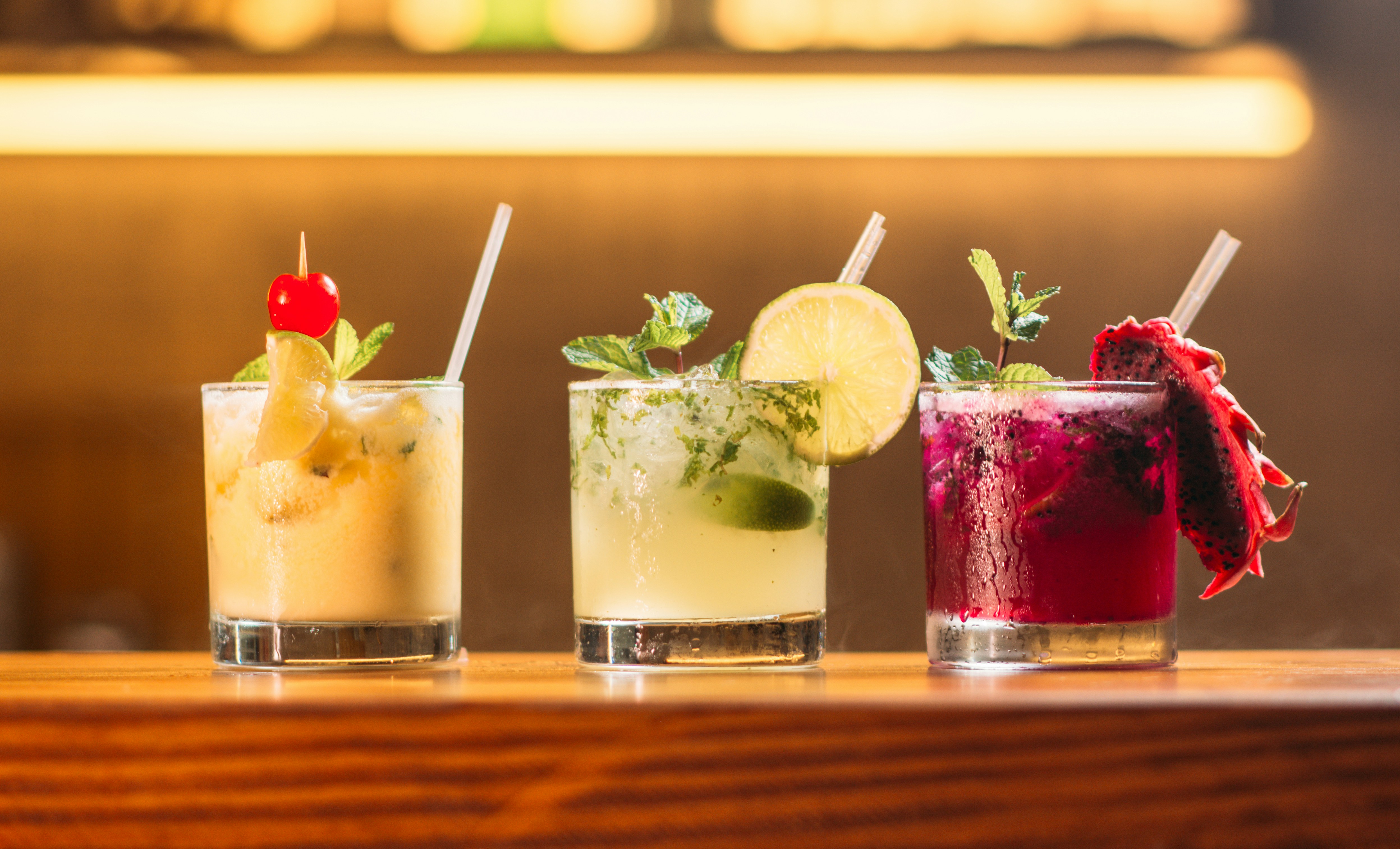
In many social settings, the pressure to eat or drink stems from the host's desire to be hospitable. If your hands are empty, you become a target for "hospitality strikes." This is where the "Social Shield" comes into play. By keeping a low-calorie drink like sparkling water or a mocktail in your hand throughout the night, you provide a visual cue that you are already "taken care of."
This strategy is particularly effective for choosing non-alcoholic options to avoid social drinking pressure. We are seeing a massive cultural shift toward "sober-curiosity," especially among younger generations like Gen Z, who have reduced their alcohol consumption by nearly 20% compared to previous generations. Holding a glass of club soda with a lime or a splash of cranberry juice mimics the appearance of a cocktail, which often stops the "Why aren't you drinking?" questions before they even start.
Using these physical props allows you to remain staying on track with diet at parties while staying fully engaged in the conversation. It shifts the focus from what you are not consuming to the social connection itself. If someone offers you a high-calorie appetizer, you can simply gesture to your glass and say, "No thank you, I'm all set for now."
4. Specific Scenarios: From the Office to Family Dinners
Different environments require different tactical approaches. The office and the family dining table are often the two most high-pressure zones for any dieter. In a professional setting, food is often used as a tool for team bonding. However, a cross-sectional study of employees found that co-workers hindered participants' plans for healthy diets in 75.4% of cases.
To manage this, use these tips for avoiding office breakroom food pressure:
- The "Out of Sight" Rule: If someone brings donuts, don't walk through the breakroom. Change your route to the coffee machine.
- The "Hero Dish" Strategy: When a potluck is announced, volunteer to bring a high-quality healthy dish that you know fits your macros. This ensures there is at least one thing you can eat heartily.
When it comes to managing diet goals at family holiday dinners, the pressure is often emotional. Grandparents or parents may equate eating with love. According to survey data, 52% of dieters report that it is more difficult to adhere to their nutritional plans during the festive season. In these cases, focus on portion management. You can also learn how to handle food gifts from friends while on a diet by graciously accepting the gift but stating you'll save it for a special occasion later, rather than eating it on the spot.
5. Environmental Design and the 'Invisible Diet'
Willpower is a finite resource. If you rely solely on your "inner strength" to resist diet peer pressure all night, you will eventually fatigue. Instead, focus on environmental design—the art of making the right choice the easiest choice.
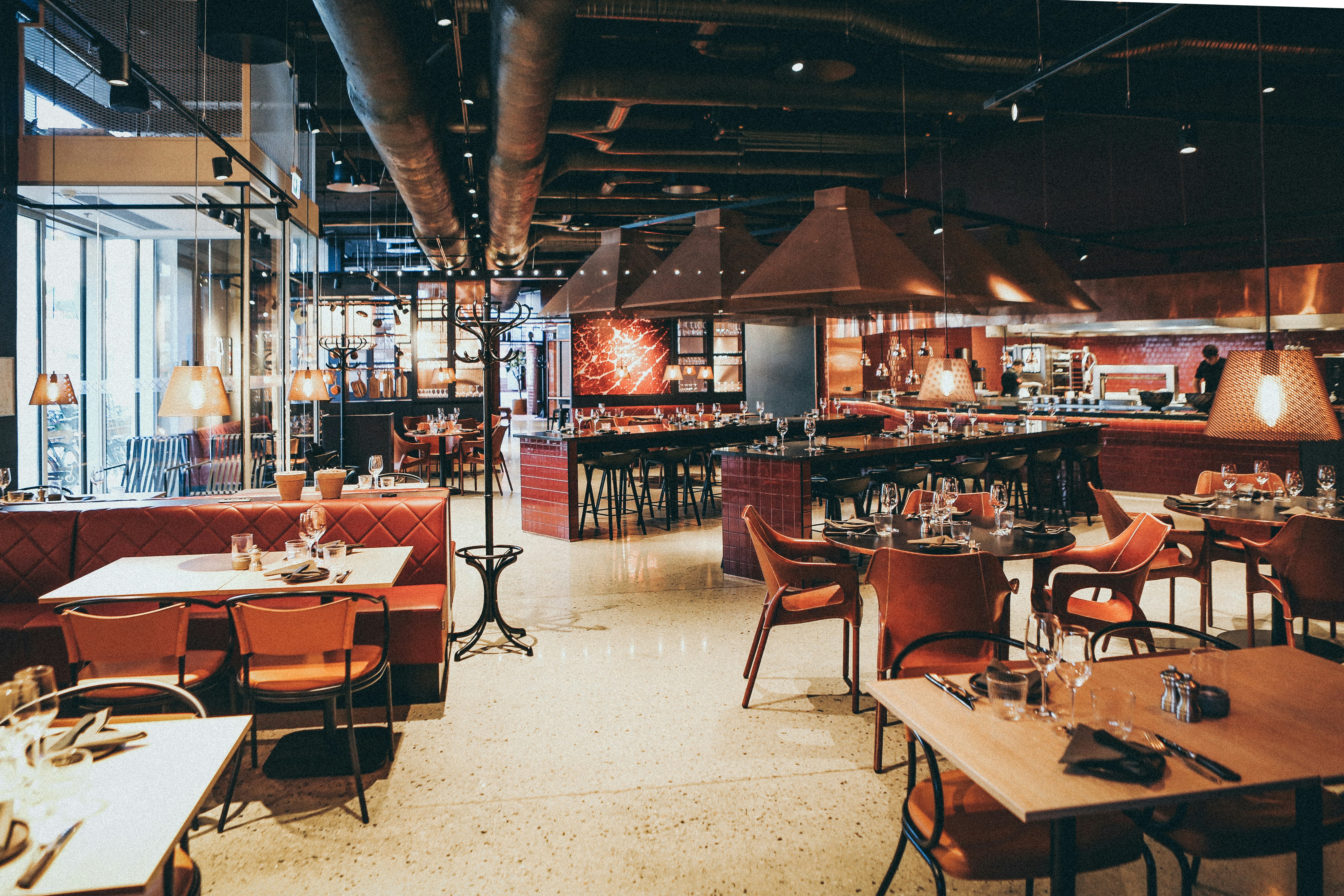
Before you even leave your house, spend five minutes reviewing restaurant menus in advance. Decide exactly what you will order before you sit down. Once you are at the table and the social pressure starts to build, your decision is already made. You don't have to scan the menu and feel tempted by the descriptions of deep-fried specials because you have already pre-committed to the grilled salmon and asparagus.
We also advocate for the "Invisible Diet." You don't always need to announce that you are dieting. Often, announcing a diet invites others to "test" your resolve or offer "cheat day" justifications. By simply making healthy choices without the fanfare, you reduce the target on your back. If you do happen to slip up, practice self-compassion. High stress and guilt increase cortisol levels, which can further disrupt your metabolism and lead to more binge eating. Acknowledge the slip, and simply return to your plan at the next meal.
FAQ
How do you deal with diet peer pressure?
Dealing with pressure requires a mix of pre-event preparation and assertive communication. Start by eating a small, high-protein snack before you leave to keep hunger at bay. Once you are at the event, stay firm with your choices by using identity-based language like "I don't eat that" rather than "I can't."
Why do friends pressure you to eat unhealthy food?
Often, friends pressure others to eat because food is a social glue. If you aren't eating, they may feel judged for their own choices or feel that you aren't fully participating in the shared experience. Their pressure is usually about their own comfort, not your health.
How can I stay on my diet during social events?
Review the menu beforehand, keep a low-calorie drink in your hand as a social shield, and focus the conversation on social connection rather than the food. Bringing your own healthy dish to share is also a great way to ensure you have a safe option.
How do you politely decline food when dieting?
The best way is to be brief and positive. Try saying, "No thank you, it looks amazing, but I'm actually quite full," or "I'm sticking to a specific plan for my energy levels today, but I appreciate the offer!"
What are strategies for resisting food pushers?
Use the "broken record" technique by calmly repeating your polite refusal without offering new excuses. You can also redirect the pusher by asking them a question about the recipe or complimenting another aspect of the party to shift their focus.
How to handle family pressure to eat large portions?
Focus on the quality of the interaction rather than the quantity of the food. Use a smaller plate to make smaller portions look larger, and offer to help with cleaning or serving to keep yourself moving and away from the temptation of seconds.