Quick Facts
- Preparation Time: 15 minutes
- Difficulty: Easy/Beginner
- Core Flavor: Zesty, citrusy, and nutty
- Method: No-cook sauce
- Serves: 4 people (400g / 14oz pasta)
- Key Technique: Emulsification with starchy cooking liquid
To make Donna Hay’s lemon pesto pasta, cook spaghetti until al dente while reserving a portion of the starchy cooking water. Create the no-cook sauce by processing lemon peel, juice, toasted pine nuts, olive oil, and garlic in a food processor until finely chopped. Blend in grated parmesan and fresh basil to form a smooth paste, then toss with the hot pasta and reserved water for a glossy finish.
The 15-Minute Secret: Parallel Workflow
In the world of home cooking, few names carry as much weight as Donna Hay. The Australian culinary icon has built an empire on the philosophy that sophisticated food doesn't have to be complicated. With more than 7 million copies of her cookbooks sold worldwide, her approach has redefined the modern kitchen. This specific lemon pesto pasta recipe is a standout feature of her cookbook 'Too Easy,' a collection specifically designed to offer meals that are faster than takeaway.
The secret to achieving a high-quality quick weeknight pasta dinner lies in the parallel workflow. While a traditional bolognese might require hours of simmering, this zesty lemon spaghetti recipe utilizes the time it takes for the water to boil and the pasta to cook to prepare the entire sauce. There is no secondary pan, no sautéing of aromatics, and no reduction required.
By using a food processor, you compress what would be twenty minutes of meticulous chopping into a mere sixty seconds of pulsing. This efficiency is the cornerstone of the Donna Hay lemon pesto method. While the spaghetti (or your choice of long pasta) dances in salted boiling water, you are free to assemble a vibrant, raw sauce that captures the essence of summer meal inspiration. This Mediterranean flavor profile relies on the heat of the freshly drained pasta to "cook" the garlic and melt the cheese, ensuring the fresh basil leaves maintain their bright green hue and volatile oils.
Ingredients and Equipment
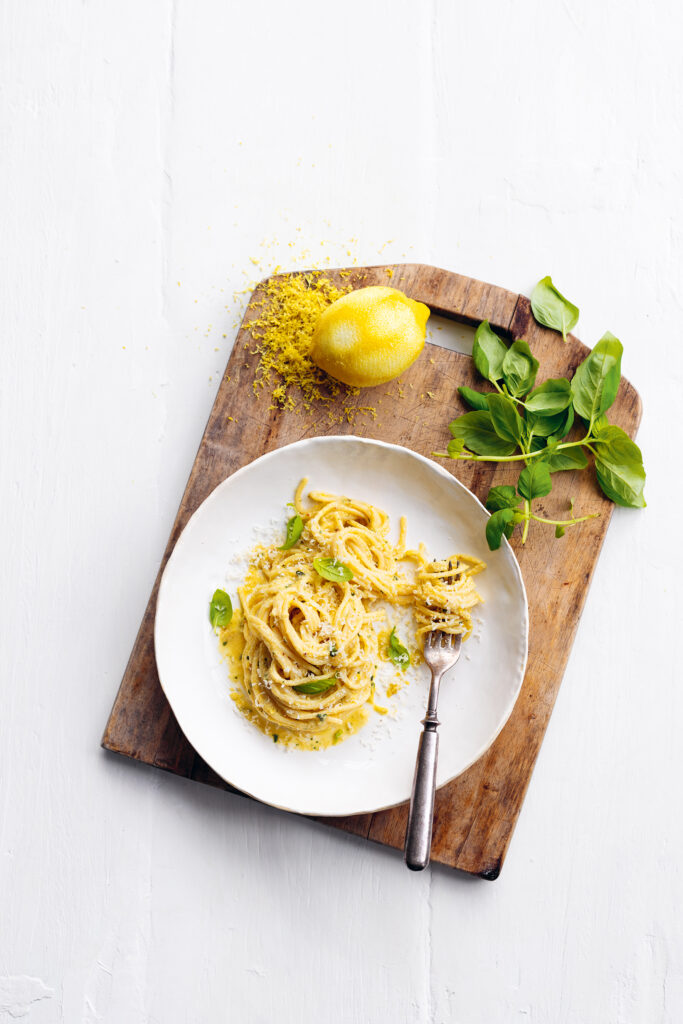
Precision is the difference between a good meal and a great one. When Donna Hay develops a recipe, the measurements are calculated to balance acidity, fat, and salt perfectly. For this signature lemon pesto pasta, the recipe calls for approximately 35 grams of lemon peel and 80 milliliters of lemon juice. This specific ratio ensures the sauce is assertive without being overwhelming.
To achieve the best results, gather the following ingredients:
- 400g (14oz) high-quality dried spaghetti or linguine.
- 35g (approx. 1.2oz) lemon peel, yellow part only (roughly 2 large lemons).
- 80ml (1/3 cup) fresh lemon juice.
- 1.25 cups (100g / 3.5oz) finely grated parmesan cheese.
- 1/2 cup (75g / 2.6oz) toasted pine nuts.
- 1/2 cup (125ml / 4.2floz) high-quality extra virgin olive oil.
- 2 cloves of fresh garlic, peeled.
- 2 cups firmly packed fresh basil leaves.
- Sea salt and cracked black pepper to taste.
Regarding equipment, a standard food processor is the preferred tool for achieving the right texture. If you don't have one, a high-speed blender or a stick blender can work, though you must be careful not to over-process the sauce into a liquid. The goal is a textured paste where you can still feel the pine nut crunch.
Choosing the right pasta is also vital. While spaghetti is the classic choice, the best pasta shapes for lemon pesto sauce are those with a large surface area, such as fettuccine or mafaldine, which allow the glossy pasta coating to adhere effectively.
Step-by-Step: The No-Cook Method
The beauty of a 15 minute lemon pesto pasta for weeknight dinner is the lack of stovetop drama. Follow these donna hay lemon pesto pasta recipe steps to ensure a restaurant-quality result every time.
-
The Pasta Foundation: Bring a large pot of heavily salted water to a boil. Add your spaghetti and cook according to the package instructions until it reaches the perfect state of al dente spaghetti. This usually takes between 8 and 11 minutes.
-
The Citrus Base: While the pasta cooks, use a vegetable peeler to remove the zest from the lemons in wide strips. Ensure you are only taking the yellow skin. Place the 35g of peel, the 80ml of juice, toasted pine nuts, garlic, and extra virgin olive oil into the food processor. Pulse until the mixture is finely chopped but not yet a liquid.
-
The Herbal Infusion: Add the finely grated parmesan and the fresh basil leaves to the processor. Pulse a few more times. You want the basil to be incorporated and the cheese to begin binding with the oil, creating a thick, vibrant green paste.
-
The Critical Step: Before you drain the pasta, use a heat-proof measuring cup to reserve at least 1/2 cup (125ml) of the starchy cooking liquid. This is the "liquid gold" that will transform a dry bowl of noodles into a professional dish.
-
The Assembly: Drain the pasta and return it to the warm pot (off the heat). Immediately pour over the lemon pesto and half of the reserved pasta water. Use tongs to toss the pasta vigorously. The heat from the noodles will slightly cook the garlic and melt the parmesan, while the starch in the water helps the oil and lemon juice emulsify into a glossy pasta coating. If it looks too thick, add the remaining pasta water a tablespoon at a time.

The Emulsion Secret: Never skip reserving the pasta water. The starch released by the wheat during boiling acts as a bridge between the oil in the pesto and the water-based lemon juice. Without it, the sauce will simply slide off the noodles and pool at the bottom of the bowl.
Expert Tips: Avoiding Bitterness and Perfect Texture
While the no-cook sauce method is incredibly forgiving, there are a few technical pitfalls to avoid. The most common complaint with citrus-based pastas is an underlying bitterness.
The Bitterness Warning: When peeling your lemons, avoid the white pith at all costs. The pith contains bitter alkaloids that are not neutralized by heat or cheese. If you see white on the back of your peel strips, gently scrape it off with a paring knife before adding the peel to the food processor.
Another tip for a refreshing lemon basil pesto pasta for summer is to manage the temperature of your ingredients. If your olive oil is stored in a very cold pantry, it may be thick. Ensure it is at room temperature so it blends smoothly with the lemon juice. Additionally, always toast your pine nuts. Raw pine nuts have a soft, almost soapy texture; toasting them for 2-3 minutes in a dry pan until golden brown unlocks their essential oils and provides that signature nuttiness that balances the sharp lemon.
If you find the sauce too "zingy," you can scale the acidity. While Donna Hay suggests 80ml, you can start with 60ml and add more at the end. Remember, you can always add more lemon, but you can't take it away once it's emulsified.
Serving and Storage Guide
This lemon pesto pasta is best served immediately, while the emulsion is at its peak silkiness. However, it is a versatile dish that can be adapted for various occasions.
For a more substantial meal, consider protein pairings. Grilled shrimp seasoned with chili flakes or a simple pan-seared chicken breast seasoned with oregano pairs beautifully with the citrus notes. For a vegetarian boost, toss in some fresh arugula or halved cherry tomatoes at the final assembly stage; the residual heat will wilt the greens just enough.
When it comes to leftovers, how to make zesty lemon pesto sauce without cooking becomes a benefit. Because the basil hasn't been heavily heated, it retains its color better than a cooked sauce. However, pesto is notorious for oxidizing. If you have leftover sauce (unmixed with pasta), place it in a small jar and pour a thin layer of olive oil over the top to seal out the air.
For reheating mixed pasta, avoid the "high" setting on your microwave, which will cause the oil to separate from the cheese, leaving you with a greasy mess. Instead, use 15-second intervals on medium power, adding a splash of water or a tiny bit more lemon juice to loosen the sauce back into a creamy consistency.
FAQ
Is lemon pesto pasta served hot or cold?
While this dish is traditionally served hot to take advantage of the melting parmesan and the emulsification of the starchy pasta water, it is equally delicious as a cold pasta salad. If serving cold, rinse the pasta briefly under cold water after boiling to stop the cooking process, then toss with the pesto. This makes it an excellent option for summer picnics or office lunches.
How do you stop pesto from turning brown on pasta?
Pesto turns brown due to oxidation, where the enzymes in the basil react with oxygen. To prevent this, ensure your basil is fresh and dry before processing. In the lemon pesto pasta recipe, the high acidity of the lemon juice actually acts as a natural antioxidant, helping to keep the basil green for longer than a traditional Pesto alla Genovese. If storing leftovers, press a piece of plastic wrap directly onto the surface of the pasta to minimize air contact.
What type of pasta works best for lemon pesto?
Long, slender noodles like spaghetti, linguine, or capellini are ideal because they provide a smooth surface for the thin, emulsified sauce to coat evenly. However, if you prefer short pasta, fusilli or gemelli are excellent choices as their spirals and ridges act as "sauce traps," holding onto the bits of garlic and crushed pine nuts.
What protein pairs well with lemon pesto pasta?
The bright, acidic profile of the lemon and the herbal notes of the basil pair perfectly with seafood, particularly grilled shrimp, seared scallops, or flaked white fish like cod. For poultry lovers, sliced grilled chicken breast with a light garlic rub is a classic choice. If you want to keep it vegetarian, try adding sautéed chickpeas or a dollop of fresh ricotta cheese on top.
Can you freeze leftover lemon pesto pasta?
It is not recommended to freeze the fully assembled pasta, as the noodles will become mushy upon thawing and the emulsion will break, resulting in a grainy texture. However, you can absolutely freeze the lemon pesto sauce itself. Freeze it in ice cube trays for easy portioning, then simply toss a few frozen cubes with hot pasta and a little reserved cooking water for an even faster 15-minute meal later on.