Quick Facts
- Yield: Serves 4 people.
- Prep Time: 15 minutes (plus optional draining time for the best results).
- Cook Time: Approximately 6 minutes per batch (3 minutes per side).
- Signature Flavor: Bright lemon, fresh basil, and savory parmesan.
- The Secret: Using firm fresh ricotta sourced from a delicatessen.
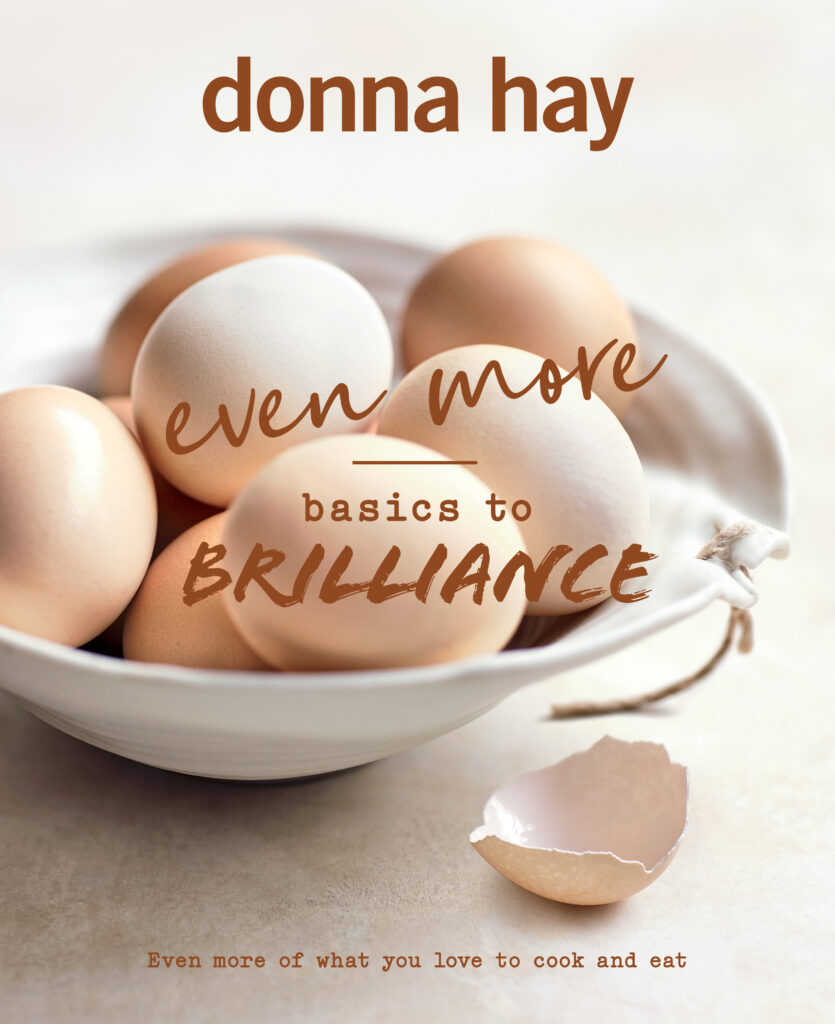
- Featured Collection: Donna Hay's Even More Basics to Brilliance.
To achieve the fluffiest ricotta fritters, use firm fresh ricotta from a delicatessen rather than pre-packaged tubs. The higher quality and drier texture of fresh deli ricotta prevent the fritters from becoming soggy, while the addition of baking powder and sifted flour creates a light, airy structure that elevates the dish from a simple snack to a gourmet experience.
Choosing the Right Ingredients: Why Quality Matters
The difference between a mediocre fritter and one that melts in your mouth often comes down to a single ingredient choice. In the world of ricotta fritters, the moisture content of your cheese is the most critical variable. Most home cooks reach for the convenient, plastic tubs of ricotta found in the dairy aisle, but these are often packed with excess whey to extend shelf life. This liquid is the enemy of a fluffy ricotta pancake recipe. When you use high-moisture cheese, the steam created during cooking turns the interior into a mushy paste rather than a delicate crumb.
Donna Hay’s ricotta fritter recipe from her Even More Basics to Brilliance collection typically requires 3 cups (720g) of firm fresh ricotta and serves 4 people. To ensure you are starting with the best ricotta for fritters, head to the delicatessen counter. Look for ricotta that is sold in a perforated metal or plastic basket, which allows the natural liquid to drain away. This delicatessen fresh cheese has a much higher fat-to-water ratio, providing the structural integrity needed to hold the fritter together without needing excessive amounts of flour.
If you cannot find delicatessen fresh cheese and must use a tub, you will need to perform a simple draining process. Line a sieve with several layers of cheesecloth and place the ricotta inside, resting the sieve over a bowl. Let it sit in the refrigerator for at least 2 hours, though overnight is preferable. This step is the most effective answer to the common question: why are my ricotta fritters soggy? By removing that extra half-cup of liquid, you guarantee a mixture that can be shaped easily and will fry up with a crisp exterior. Choosing the right ricotta for fluffy fritters is the foundation of the entire dish, ensuring every bite is light and sophisticated.
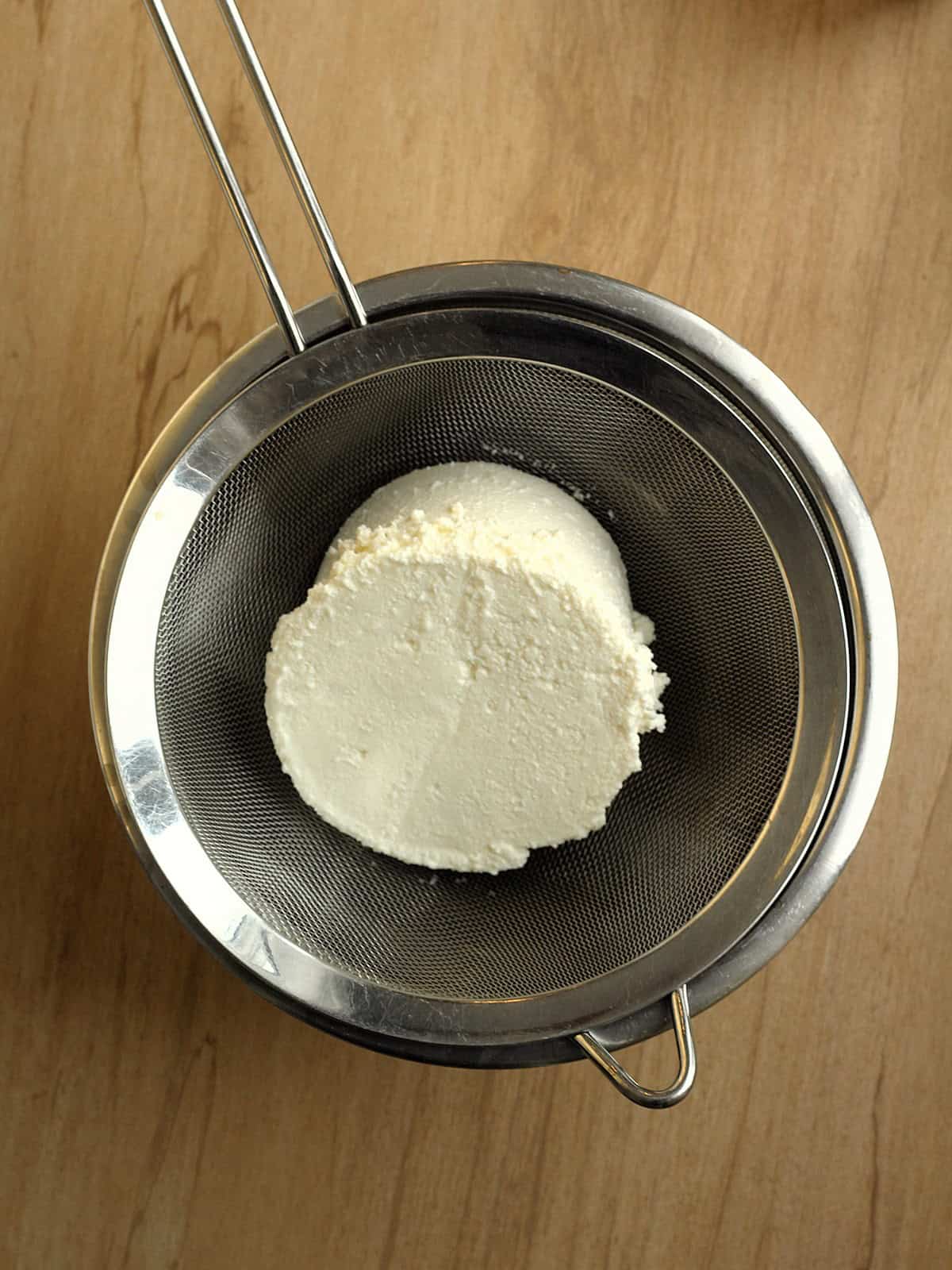
Pro-Tip: Never skip the draining step if your ricotta looks shiny or wet. Even fifteen minutes of draining can make a noticeable difference in how well the fritters hold their shape in the pan.
Step-by-Step Preparation: The Fluffy Batter Technique
Once you have your high-quality cheese, the preparation focuses on maintaining air and incorporating bright, Mediterranean flavors. This is a savory lemon basil fritters recipe that relies on the harmony of citrus and herbs. You will begin by sifting your dry ingredients. Sifting the self-raising flour (or a mix of plain flour and baking powder) is essential because it removes lumps and aerates the mixture, contributing to the overall rise during the cooking process.
In a large mixing bowl, whisk your eggs until they are light and frothy. The air you whip into the eggs provides the secondary lift. Add the lemon basil savory fritters essentials: finely grated zest of lemon, a generous amount of chopped basil, and finely grated parmesan cheese. The parmesan adds a salty, umami depth that balances the creamy ricotta and the bright acidity of the lemon. When you begin this donna hay light and fluffy ricotta fritters tutorial, remember that over-mixing is the enemy of texture.
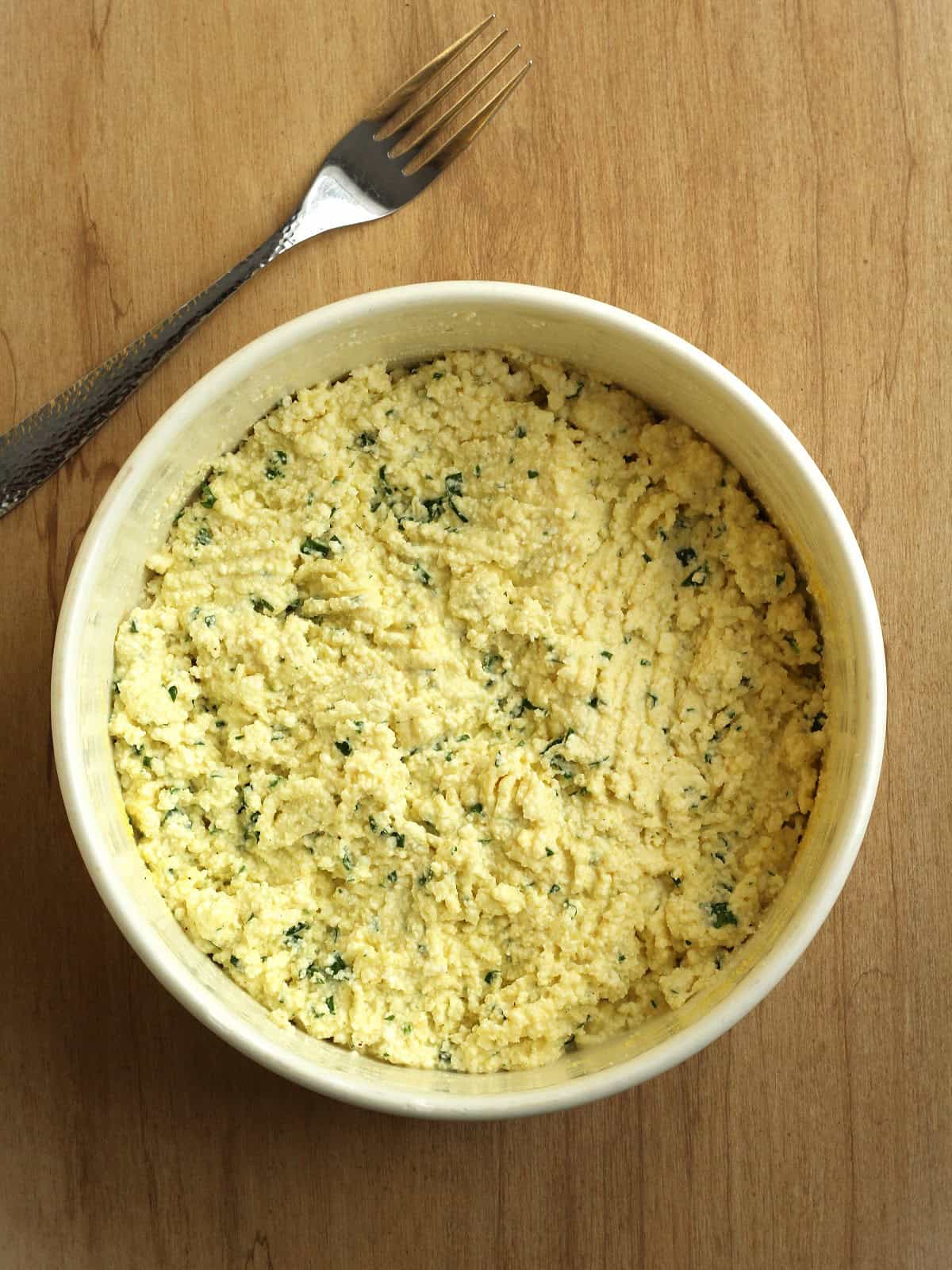
Gently fold the drained ricotta into the egg and flour mixture. You want to see small, marble-sized clumps of cheese in the batter; don't try to beat it into a smooth paste. These pockets of cheese will melt slightly during cooking, creating a contrast between the fluffy cake-like structure and the rich, creamy cheese. This step-by-step savory lemon basil fritters process should result in a batter that is thick enough to hold its shape on a spoon but light enough that it doesn't feel heavy or dense. The herbaceous aroma of the fresh basil should fill the kitchen the moment it hits the batter, promising a Mediterranean style meal that feels like a summer holiday.
The Art of Pan Frying: Achieving the Golden Brown Finish
The cooking phase is where the magic happens, turning a pale batter into golden brown treats. For the best results, use a high-quality non-stick frying pan. Heat a generous amount of extra virgin olive oil over medium heat. Using olive oil instead of a neutral vegetable oil adds an extra layer of flavor that complements the parmesan and basil perfectly.
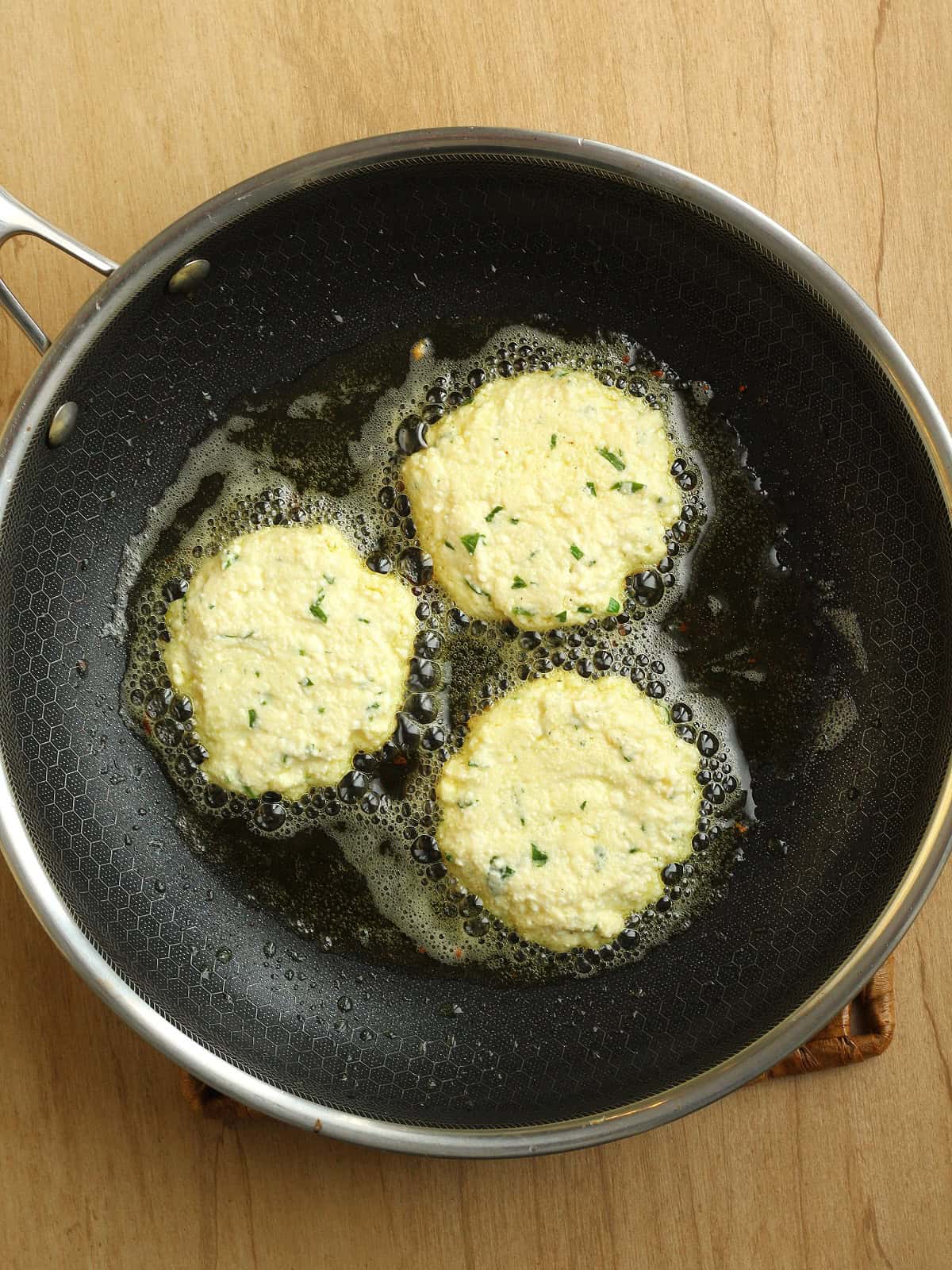
To ensure the fritters cook through without burning, follow these tips for pan frying ricotta fritters without sticking:
- Wait for the Heat: Ensure the oil is hot before adding the first spoonful. You can test this by dropping a tiny bit of batter into the pan; it should sizzle immediately.
- Measurement Matters: Drop quarter-cupfuls of the mixture into the pan. This size is easy to flip and ensures a consistent cooking time.
- The Gentle Press: Once in the pan, use the back of a spatula to flatten the fritters slightly until they are about 3/4 cm thick. This is the key to how to flatten ricotta fritters for even cooking.
- Timing is Everything: The recommended cooking time for the fritters is approximately 3 minutes per side over medium heat to achieve a golden and cooked-through texture.
Avoid the temptation to flip them too early. The first side needs time to develop a sturdy crust that will support the delicate center when you turn them over. When you see bubbles beginning to form on the surface and the edges look set and golden, it is time to flip. Cooking in batches is vital; overcrowding the pan will drop the oil temperature and lead to oil-soaked, greasy fritters rather than the desired golden brown finish.
Serving Suggestions and Troubleshooting
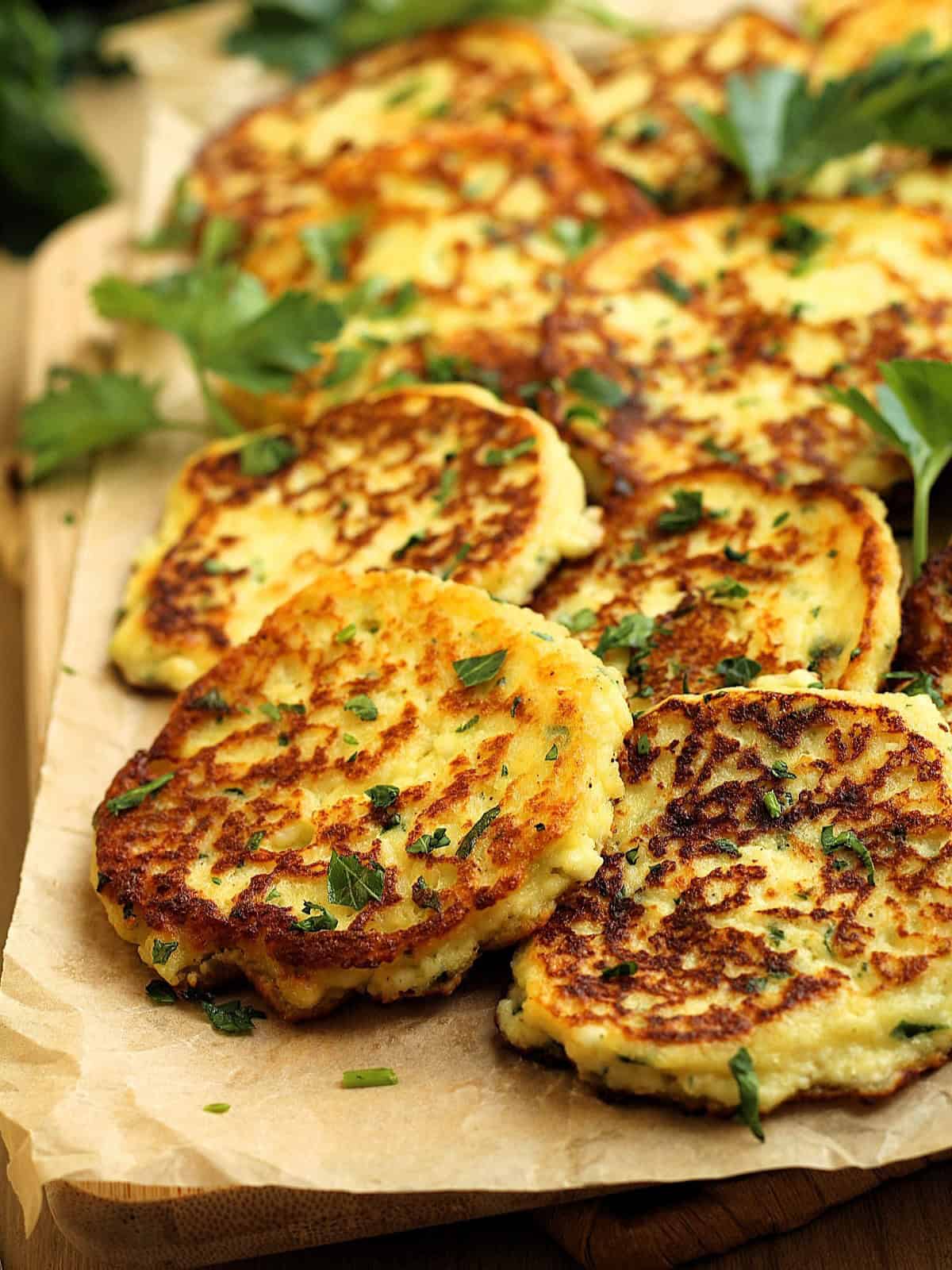
Donna Hay’s ricotta fritters are best served warm, straight from the pan, while the exterior is still crisp. For a classic presentation, serve them with fresh lemon wedges on the side. Squeezing fresh lemon juice over the hot fritters cuts through the richness of the cheese and highlights the lemon zest in the batter. Scatter a few more fresh basil leaves over the top to enhance that herbaceous aroma and add a pop of color to the plate.
If you are wondering what to serve with lemon basil ricotta fritters to make it a full meal, consider a simple arugula salad with a balsamic vinaigrette or some thinly sliced smoked salmon. The peppery notes of arugula are a natural match for the savory parmesan.
Sometimes, despite your best efforts, you might encounter issues. If you find yourself asking why are my ricotta fritters dense, it usually points to one of two things: over-mixing the batter or using old baking powder. Remember that the folding process should be very gentle to keep those air pockets intact. If the fritters are falling apart in the pan, it usually means the ricotta was too wet or the pan wasn't hot enough to sear the exterior immediately. Simple home cooking often requires these small adjustments in technique to reach that Basics to Brilliance level of perfection.
FAQ
What are ricotta fritters made of?
These fritters are primarily made of firm fresh ricotta cheese, eggs, and a small amount of self-raising flour. To add flavor, Donna Hay includes grated parmesan cheese, fresh chopped basil, and grated lemon zest. The combination of these ingredients creates a savory, Mediterranean-style profile that is both light and satisfying.
How do you keep ricotta fritters from falling apart?
The key to keeping them together is using fresh ricotta sourced from a delicatessen which is naturally firmer. Additionally, ensuring your frying pan is properly heated with extra virgin olive oil before adding the batter helps create an immediate crust that holds the shape. Avoid flipping the fritters until the bottom is fully set and golden brown.
Are ricotta fritters usually sweet or savory?
While ricotta is often used in desserts, these specific fritters are savory. The inclusion of parmesan, basil, and salt makes them an excellent choice for a light lunch, brunch, or a sophisticated appetizer. However, the basic technique can be adapted for sweet versions by replacing the herbs and cheese with sugar, cinnamon, and vanilla.
How do you reheat leftover ricotta fritters?
To maintain the crisp exterior, it is best to reheat leftovers in a dry non-stick frying pan over medium heat for 1-2 minutes per side. You can also use a toaster oven or a standard oven at 180°C (350°F) for about 5 minutes. Avoid using a microwave, as this will make the delicate cheese structure rubbery and soggy.
Why are my ricotta fritters dense?
Density usually occurs if the batter has been over-worked. When you mix the flour and eggs too vigorously, you develop gluten and deflate the air bubbles. To keep them light, sift your flour and baking powder carefully and use a gentle folding motion to combine the ingredients until they are just incorporated.