Quick Facts
- Nutrition: Approximately 60 calories and 7g protein per pop.
- Prep Time: 10 minutes of active blending and pouring.
- Freezing Time: 4 to 24 hours depending on freezer temperature.
- Shelf Life: Up to 3 months when stored in airtight containers.
- Health Benefit: Preserves 100% of vitamins and antioxidants through flash-freezing.
- Essential Equipment: High-speed blender and silicone popsicle molds.
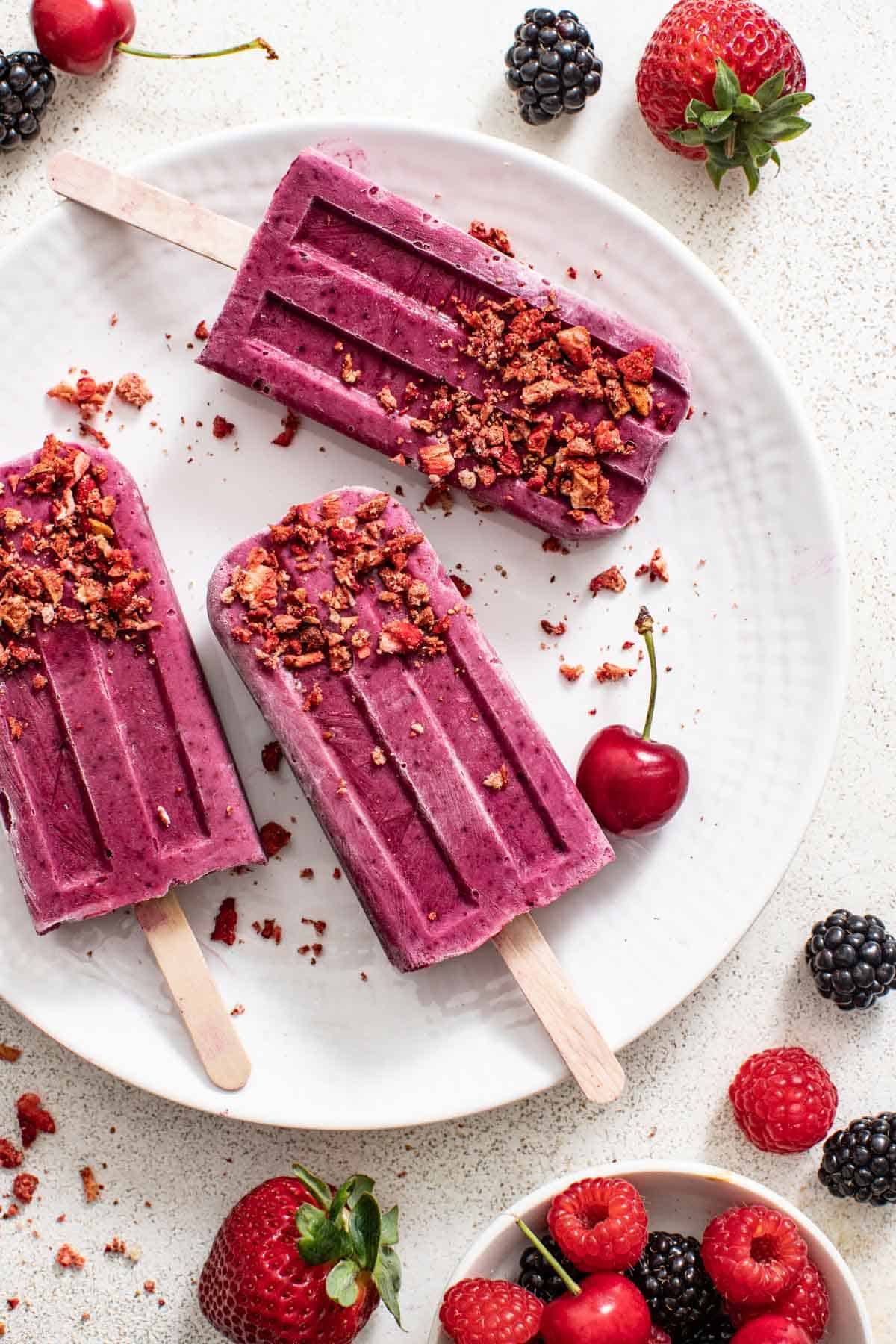
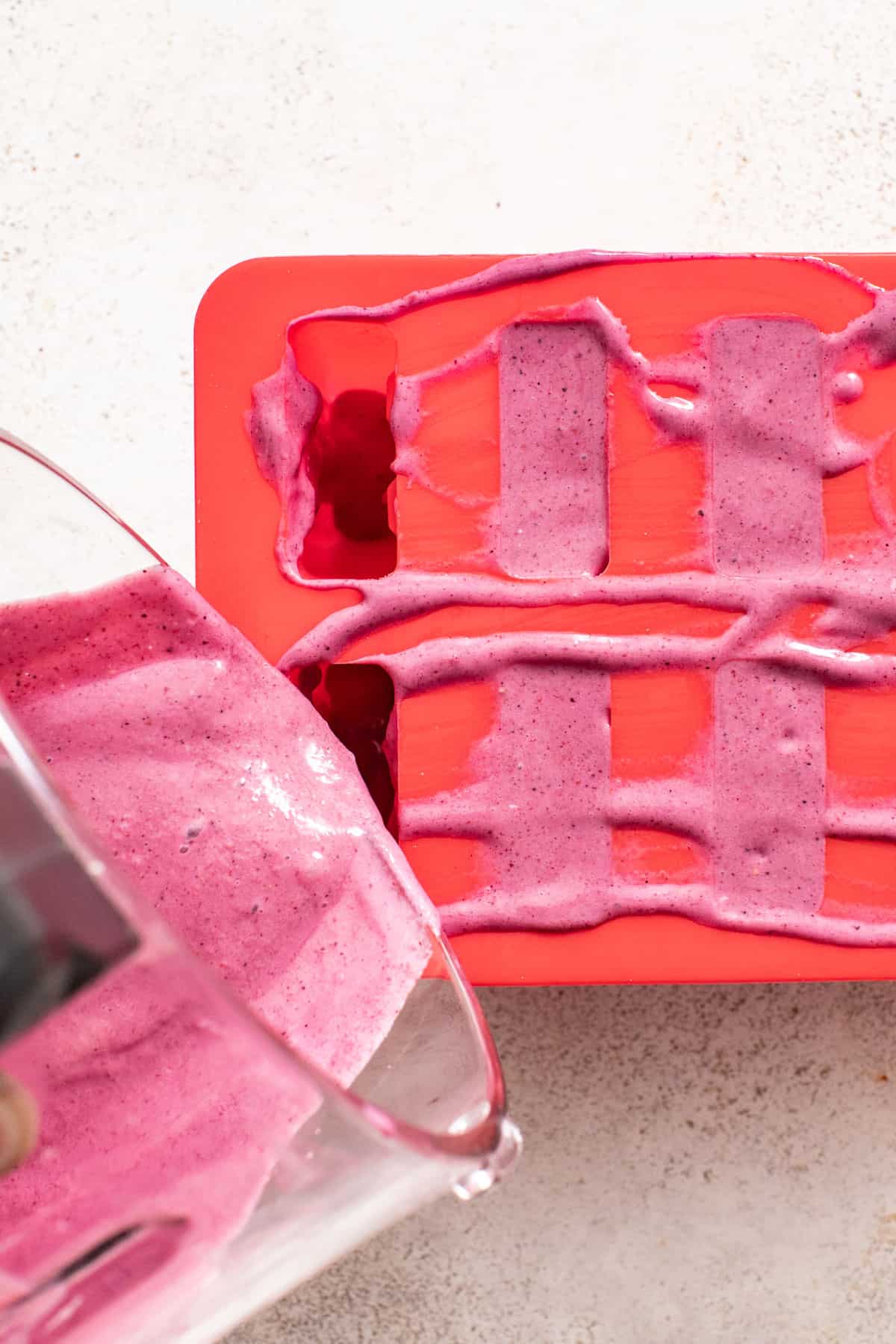
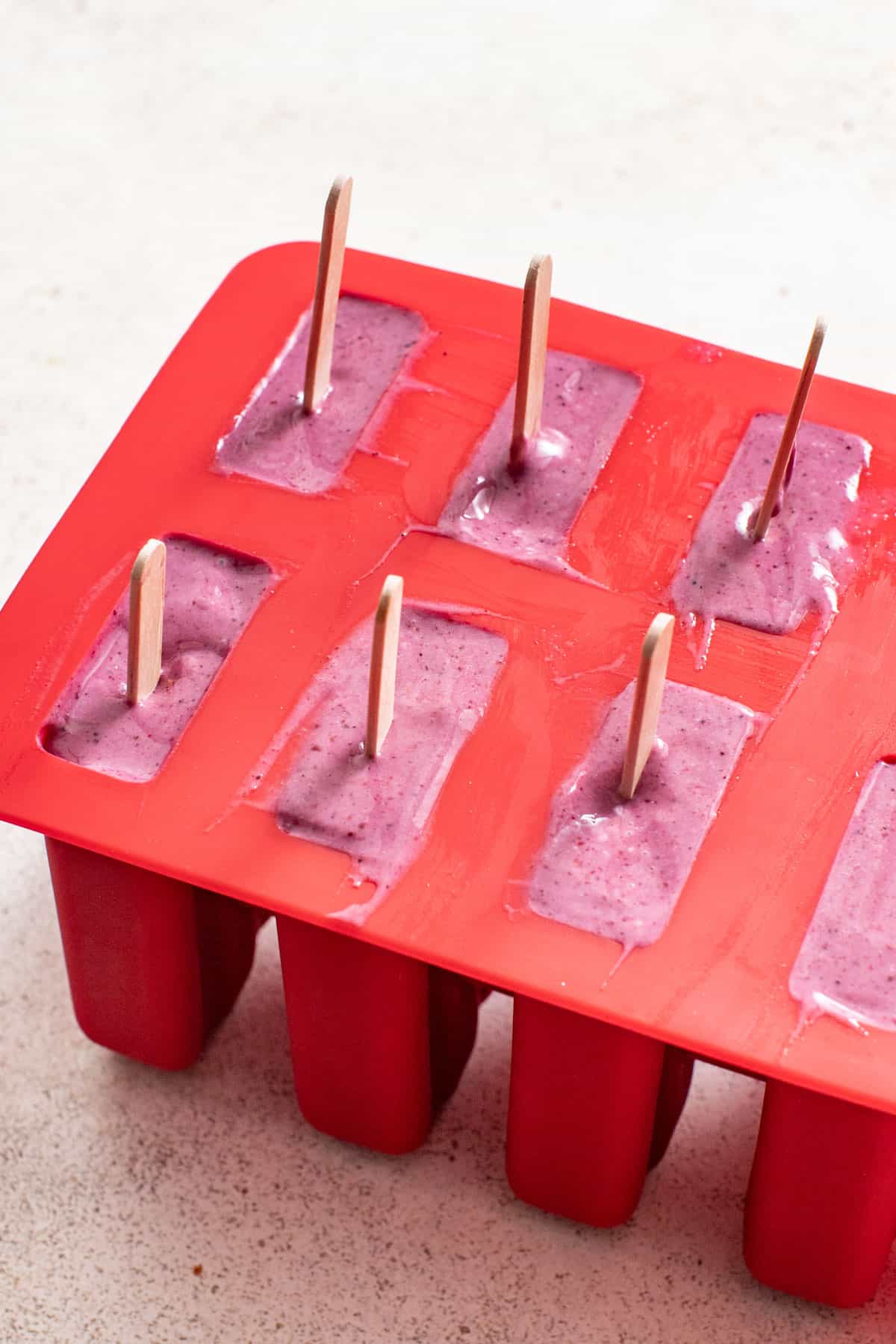
To make smoothie popsicles, blend your choice of fruit, yogurt or milk, and optional protein powder or natural sweeteners until smooth. Pour the mixture into silicone popsicle molds and freeze for at least four hours or overnight. To easily remove the pops, run the molds under warm water for a few seconds to loosen them from the sides.
Why Smoothie Popsicles are the Ultimate Summer Hack
When the temperature climbs and the sidewalk starts to shimmer, our natural instinct is to reach for something cold. Traditionally, that meant sugary ice pops or heavy ice cream. However, a significant shift is happening in how we handle our cravings. According to a 2023 survey, 79% of U.S. adults expressed a desire to consume healthier snacks, signaling a major move toward mindful eating.
This is where healthy homemade ice pops enter the frame as the ultimate heatwave relief. Unlike store-bought versions that are often little more than flavored sugar water and artificial dyes, these treats are built on a foundation of whole foods. They represent a clean eating dessert that satisfies the sweet tooth while providing genuine physiological benefits.
Nutritionists often point out that fruit-based frozen treats can provide essential nutrients and fiber that traditional snacks lack. In fact, some commercial fruit bars offer as much as 30% of the daily recommended value of Vitamin C per serving. When you make them at home, you have total control over that percentage. Furthermore, the process of flash-freezing fruit for smoothie popsicles preserves vitamins and antioxidants, often matching or exceeding the nutritional value of fresh produce that has been sitting on a grocery shelf for a week.
The Science of Texture: Avoiding the Ice Block
The biggest complaint people have when they first try making frozen treats is that they turn out like hard, unyielding blocks of ice. The secret to a professional-grade popsicle lies in the science of fats and air. If your mixture is too watery, it will freeze into a solid crystal lattice that is difficult to bite.
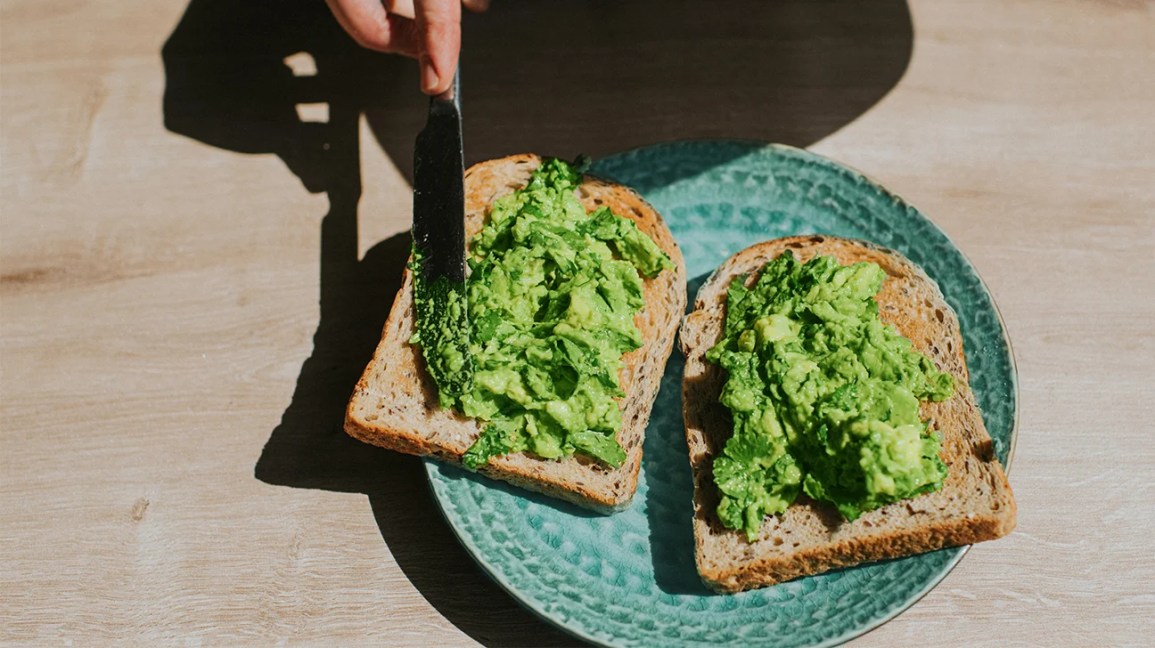
To achieve a velvety bite, you need a creamy base. Using Greek yogurt is one of the most effective ways to introduce healthy fats and proteins that interfere with the formation of large ice crystals. If you prefer a dairy-free approach, creamy dairy free smoothie popsicles with almond milk or full-fat coconut milk provide a similar structural benefit. Avocado is another secret weapon for texture; it adds an incredible creaminess without a strong flavor, ensuring your snack remains a nutrient-dense frozen treat.
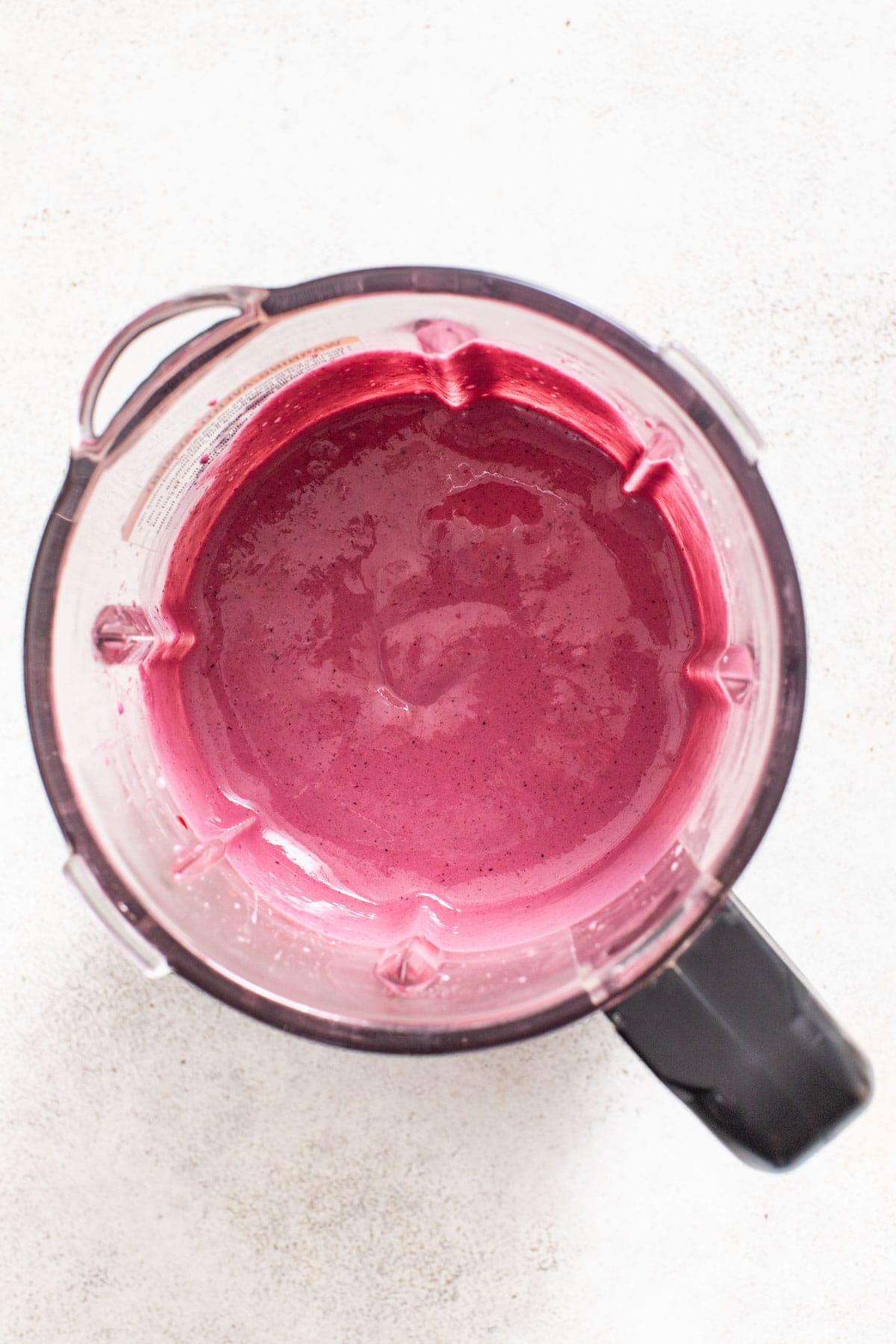
Technical precision in the kitchen also matters. To ensure the best Blender consistency, always load your liquids first, followed by powders, and finally your frozen fruits or ice. This order creates a vortex that pulls the heavy ingredients down, resulting in a perfectly smooth puree without air pockets.
Pro-Tip: If you find your popsicles are still too hard, add a tablespoon of liquid sweetener like honey or maple syrup. Sugar lowers the freezing point of water, which results in a softer, more scoopable texture even when fully frozen.
The Universal 4-Part Popsicle Formula
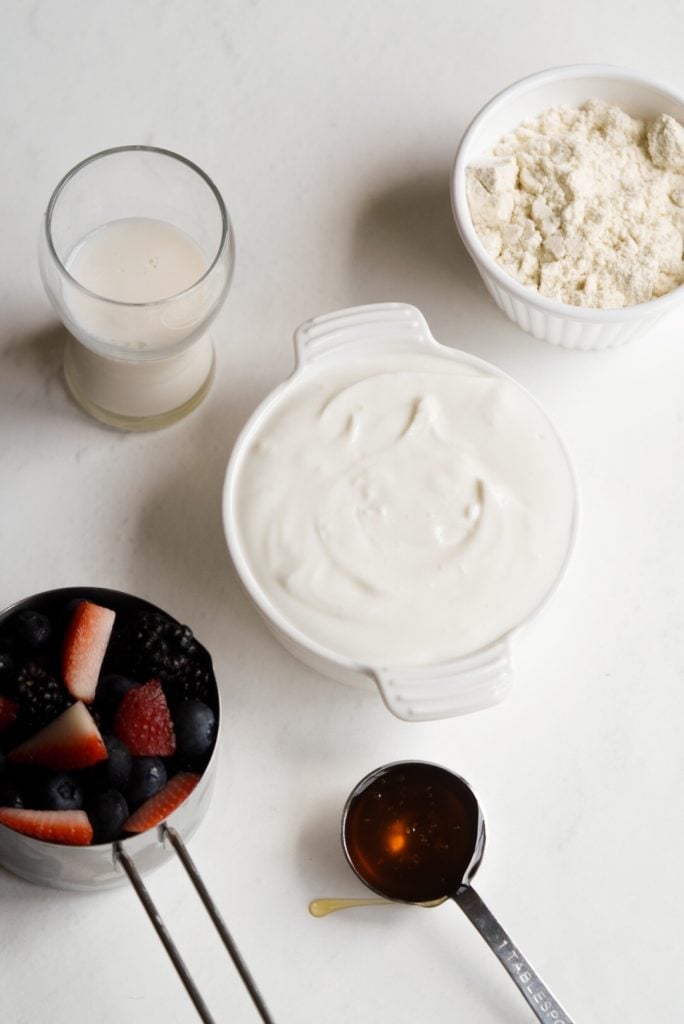
You don't need a specific recipe to make world-class snacks. Instead, think of it as a modular system. By following this universal formula, you can swap ingredients based on what you have in your pantry while maintaining the perfect balance of flavor and nutrition.
| Component | Purpose | Examples |
|---|---|---|
| 1. The Base | Flavor and Fiber | Bananas, mangoes, berries, peaches |
| 2. The Liquid | Movement and Hydration | Almond milk, coconut water, oat milk |
| 3. The Thickener | Creaminess and Protein | Greek yogurt, cottage cheese, avocado |
| 4. The Boosters | Extra Nutrition | Collagen, chia seeds, hemp hearts, spinach |
When selecting your smoothie popsicle ingredients for extra nutrition, consider the glycemic index. Using berries as your base provides a lower sugar content compared to tropical fruits, while still offering a vibrant color. Natural sweeteners like a single medjool date or a splash of vanilla extract can enhance the flavor profile without the need for refined white sugars.
For those looking to experiment, Superfood additives can transform a simple snack into a functional food. A teaspoon of spirulina can turn a pineapple pop into a green powerhouse, while a scoop of cacao powder creates a chocolatey treat that feels indulgent but remains entirely guilt-free. Dairy-free alternatives are plentiful, so don't feel restricted if you avoid lactose; cashew cream or tahini can provide the necessary fat content for that luxury mouthfeel.
Functional Variations: Post-Workout & Kids
One of the best aspects of these frozen treats is their versatility. They can be engineered to serve specific lifestyle needs, moving beyond just a simple cooling snack.
For athletes, protein packed fruit pops are a game-changer. By incorporating high-quality protein powder or even blended cottage cheese (which becomes completely smooth when blended), you create a high protein fruit popsicles for post workout snack that aids muscle recovery while lowering your core body temperature. It is the ultimate reward after a humid summer run.
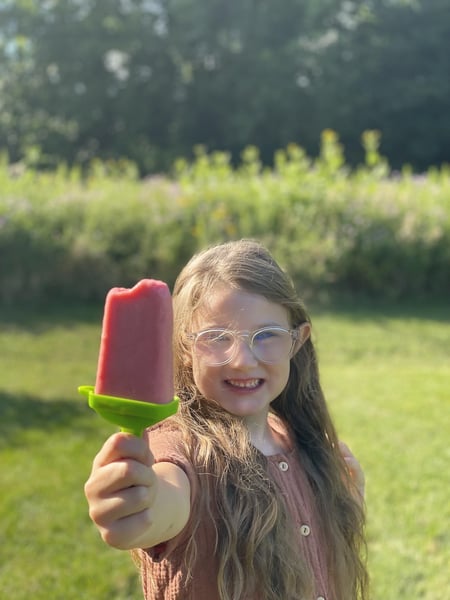
If you are a parent, healthy smoothie popsicles for toddlers and kids are a strategic way to sneak in nutrition. Many children who reject a salad will happily devour a bright purple popsicle. You can blend a handful of baby spinach with blueberries and banana; the fruit completely masks the flavor and color of the greens. Adding a bit of bovine or marine collagen can also provide a gentle boost for growing bones and skin health.
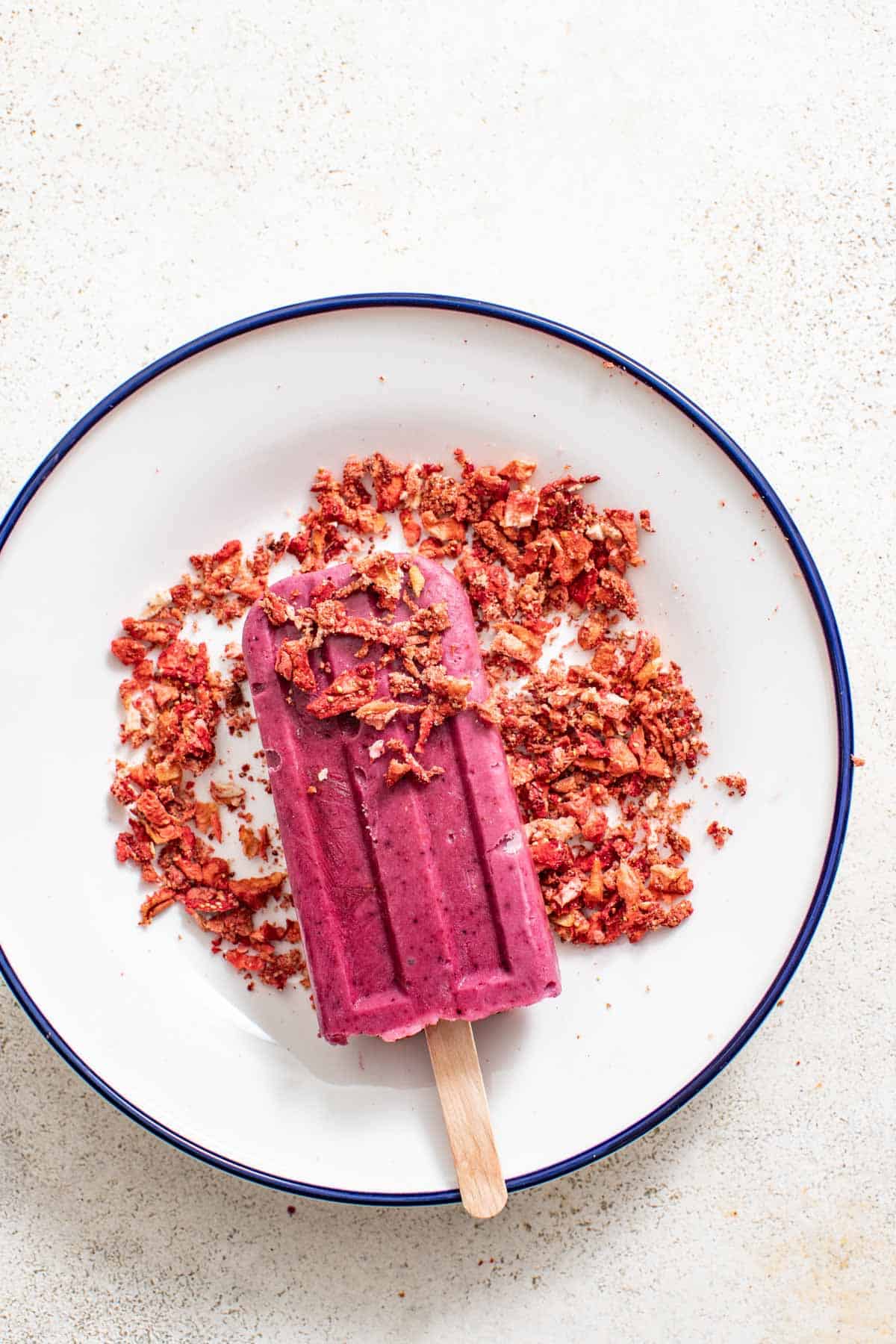
Kid-friendly treats don't have to be boring. You can create layers by pouring one color, freezing for an hour, and then adding a second color. This visual appeal makes them even more exciting for little ones who might be picky eaters.
Zero-Waste Magic: Freezing Leftover Smoothies
How many times have you made a massive breakfast smoothie, only to find yourself with an extra cup of liquid at the bottom of the blender? Instead of pouring those expensive ingredients down the drain, embrace the zero-waste lifestyle by freezing leftover smoothies.
This practice is an excellent form of Food waste prevention. Even if the leftover amount isn't enough to fill a whole set of molds, you can pour it into ice cube trays. These "smoothie cubes" can be dropped into future smoothies to keep them cold without diluting the flavor, or they can be popped into a glass of water for a hint of fruit infusion.
When you are intentionally batch prepping, you can store these treats in the freezer for up to three months. To maintain the best texture and flavor, once the pops are fully frozen in the molds, remove them and place them in a zip-top freezer bag with the air squeezed out. This prevents freezer burn and keeps them tasting fresh for weeks. Knowing how to freeze leftover smoothies into popsicles turns a potential waste into a convenient, pre-made snack for busy afternoons.
Master the Unmolding & Storage
The final hurdle in your popsicle journey is getting them out of the mold in one piece. We have all experienced the frustration of pulling a stick out only to leave the fruit part stuck at the bottom. The hardware you choose makes a difference. Silicone molds are generally superior to plastic or stainless steel because they are flexible, allowing you to peel the mold away from the frozen treat.
However, the best way to remove smoothie popsicles from molds regardless of the material is the warm water method. Simply submerge the bottom of the mold (not the top where the stick is) in a container of lukewarm water for 5 to 10 seconds. This slightly melts the outermost layer of the popsicle, breaking the vacuum seal and allowing it to slide out effortlessly.
Once unmolded, if you aren't eating them immediately, wrap them individually in parchment paper before placing them in an airtight container. This prevents them from sticking to each other and ensures that storing homemade smoothie popsicles in the freezer doesn't result in a giant clump of frozen fruit.
FAQ
Can you freeze leftover smoothies as popsicles?
Yes, this is one of the best ways to reduce food waste. Simply pour any remaining smoothie directly into a popsicle mold or ice cube tray immediately after blending. This preserves the freshness and ensures you have a healthy snack ready for later.
How do you keep smoothie popsicles from being too hard?
To prevent a rock-hard texture, ensure your mixture has enough fat and natural sugar. Ingredients like Greek yogurt, full-fat coconut milk, or avocado help prevent large ice crystals from forming. Additionally, avoiding over-diluting the fruit with water will keep the pops biteable and creamy.
How long do homemade smoothie popsicles last in the freezer?
When stored properly in an airtight container or freezer bag, these popsicles will maintain their best quality for about three months. After this time, they are still safe to eat but may begin to develop freezer burn or lose some of their vibrant flavor.
How do you get smoothie popsicles out of the mold easily?
The most effective technique is to dip the exterior of the popsicle mold into warm (not boiling) water for about 5 to 10 seconds. This loosens the edges just enough to allow the popsicle to slide out smoothly without breaking or leaving the stick behind.
Can you make smoothie popsicles with yogurt?
Absolutely. Using yogurt is highly recommended because it adds protein, probiotics, and a creamy texture that mimics traditional ice cream. Greek yogurt is particularly good for creating a thick, satisfying popsicle that feels more like a substantial snack than a light ice pop.