Quick Facts
- Health Impact: High adherence to plant-based eating is linked to a 15% to 40% lower risk of ischemic heart disease.
- Roasting Temp: Set your oven to 425°F to achieve a caramelized, "no-steam" texture for vegetables.
- Sustainability: Producing one pound of animal protein can require up to 100 times more water than one pound of grain protein.
- Flavor Heroes: Use fresh herbs like dill and parsley in high volumes alongside bright citrus zest to elevate simple dishes.
- Pantry Must-Haves: Keep tahini, extra-virgin olive oil, and bold spices like sumac and Aleppo pepper stocked at all times.
- Disease Prevention: Recent data suggests 65% of adults would try a plant-based diet if shown evidence of its impact on preventing chronic diseases.
Start your plant-forward journey with professional techniques from Botanica. Discover essential pantry staples and meal prep secrets for a healthier lifestyle while learning how to integrate professional plant-forward cooking tips into your daily routine. To begin, focus on making seasonal vegetables, legumes, and grains the center of every plate, utilizing high-quality ingredients sourced through regenerative agriculture to ensure both flavor and environmental integrity.
The Plant-Forward Pantry: Building Your Flavor Foundation
Stepping into a plant-forward lifestyle doesn't mean you have to say goodbye to everything you love; it’s about shifting the focus. At the heart of this transition is a well-curated pantry filled with what I like to call "savory superheroes." These are the ingredients that do the heavy lifting, providing the umami, fat, and salt necessary to make a plate of roasted carrots feel as indulgent as a steak.
When building your collection of essential plant-based pantry staples, quality is paramount. This isn't just about flavor; it's about supporting a food system that values the earth. We look for products from companies practicing regenerative agriculture, which focuses on soil health and biodiversity. Start with a truly excellent extra-virgin olive oil—one that tastes peppery and alive—and a jar of creamy, nutty tahini. These fats are the canvas upon which all other flavors are painted.
For the finishing touches, every home cook needs Maldon sea salt. Its flaky texture provides a satisfying crunch and a clean saltiness that brings out the natural sweetness of vegetables. Alongside your salt, you should house a collection of bold, vibrant spices. If you want to master plant-forward Mediterranean cooking, your essential plant-forward pantry staples for home cooks must include za’atar, sumac, and Aleppo pepper. Sumac offers a tart, almost hibiscus-like acidity, while za’atar brings an earthy, herbal depth that can transform a simple bowl of chickpeas into a gourmet meal.
Pro Tip: The Tahini Secret Always look for tahini made from 100% roasted sesame seeds with a pourable consistency. If it's too thick, whisk it with a splash of warm water and lemon juice until it turns pale and fluffy. This becomes the ultimate base for Tahini-based sauces.
Building a pantry of must-have spices for plant-forward Mediterranean cooking allows you to whip up a meal without a recipe. Having grains like farro or quinoa and legumes like lentils and chickpeas ready to go means a nutritious dinner is only fifteen minutes away.
Elevating Vegetables with Herbs and Citrus: The Botanica Way
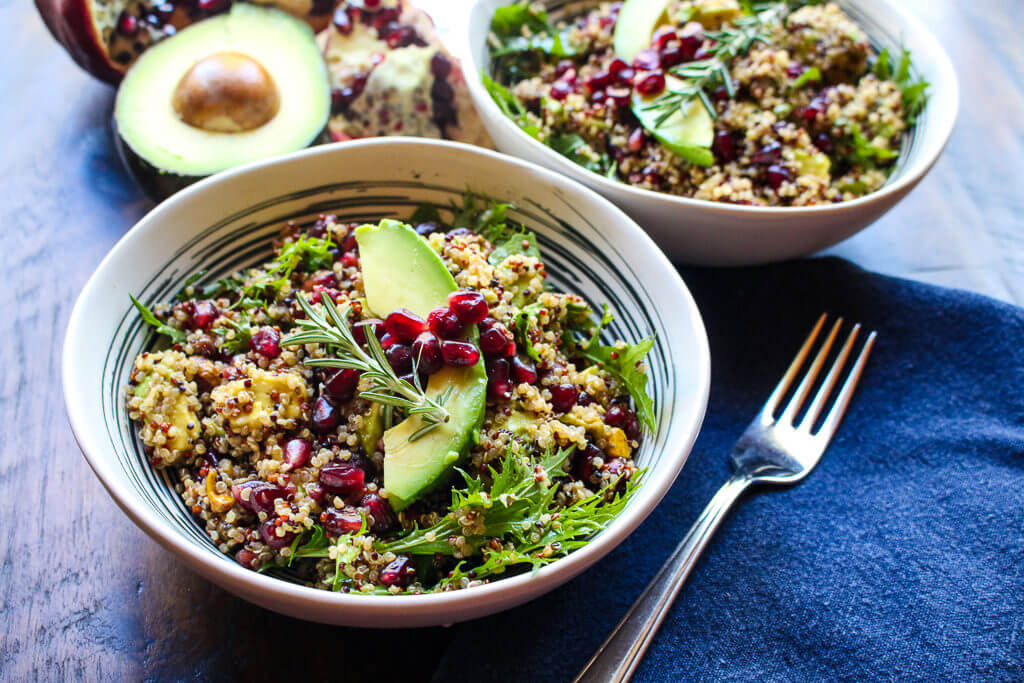
One of the biggest beginner plant-forward cooking tips and techniques I share is to stop treating herbs like a garnish and start treating them like a vegetable. At Botanica, the "high volume" herb technique is a signature move. We aren't just sprinkling a bit of parsley on top; we are using handfuls of mint, dill, cilantro, and chives to create a salad-like freshness within the dish itself.
When you are elevating vegetables with herbs and citrus, think about the balance of flavors. A dish of roasted sweet potatoes is heavy and sweet. To balance that, you need high acidity and herbaceousness. This is where finishing vegetable dishes with citrus and zest becomes a game-changer. The oils in the zest of a lemon or orange contain a concentrated aroma that juice alone cannot provide. Always zest your citrus over the dish right before serving to capture those volatile oils.
The "Base-Build-Finish" structure is an easy way to construct these meals:
- Base: A hearty grain like wild rice or a creamy puree of white beans.
- Build: Your star vegetable—perhaps roasted cauliflower or grilled asparagus.
- Finish: A massive amount of soft herbs, a squeeze of lemon, a sprinkle of Aleppo pepper, and a drizzle of olive oil.
This approach ensures that every bite has a variety of textures and a brightness that keeps you coming back for more. If you have a culinary herb garden at home, you have an endless supply of these flavor boosters at your fingertips. Even a small windowsill pot of mint or basil can drastically change your cooking game.
Master the Heat: Roasting Techniques and Meaty Textures
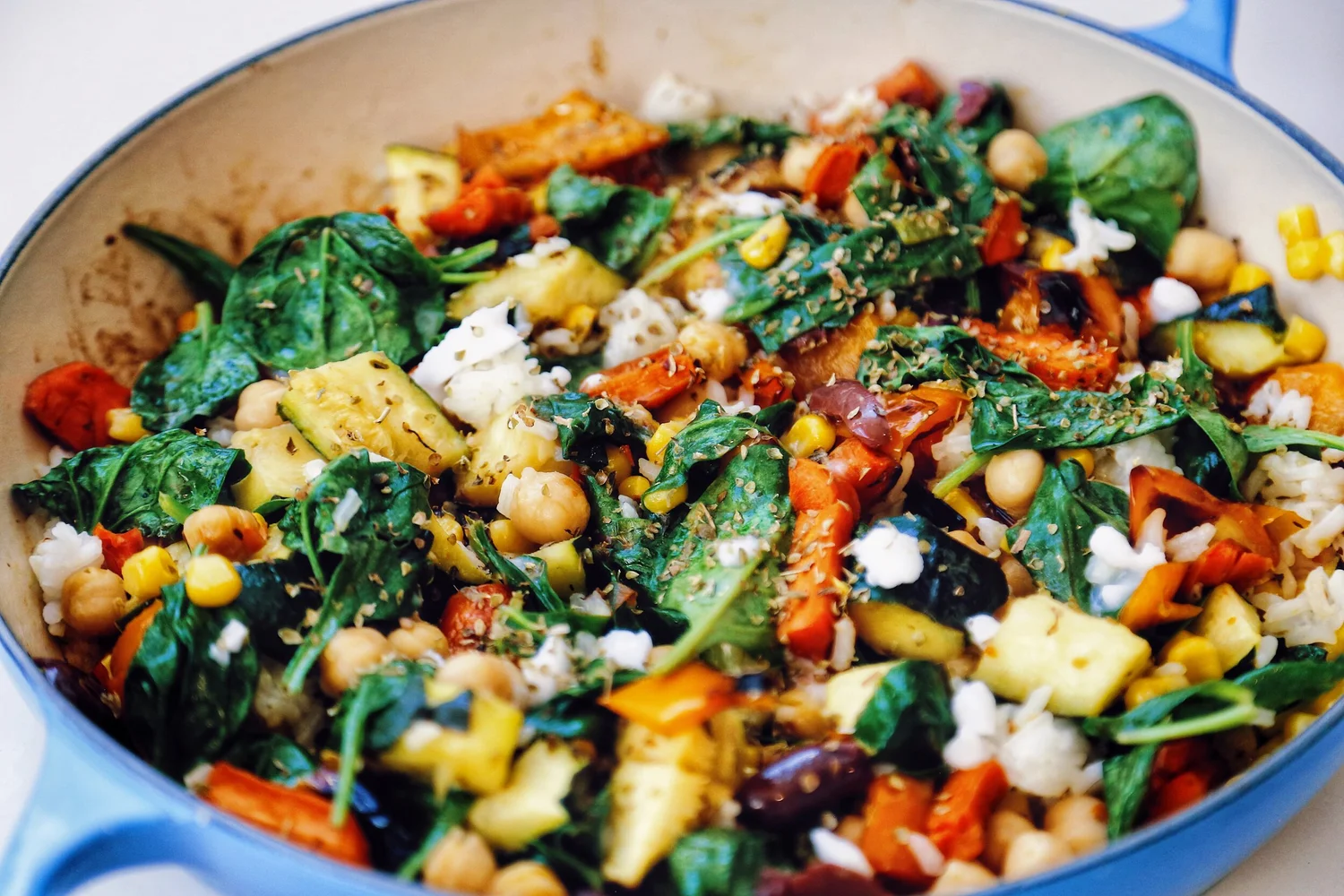
Many people think they dislike certain vegetables simply because they’ve only eaten them steamed or boiled. To truly unlock the potential of plants, you must master the heat. My golden rule for roasting is the 425°F "no-steam" rule. Most home cooks set their ovens too low, which results in vegetables that are soft and mushy rather than crisp and caramelized.
To get that perfect texture, ensure you aren't overcrowding the pan. If the vegetables are too close together, they release moisture and steam each other. Give them space. Furthermore, remember that different vegetables have different cooking times. I recommend a staggered roasting approach: start your hardy roots like carrots and beets first, then add quicker-cooking items like zucchini or snap peas later.
For those transitioning away from meat-heavy diets, making filling plant-forward entrees with mushrooms and grains is the key to satiety. Maitake mushrooms, often called "Hen of the Woods," are particularly effective because of their ruffled edges that get incredibly crispy while the centers remain tender and "meaty." When seared in a hot cast-iron skillet, they provide a savory depth that rivals any steak.
| Protein Source | Protein Content (per 3oz serving) | Key Nutrient Highlight |
|---|---|---|
| Seitan | 20g | High in Iron and Selenium |
| Tempeh | 16g | Probiotics and Manganese |
| Beef (Lean) | 21g | Vitamin B12 and Zinc |
| Lentils (Cooked) | 9g | High Fiber and Folate |
| Chickpeas (Cooked) | 7g | Slow-release Carbohydrates |
As shown in the table above, plant-based proteins are highly competitive with animal proteins, especially when you consider the added fiber and lack of cholesterol. A 2023 meta-analysis covering over 2 million participants confirmed that high adherence to these diets results in a 13% to 20% reduction in cancer risk.
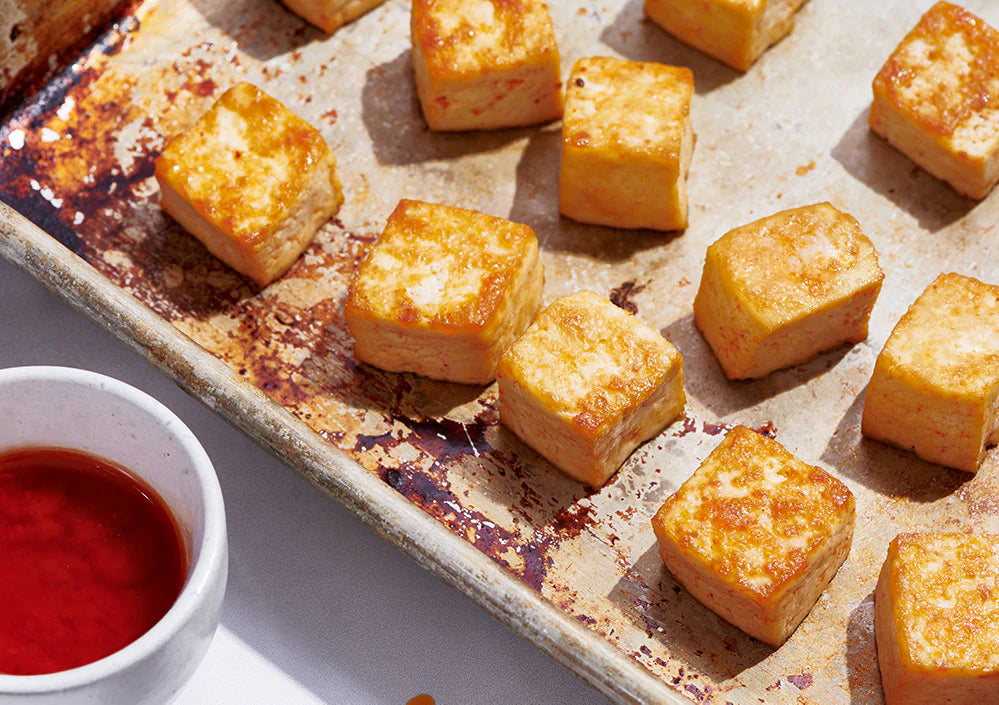
When creating these entrees, don't be afraid of "The Blend." This is a technique where you mix finely chopped mushrooms with grains or a small amount of meat to create a filling for tacos or burgers. It’s a great way to bridge the gap for beginners.
Common Mistake: The "Low Heat" Trap Roasting at 350°F or 375°F is a recipe for boredom. Unless you are slow-confit-ing garlic, keep that temperature at 425°F to ensure the Maillard reaction occurs, creating those deep, savory flavors.
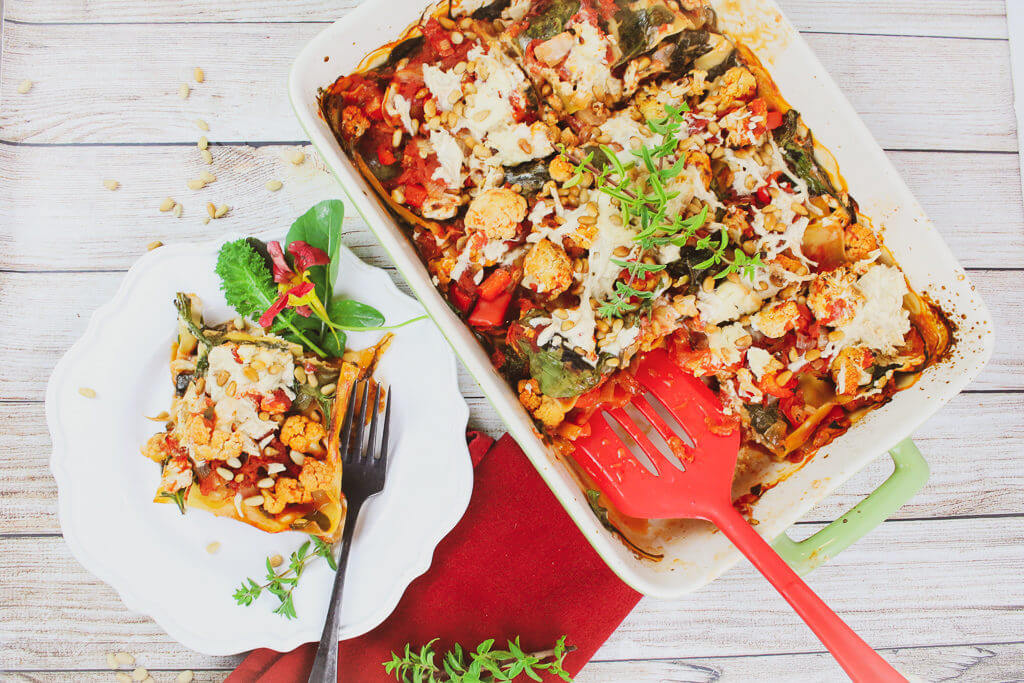
Seasonal Produce Meal Prep for Sustainable Success
Success in a plant-forward kitchen often comes down to preparation. But rather than prepping full meals that might feel unappealing by Thursday, I advocate for modular seasonal produce meal prep. This means preparing components that can be mixed and matched throughout the week.
A trip to the Santa Monica Farmers Market is the ultimate inspiration for this. Look for heirloom stone fruit in the summer or vibrant squashes in the fall. When you get home, don't just put them in the crisper drawer. Spend an hour prepping:
- Roast a large tray of seasonal vegetables.
- Cook a big batch of a versatile grain like farro.
- Whisk together a Broccoli Pesto or a White Bean Spread.
This modular strategy allows for seasonal produce meal prep for busy weeks that doesn't feel repetitive. One night you might have a grain bowl with roasted squash and pesto; the next, those same vegetables might end up in a wrap with some artisan pantry brands like high-quality tinned fish or fermented kimchi for an extra probiotic kick.
Beyond the flavor, there is the undeniable factor of sustainable food sourcing. Choosing local, seasonal produce reduces the carbon footprint associated with long-distance shipping. Furthermore, a 2025 survey highlighted that while half of U.S. adults recognize the health benefits, 65% would be willing to try a plant-based diet if the broader impacts were clearly communicated. By eating seasonally, you are participating in a more resilient and environmentally friendly food system.
FAQ
What is the difference between plant-based and plant-forward cooking?
Plant-based typically refers to a diet that completely excludes animal products, similar to veganism. Plant-forward is a more inclusive culinary style that makes fruits, vegetables, and grains the stars of the plate but may still include small amounts of animal proteins as accents or flavor enhancers rather than the main focus.
How do I add more flavor to plant-based dishes?
The secret to deep flavor lies in using high-quality fats like extra-virgin olive oil, a variety of acidic elements like citrus juice or vinegars, and plenty of umami-rich ingredients like fermented foods, mushrooms, or nutritional yeast. Don't be shy with spices and fresh herbs, which should be used in large quantities.
What are the best protein sources for plant-forward meals?
Excellent plant proteins include seitan, tempeh, lentils, chickpeas, and beans. Grains like quinoa and farro also contribute significant protein. For those who aren't strictly vegan, eggs and small amounts of high-quality dairy or sustainably sourced fish can complement the plant-based components.
What are essential pantry staples for plant-forward cooking?
Your pantry should include high-quality olive oil, tahini, a variety of dried pulses (lentils, chickpeas), whole grains, and a robust spice rack featuring sumac, za’atar, and Aleppo pepper. Artisan additions like Maldon sea salt and tinned fish can also help elevate simple vegetable dishes quickly.
How do I make vegetables the main focus of a meal?
To make vegetables the star, focus on texture and satiety. Use roasting techniques to create crispy exteriors, incorporate hearty elements like grains and legumes to ensure the meal is filling, and use bold sauces to provide the same sensory satisfaction usually associated with meat-centric dishes.
Embracing these plant-forward cooking tips isn't about restriction; it's about expansion. It's about discovering the incredible diversity of the vegetable kingdom and learning how to coax out flavors you never knew existed. Whether you are starting with a single meatless Monday or overhauling your entire kitchen, the journey toward a more plant-forward life is one of the most rewarding—and delicious—decisions you can make for your health and the planet.