Quick Facts
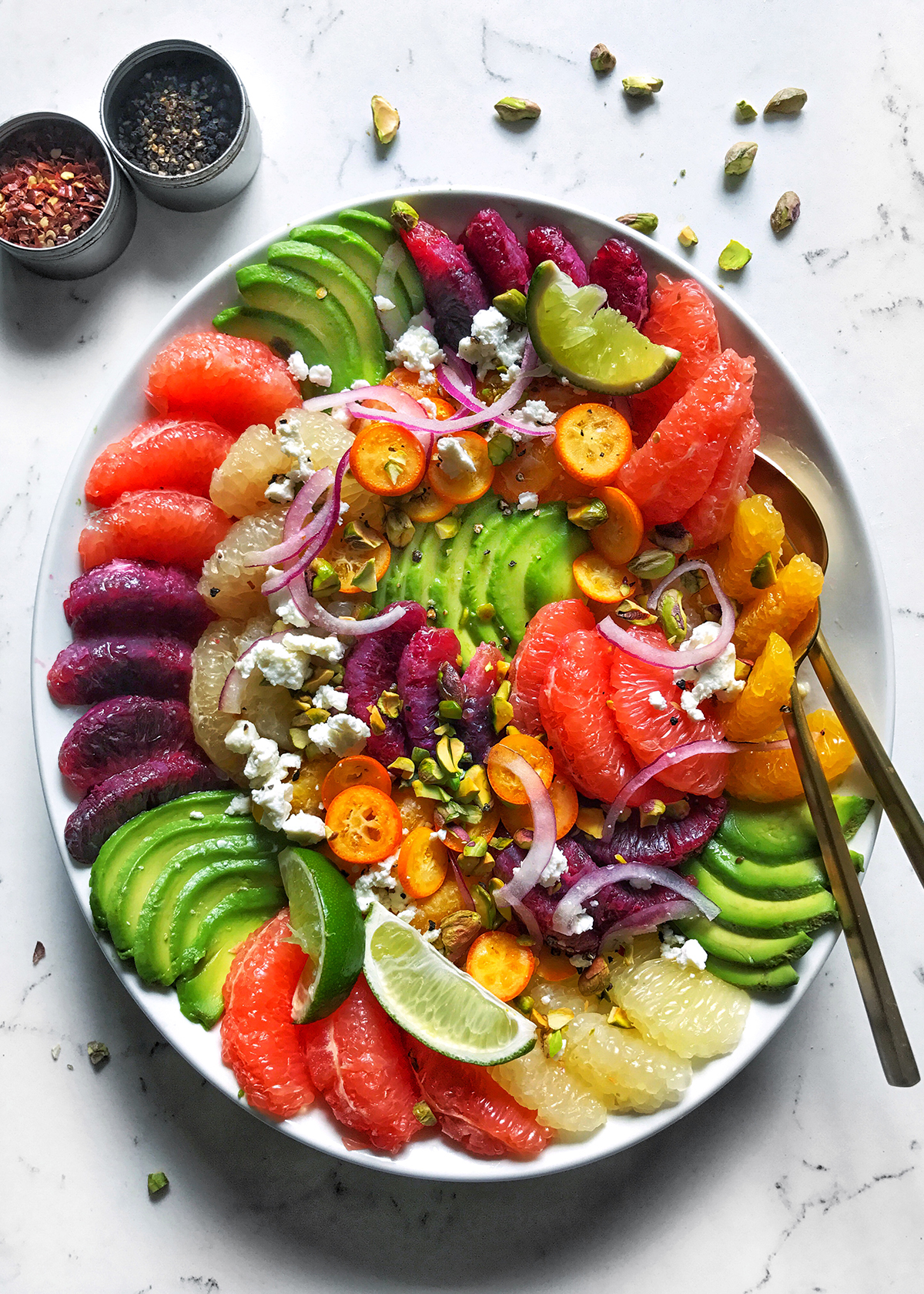
- Top Citrus Mix: A combination of blood oranges (rich in anthocyanins), Cara Cara (high in lycopene), and Oro Blanco grapefruit.
- Key Texture: The contrast between a creamy avocado texture and a crunchy Middle Eastern spice blend.
- Prep Time: 20 to 30 minutes, primarily focusing on knife work and maceration.
- Best Occasion: Ideal for spring brunch entertaining or as a sophisticated side for roasted poultry.
- Direct Answer: This vibrant citrus avocado salad combines sliced seasonal citrus fruits with rich avocado, tied together by a textured pistachio dukkah salsa verde that balances high-fat fruit with bright acidity.
A citrus avocado salad is a vibrant dish featuring sliced seasonal citrus, creamy avocado, and a textured pistachio dukkah salsa verde. It balances high-fat fruit with bright acidity for a refreshing side dish, making it a hallmark of modern seasonal cooking. To create a professional-grade version, one must master the art of selecting diverse citrus varieties and preparing a crunchy, herbaceous dressing that elevates the natural juices of the fruit.
The Ultimate Citrus Guide: Selection and Seasonality
When I look at a produce aisle in late winter or early spring, I see a palette of colors waiting to be plated. The success of a blood orange and avocado salad relies heavily on the specific varieties you choose. While standard Navel oranges are reliable, they lack the complexity and visual drama required for a truly masterful dish. I recommend a trio of specialized citrus to provide a spectrum of flavor and nutrition.
First, seek out Cara Cara oranges. Often mistaken for regular oranges on the outside, their interior reveals a stunning rosy pink hue. They are prized for their low acidity and subtle notes of red berries. Next, incorporate blood oranges. Their deep crimson flesh is the result of anthocyanins, the same powerful antioxidants found in blueberries. They offer a slightly tart, raspberry-like finish that cuts through the rich avocado. Finally, the Oro Blanco grapefruit is a game-changer. It is a hybrid of a pomelo and a white grapefruit, offering a floral sweetness without the harsh bitterness typically associated with traditional grapefruit varieties.
| Citrus Variety | Interior Color | Primary Flavor Note | Nutritional Highlight |
|---|---|---|---|
| Blood Orange | Deep Ruby/Crimson | Tart Raspberry | Anthocyanins |
| Cara Cara | Rosy Pink | Sweet Berry | Lycopene |
| Oro Blanco | Pale Golden | Sweet Floral | High Vitamin C |
Beyond aesthetics, using these best citrus varieties for avocado salad ensures a multi-dimensional tasting experience. The economic value of buying these fruits during their peak season cannot be overstated; they are juicier, more nutrient-dense, and often more affordable when local markets are flooded with citrus shipments.
Technical Prep: The Chef’s Secret to Balance
The difference between a home-cooked salad and a restaurant-quality plate often comes down to technical precision. When you are working with ingredients as simple as fruit and fat, how to balance acidity in citrus salad becomes the primary challenge.
The Ice Water Soak
Red onions provide a necessary bite, but their raw sulfur can easily overwhelm the palate. To solve this, slice your red onions into paper-thin translucent rings and submerge them in a bowl of ice water for at least 10 to 20 minutes. This process, often called leaching, removes the aggressive pungency while maintaining the crunch. Once drained and patted dry, these onions provide a gentle aromatic backbone that complements rather than competes with the citrus.
Precision Slicing for Maximum Juice
To prepare the citrus, you must first remove the peel and the bitter white pith entirely. Use a sharp chef’s knife or a serrated utility knife to cut off the top and bottom of the fruit. Following the curve of the fruit, slice away the skin and pith from top to bottom. Once the flesh is exposed, follow the 1/4-inch slicing rule. Cutting the fruit into uniform rounds or segments ensures that every forkful has a consistent texture.
When working with Meyer lemon zest, ensure you are only grating the yellow outer layer. The aromatic intensity of Meyer lemon is far superior to standard lemons, offering a fragrance that bridges the gap between the fruit and the fresh herbs used later in the recipe.
Crafting the Pistachio Dukkah Salsa Verde
The heart of this dish is the dressing. While a simple vinaigrette would suffice, we are looking for texture and depth. This is where the pistachio dukkah salsa verde comes into play. Dukkah is a traditional Egyptian condiment made of toasted nuts, seeds, and warm spices. Interestingly, the presence of Dukkah on restaurant menus in the United States has grown by 35% over a four-year period, signaling a major shift in how home cooks and chefs alike approach seasoning.
To build this Middle Eastern spice blend into a dressing, start by macerating minced shallots and grated garlic in Meyer lemon juice. This softens the raw aromatics before you whisk in high-quality extra-virgin olive oil. This oil provides the necessary fat to carry the flavors.
Pro Tip: Always add your fresh herbs—specifically chives, mint, and basil—just before serving. This prevents the herbs from oxidizing and turning grey against the acidic citrus juice.
The final step is folding in a tablespoon of pistachio dukkah. If you are learning how to make dukkah at home for citrus salad, remember that the secret is in the coarse grind. You want the crunch of the toasted pistachios, the earthiness of cumin, and the citrusy pop of coriander seeds to stand out. This pistachio dukkah salsa verde recipe for salad creates a savory, textured bridge between the slippery citrus segments and the buttery avocado.
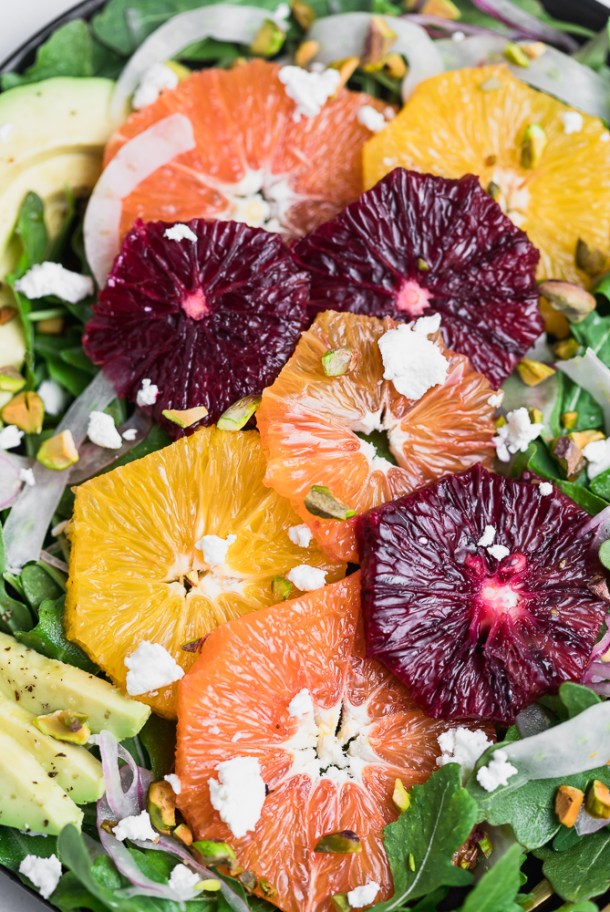
Visual Staging: Plating Like an Artist
With the rise of social media and home entertaining, vibrant plating techniques have become just as important as the flavor itself. To begin, select a serving plate with high sides. This is a functional choice: as the citrus sits, it releases its natural juices, which mingle with the dressing to create a delicious "liquid gold" at the bottom of the dish.
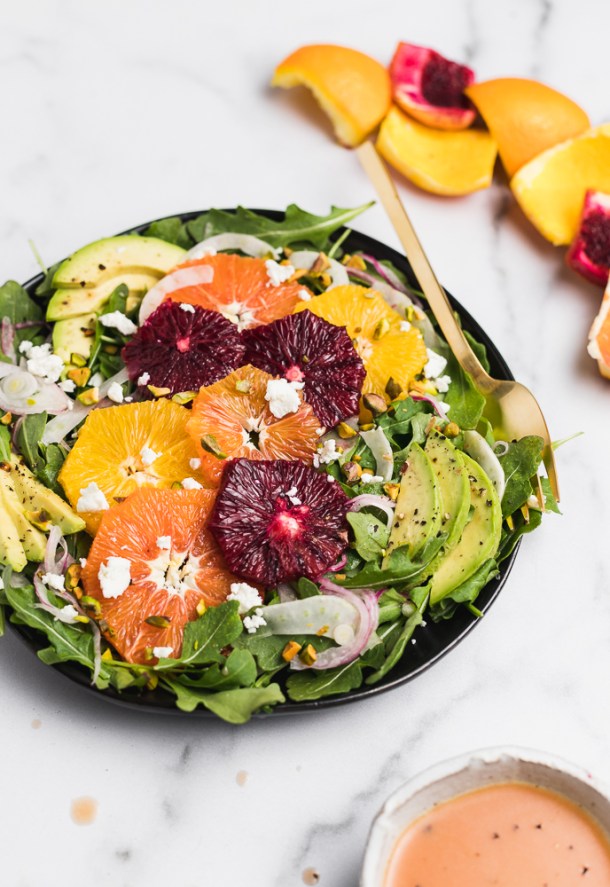
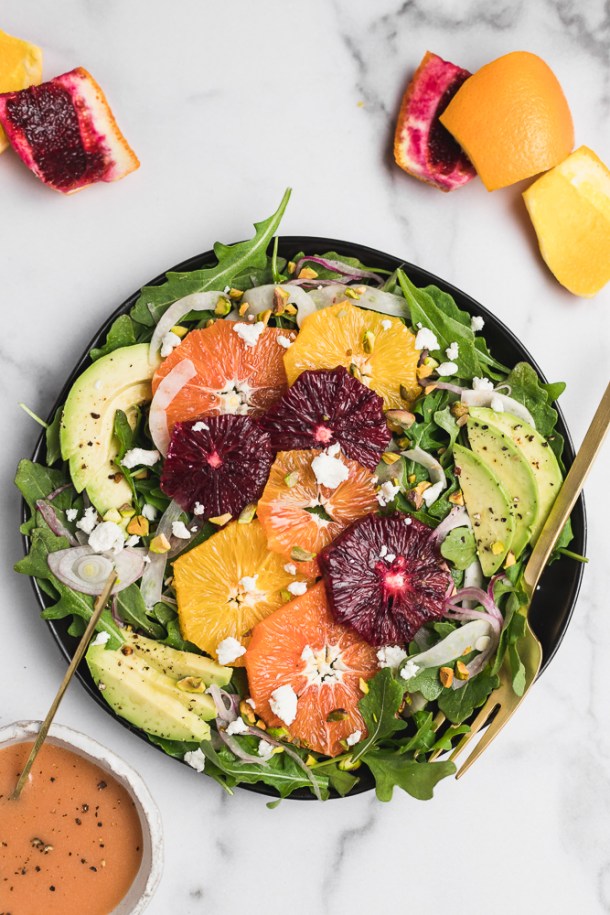
Start by layering the citrus rounds in an overlapping pattern, alternating colors to create a mosaic effect. Tuck the avocado slices between the citrus. Avocados have become a staple of the American diet, with per capita avocado consumption in the United States reaching approximately 4 kilograms per year in 2024. Given this high demand, ensuring your avocado is perfectly ripe—yielding to gentle pressure but not mushy—is essential for the creamy avocado texture we desire.
Once the base is set, scatter your soaked red onions and Castelvetrano olives across the top. The olives provide a buttery, salty counterpoint to the sweet fruit. For the final flourish, garnish with feta cheese crumbles and a sprinkle of nigella seeds. These tiny black seeds offer a subtle onion-and-oregano flavor and a striking visual contrast. This level of detail makes the salad ideal for spring citrus and avocado salad for entertaining.
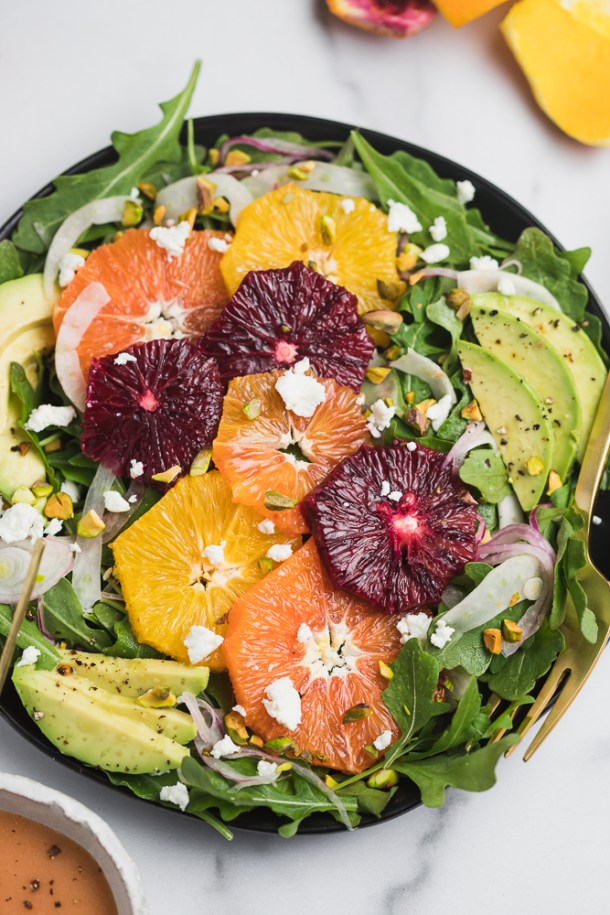
Serving and Pairings
This blood orange and avocado salad with feta is a versatile powerhouse. If you are hosting a spring brunch, it pairs beautifully with smoked salmon and soft-scrambled eggs. For a dinner setting, the bright acidity makes it a perfect companion for grilled sea bass or roasted lamb, where the citrus salad with fresh herbs can cut through the richness of the meat.
Remember that this dish is best served immediately after assembly. While the citrus can be prepped an hour in advance, the avocado should be sliced at the very last second to prevent oxidation. The interplay of the chilled fruit and the room-temperature dressing is what gives this salad its refreshing, revitalizing character.
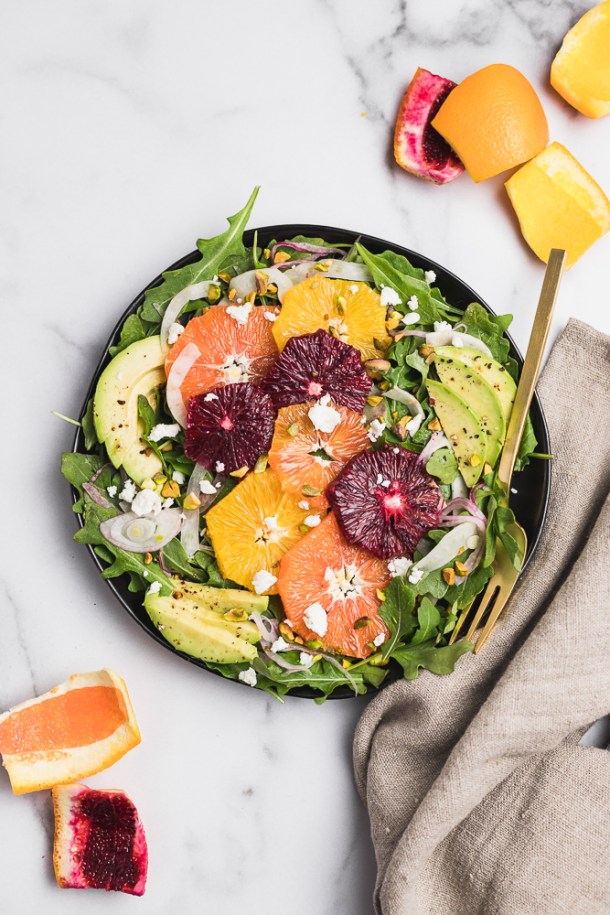
FAQ
What type of citrus is best for avocado salad?
The best citrus varieties for avocado salad are those that offer a balance of sweetness and acidity along with visual contrast. I highly recommend a mix of blood oranges for their deep red color and tartness, Cara Cara oranges for their berry-like sweetness, and Oro Blanco grapefruit for its lack of bitterness. This combination ensures the salad isn't one-dimensional in flavor or appearance.
How do you keep avocado from browning in a citrus salad?
To keep avocado from browning, you should wait to slice it until the very last moment before serving. However, the natural acidity in the citrus juice and the Meyer lemon in the pistachio dukkah salsa verde will naturally act as a preservative. If you must prep slightly early, toss the avocado slices gently in a bit of lemon juice or the salsa verde itself to coat the surface and block oxygen.
What dressing goes best with citrus avocado salad?
A pistachio dukkah salsa verde is the ideal accompaniment because it adds texture and a savory element to the sweet and fatty components of the dish. By using extra-virgin olive oil as a base and incorporating fresh herbs and the Middle Eastern spice blend, you create a complex dressing that highlights the natural flavors of the fruit without overpowering them.
Can you make citrus avocado salad ahead of time?
You can prepare the components of the citrus avocado salad ahead of time, but you should not assemble them until you are ready to eat. You can slice the citrus, soak the onions, and whisk together the dressing base up to four hours in advance. Store the citrus in its own juice to keep it moist, and keep the herbs and dukkah separate until the last minute to maintain their freshness and crunch.