Quick Facts
- 2026 Threshold: Medical guidelines now define hypertension starting at 130/80 mm Hg, shifting millions into the high-risk category.
- Top Habit: A simple sodium reduction of 1,000mg per day can lower the risk of cardiovascular events by up to 20%.
- Exercise Goal: Consistency is key, with a recommendation of 150 minutes of moderate aerobic activity weekly for arterial wellness.
- Nutrition Foundation: The DASH dietary pattern remains the gold standard for reducing systolic pressure naturally.
- The Opportunity: Lifestyle changes are most effective during the initial 3-6 month window following an elevated reading.
Improving heart health naturally involves adopting heart health tips like the DASH dietary pattern, which emphasizes whole grains, fruits, and vegetables while limiting sodium intake. Incorporating potassium-rich nutrients and omega-3 fatty acids helps manage hypertension and maintain healthy LDL cholesterol levels. Regular aerobic physical activity further strengthens the cardiovascular system and reduces inflammation.
Understanding the New 130/80 Standard
For a long time, the number 140 over 90 was the alarm bell for high blood pressure. However, updated guidance for the current decade established 130/80 mm Hg as the new threshold for Stage 1 hypertension. This change was not made to increase prescriptions, but rather to identify cardiovascular risk factors earlier. Nearly 50% of adults now meet the criteria for high blood pressure, necessitating a more proactive approach to hypertension management.
When you receive a reading in this range, doctors often suggest a 3-6 month window for lifestyle-first intervention. This period is a critical opportunity to implement lifestyle changes to lower blood pressure 2026 before medication becomes the primary recommendation. Beyond just heart strength, managing these numbers is a vital component of dementia prevention, as chronic high pressure is known to damage the small blood vessels in the brain over time. Understanding your numbers is the first of many 10 ways to keep your heart healthy.
| Blood Pressure Category | Systolic (Top Number) | Diastolic (Bottom Number) |
|---|---|---|
| Normal | Less than 120 | and Less than 80 |
| Elevated | 120 – 129 | and Less than 80 |
| Stage 1 Hypertension | 130 – 139 | or 80 – 89 |
| Stage 2 Hypertension | 140 or higher | or 90 or higher |
| Hypertensive Crisis | Higher than 180 | and/or Higher than 120 |
The Substitution Model: Eating for Heart Strength
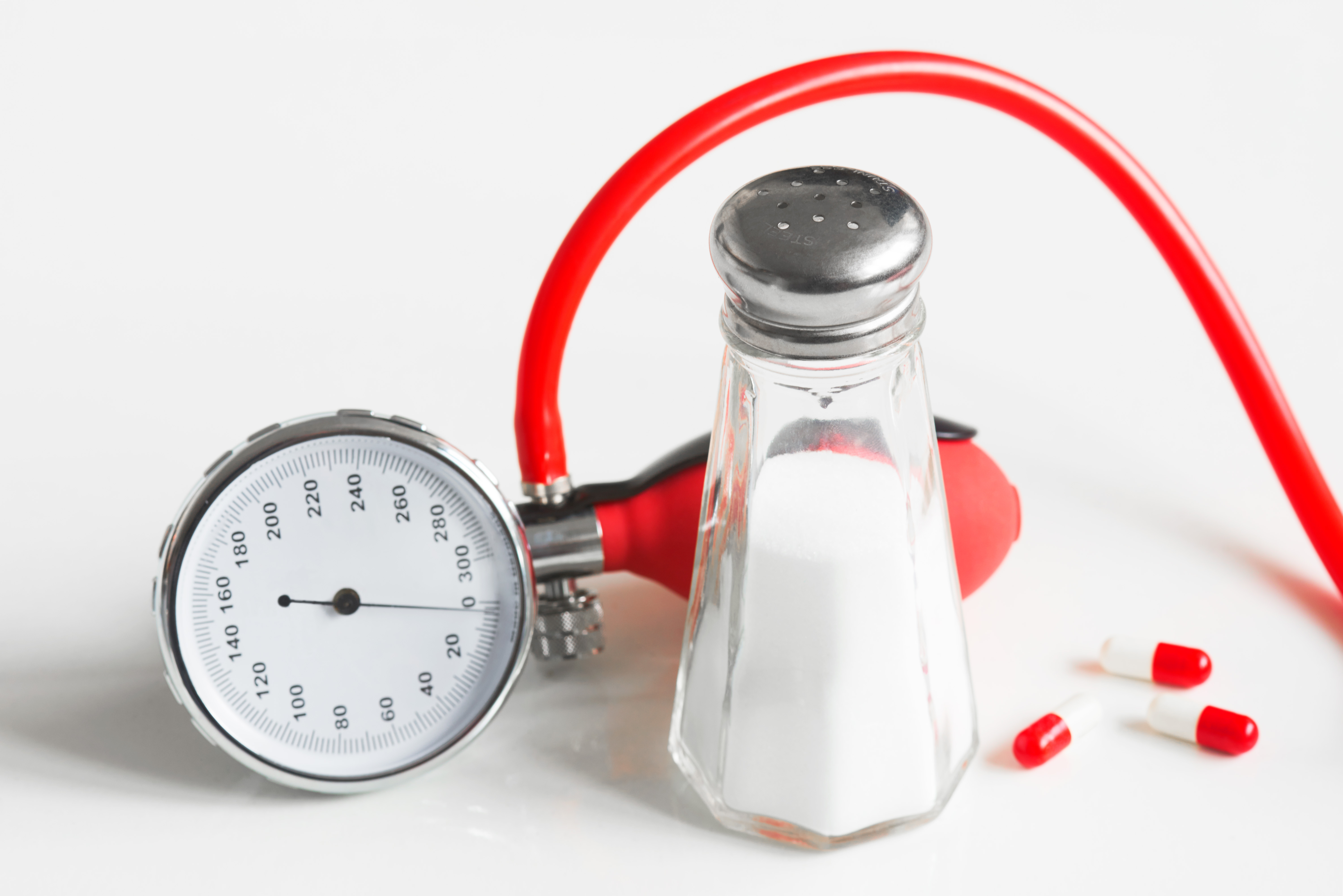
One of the most effective heart health diet tips I share with readers is to move away from a "restrictive" mindset and toward a "substitution" model. Instead of focusing on what you cannot eat, focus on what you can swap in to promote arterial wellness. The core of this approach is the DASH dietary pattern (Dietary Approaches to Stop Hypertension). Clinical studies have shown that the DASH eating plan can reduce systolic blood pressure by an average of 11.4 mmHg in individuals with hypertension.
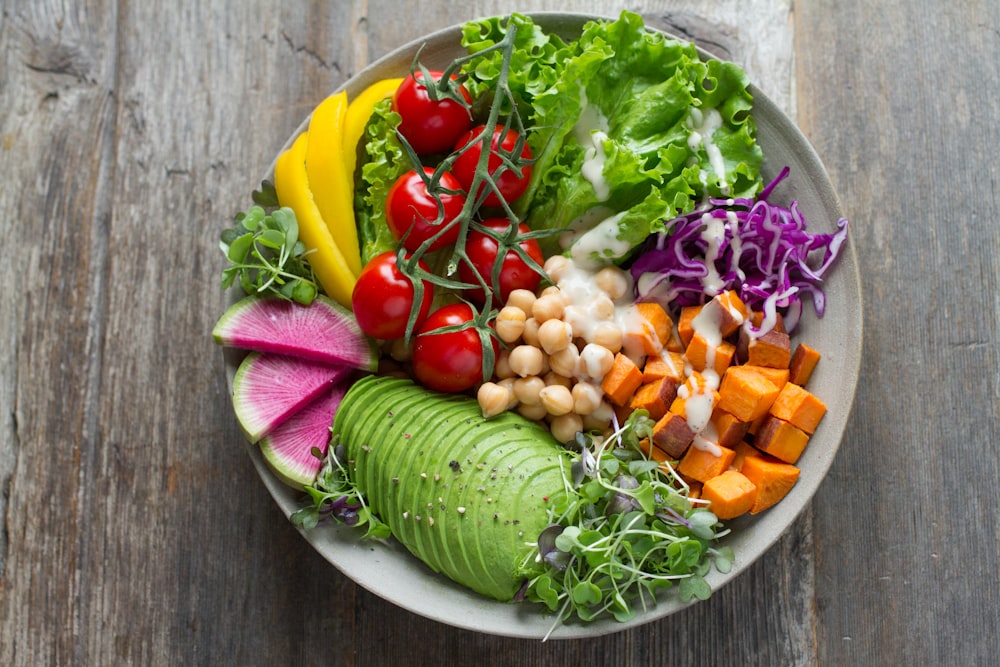
A major pillar of this diet is reducing sodium intake. Most of our salt comes from processed foods rather than the salt shaker on the table. In fact, reducing daily sodium intake by approximately 1,000 mg can lower systolic blood pressure and reduce the risk of cardiovascular events by up to 20% over time. To balance the sodium your body does retain, you need potassium-rich nutrients. Potassium helps your body excrete sodium and eases the tension in your blood vessel walls.
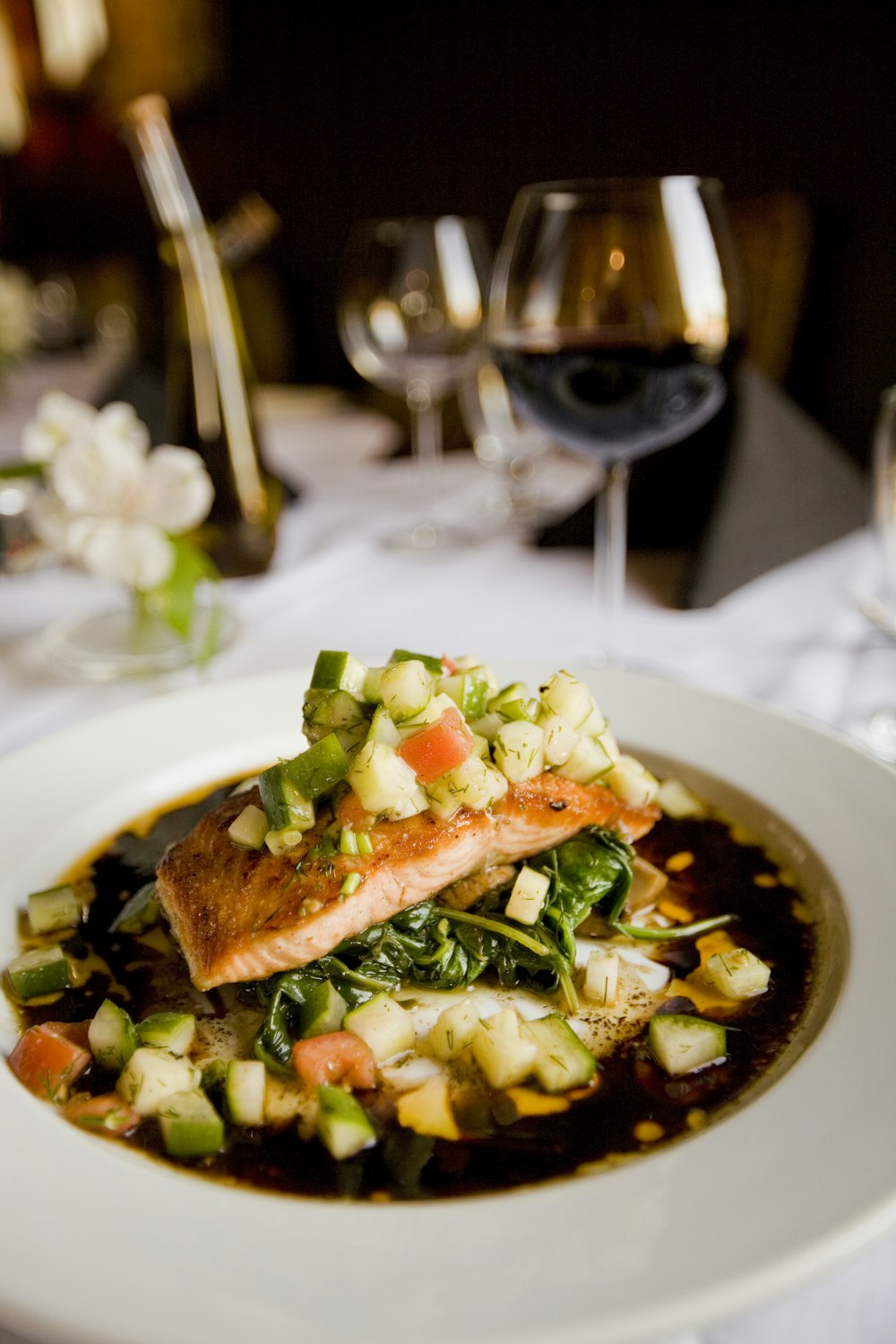
When crafting heart health tips for the kitchen, we must look at the types of fats we consume. The worst foods for heart health often involve trans fats and heavy saturated fats found in red meats and commercial baked goods. Replacing these with omega-3 fatty acids, found in fatty fish or walnuts, can significantly lower LDL cholesterol levels and reduce inflammation.
| Swap This (Limit) | For That (Increase) |
|---|---|
| White Bread and Pasta | Whole Grains (Quinoa, Brown Rice) |
| Salted Snack Chips | Unsalted Raw Almonds or Walnuts |
| Whole Milk and Cream | Low-fat Milk or Plant-based Alternatives |
| Store-bought Salad Dressing | Extra Virgin Olive Oil and Lemon |
| Canned Vegetables | Fresh or Frozen (No Salt Added) |
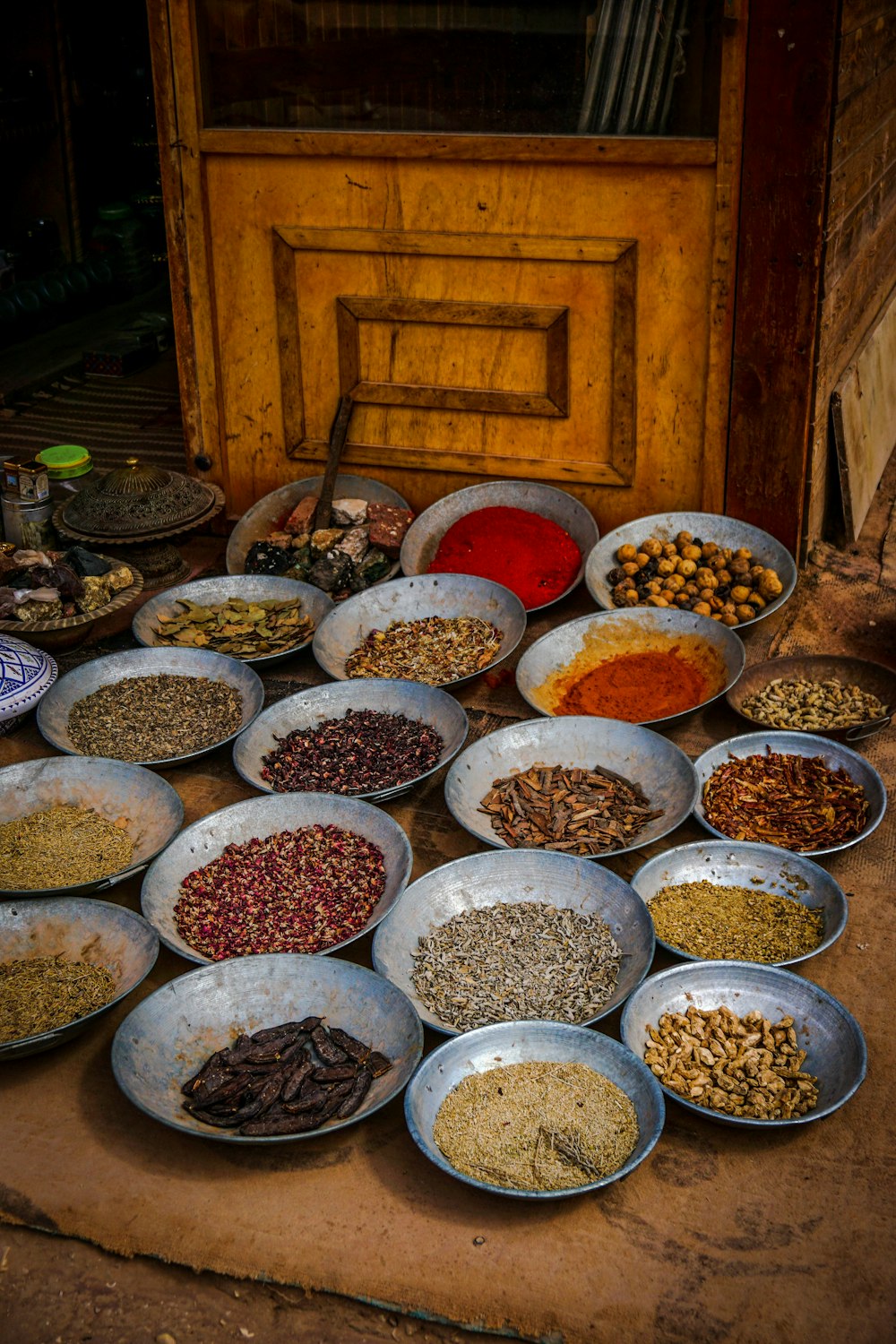
Low sodium meal prep for heart health doesn't mean eating bland food. Use fresh herbs, garlic, and vinegar to provide flavor without the cardiovascular risk associated with sodium.
Smart Hydration: Functional Drinks for Your Heart
Hydration is a frequently overlooked part of how to improve heart health naturally. When you are dehydrated, your blood becomes more viscous and your body retains more sodium, both of which drive up blood pressure. However, the best drink to lower blood pressure isn't just plain water, though that is the essential foundation.
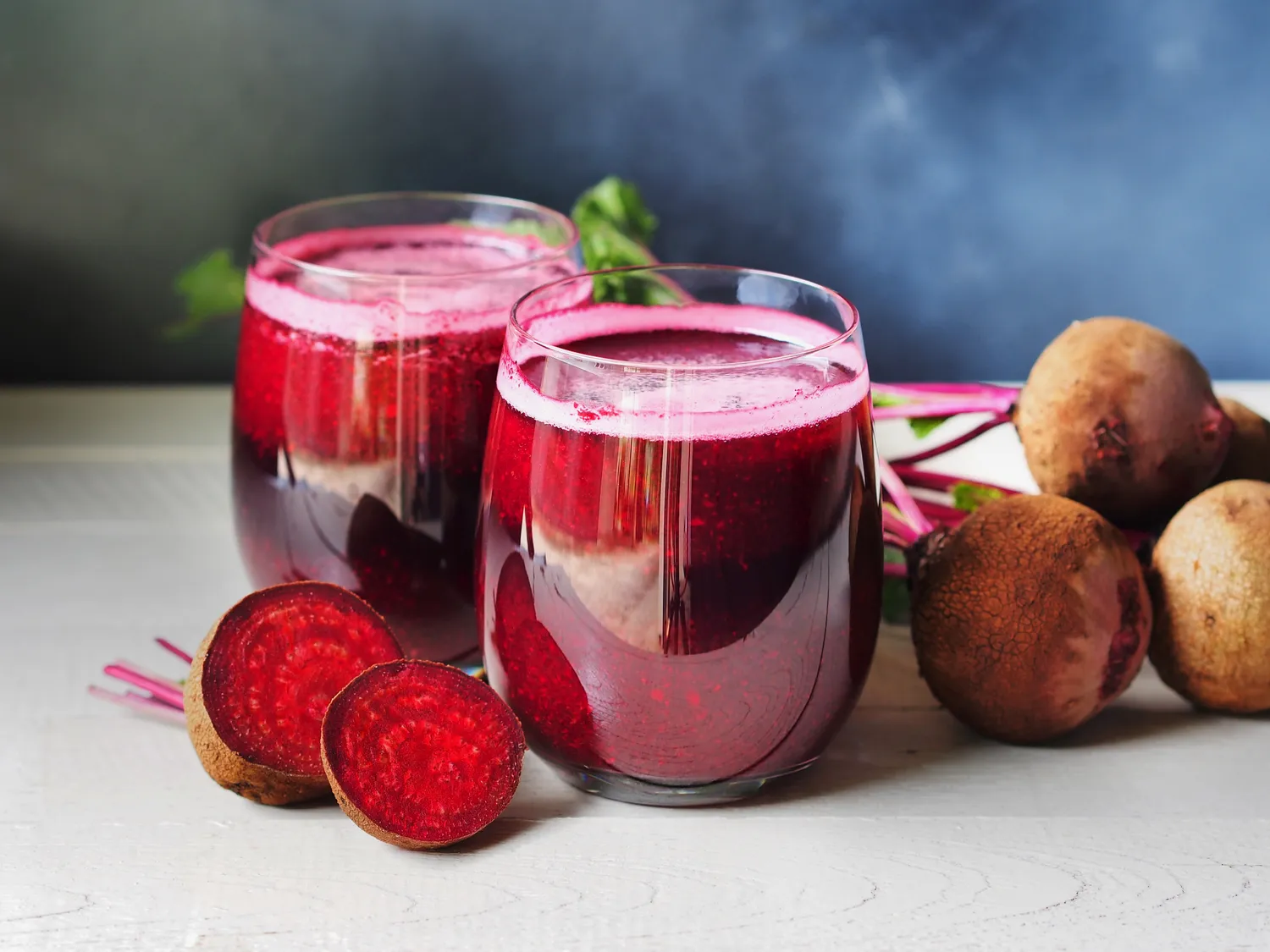
Specifically, research points toward beetroot juice as a powerhouse for arterial wellness because it is rich in dietary nitrates. These nitrates convert into nitric oxide in the body, which helps relax and dilate blood vessels. Hibiscus tea is another excellent functional beverage, containing anthocyanins that may act similarly to some blood pressure medications. If you prefer dairy, low-fat milk is a staple of the DASH diet because the calcium and vitamin D help regulate cardiovascular tone. Always be wary of added sugars in "heart-healthy" smoothies, as spikes in insulin can create arterial stress.
Quantified Movement and Recovery Timelines
Exercise is quite literally medicine for your heart. When you perform aerobic physical activity, your heart becomes more efficient at pumping blood, which puts less pressure on your arteries. According to current medical literature, engaging in at least 150 minutes of moderate-intensity aerobic activity per week can lower blood pressure in individuals with hypertension by approximately 5 to 8 mmHg.
These tips to improve heart health work best when you mix formats:
- Aerobic Base: Fast walking, swimming, or cycling for 30 minutes, five days a week.
- Strength Training: At least two days a week to improve metabolic health and body mass index.
- Active Recovery: Gentle stretching or yoga as part of stress reduction techniques.
The "Benefit Timeline" is a powerful psychological tool. For example, within just 20 minutes of quitting smoking, your heart rate and blood pressure begin to drop. Within weeks of starting a consistent exercise routine, your resting heart rate improves. Sleep is the final piece of the recovery puzzle; getting 7-9 hours of quality sleep allows the body to undergo its natural "dipping" phase, where blood pressure lowers significantly to allow the cardiovascular system to rest.
Home Monitoring: Combating White Coat Syndrome
One of the most important heart health tips for seniors and those with new diagnoses is to monitor blood pressure at home. Many people experience "White Coat Syndrome," where anxiety in a doctor's office causes a temporary spike in readings. Regular home tracking provides a more accurate "average" of your arterial health.
Daily monitoring helps your medical team distinguish between temporary stress-related spikes and resistant conditions like primary aldosteronism. When tracking, ensure you are sitting quietly for five minutes with your feet flat on the floor and your arm at heart level. Consistently recording these numbers is a vital part of long-term hypertension management and helps refine your low sodium meal prep for heart health based on real-time results.
FAQ
What are the 7 habits for a healthy heart?
The seven foundational habits include maintaining a healthy weight, eating a nutrient-dense diet like DASH, staying physically active, avoiding smoking, managing cholesterol, controlling blood sugar, and monitoring blood pressure. These habits work synergistically to reduce inflammation and keep the cardiovascular system resilient.
How can I improve my heart health?
You can improve your heart health by making sustainable lifestyle changes like reducing sodium by 1,000mg a day, increasing fiber intake through whole grains, and ensuring you get 150 minutes of moderate exercise weekly. Focusing on stress reduction and consistent sleep also plays a major role in heart wellness.
What is the fastest way to strengthen your heart?
The fastest way to improve heart efficiency is through consistent aerobic physical activity, which trains the heart muscle to pump more blood with each beat. Combining this with a reduction in processed sugars and sodium allows the heart to work against less resistance, providing measurable results in just a few weeks.
What drink calms the heart?
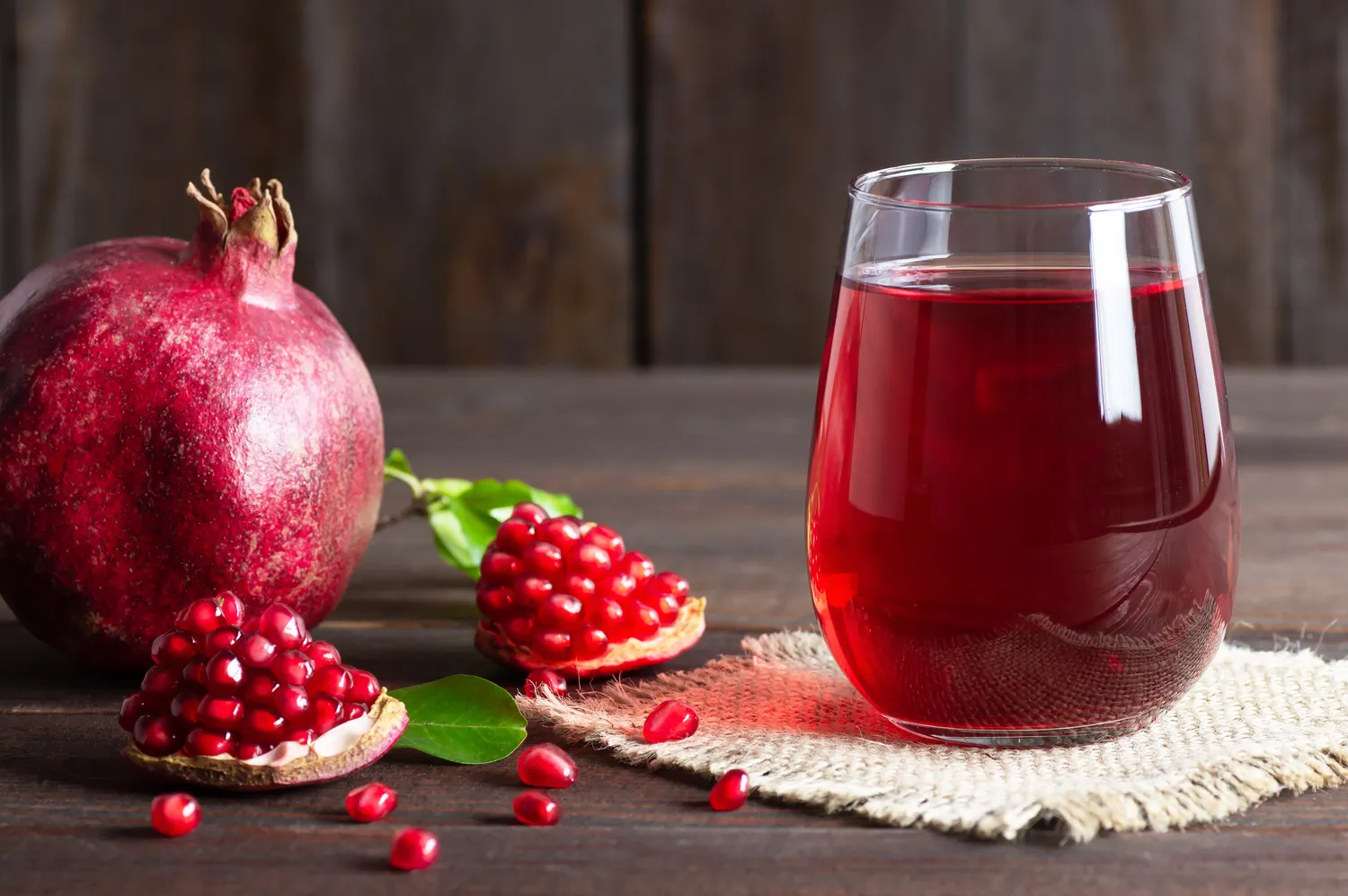
Beetroot juice and hibiscus tea are among the most effective functional drinks for heart health. Beetroot juice contains nitrates that help dilate blood vessels, while hibiscus tea is rich in antioxidants. Additionally, staying properly hydrated with water prevents the blood from thickening, which reduces arterial strain.
What are three foods cardiologists say not to eat?
Most cardiologists recommend avoiding processed meats like deli cold cuts due to high sodium, sugary sodas that drive inflammation, and foods containing trans fats or high amounts of saturated fats. These items are often cited as the worst foods for heart health because they actively contribute to arterial plaque and high blood pressure.