Quick Facts
- Primary Metric: Participants experienced a 58.7% to 62.8% reduction in AHI levels.
- Weight Management: The trials recorded a 17% to 20.1% mean reduction in total body weight.
- Disease Resolution: Approximately 51.5% of those on the maximum dose reached a sub-clinical state of fewer than five events per hour.
- Blood Pressure: Clinical data showed a reduction of up to 7.9 mmHg in systolic blood pressure.
- Inflammatory Markers: A significant 45.1% reduction in high-sensitivity C-reactive protein (hsCRP) was observed.
- Therapy Status: Tirzepatide is effective both as a standalone treatment and for those currently using positive airway pressure (PAP) devices.
Clinical data from the SURMOUNT-OSA trials indicate that tirzepatide significantly reduces the severity of obstructive sleep apnea in adults with obesity. Participants receiving the medication experienced a reduction in the Apnea-Hypopnea Index (AHI) of up to 58.7%, or approximately 29.3 fewer events per hour, providing a new pharmacological pathway for managing sleep-disordered breathing.
| Clinical Metric | Tirzepatide Result (Mean) | Placebo Result (Mean) |
|---|---|---|
| AHI Event Reduction (Events/Hr) | Up to 30.4 | 6.0 to 6.4 |
| Total Body Weight Loss | 17% to 20.1% | 2.2% to 2.3% |
| Systolic Blood Pressure Change | -7.9 mmHg | -0.7 mmHg |
| Disease Resolution Rate | 51.5% | 13.5% |
| Nocturnal Hypoxic Burden | Significant Improvement | Minimal Change |
The SURMOUNT-OSA Breakthrough: Trial Data Overview
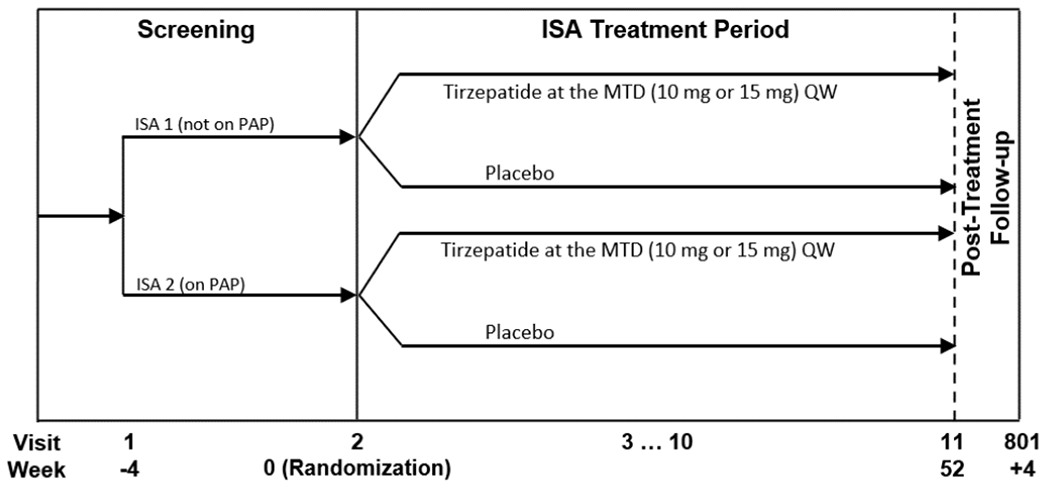
The release of the SURMOUNT-OSA trial results marks a pivotal moment in metabolic medicine and sleep science. These two 52-week, phase 3 clinical trials evaluated the efficacy and safety of tirzepatide in adults with moderate-to-severe obstructive sleep apnea and a high Body Mass Index (BMI). Study 1 focused on patients who were not using positive airway pressure therapy, while Study 2 looked at those already using and planning to continue CPAP or similar devices.
In the SURMOUNT-OSA Study 2, tirzepatide treatment resulted in a mean reduction of 30.4 events per hour in the apnea-hypopnea index (AHI), representing a 62.8% decrease from baseline compared to a 6.4% reduction for the placebo group. This data is critical for patients asking how effective is tirzepatide for obstructive sleep apnea. The clinical significance threshold for sleep apnea treatments often looks for a 50% reduction in symptoms; tirzepatide surpassed this benchmark across both patient cohorts.
For many, this surmount-osa trial results summary for patients suggests that the medication does more than just help with weight—it fundamentally changes the respiratory profile during sleep. The inclusion criteria required a BMI of at least 30 and an AHI of 15 or more, ensuring the results were applicable to those with clinically significant disease.
Dual Mechanism: How Tirzepatide Targets OSA
To understand the Tirzepatide sleep apnea connection, we must look at its role as a dual agonist. Unlike older medications that targeted a single pathway, tirzepatide mimics two naturally occurring hormones: glucose-dependent insulinotropic polypeptide (GIP) and glucagon-like peptide-1 (GLP-1). This combination creates a potent synergy that regulates appetite and slows gastric emptying, leading to profound weight loss.
Weight loss is the most visible driver of obstructive sleep apnea severity reduction. As patients achieve a mean body weight reduction of up to 20.1%, the physical pressure on the upper airway decreases. This reduce in fat deposits around the neck and tongue allows for better airway clearance. However, the benefits of these incretin mimetics may extend beyond simple mechanics. By addressing metabolic syndrome and reducing systemic inflammation, tirzepatide may also influence the neural control of breathing and reduce the nocturnal hypoxic burden, which is the total amount of oxygen desaturation a patient experiences overnight.

Comparing Efficacy: PAP Users vs. Non-Users
A common question in the clinical community is how much does tirzepatide reduce ahi levels for those who cannot tolerate CPAP machines. The trials specifically addressed this by segmenting participants into those who used positive airway pressure (PAP) therapy and those who did not.
Surprisingly, the Tirzepatide effect on AHI levels was robust in both groups. For patients not using PAP, the reduction in AHI was roughly 27 events per hour. For those who were consistent with their PAP therapy, the medication provided an additional reduction of over 30 events per hour. This indicates that tirzepatide vs cpap for sleep apnea management isn't necessarily an "either-or" debate. Instead, the medication can serve as a powerful adjunct, potentially allowing for lower pressure settings on machines or providing a safety net for nights when CPAP adherence is low.
The 50% Threshold: Can Tirzepatide Replace CPAP?
The most striking finding from the SURMOUNT-OSA trial results is the "disease resolution" rate. In clinical terms, reaching an AHI of fewer than five events per hour means the patient no longer meets the criteria for obstructive sleep apnea.
Disease Resolution Spotlight: In the phase 3 trials, 51.5% of participants on the 15 mg dose of tirzepatide achieved disease resolution. This suggests that for more than half of the study population, the medication effectively eliminated the clinical diagnosis of sleep apnea.
While these results lead many to ask can tirzepatide replace sleep apnea machines, clinical guidelines still emphasize caution. Discontinuing CPAP should only be done after a follow-up sleep study and consultation with a sleep specialist. Beyond the AHI numbers, patients reported feeling better. Scores on the Epworth Sleepiness Scale (ESS) and the PROMIS-SRI (Sleep-Related Impairment) showed that participants were more alert during the day and felt their sleep was more restorative.
Cardiometabolic Benefits Beyond Breathing
The impact of Tirzepatide sleep apnea treatment extends deep into the cardiovascular system. Sleep apnea is notoriously hard on the heart, often leading to resistant hypertension and chronic inflammation. The trial data suggests that by treating the underlying metabolic issues, we see a ripple effect of health improvements.
- Blood Pressure: Participants saw a mean reduction in systolic blood pressure of about 7.9 mmHg. This is a significant move toward reducing cardiovascular risk reduction in a high-risk population.
- Inflammation: The treatment led to lower levels of high-sensitivity C-reactive protein (hsCRP). Inflammation is a hallmark of sleep apnea and metabolic syndrome; lowering this marker suggests a decrease in systemic stress.
- Insulin Sensitivity: Markers like HOMA-IR improved, showing that the body was processing glucose more efficiently, further stabilizing metabolic health.

Safety Profile and Side Effects
As with all incretin mimetics, the primary side effects are gastrointestinal. In the SURMOUNT-OSA trials, the most commonly reported issues were diarrhea (23.9%) and nausea (23.5%). Most of these side effects were mild to moderate and occurred primarily during the initial dose escalation phase.
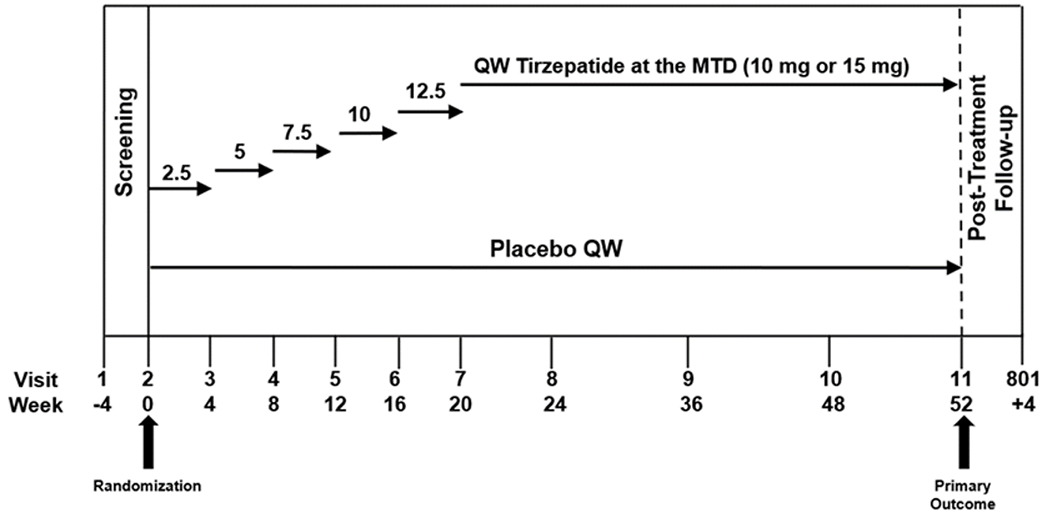
Safety is paramount, and it is important to note that tirzepatide is contraindicated for individuals with a personal or family history of medullary thyroid cancer or Multiple Endocrine Neoplasia syndrome type 2. When considering the side effects of using tirzepatide for sleep apnea, patients should work with their providers to utilize a slow titration schedule, which helps the body adjust to the hormonal changes. While the tirzepatide weight loss benefits for sleep apnea patients are vast, the management of these GI symptoms is key to long-term adherence.

FAQ
Does Tirzepatide help with sleep apnea?
Yes, clinical trials show that Tirzepatide significantly helps with sleep apnea by reducing the number of times a person stops breathing during the night. The medication addresses both the physical airway obstruction through weight loss and the underlying metabolic triggers that worsen the condition.
Can I stop using CPAP if I start taking Tirzepatide?
You should not stop using CPAP without consulting your doctor. While about 51.5% of trial participants reached a point where their sleep apnea was considered resolved, this was after 52 weeks of treatment. A follow-up sleep study is required to confirm it is safe to discontinue mechanical airway support.
What were the results of the Tirzepatide sleep apnea clinical trials?
The results of the SURMOUNT-OSA trials showed that Tirzepatide reduced AHI levels by up to 62.8%, led to an average weight loss of 20%, and significantly improved blood pressure and inflammatory markers in adults with obesity and moderate-to-severe sleep apnea.
Does Tirzepatide reduce the severity of sleep apnea in adults with obesity?
Yes, Tirzepatide is highly effective at reducing the severity of sleep apnea in adults with obesity. It reduces the frequency of apnea and hypopnea events by up to 30.4 events per hour, moving many patients from the "severe" category into "mild" or "normal" ranges.
How long does it take for Tirzepatide for sleep apnea symptoms?
While some weight loss benefits begin within the first few weeks, the full impact on sleep apnea symptoms as measured in the trials was observed over a 52-week period. Significant improvements in daytime sleepiness and energy levels typically follow the progression of weight loss and the achievement of maintenance dosing.