Quick Facts
- Risk Multiplier: People with untreated moderate to severe sleep apnea are 4x more likely to die and nearly 4x more likely to suffer a stroke.
- Heart Health: Patients face a 30% increased risk of sudden death and are 5x more likely to develop atrial fibrillation.
- Metabolic Impact: Obstructive sleep apnea is linked to a 71% higher risk of cardiovascular events or all-cause mortality.
- Public Safety: Sleep-deprived individuals are responsible for 20% of fatal car crashes due to impaired reaction times.
- Diagnosis Gap: An estimated 90% of sleep apnea cases remain undiagnosed, leaving millions at risk for systemic organ damage.
- Cardiac Strain: Those with severe apnea show a 15x higher risk of heart wall thickening compared to healthy sleepers.
Untreated sleep apnea is a silent threat affecting millions, where repeated drops in oxygen levels trigger a cascade of systemic health complications. Over time, the strain on the cardiovascular system and metabolic health can become life-threatening. Understanding the long-term impact of untreated obstructive sleep apnea is the first step toward recovery. Untreated sleep apnea causes repeated drops in blood oxygen levels, known as intermittent hypoxia, which puts significant strain on the cardiovascular system. Over time, this increases the risk of developing hypertension, atrial fibrillation, heart failure, and stroke. Chronic systemic inflammation and sympathetic nervous system activation associated with the condition are also linked to higher cardiovascular mortality.
The Biological Mechanism: Why Oxygen Drops Damage the Body
To understand why untreated sleep apnea is so damaging, we have to look at what happens in the body every time breathing stops. When the airway collapses, the brain detects a drop in blood oxygen levels, a state known as intermittent hypoxia. This triggers an immediate survival response. Your brain sends a jolt of adrenaline through your system to wake you up just enough to gasp for air. This sympathetic nervous system activation happens dozens or even hundreds of times a night.
While you might not remember these "micro-arousals," your heart and blood vessels certainly do. This repetitive "fight or flight" cycle leads to oxidative stress, a process where unstable molecules damage your cells. This doesn't just stay in your lungs; it creates systemic inflammation that travels through your entire bloodstream.
What makes this especially dangerous is that the damage occurs even if your daytime blood pressure readings seem normal. This "normotensive danger" means your internal organs are being weathered by nightly stress while you are seemingly healthy during the day. Recognizing the early sleep apnea warning signs, such as chronic snoring followed by gasping or extreme daytime fatigue, is vital. If you notice persistent weight gain despite diet changes or a sudden inability to manage blood pressure with standard medication, these are clear signs your sleep apnea is getting worse.
Cardiovascular Risks: The Strain on the Heart
The heart is perhaps the most vulnerable organ when it comes to the cardiovascular risks of sleep apnea. Every time your oxygen levels dip, your heart has to pump harder to circulate what little oxygen remains. This creates a high-pressure environment that physically reshapes the heart over time.
Research shows that there is an independent link between obstructive sleep apnea and atrial fibrillation. In fact, individuals with the condition are five times more likely to develop atrial fibrillation than those who breathe normally during the night. Furthermore, the constant pressure changes in the chest can lead to left ventricular hypertrophy, or heart wall thickening. Clinical data indicates an Odds Ratio of 15.2 for heart wall thickening in severe apnea patients, meaning they are over fifteen times more likely to suffer this structural damage.
The long-term cardiovascular risks of untreated sleep apnea also include a significantly higher chance of sudden cardiac death. A 20-year follow-up study published in the Journal of Clinical Sleep Medicine found that individuals with untreated moderate to severe obstructive sleep apnea are four times more likely to die and nearly four times more likely to have a stroke than those without the condition. Additionally, research indicates that untreated obstructive sleep apnea is associated with a 30% increased risk of sudden death. The nightly surges in blood pressure eventually lead to chronic hypertension that becomes increasingly difficult to treat with medication alone.
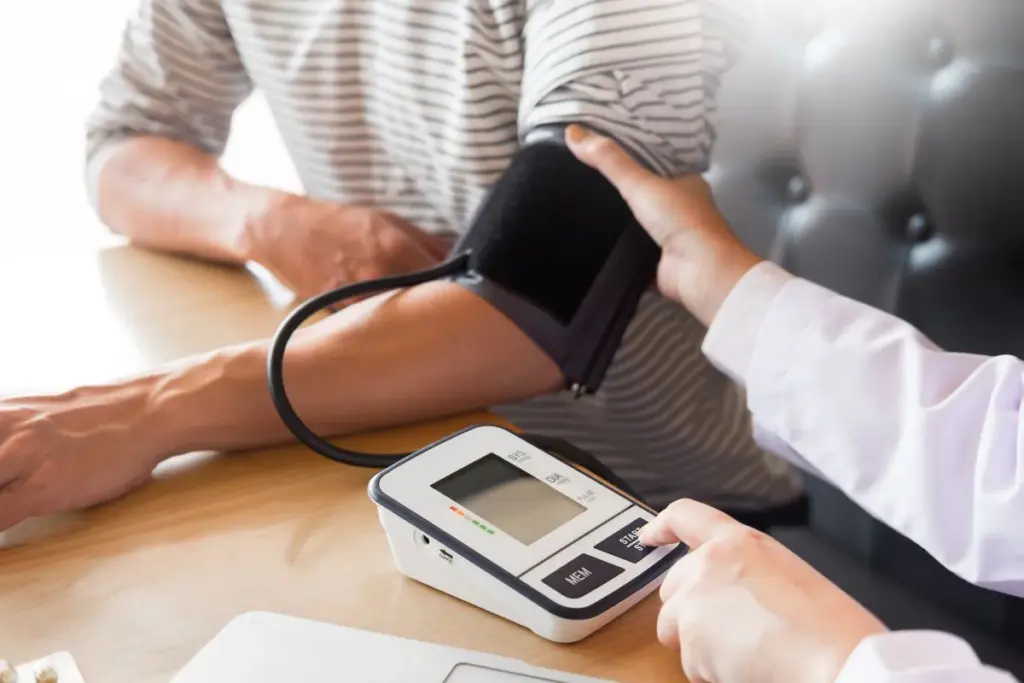
Metabolic Health: The Diabetes and Obesity Cycle
The impact of untreated sleep apnea extends deep into your metabolic system, creating a "circular relationship" that is difficult to break. Sleep is the time when your body regulates hormones, including those that control hunger and insulin sensitivity. When you experience chronic sleep fragmentation, your body produces more ghrelin (the hunger hormone) and less leptin (the fullness hormone).
This hormonal imbalance often leads to significant weight gain. Because excess weight—particularly around the neck—worsens airway obstruction, the untreated sleep apnea and weight gain complications create a self-reinforcing loop. Beyond weight, the physiological stress of apnea directly impairs how your body processes sugar.
The untreated sleep apnea and type 2 diabetes risk is well-documented in clinical literature. The repeated stress of oxygen deprivation contributes to insulin resistance and metabolic syndrome. Recent data from the European Congress on Obesity indicates that people living with obstructive sleep apnea have a 71% higher risk of cardiovascular events or all-cause mortality compared to those without the disorder. This metabolic disruption makes it nearly impossible for many patients to lose weight until their sleep issues are addressed.
Neurocognitive Impact and Public Safety
The brain requires steady oxygen and deep, uninterrupted sleep to clear out cellular waste and consolidate memories. Chronic sleep fragmentation caused by apnea prevents the brain from reaching the restorative stages of REM and deep sleep. Over years, this results in significant cognitive impairment from untreated obstructive sleep apnea.
Patients often report "brain fog," difficulty concentrating, and short-term memory loss. However, the neurological effects go deeper. There is a strong correlation between sleep-disordered breathing and an increased likelihood of depression and anxiety. The brain’s emotional regulation centers simply cannot function correctly under the constant duress of nighttime suffocation.
Perhaps the most immediate danger of untreated sleep apnea is the impact on public safety. The safety hazards of driving with untreated sleep apnea are comparable to driving while intoxicated. Slowed reaction times and reduced alertness make sleep-deprived drivers a major hazard on the road. Statistics show that sleep-deprived drivers account for 20% of car crash deaths. For someone with severe apnea, the risk of being involved in a motor vehicle accident is significantly higher than that of a healthy driver.
Hidden Systemic Risks: Liver Damage and Beyond
While heart disease and diabetes are the most common sleep apnea health complications discussed, the condition affects almost every organ system. One of the "hidden" risks is the link to liver health. The oxidative stress caused by intermittent hypoxia can lead to liver inflammation and non-alcoholic fatty liver disease (NAFLD). Even in patients who do not consume alcohol, the liver can show signs of scarring and fat accumulation similar to alcoholic cirrhosis purely because of the stress of sleep apnea.
It is also important to address a common myth: that only overweight men suffer from apnea. Many women and thin patients have obstructive sleep apnea due to jaw structure or genetics. Unfortunately, these populations often receive false negatives on home sleep tests, with some studies suggesting a 15% false-negative rate for these groups. If you feel exhausted despite a "normal" home test, pursuing a more comprehensive study is essential.
From Diagnosis to Modern Treatment
If you suspect you are at risk, the first step is a professional diagnosis through a polysomnography. This is an overnight sleep study that monitors your brain waves, oxygen levels, heart rate, and breathing. The severity of the condition is measured by the Apnea-Hypopnea Index (AHI), which calculates how many times your breathing stops or slows per hour.
| AHI Level | Severity Category | Clinical Impact |
|---|---|---|
| Less than 5 | Normal | Low risk of systemic complications |
| 5 to 15 | Mild | Increased daytime fatigue; early metabolic stress |
| 15 to 30 | Moderate | High risk of hypertension and cardiovascular strain |
| Over 30 | Severe | Critical risk of stroke, heart failure, and sudden death |
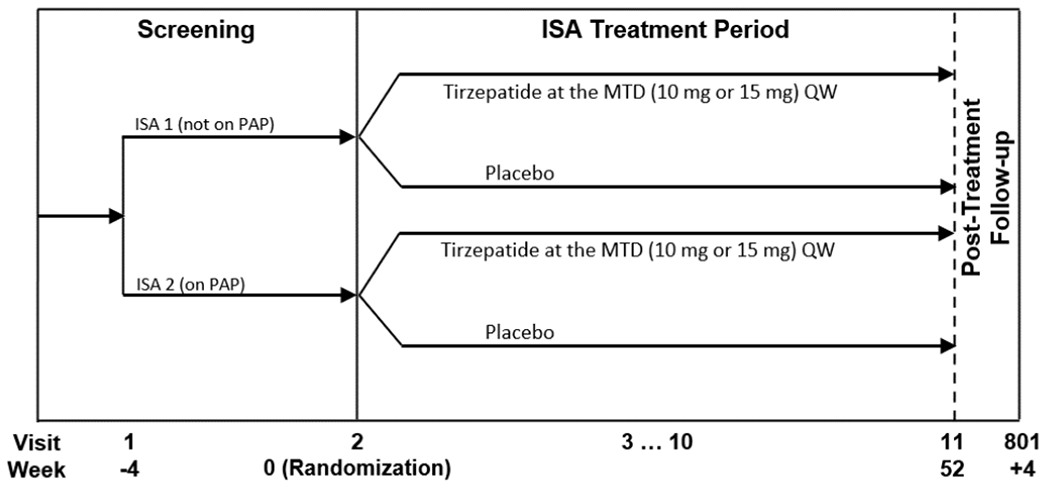
The good news is that treatment has evolved far beyond the basic CPAP therapy machines of the past. While CPAP remains the gold standard for many, there are now surgical options like nerve stimulation implants (Inspire) that keep the airway open without a mask. Newer pharmaceutical interventions, such as Tirzepatide (GLP-1 receptor agonists), have shown promise in clinical trials, sometimes reducing apnea severity by 50% by addressing the underlying metabolic and weight-related triggers.

FAQ
What happens if sleep apnea goes untreated?
If left untreated, the condition leads to a progressive decline in physical and mental health. The repeated drops in blood oxygen cause systemic inflammation that damages the heart, blood vessels, and metabolic system. This increases the risk of life-threatening events like heart attacks and strokes, while also causing chronic fatigue and cognitive decline.
Can you die in your sleep from untreated sleep apnea?
While it is rare to stop breathing entirely and not wake up, untreated sleep apnea significantly increases the risk of sudden cardiac death during the night. The strain on the heart can trigger a fatal heart rhythm, especially in individuals with existing cardiovascular risks of sleep apnea.
Does untreated sleep apnea cause heart disease?
Yes. The chronic stress of oxygen deprivation and the resulting hypertension are direct causes of various forms of heart disease. This includes heart failure, coronary artery disease, and structural changes like heart wall thickening, which severely compromises the heart's ability to pump blood.
Can sleep apnea get worse if not treated?
Sleep apnea typically follows a progressive path. Untreated apnea often leads to weight gain and metabolic changes that further narrow the airway, making the obstructions more frequent and severe over time. Age and muscle tone loss also contribute to the worsening of the condition.
Can untreated sleep apnea cause high blood pressure?
Absolutely. The sympathetic nervous system activation that occurs during an apnea event causes immediate spikes in blood pressure. Over time, these nightly surges reset the body's baseline pressure, leading to chronic hypertension that is often resistant to traditional blood pressure medications.
Does untreated sleep apnea affect brain function?
Untreated apnea has a profound impact on neurocognitive health. Chronic sleep fragmentation prevents the brain from entering restorative sleep cycles, leading to cognitive impairment from untreated obstructive sleep apnea, including issues with memory, focus, and emotional regulation.
The long-term consequences of ignoring sleep apnea are too severe to overlook. However, the path to recovery is well-defined. By seeking a professional evaluation and committing to a treatment plan, you can reverse many of these risks and reclaim your health, energy, and future.