Quick Facts
- Statistics: Approximately 60% of people with breast cancer experience weight gain within the first year after their diagnosis.
- Weight Range: Many women undergoing chemotherapy gain between 5 and 14 pounds over a one-year period, with some gaining up to 25 pounds.
- Clinical Causes: Treatment-induced menopause, steroids like Decadron, and metabolic shifts from endocrine therapy are primary drivers.
- Dietary Focus: Adopting the 20% fat rule from the WINS study and a plant-forward eating approach supports a healthy weight.
- Exercise Goal: Aiming for 150 minutes of moderate-intensity activity, such as walking, per week helps preserve lean muscle mass.
- Long-term Risk: Research shows 18% of breast cancer survivors gain more than 10% of their body weight within six years of diagnosis.
Manage breast cancer weight gain with evidence-based strategies. Weight changes are common during treatment due to chemotherapy, steroids, and hormone therapy. This guide offers actionable advice on nutrition, exercise, and survivorship planning to help you regain control of your health and energy balance.
Understanding the Causes: Why Treatment Triggers Weight Gain
Navigating a breast cancer diagnosis is an emotional journey, and the physical changes that follow can often feel like an additional burden. Many of my readers share that the scale starts to climb just as they are trying to focus on healing. Understanding the causes of weight gain during chemotherapy and other treatments is the first step toward reclaiming your body.
The reasons for this shift are often clinical rather than behavioral. Chemotherapy can lead to a metabolic slowdown, while corticosteroids like Prednisone or Decadron, often prescribed to manage nausea, can significantly increase appetite and lead to fluid retention. Furthermore, endocrine therapy using aromatase inhibitors or Tamoxifen can decrease lean muscle mass and lower your resting metabolic rate. For many women, treatment also induces early menopause, which naturally shifts the body's energy balance and encourages fat storage around the midsection.

Nutrition Strategies: The 20% Fat Rule and Balanced Plate
When it comes to breast cancer nutrition for weight management, the goal is to nourish your body while managing calorie density. One of the most influential pieces of research in this field is the Women’s Intervention Nutrition Study (WINS), which suggested that reducing fat intake—aiming for roughly 20% of total daily calories from fat—can help manage weight and may even lower the risk of recurrence.
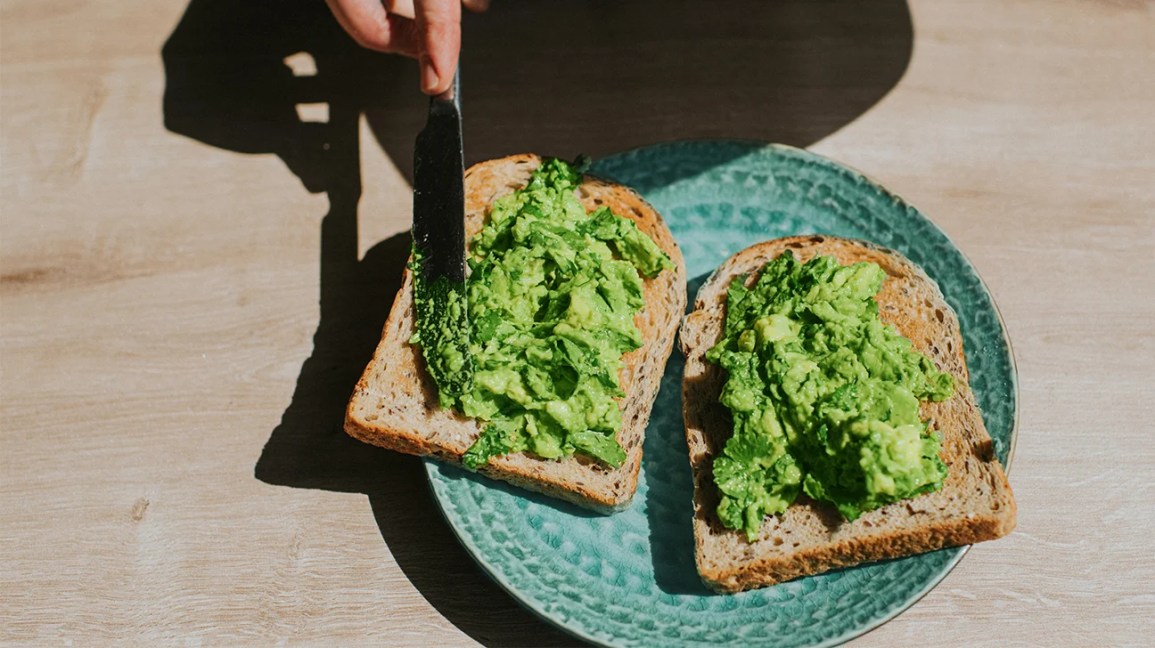
A plant-forward eating style is generally recommended. This doesn't mean you must become a vegetarian, but rather that you prioritize fiber-rich foods like lentils, beans, and colorful vegetables. Fiber is essential because it helps you feel full longer and stabilizes the glycemic index of your meals, preventing the insulin spikes that can lead to fat storage.
| What to Try | What to Avoid |
|---|---|
| Fiber-rich foods (25-35g daily) | High-fat processed meats |
| Lean proteins like fish and tofu | Sugary beverages and sodas |
| Whole grains (quinoa, brown rice) | Refined white flours and pastries |
| Cruciferous vegetables (broccoli, kale) | Excessive alcohol consumption |
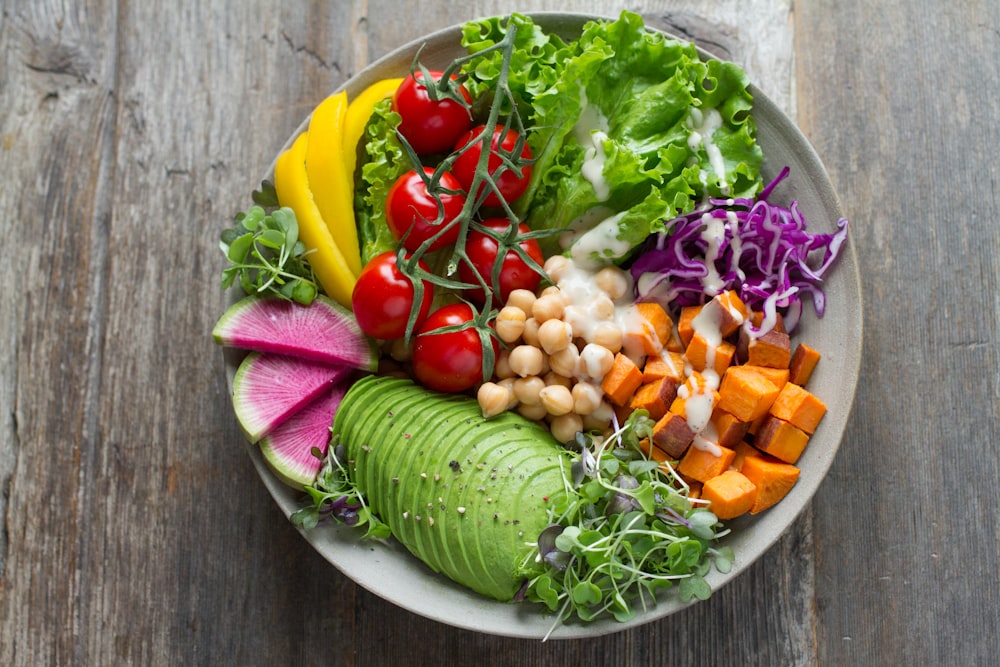
To simplify your daily choices, I often recommend the Balanced Plate method. Imagine your plate divided into sections: two-thirds should be filled with plant-based foods (vegetables, fruits, and grains), and the remaining one-third should consist of lean animal protein or dairy. This naturally helps you stay within a healthy Body Mass Index without the stress of constant calorie counting.
Serena’s Tip: Keep added sugars to a minimum. The World Health Organization suggests a limit of 25 grams of added sugar per day. Reducing sugar helps manage insulin levels and supports a more stable energy balance throughout the day.
Physical Activity: Reclaiming Your Metabolic Rate
While fatigue is a very real side effect of treatment, finding gentle ways to move is a vital tool for preventing weight gain after breast cancer diagnosis. The gold standard for survivors is walking 150 minutes a week for breast cancer weight loss and general cardiovascular health. This breaks down to just 30 minutes, five days a week.
However, aerobic exercise is only half the story. Because endocrine therapy can cause a loss of lean muscle mass, incorporating resistance training is crucial. Muscle is metabolically active tissue; the more you have, the higher your metabolic rate will be, even at rest.
- Start Slow: If you are experiencing treatment-related fatigue, use the Spoon Theory. If you only have five "spoons" of energy today, perhaps two go to daily chores and one goes to a 10-minute walk.
- Resistance Training: Use light weights or resistance bands twice a week to maintain muscle. This also supports bone health, which can be compromised by aromatase inhibitors.
- Lymphedema management: If you are at risk for lymphedema, wear your compression garments during exercise and avoid sudden, heavy lifting without professional guidance.

| Activity Type | Benefit for Survivors |
|---|---|
| Brisk Walking | Improves mood and cardiovascular health |
| Strength Training | Builds muscle to counter metabolic slowdown |
| Yoga/Stretching | Reduces joint pain from hormone therapy |
| Water Aerobics | Gentle on joints and helps with fluid retention |
Long-Term Recovery: Hormone Therapy and Survivorship Care
As you transition out of active treatment, you may find that the challenge of managing weight gain during breast cancer treatment continues. Many survivors remain on hormone therapy for five to ten years. Learning how to lose weight after breast cancer hormone therapy requires patience and a long-term perspective.
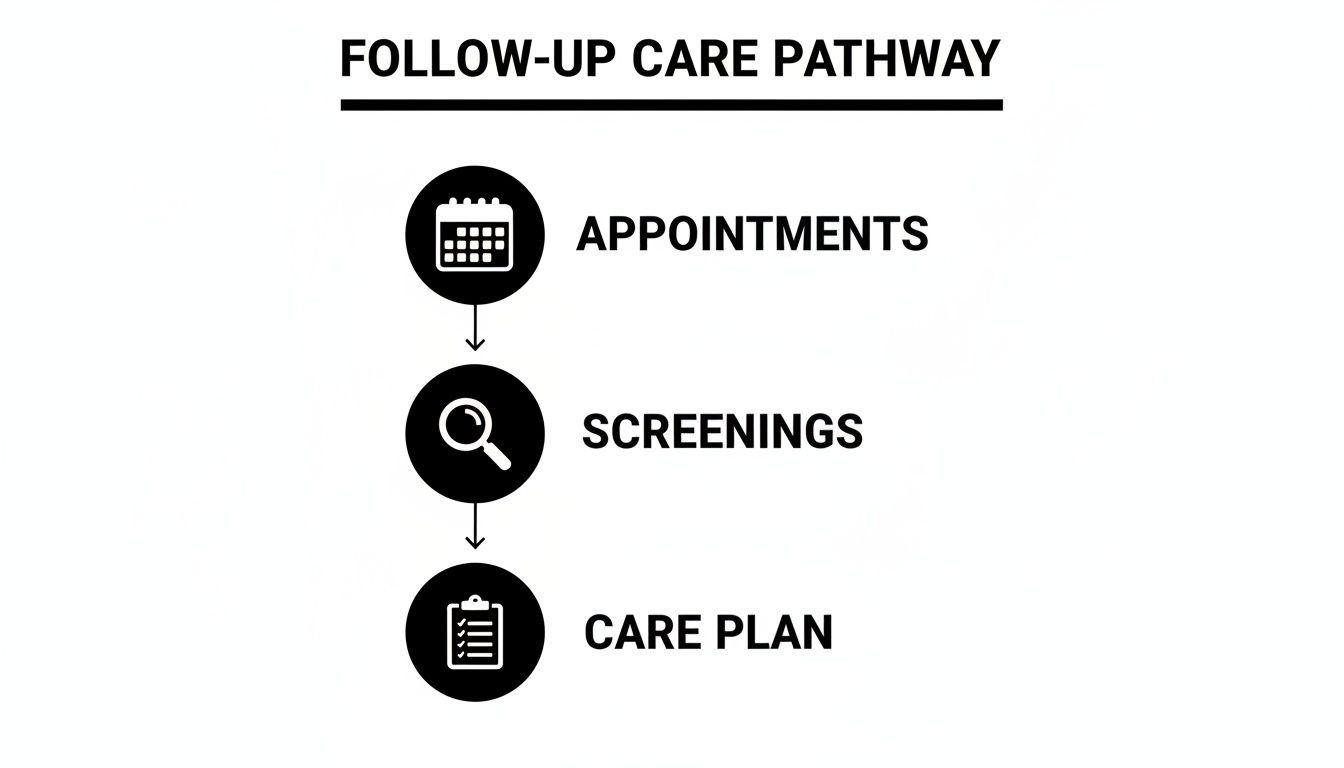
This is where a Survivorship Care Plan (SCP) becomes invaluable. An SCP is a document that summarizes your treatment and provides a roadmap for your future health. It should include goals for monitoring your Body Mass Index and waist circumference. Keeping your waist circumference below 88cm (35 inches) is a common clinical recommendation for women to reduce the risk of metabolic complications. Using survivorship care plans for weight management ensures that your entire medical team—including your primary care physician and oncologist—is on the same page regarding your metabolic health.
Myths vs. Facts: Soy, Sugar, and Organic Food
There is a significant amount of misinformation regarding breast cancer nutrition. Let's clarify a few common myths:
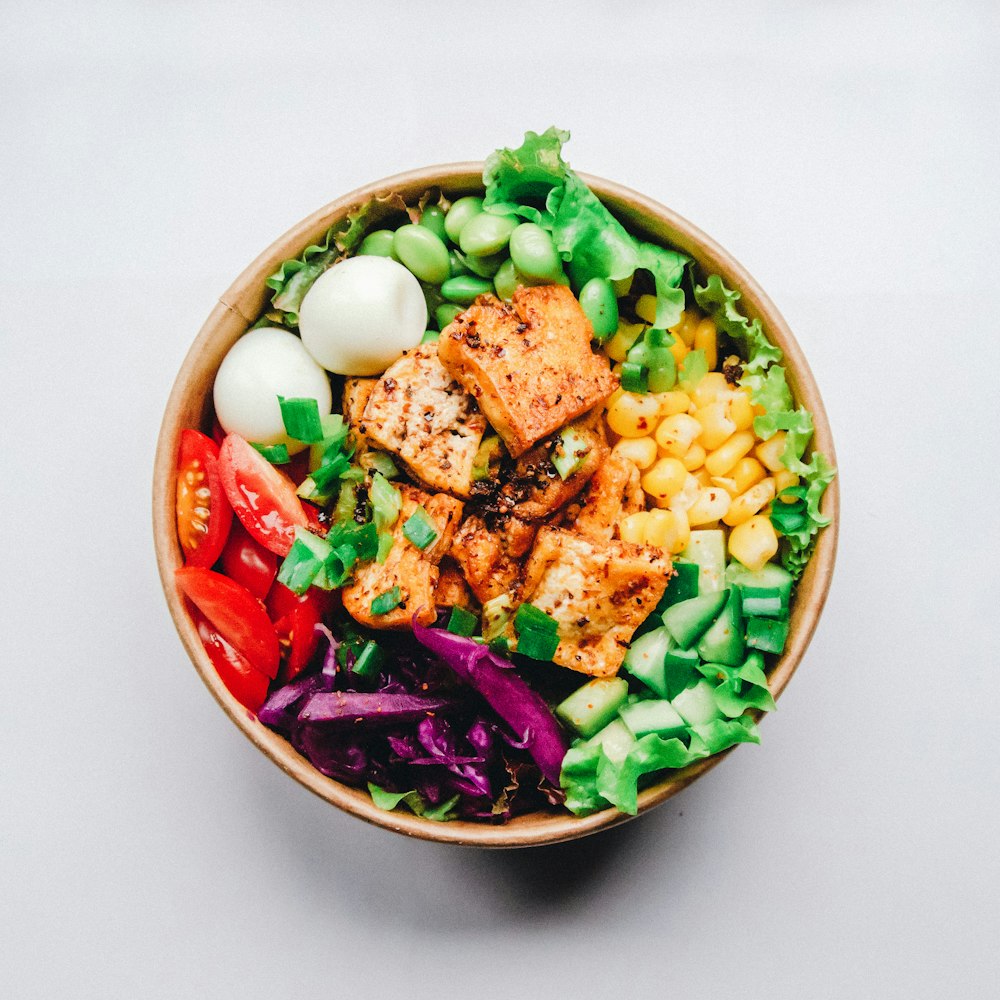
Myth: Soy increases the risk of recurrence. Fact: Extensive research shows that moderate consumption of whole soy foods, such as tofu or edamame, is safe and may even be protective. Soy contains isoflavones, which are plant estrogens that do not behave the same way as human estrogen in the body.
Myth: Sugar "feeds" cancer directly. Fact: While cancer cells consume glucose, all cells in your body do. The real danger of high sugar intake is its contribution to weight gain and elevated insulin levels, which creates an environment where cancer is more likely to thrive. Focus on managing your energy balance rather than fearing every gram of natural sugar in fruit.
Myth: You must eat 100% organic to be healthy. Fact: While reducing pesticide exposure is good, the most important factor is the quantity and variety of vegetables you eat. If organic produce isn't accessible or affordable, conventional fruits and vegetables are still far better than none at all.
FAQ
Why do many women gain weight during breast cancer treatment?
Weight gain is often caused by a combination of factors including chemotherapy-induced metabolic changes, the use of steroids to manage side effects, and hormone therapies that lower estrogen and decrease muscle mass. Additionally, the intense fatigue associated with treatment often leads to a decrease in physical activity, disrupting the body's energy balance.
How can I manage weight gain while taking hormone therapy?
Managing weight during hormone therapy requires a focus on preserving muscle through resistance training and following a plant-forward eating plan. Since drugs like aromatase inhibitors can slow your metabolism, focusing on high-fiber, nutrient-dense foods helps you feel satisfied with fewer calories while supporting your overall health.
Does weight gain increase the risk of breast cancer recurrence?
Studies have indicated that significant weight gain and a higher Body Mass Index after diagnosis may be linked to an increased risk of recurrence for certain types of breast cancer. Maintaining a healthy weight helps regulate insulin and estrogen levels, which are factors in cancer growth.
How do steroids used in cancer treatment affect weight?
Steroids such as Decadron are essential for reducing inflammation and nausea, but they can cause a rapid increase in appetite and lead to fluid retention. This often results in temporary weight gain, particularly around the face and abdomen, which usually subsides once the steroid regimen is completed.
What is the best diet for avoiding weight gain during treatment?
The most effective approach is a plant-forward diet rich in vegetables, whole grains, and lean proteins. Following the 20% fat rule and keeping the glycemic index of your meals low can help stabilize blood sugar and prevent excess weight gain while ensuring your body gets the nutrients it needs for recovery.
Next Steps: Consulting Your Oncology Team
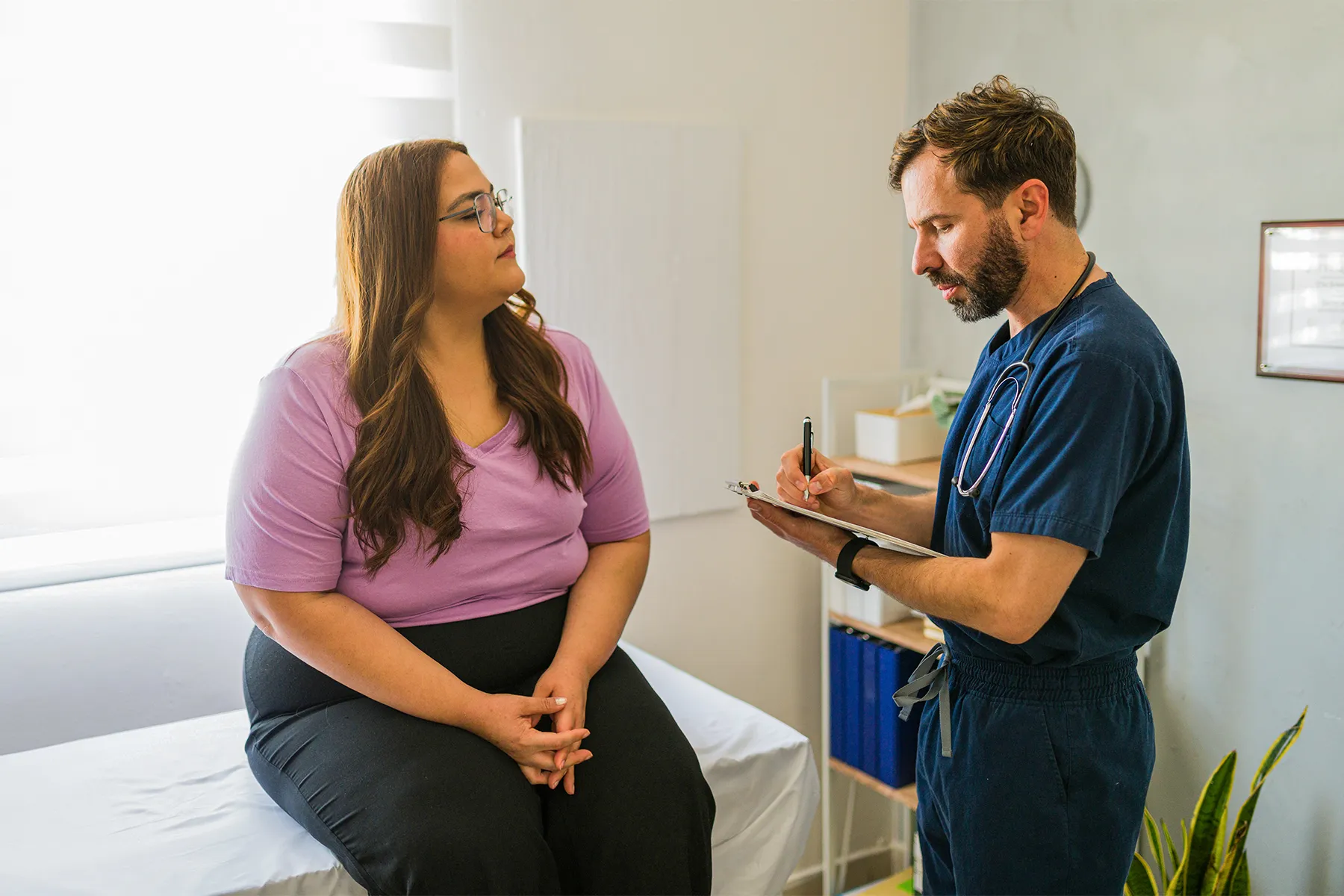
Managing weight gain is a clinical part of your recovery, not a secondary concern. If you are struggling with your weight, ask your doctor for a referral to an oncology dietitian. These specialists are trained to understand the specific nutritional needs and metabolic challenges faced by cancer survivors.
Setting realistic goals is key. During active treatment, the goal may simply be to prevent further gain. Once you move into the survivorship phase, a slow, sustainable loss of 1 to 2 pounds per week is often the safest target. Remember, your body has been through an incredible ordeal; treat it with the kindness and patience it deserves as you work toward a healthier future.