Quick Facts
- Clinical Target: Achieving a 10% to 15% reduction in total body weight is the primary goal for metabolic restoration.
- Success Rate: The DiRECT trial demonstrated that 86% of participants who lost more than 15kg achieved diabetes remission.
- Primary Outcome: Remission is defined as maintaining an HbA1c level below 6.5% for at least three months without glucose-lowering medication.
- The Window of Opportunity: Success rates are highest when weight loss interventions occur within the first five years of diagnosis.
- Systemic Benefits: Beyond blood sugar, a 10% weight loss significantly reduces blood pressure and improves lipid profiles.
- Long-term Maintenance: Sustained remission requires a transition from rapid weight loss to long-term habits for maintaining long term diabetes remission.
Losing 10% of total body weight is a key clinical target for achieving diabetes remission. This intentional weight reduction helps decrease visceral adiposity, improves insulin sensitivity, and promotes beta-cell recovery. By reducing fat stored in the liver and pancreas, the body can better regulate blood glucose levels, often leading to hemoglobin A1c levels below the diabetic range without the need for daily glucose-lowering medications.

For decades, a diagnosis of type 2 diabetes was viewed as a permanent, progressive condition. Patients were often told they would need to manage their symptoms with an ever-increasing list of medications for the rest of their lives. However, groundbreaking clinical research has fundamentally changed this narrative. We now know that for many individuals, reversing type 2 diabetes is not just a hope but a medically achievable reality. The catalyst for this transformation is a specific, measurable milestone: a 10% reduction in body weight.
This guide explores the physiological shifts that occur when you reach this target, the health benefits of 10 percent weight loss, and the practical steps required to reclaim your metabolic health.
The Science of 10%: Why Weight Loss Triggers Remission
To understand why a 10% weight loss is so effective, we must look at the underlying biology of type 2 diabetes. The condition is often driven by an accumulation of fat in places it doesn’t belong—specifically within the liver and the pancreas. This is known as visceral adiposity. When these organs are crowded with excess fat, they can no longer function correctly. The liver becomes resistant to insulin, pumping out excess sugar into the bloodstream, while the pancreas struggles to produce enough insulin to keep up.
When you achieve significant weight loss for type 2 diabetes, your body prioritizes burning this dangerous internal fat. Research indicates that as liver fat decreases, the organ regains its ability to respond to insulin, which helps stabilize glucose homeostasis. More importantly, reducing fat in the pancreas allows the insulin-producing cells, known as beta-cells, to "wake up" and resume their normal function. This process, known as beta-cell recovery, is the biological engine that drives the remission process.
While losing 5% of your weight provides general health benefits, the move to 10% or 15% is what typically triggers the disease-modifying effects. At this level of reduction, the metabolic health of the individual undergoes a profound shift. The systemic inflammation associated with obesity begins to subside, and the body’s overall insulin sensitivity improves to the point where blood sugar can be regulated naturally.
The Critical Window: Timing Your Weight Loss Journey
Timing plays a vital role in the success of reversing type 2 diabetes. While it is never too late to improve your health, the "critical window" for achieving full remission is usually within the first five years following a diagnosis. During this period, the beta-cells in the pancreas are often in a state of hibernation rather than being permanently damaged.
According to research, individuals who lose 10% or more of their body weight within the first year of a type 2 diabetes diagnosis are three times more likely to achieve remission compared to those who gain weight. This emphasizes the need for immediate, decisive action upon diagnosis. Waiting several years to address weight can lead to further beta-cell exhaustion, making it harder to reach A1c goals to achieve type 2 diabetes remission later on.
The same principles apply to those currently in the earlier stages of the disease. Reversing prediabetes through 10 percent intentional weight loss is even more effective, as it prevents the metabolic damage from becoming entrenched. By focusing on weight reduction early, patients can avoid the transition to full-blown diabetes and the complications that come with it.
How to Lose 10% Body Weight for Diabetes Remission
Achieving a double-digit weight loss percentage requires more than just "eating less." It demands a structured, evidence-based approach to lifestyle modification. Clinical guidelines suggest that a caloric restriction of 500 to 750 calories per day is often necessary to see meaningful progress. However, the quality of those calories is just as important as the quantity.
Effective Dietary Patterns
Successful outcomes are often tied to specific dietary patterns for 10 percent weight loss in type 2 diabetics. These include:
- The Mediterranean Diet: Rich in healthy fats, lean proteins, and fibrous vegetables, which supports heart health while managing blood sugar.
- Low-Carbohydrate Approaches: Reducing the intake of refined sugars and starches to minimize insulin spikes.
- Very Low-Calorie Diets (VLCD): Often used in clinical trials like DiRECT, these involve meal replacements under medical supervision to jumpstart rapid weight loss.
Physical Activity and Maintenance
While diet is the primary driver for losing weight, exercise is the key to keeping it off. For initial loss, 150 minutes of moderate activity per week is recommended. However, to support sustainable weight maintenance, that figure should ideally increase to 200–300 minutes per week. This level of activity helps preserve muscle mass while the body burns fat, ensuring that your metabolic rate stays high.
The Role of Modern Pharmacotherapy
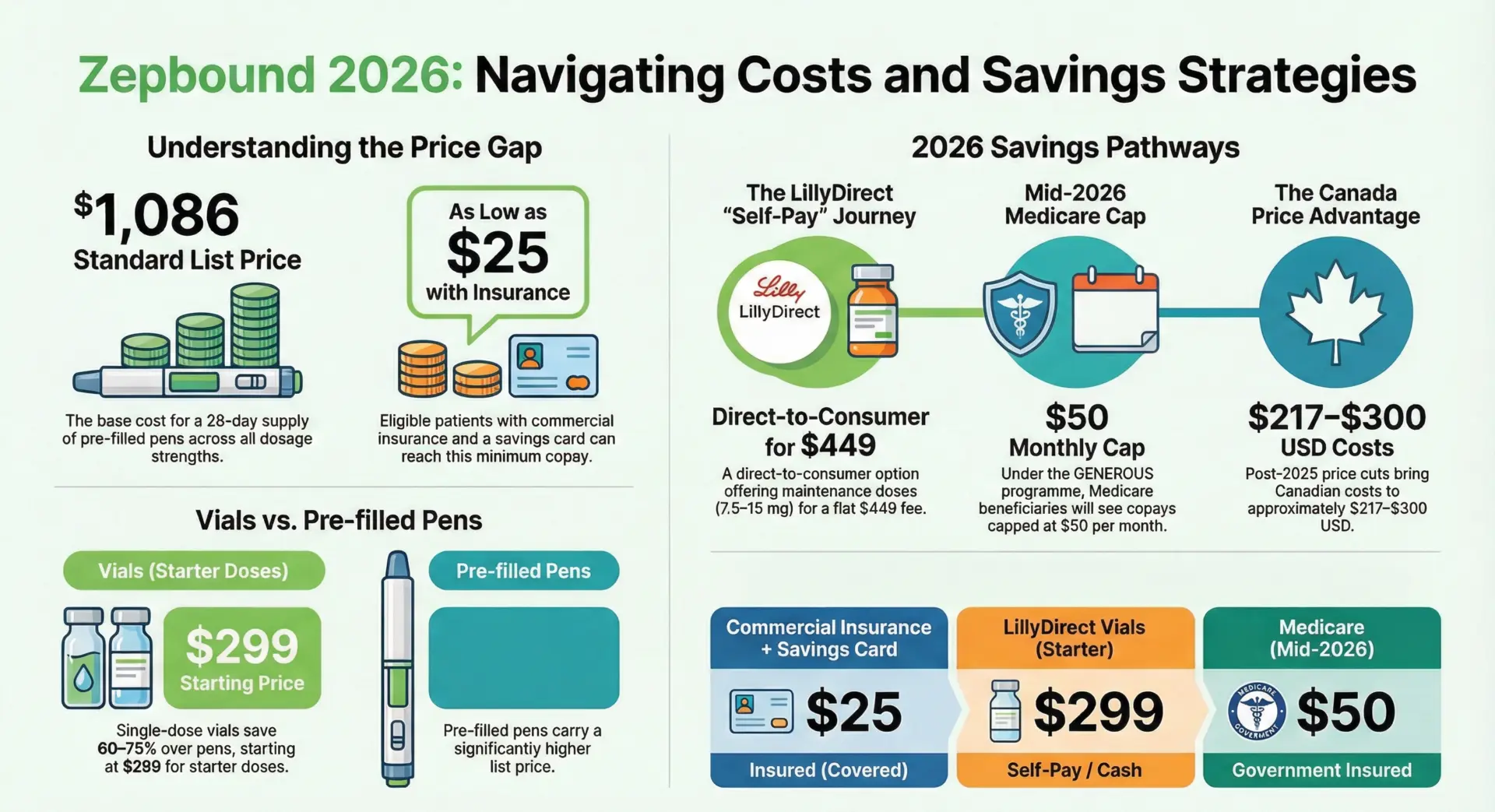
In some cases, lifestyle changes alone may not be enough to reach the 10% threshold. Healthcare providers may recommend the use of GLP-1 receptor agonists, such as Semaglutide or Tirzepatide. These medications mimic natural hormones that regulate appetite and blood sugar, making it easier for patients to adhere to caloric restrictions. When used as a tool alongside lifestyle changes, these therapies can help patients reach their weight targets and manage comorbidities like fatty liver disease.
Remission vs. Cure: Managing Long-Term Expectations
It is essential to understand the distinction between a "cure" and "remission." While achieving an A1c below 6.5% without medication is a massive victory, it does not mean the underlying tendency toward diabetes has vanished. If the weight is regained, the metabolic dysfunction will likely return. This is why we refer to it as remission—the disease is no longer active, but it requires ongoing management.
Sustained remission is associated with more than double the likelihood of maintaining healthy blood sugar levels at a five-year follow-up, provided the weight loss is maintained. The American Diabetes Association notes that weight loss of 10% or more may have disease-modifying effects that go beyond simple glucose control.
Patients in remission should continue to monitor their glycemic control regularly. Furthermore, the systemic benefits of this weight loss extend to improved blood pressure and lipid profiles, reducing the overall risk of cardiovascular disease. The goal is not just a lower number on a lab report, but a fundamentally higher quality of life and increased life expectancy.
FAQ
What is considered diabetes remission?
Remission is defined as having an HbA1c level of less than 6.5% for at least three months without the use of any glucose-lowering medications. It signifies that your body is once again able to manage blood sugar levels through natural insulin production and sensitivity.
How much weight do I need to lose for diabetes remission?
While any weight loss is beneficial, clinical evidence points to a target of at least 10% of your total body weight. Many experts suggest aiming for 15% to maximize the chances of long-term beta-cell recovery and metabolic stability.
Can type 2 diabetes be cured or just put into remission?
Currently, the medical community uses the term remission rather than cure. This is because the genetic and environmental factors that led to diabetes are still present. If an individual regains the weight or returns to previous sedentary habits, the high blood sugar levels will almost certainly return.
Does diabetes remission mean I can stop taking metformin?
If you achieve remission, you may be able to stop taking metformin and other glucose-lowering drugs under the strict supervision of your doctor. You should never discontinue or change your medication dosage without a medical consultation and a clear plan for monitoring your blood sugar levels.
Consultation and Next Steps
The journey to how to lose 10 percent body weight for diabetes remission should always begin in a doctor’s office. Rapid weight loss can affect how your current medications work, particularly insulin or sulfonylureas, which could lead to dangerously low blood sugar if not adjusted.
Evidence suggests that patients who participate in at least 16 clinical sessions with a healthcare provider over a six-month period have the highest rates of success. This personalized healthcare approach ensures that your weight loss is safe, effective, and sustainable. By focusing on the 10% target, you aren't just managing a disease—you are actively working to rewrite your health future.