Quick Facts
- Diagnosis: Defined as having a Body Mass Index (BMI) of 40 or higher, or a BMI of 35 or higher with associated health conditions.
- Prevalence: Data from the Centers for Disease Control and Prevention indicates that the prevalence of Class III obesity among adults in the United States reached 9.4% during the period from August 2021 to August 2023.
- Medication Efficacy: Modern GLP-1 receptor agonists can help patients achieve a 15% to 20% loss of total body weight.
- Surgical Outcomes: Bariatric surgery patients often lose 30% to 50% of excess body weight within six months and maintain a 50% to 60% loss for over a decade.
- 2026 Clinical Focus: Management has shifted toward a chronic disease model, prioritizing metabolic health, comorbidity remission, and shared decision-making.
Management of Class III obesity involves a multimodal approach combining lifestyle interventions, pharmacologic treatments, and metabolic surgery. Recent 2026 guidelines emphasize using GLP-1 medications like semaglutide or tirzepatide alongside medical nutrition therapy and behavioral counseling to achieve significant weight reduction and improve comorbidities such as sleep apnea and cardiovascular risk.
Understanding the Diagnosis: From Morbid Obesity to Class III
In recent years, the medical community has undergone a significant shift in how we discuss and treat severe weight-related health issues. We have moved away from the stigmatizing term morbid obesity in favor of the clinical designation Class III obesity. This change is not merely cosmetic; it reflects our growing understanding of obesity as a complex, chronic relapsing disease rather than a character flaw or a simple lack of willpower.
Class III obesity is defined primarily by Body Mass Index (BMI). A person meets this diagnosis if their BMI is 40 or higher, or if their BMI is 35 or higher and they are living with significant obesity-related health conditions. Beyond the numbers on a scale, this condition involves the expansion of adipose tissue, which can trigger chronic inflammation and metabolic dysfunction throughout the body.
Despite the clinical tools available, statistics suggest that only a small fraction of eligible patients currently receive intensive medical or surgical treatment. Moving toward a management plan means recognizing that the body’s internal satiety regulation and metabolic set points are often working against the individual, requiring clinical intervention to reset the biological baseline.
BMI Matrix Callout
- Class I Obesity: BMI 30.0 – 34.9
- Class II Obesity: BMI 35.0 – 39.9
- Class III Obesity: BMI 40.0+ (Or 35+ with comorbidities)
Step 1: The Comprehensive Medical Evaluation
The journey toward effective severe obesity management begins with a deep dive into your unique metabolic profile. You aren't just a number on a scale; you are a complex biological system. An obesity medicine specialist will typically start by ordering a specific set of laboratory panels to understand how your weight is impacting your internal organs and hormone levels.
This evaluation is the foundation of medical weight loss strategies. It allows your healthcare team to identify underlying causes of weight gain, such as hormonal imbalances, and to screen for complications like non-alcoholic fatty liver disease (NAFLD) or high cardiovascular risk. During this phase, shared decision-making becomes vital. You and your doctor will discuss your health history and personal preferences to determine whether your path should lead toward intensive pharmacotherapy, metabolic surgery, or a combination of both.
When preparing for your first appointment, it is helpful to have a list of questions to ask a doctor about Class III obesity management. Inquire about how your current medications might affect your weight and what specific biomarkers the team will monitor to track your progress.
Medical Evaluation Labs Checklist:
- A1C and Fasting Glucose: To assess for insulin resistance or type 2 diabetes.
- Lipid Panel: To check cholesterol levels and cardiovascular health.
- Thyroid Panel (TSH): To rule out hypothyroidism as a factor in weight gain.
- Comprehensive Metabolic Panel: To evaluate kidney and liver function.
- Sleep Study Referral: To screen for obstructive sleep apnea.

Step 2: Modern Lifestyle Interventions and Behavioral Therapy
While medication and surgery are powerful tools, lifestyle interventions remain the bedrock of any successful long-term plan. However, modern lifestyle programs for Class III obesity management look very different from the "diet and exercise" advice of the past. Today, the focus is on medical nutrition therapy and cognitive behavioral therapy (CBT).
Working with a registered dietitian allows for the creation of a nutritional plan that respects your metabolic needs while ensuring you receive adequate protein and micronutrients during weight loss. Meanwhile, cognitive behavioral therapy helps address satiety regulation and the psychological aspects of eating. These programs are designed to help you understand the cues your body sends and develop strategies to manage emotional or environmental triggers.
The goal in the initial stages is often to achieve a 5-10% reduction in total body weight. While this may sound modest, clinical data shows that even this level of loss can trigger significant comorbidity remission, improving blood pressure and blood sugar control. For many, these non-surgical morbid obesity treatment options provide the necessary preparation for more intensive medical or surgical steps.

Step 3: Pharmacologic Treatment and 2026 GLP-1 Guidelines
We have entered a new era of obesity medicine. The 2026 pharmacologic treatment guidelines for Class III obesity have been revolutionized by the emergence of high-dose weight-management medications. Specifically, glucagon-like peptide-1 (GLP-1) receptor agonists like semaglutide and dual-agonists like tirzepatide have changed the landscape of what is possible without surgery.
These medications work by mimicking natural hormones that regulate appetite and glycemic control in the brain and gut. They help you feel full sooner and stay full longer, effectively "turning down the volume" on food noise. For many individuals, these are essential medical weight loss strategies for Class III obesity because they address the biological resistance to weight loss that often occurs with diet alone.
Clinical protocols typically involve a 3-6 month assessment period. If a patient responds well, these medications may be used long-term to maintain weight loss and ensure cardiovascular risk reduction. Because these drugs help individuals lose 15% to 20% of their total body weight, they have become a primary bridge for those who may not be ready for or do not desire surgery.

Step 4: Metabolic and Bariatric Surgery Options
For many people living with Class III obesity, metabolic surgery remains the most effective intervention for achieving long-term health and significant weight reduction. Surgery is generally recommended for those with a BMI of 40 or higher, or a BMI of 35 or higher with conditions like type 2 diabetes or severe sleep apnea.
The decision of choosing between GLP-1 medications and bariatric surgery is a personal one, often based on the desired magnitude of weight loss and the urgency of resolving health conditions. While medications offer impressive results, surgery provides a more profound metabolic "reset." Patients who undergo these procedures may lose between 30% and 50% of their excess body weight within the first six months.
Beyond weight loss, bariatric surgery is highly effective for the long-term remission of type 2 diabetes and the reduction of cardiovascular risk. The latest surgical techniques are minimally invasive, leading to faster recovery times and lower complication rates than in previous decades.
GLP-1 Medications vs. Bariatric Surgery
| Feature | GLP-1 Medications (Semaglutide/Tirzepatide) | Metabolic/Bariatric Surgery |
|---|---|---|
| Average Weight Loss | 15% - 22% of total body weight | 30% - 50% of excess body weight (short-term) |
| Long-Term Maintenance | Requires ongoing medication use | 50% - 60% of excess weight loss maintained for 14+ years |
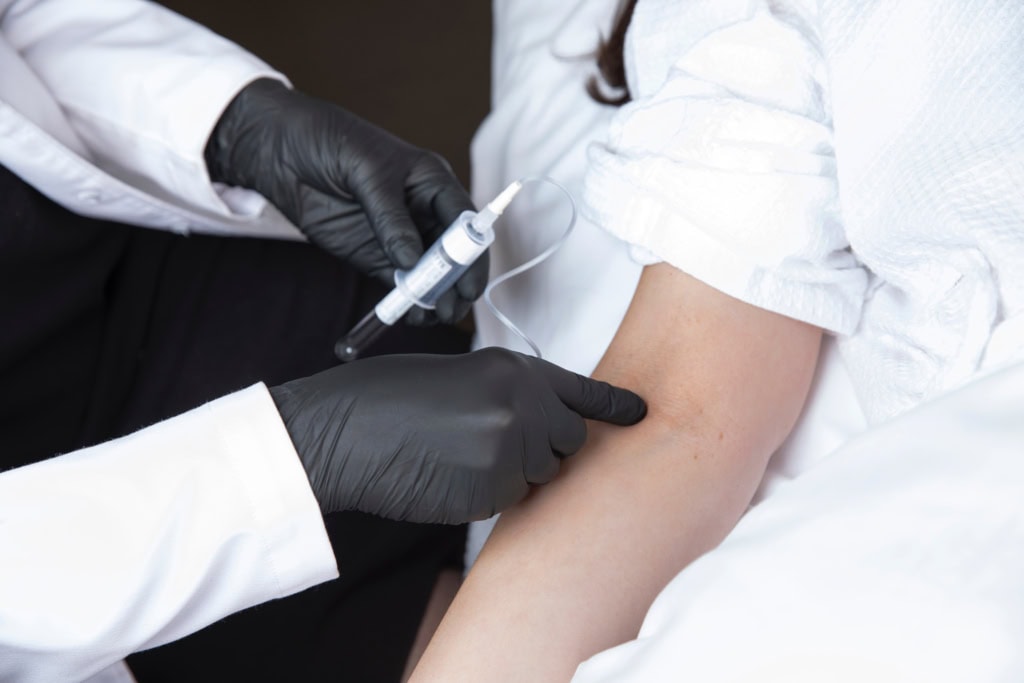
| Invasiveness | Non-invasive (Weekly injections) | Surgical procedure (Minimally invasive) |
| Diabetes Impact | High glycemic control | High rate of long-term remission |
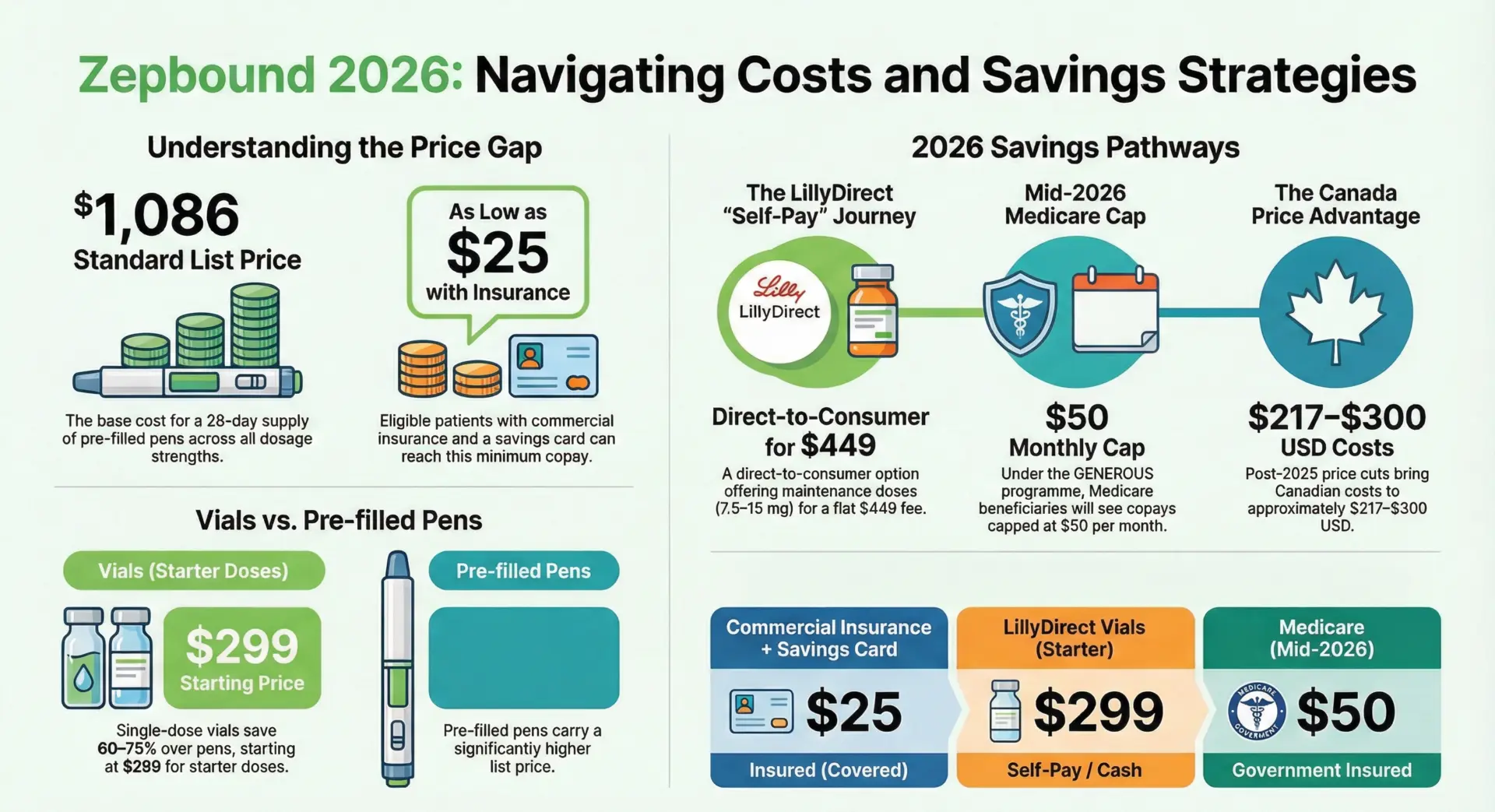
| Typical Cost | $900 - $1,300 per month (without insurance) | $15,000 - $25,000 (one-time, often insurance covered) |
Long-Term Management and Maintenance
Achieving weight loss is a significant milestone, but Class III obesity requires lifelong management. The body has a natural tendency to defend its highest weight, which can lead to weight regain if treatment is stopped prematurely. Maintenance involves a combination of continued medical monitoring, nutritional consistency, and physical activity.
Severe obesity management in the maintenance phase often focuses on preserving lean muscle mass. As the body loses weight, it can also lose muscle, which lowers the metabolic rate. Incorporating resistance training and ensuring high protein intake are key strategies to keep the metabolism active. Ongoing support from your healthcare team ensures that any signs of weight regain or emerging health issues are addressed immediately, keeping you on the path of long-term health and vitality.

FAQ
What is the BMI threshold for Class III obesity?
The primary threshold for Class III obesity is a Body Mass Index (BMI) of 40 or higher. However, individuals with a BMI of 35 or higher may also be classified in this category if they have significant obesity-related health conditions, such as type 2 diabetes or high blood pressure.
Is Class III obesity the same as morbid obesity?
Yes, Class III obesity is the current clinical term for what was formerly known as morbid obesity. The medical community has transitioned to this new terminology to use more professional, person-first language that recognizes obesity as a chronic disease rather than using a term that carries social stigma.
Can Class III obesity be treated without surgery?
Yes, Class III obesity can be treated through non-surgical methods, including intensive lifestyle interventions and advanced pharmacotherapy. Modern medications like GLP-1 receptor agonists have shown significant efficacy, helping patients lose up to 20% of their total body weight, though surgery remains the most effective option for the highest percentage of weight loss and long-term remission of certain diseases.
What are the treatment options for Class 3 obesity?
Treatment options for Class 3 obesity are multimodal and include medical nutrition therapy, cognitive behavioral therapy, and prescription weight-management medications like semaglutide or tirzepatide. For many, metabolic and bariatric surgery is also a primary option to achieve significant and sustained weight reduction.
When is weight loss surgery recommended for Class III obesity?
Weight loss surgery is typically recommended when an individual has a BMI of 40 or higher, or a BMI of 35 or higher with associated comorbidities. It is often considered when other medical weight loss strategies have not achieved the necessary health improvements or when a patient requires significant metabolic changes to manage conditions like type 2 diabetes.