Quick Facts
- Chef/Partner: Jeremy Sewall, the creative force behind Row 34.
- Core Philosophy: Intentional use of salt and fat to bridge the gap between home and professional kitchens.
- Essential Equipment: A high-speed blender, specifically a Vitamix, for restaurant-grade textures.
- Sourcing Strategy: Purchase seafood the day of or the day before cooking to ensure maximum freshness.
- Signature Staple: De Puy lentils, often overlooked but a versatile foundation for professional meals.
- Confidence Builder: Start with Baked Sea Bass to master the basics of seafood preparation for beginners.
- Educational Resource: 'The Row 34 Cookbook,' featuring more than 120 seafood recipes and instructional guides.
Have you ever wondered why restaurant food tastes different? Chef Jeremy Sewall of Boston’s Row 34 shares his essential home cooking tips to bridge that gap. From the intentional use of salt and fat to professional seafood preparation for beginners, these insights will help you achieve restaurant quality home meals without the stress. Mastering flavor starts with unpretentious cooking and intentional hospitality.

The Restaurant Secret: Salt, Fat, and the Vitamix
The most common reason a dish at your favorite bistro tastes better than what you produce at home is often surprisingly simple: professional chefs are not afraid of seasoning. Jeremy Sewall notes that home cooks are frequently too timid with salt and fat. In a professional kitchen, salt is used not just to make things salty, but to unlock the natural sweetness of a scallop or the earthiness of a root vegetable. High-quality butter and olive oil are not just cooking mediums; they are finishing ingredients that add a luxurious mouthfeel and carry flavor across the palate.
Beyond the ingredients, there is a technical hurdle that many home cooks overlook. If you want to know how to make home cooked meals taste like a restaurant, you have to look at your equipment. Sewall frequently cites the high-speed blender as the single most important investment you can make. While a standard blender might leave a sauce slightly fibrous, a Vitamix pulverizes ingredients at such high speeds that it creates an emulsion that is silky and light.
Professional chef cooking advice often focuses on these small details. When you learn how to use a high speed blender for sauces and soups, you are moving away from rustic textures and toward the refined finish expected in fine dining. Whether it is a vibrant herb pesto or a velvety clam chowder base, the blender provides a level of consistency that hand-whisking simply cannot match. This approach to flavor profiling allows you to take basic ingredients and elevate them through superior texture.
Sourcing Like a Pro: The Daily Fish Strategy
For many people, the most intimidating part of professional chef advice for home cooks is the idea of handling fresh fish. However, Sewall argues that sourcing is actually ninety percent of the battle. If you start with a product that is already past its prime, no amount of technical skill can save the dish. The first of several home cooking tips for success is to find a high-volume fishmonger. High volume means high turnover, which ensures the seafood hasn't been sitting on ice for days.
The same-day rule is a cornerstone of the Row 34 philosophy. Ideally, you should purchase your seafood the day you plan to cook it, or at most, the day before. This ensures the peak of seasonal sourcing and preserves the delicate flavor profile of New England seafood. When you are at the market, look for clear eyes on whole fish and a fresh, oceanic scent. If it smells "fishy," it is already too old.
Flexibility is another key skill for seafood preparation for beginners. Rather than going to the store with a rigid list, have a conversation with your fishmonger. Ask what came in that morning or what looks best. Being willing to swap cod for haddock or scallops for mussels based on what is freshest is the best way to store and prep fresh fish indirectly—by ensuring it never needs much storage time at all. This mindset shifts you from being a recipe follower to someone who understands the rhythm of the sea.
Building a Chef’s Pantry: Beyond the Basics
A professional kitchen runs on its prep, and your home kitchen should be no different. To facilitate unpretentious cooking, you need a pantry that supports flavor without requiring a trip to the store for every meal. Jeremy Sewall emphasizes that essential pantry staples for simple home cooking include more than just flour and sugar. He points to De Puy lentils as a criminally underrated ingredient. They hold their shape perfectly and provide an earthy contrast to fatty fish or roasted meats.
Your pantry organization should also include high-quality fats. Keep a bottle of premium extra virgin olive oil for finishing dishes and a separate, more neutral oil for high-heat searing. Having these kitchen staples ready allows you to apply professional chef cooking advice on the fly. You should also master a few foundational sauces that can live in your fridge or be whipped up in minutes:
- Beurre Blanc: A classic butter sauce that elevates any white fish.
- Mignonette: Essential for the raw bar experience at home.
- Aioli: A garlic-infused emulsion that works as well on a burger as it does with poached shrimp.
The original Row 34 opened in Boston’s Fort Point neighborhood in 2013 and has since expanded to five locations across Massachusetts and New Hampshire. This growth was built on a foundation of using these simple, high-quality ingredients to create a reliable and welcoming dining experience. By curating your own pantry with this same intentionality, you create an infrastructure for success.
Success Speed: From 8-Minute Salmon to the Hero Dish
In the world of professional cooking, timing is everything, but at home, consistency beats complexity. Sewall’s Everyday Chef philosophy suggests categorizing meals by the time and effort required. This helps avoid the burnout that often comes with trying to cook like a Michelin-starred chef every night of the week.
- The 8-Minute Sprint: Miso-marinated salmon under the broiler. It is fast, healthy, and provides a massive flavor payoff with minimal cleanup.
- The 25-Minute Classic: Shrimp Scampi. It requires a bit more knife work but relies on the classic combination of garlic, lemon, and white wine.
- The Hero Dish: Baked Sea Bass. For those seeking seafood preparation for beginners, this is the ultimate entry point. Baking fish is more forgiving than pan-searing, as it distributes heat more evenly and reduces the risk of the fish sticking to the pan.
Focusing on these reliable methods allows you to produce restaurant quality home meals without the anxiety of a ticking clock. Whether you are choosing between baked vs steamed fish for beginners, the goal is always the same: a moist, flakey interior and a clean finish.
Intentional Hospitality: The Psychology of Hosting
One of the most valuable home cooking tips Sewall offers isn't about the food at all; it is about the atmosphere. At Row 34, the culture is built on making guests feel comfortable and relaxed. This concept of culinary hospitality translates perfectly to the home. If the host is stressed and frazzled in the kitchen, the guests will feel it, regardless of how good the food tastes.
Simple hospitality tips for hosting dinner at home often revolve around preparation. Do as much as you can before the guests arrive. This is why dishes like the Baked Sea Bass are so effective—they allow the host to be present in the room rather than hunched over a stove. Intentional hospitality means prioritizing the connection over the technical difficulty of the menu.
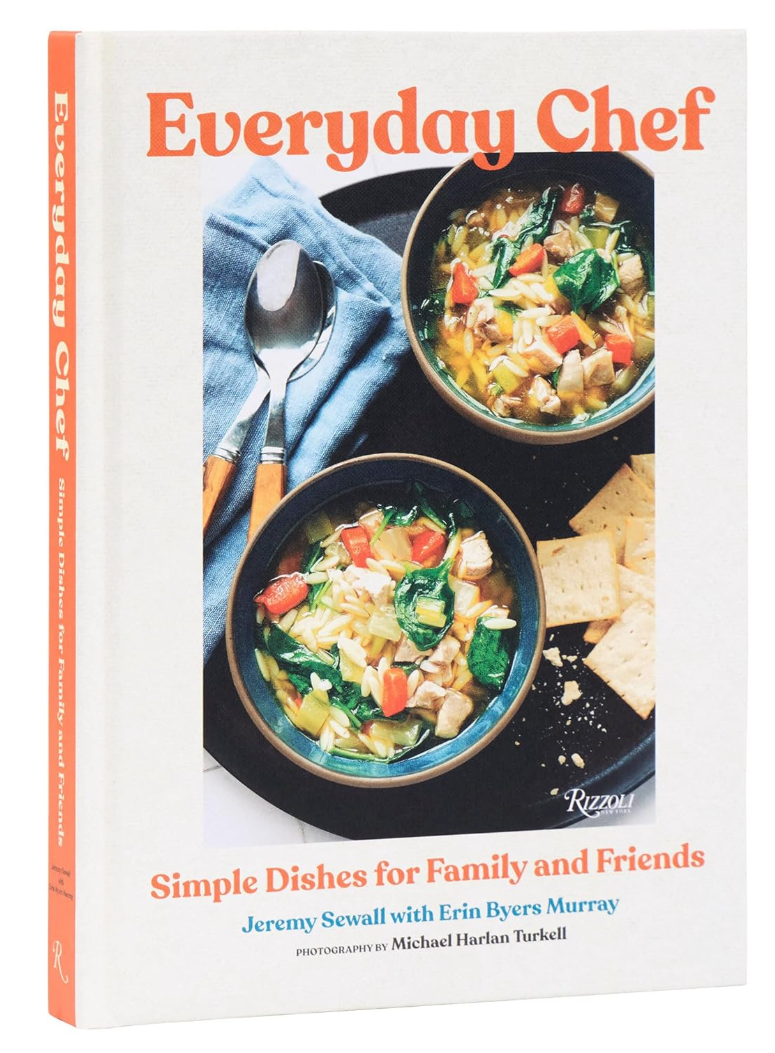
In October 2021, Chef Jeremy Sewall released 'The Row 34 Cookbook,' which contains more than 120 seafood recipes and instructional guides for home cooks. The book serves as a roadmap for this balanced approach, proving that you don't need to sacrifice quality for simplicity. When you focus on making people feel welcome, the meal becomes a secondary, though delightful, part of the evening.
FAQ
How can I improve my home cooking skills?
To improve your skills, start by focusing on your ingredients and your seasoning. Practice the intentional use of salt throughout the cooking process rather than just at the end. Additionally, work on your sourcing habits; building a relationship with a local fishmonger or butcher ensures you are starting with the best possible raw materials, which makes the actual cooking much easier.
How do I make my home cooking taste like restaurant food?
The secret to achieving a restaurant finish is often found in the textures and the richness of the dish. Use a high-speed blender for your sauces to get a professional smoothness, and don't be afraid to use quality butter and oil to finish your plates. Proper seasoning—using enough salt to bring out the natural flavors of the food—is usually the biggest difference between a home-cooked meal and a chef's creation.
What are the most essential kitchen tools for beginners?
While it is tempting to buy every gadget available, beginners should focus on a few high-quality essentials. A sharp chef's knife, a heavy-bottomed cast iron or stainless steel skillet, and a high-speed blender are the most versatile tools you can own. These items allow you to execute almost any recipe with precision and produce textures that cheaper tools simply cannot replicate.
What are the most common home cooking mistakes?
The most common mistakes include overcrowding the pan, which leads to steaming instead of searing, and being too timid with heat and seasoning. Many home cooks also fail to let their meat or fish rest after cooking. Giving your protein a few minutes to sit allows the juices to redistribute, resulting in a much more tender and flavorful meal.
What basic spices should every kitchen have?
Beyond high-quality sea salt and a pepper grinder, every kitchen should have a foundation of versatile spices. This includes dried oregano, red pepper flakes for a hit of heat, smoked paprika for depth, and cumin. However, Jeremy Sewall also emphasizes the importance of fresh herbs like parsley, chives, and cilantro, which provide a brightness that dried spices often lack.