Quick Facts
- Preparation Hack: Microwave the squash for 1-2 minutes to soften the skin before cutting.
- Roasting Time: 45 minutes at 220°C (425°F) plus 20 minutes at 180°C (350°F).
- Nutritional ROI: Provides 457% RDI of Vitamin A and significant anti-inflammatory carotenoids.
- Flavor Profile: A savory-sweet Mediterranean blend featuring cumin, sun-dried tomatoes, and pomegranate molasses.
- Dietary Compatibility: Easily adapted for Paleo, AIP, Vegan, and Gluten-Free lifestyles.
To prepare Turkish stuffed squash, roast halved butternut squash at 220°C (425°F) for 45 minutes until charred and tender. Create a filling by sautéing onions, garlic, and cumin with chopped tomatoes, parsley, and sun-dried tomato paste. Stuff the cavities with the mixture and bake at 180°C (350°F) for an additional 20 minutes until the filling is soft and golden.
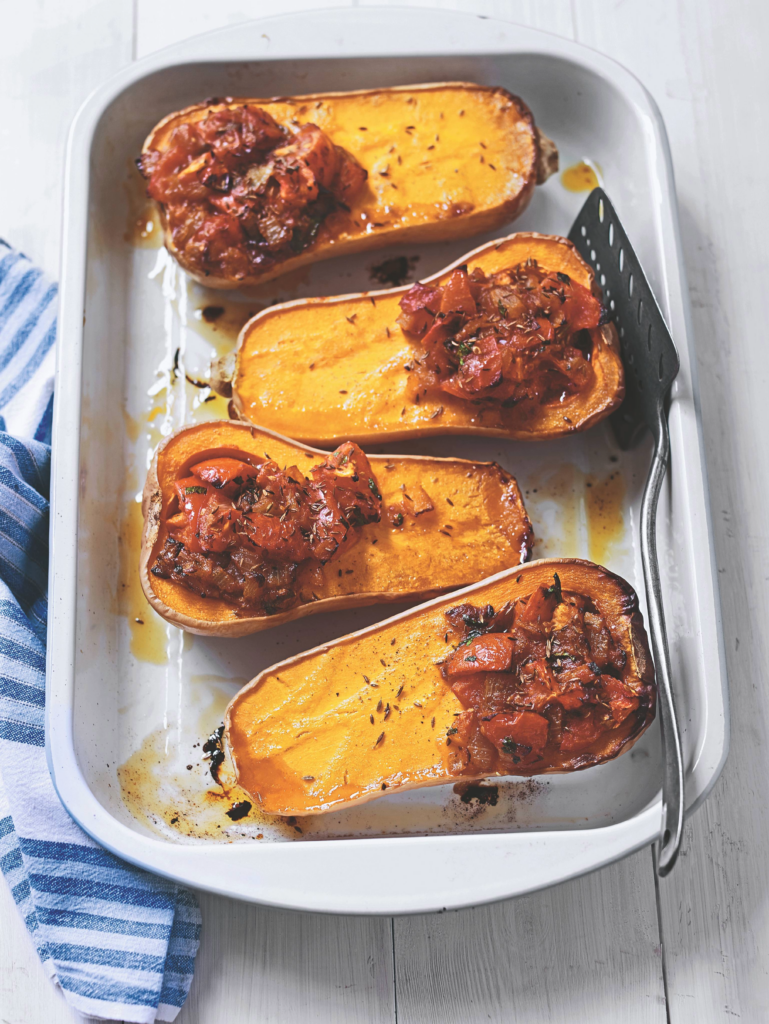
As an editor specializing in botanical extracts and modern research, I am constantly looking for ways to bridge the gap between ancient culinary traditions and functional wellness. The Mediterranean diet is often celebrated for its heart-health benefits, but it is the specific use of warming spices and nutrient-dense gourds that truly highlights its medicinal potential. This healthy Turkish squash recipe is more than just a seasonal comfort dish; it is a masterclass in using food as a vehicle for therapeutic compounds.
Preparation Safety: How to Cut Butternut Squash Safely for Stuffing
One of the primary barriers to enjoying winter squash is the physical challenge of the preparation. Butternut squash has a notoriously thick skin and a dense, slippery interior that can make even the most seasoned chef nervous. When considering how to cut butternut squash safely for stuffing, the first rule is to ensure your knife is exceptionally sharp. A dull blade is far more likely to slip and cause injury.
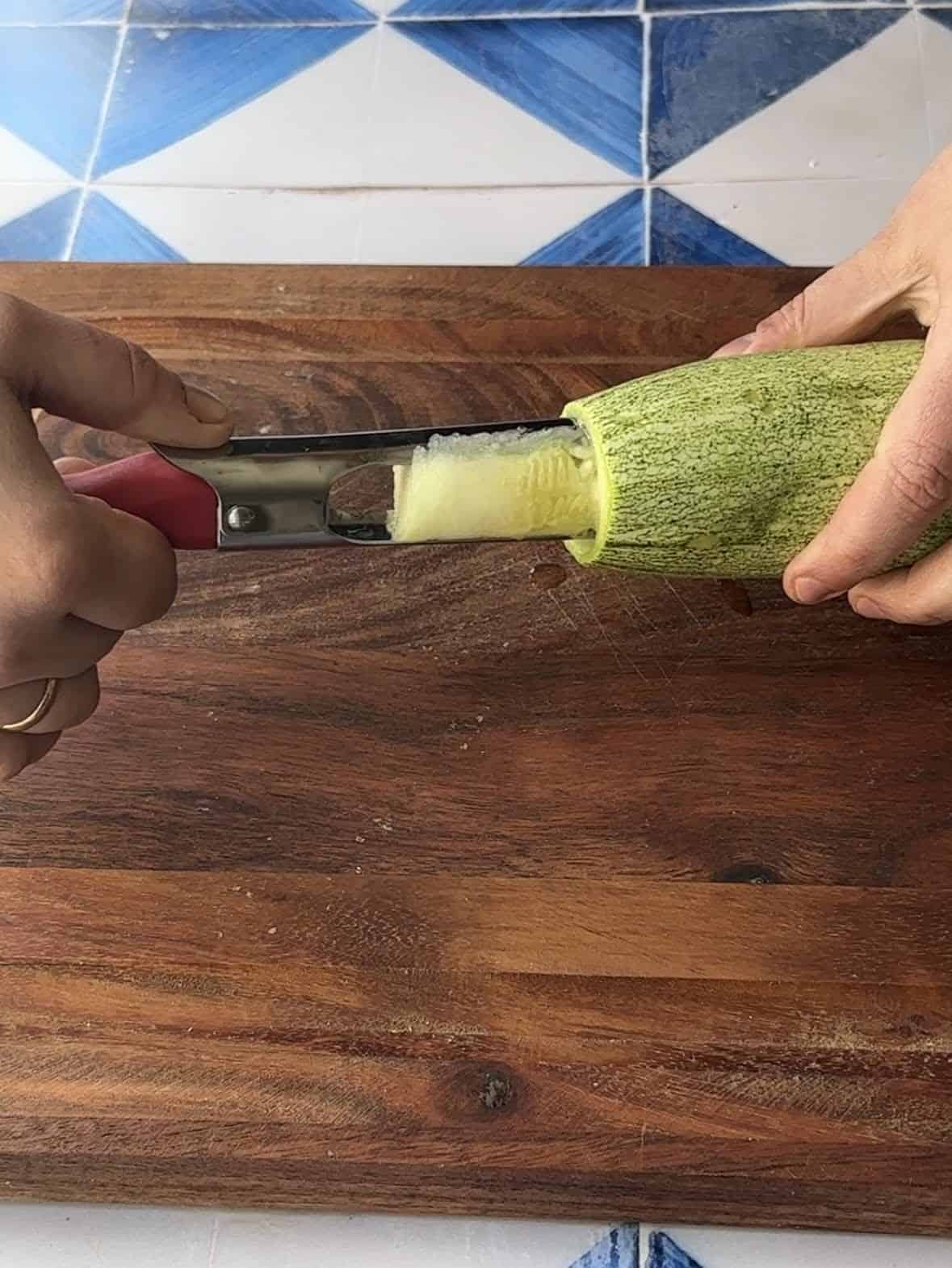
To make the process easier, I recommend a simple kitchen hack: pierce the skin of the squash several times with a fork and microwave it for 1-2 minutes. This brief exposure to heat softens the exterior just enough to allow your knife to glide through without compromising the structural integrity of the squash halves. Once you have halved the vegetable lengthways, use a melon baller or a sturdy metal spoon to hollow out the seed cavity. This technique creates a clean, uniform space for your filling while ensuring you don't accidentally pierce through the bottom of the squash.
The Nutritional Why: Anti-Inflammatory Benefits
From a clinical perspective, this anti-inflammatory Turkish stuffed squash recipe is a nutritional powerhouse. The vibrant orange hue of the flesh is a visual indicator of high concentrations of carotenoids, specifically beta-carotene. These compounds are precursors to Vitamin A, which is essential for immune function and cellular communication. In fact, a one-cup serving of cooked butternut squash provides approximately 457% of the Recommended Daily Intake (RDI) for Vitamin A and 53% of the RDI for Vitamin C.
Beyond vitamins, the dietary fiber content is crucial for metabolic health. Butternut squash contains about 7 grams per cooked cup, which helps support healthy digestion and regulate blood sugar levels. Furthermore, with approximately 582 milligrams of potassium per cup, it acts as a high-potassium food that aids in heart health and blood pressure regulation. When you pair these botanical benefits with anti-inflammatory stuffed squash ingredients like cumin and garlic, you create a meal that actively works to reduce oxidative stress within the body.
Technical Roasting Mastery: Achieving Caramelization
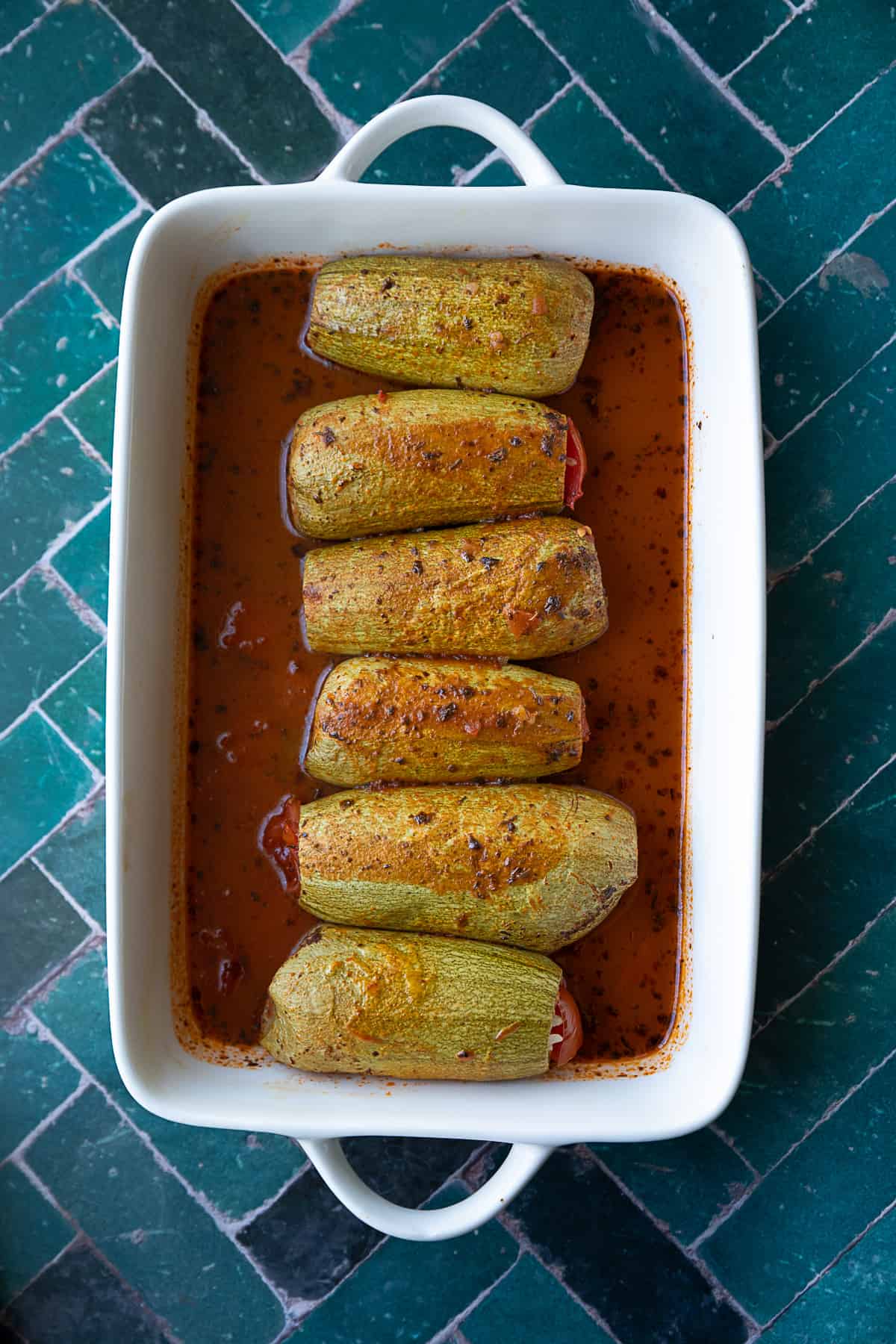
The difference between a mediocre stuffed squash and a restaurant-quality dish lies in the roasting technique. To achieve the perfect golden char and depth of flavor, I recommend a dual-stage roasting process. Initially, place the squash cut-side down on a baking sheet lined with parchment paper. This method traps steam against the flesh, ensuring the interior becomes incredibly tender and velvety.
Roasting times for butternut squash halves generally fall between 45 and 60 minutes at 220°C (425°F). You will know the first stage is complete when the skin appears slightly shriveled and the flesh yields easily to a fork. For the second stage, once the filling is added, we lower the temperature to 180°C (350°F). This lower heat prevents the delicate toppings—like pine nuts or fresh herbs—from burning while allowing the flavors of the sautéed aromatics to meld with the natural sugars of the squash. This process of caramelization is what gives the Mediterranean diet its signature savory-sweet profile.
Crafting the Turkish Filling: A Savory-Sweet Profile
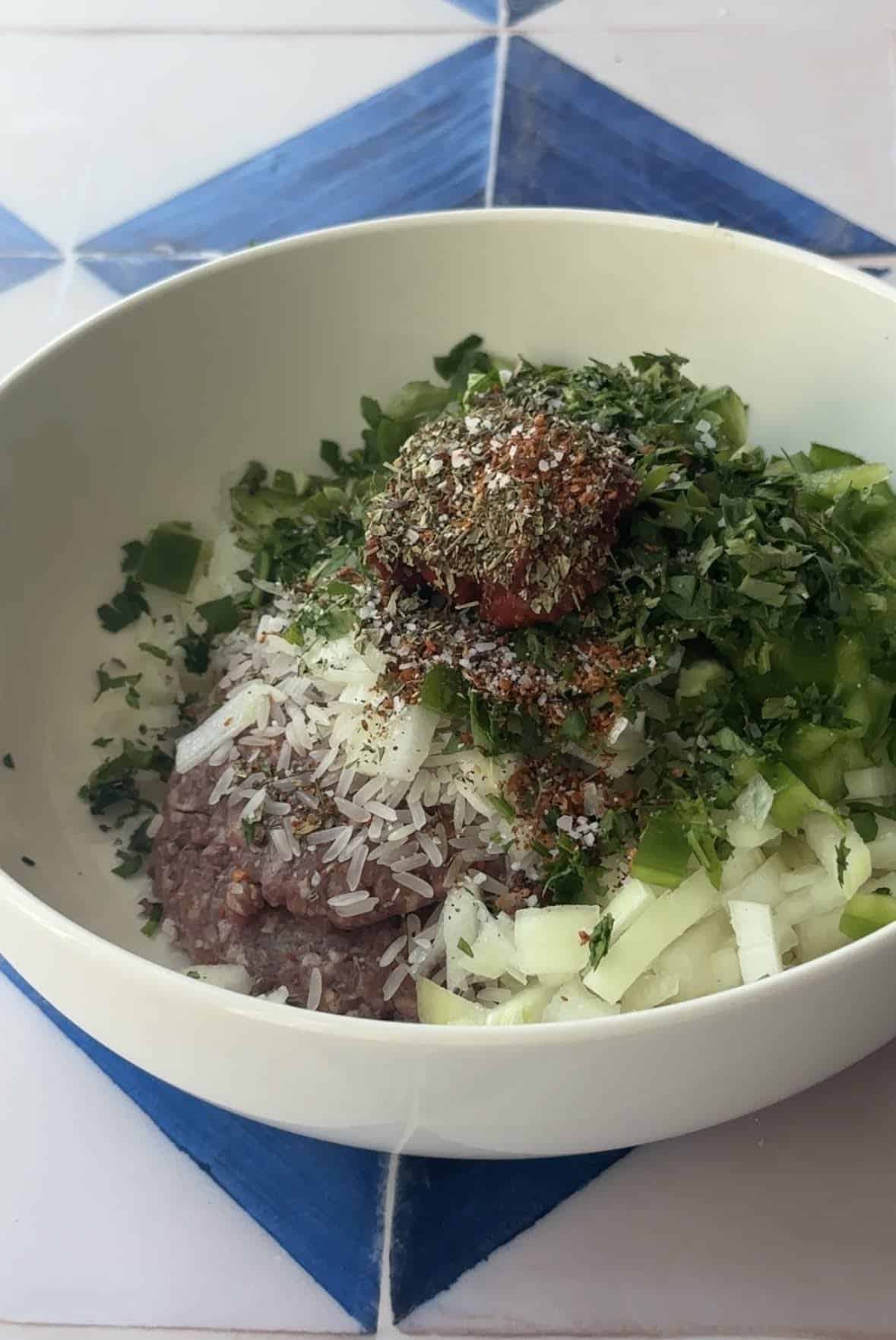
The heart of this dish is the cumin and sun-dried tomato squash filling. Turkish cuisine is celebrated for its ability to balance acidity, sweetness, and earthy spices. We begin by sautéing onions and garlic until translucent, then adding a generous amount of ground cumin. This spice is not only flavorful but also aids in digestion, a key principle in traditional herbal remedies.
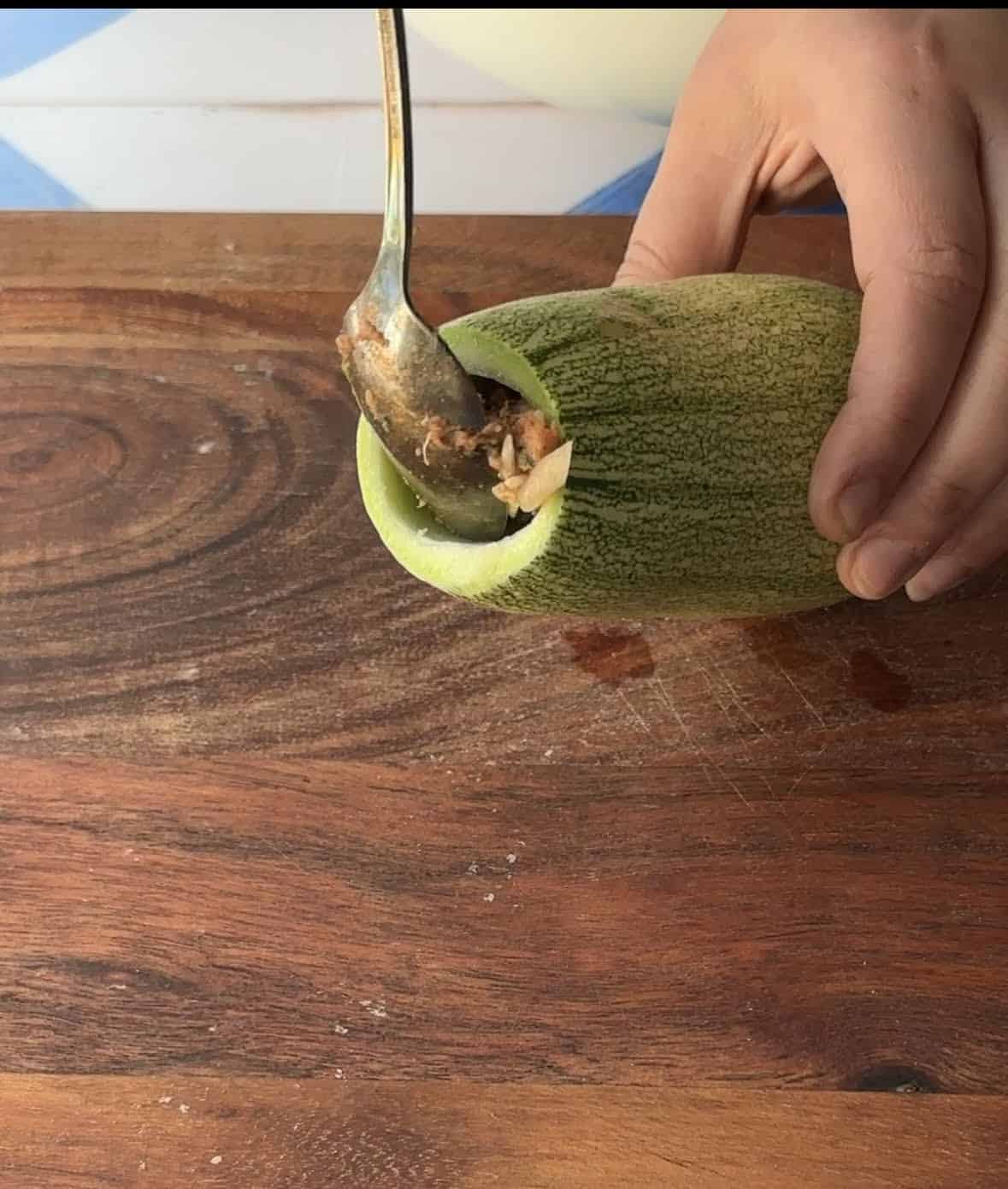
Incorporating sun-dried tomato paste and pomegranate molasses adds a complex tang that cuts through the starchiness of the squash. If you are using grains like rice or quinoa in your filling, remember the 1/2 inch gap rule: grains will expand slightly as they absorb the juices from the tomatoes and squash during the final bake, so leave a bit of room at the top of the cavity. Finishing the filling with toasted pine nuts and a handful of fresh parsley provides a contrast in texture that makes every bite interesting.
Dietary Variations: Protein-Rich vs. Vegetarian
One of the reasons I frequently recommend Turkish stuffed squash to my readers is its immense versatility. It can easily serve as a standalone vegetarian entree or be fortified with high-quality proteins.
| Variation Type | Core Filling Ingredients | Key Nutritional Benefit |
|---|---|---|
| Protein-Rich | Ground turkey, diced apple, zucchini, cumin | Lean protein + digestive enzymes from apple |
| Vegetarian | Cooked quinoa, brown lentils, feta, dried cranberries | Complete plant protein + probiotic potential |
| Paleo/AIP | Ground lamb, sautéed kale, pomegranate seeds | Rich in iron and omega-3 fatty acids |
For those following a grain-free or Paleo protocol, a ground turkey and apple stuffed butternut squash is an excellent alternative. The sweetness of the apple complements the cumin spiced butternut squash beautifully. If you prefer a vegetarian Turkish stuffed squash with lentils and quinoa, the result is a hearty, fiber-rich meal that feels like ultimate winter comfort food. To serve, I always suggest a bed of wilted kale or a simple arugula garnish to add a peppery bite and extra chlorophyll to the plate.
Meal Prep & Storage Tips
This recipe is an excellent candidate for weekend meal prep. Because the squash is so sturdy, it does not become mushy when stored in the refrigerator. In fact, many find that the flavors of the cumin and sun-dried tomato paste deepen after a day or two. You can keep the cooked squash in an airtight container for up to 5 days.
If you wish to prepare this for long-term storage, you can freeze Turkish stuffed squash after it is cooked. Wrap the halves tightly in parchment paper and then foil to prevent freezer burn. They will remain high-quality for 1 to 2 months. When reheating, I recommend using the oven rather than the microwave. Re-baking at 175°C (350°F) for about 15 minutes helps maintain the texture of the filling and ensures the edges of the squash stay crisp rather than becoming soggy.
FAQ
What is the traditional name for Turkish stuffed squash?
In Turkey, stuffed vegetable dishes are generally referred to as Dolma or Sarma. While Dolma usually refers to "stuffed" items like peppers or squash, this specific oven-baked preparation is often associated with the tradition of Zeytinyağlı (dishes cooked in olive oil).
What ingredients are typically used in Turkish stuffed squash?
Traditional recipes often feature a base of onions, garlic, and rice or bulgur. The flavor profile is defined by spices like cumin, allspice, and cinnamon, alongside fresh herbs like mint and dill. Pomegranate molasses and pine nuts are frequently added to create that signature savory-sweet balance found in the Mediterranean diet.
Can Turkish stuffed squash be made vegetarian or vegan?
Yes, it is naturally very easy to make this dish vegan. Simply omit any meat and use a combination of lentils, chickpeas, or quinoa. Ensure you use a high-quality olive oil for sautéing your aromatics to maintain the richness of the dish without needing dairy or animal fats.
Do you have to peel the squash before stuffing it?
No, you do not need to peel the butternut squash. In fact, the skin helps the squash hold its shape during the long roasting process. After roasting, the skin becomes very thin, and the flesh can be easily scooped away from it with a fork.
What is the best way to hollow out squash for stuffing?
The most efficient tool is a melon baller. It allows you to scoop out the seeds and a small amount of the surrounding flesh with precision, creating a perfect bowl-like cavity. If you don't have one, a sturdy metal measuring spoon also works well.
Can you freeze Turkish stuffed squash after it is cooked?
Yes, you can freeze it for up to two months. It is best to freeze the halves individually. For the best texture, thaw them in the refrigerator overnight and reheat them in the oven to restore the caramelization and heat the filling evenly.