Quick Facts
- Volume Loss: Research indicates an average 9% reduction in midface volume for every 10 kilograms lost.
- The Cause: Rapid depletion of superficial fat pads (DWAT) occurring faster than the skin’s ability to contract.
- Clinical Threshold: Significant sagging is most commonly observed once a patient reaches a weight loss threshold of 15% or more.
- Treatment Threshold: Medical professionals recommend waiting at least 3 months after weight stabilization before pursuing permanent injectable solutions.
- Cost Range: Full facial restoration typically ranges from $3,000 to $8,000 depending on the depth of volume loss.
- Top Treatments: Biostimulatory fillers such as Sculptra and non-invasive lifting technologies like Ultherapy are considered gold standards.
- Longevity: Hyaluronic acid fillers are temporary and reversible, while biostimulators can offer results lasting 18 to 24 months.
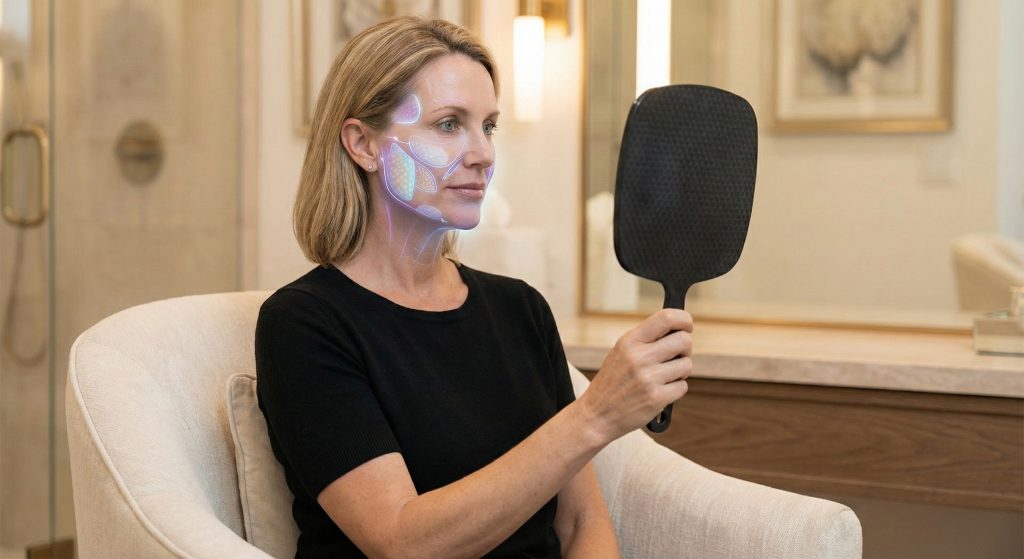
Ozempic face refers to the facial changes that occur during rapid weight loss using GLP-1 medications like semaglutide. As subcutaneous fat pads in the cheeks, temples, and under-eyes diminish quickly, the skin may lose its structural support, leading to a hollowed appearance, sagging, and more pronounced wrinkles or jowls. While the medication itself does not directly damage the skin, the speed of fat loss often outpaces skin elasticity, creating a characteristic aged appearance.
What is Ozempic Face? Defining the Phenomenon
In clinical circles, we often discuss facial aging as a slow, predictable descent. However, the rise of GLP-1 receptor agonists has introduced a modernized, accelerated version of this process. Ozempic face is essentially the hollowed, sagging appearance resulting from rapid subcutaneous fat depletion during GLP-1 therapy. To understand this, I often use the pillow stuffing analogy. Imagine your facial skin is the decorative cover of a pillow and your subcutaneous fat is the stuffing. When you lose weight rapidly, it is as if you are pulling the stuffing out of the pillow while the cover remains the same size. Without the internal volume to fill it out, the fabric—or in this case, the skin—becomes loose, wrinkled, and draped poorly over the underlying structure.
This phenomenon is physiologically distinct from normal aging. While standard chronological aging involves the gradual loss of deep fat pads and bone resorption over decades, Ozempic-induced changes target the superficial fat pads with surgical precision and high speed. Specifically, we see significant depletion in the buccal fat pads and the superficial temporal fat. A retrospective study using 3D volumetric analysis of patients on semaglutide found an average reduction of 41.8% in the superficial temporal fat pad and 69.9% in the superficial cheek fat pad. This rapid loss leads to the development of deep nasolabial folds and a sunken appearance that can be jarring to those who have otherwise successfully managed their metabolic health.
Can You Prevent Facial Sagging During Weight Loss?
The biological conflict during weight loss is a race between fat metabolism and skin structural support. When the rate of fat loss is high, the body’s natural collagen synthesis cannot keep up with the need for skin contraction. This creates a state of skin laxity where the dermis becomes thin and fragile. While you cannot entirely stop the depletion of fat—as the medication is doing its job—you can implement strategies for improving skin elasticity after weight loss.
Nutrition is the most critical internal factor here. High protein intake is non-negotiable. Amino acids are the literal building blocks of the collagen matrix. If you are in a caloric deficit but under-consuming protein, your body will scavenge its own structural proteins, further weakening the skin. Beyond the plate, medical-grade skincare for sagging skin should focus on ingredients that stimulate fibroblast activity. Look for retinoids to encourage cell turnover and peptides that signal the skin to produce more elastin. Protecting the existing elastin degradation from UV damage with a daily high-SPF sunscreen is also a fundamental part of any skincare for rapid weight loss regimen.
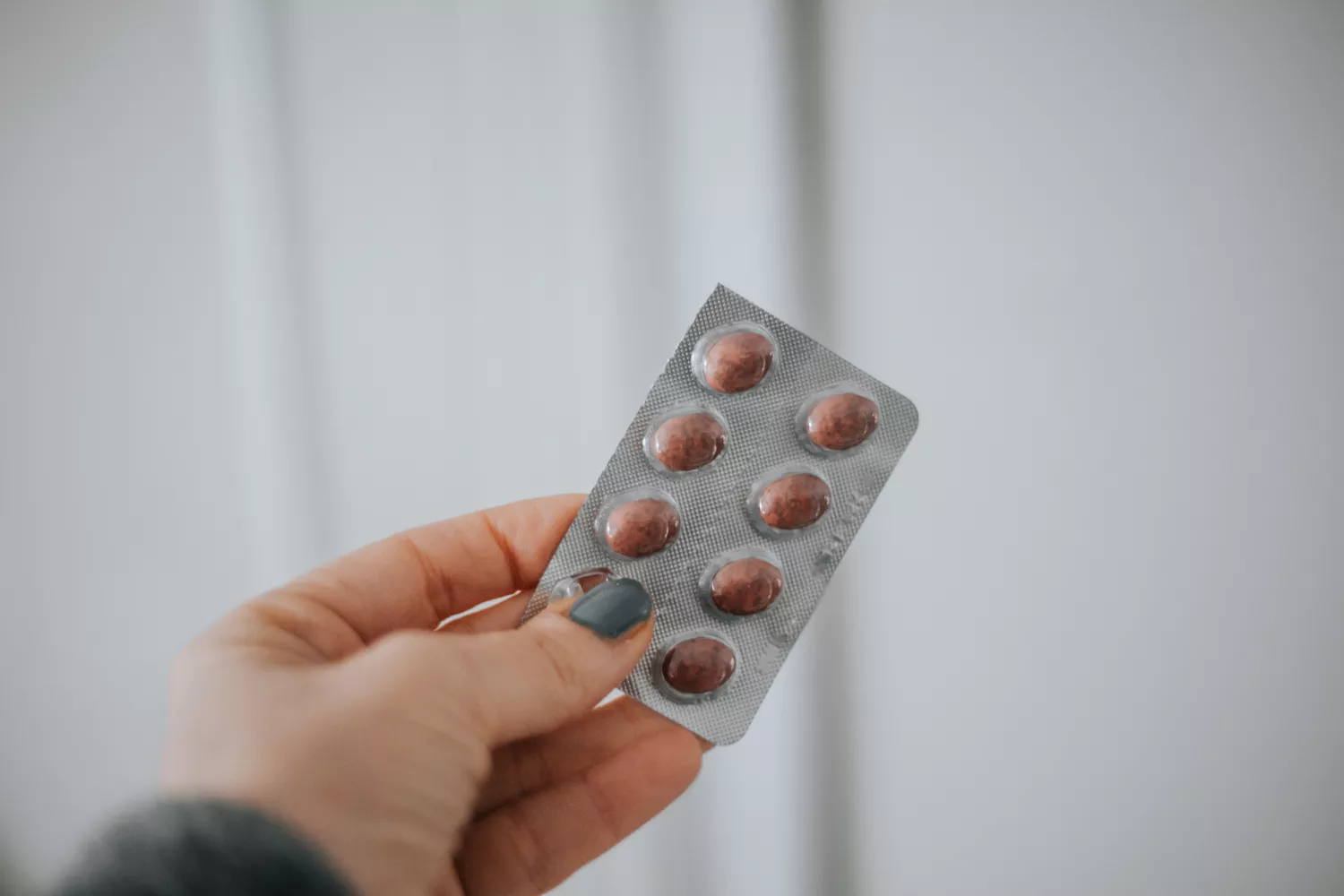
Managing your expectations is also vital. In the STEP 1 clinical trial of semaglutide 2.4 mg, approximately 50.5% of participants achieved a weight loss of 15% or more, which is the threshold where facial volume loss and noticeable sagging are most likely to occur. Knowing this, patients should prepare for facial changes as a secondary outcome of their health journey rather than a surprise side effect.
Restoring Volume: Dermal Fillers and Biostimulators
When a patient reaches their goal weight and the facial contouring has changed significantly, aesthetic dermatology offers two primary paths: immediate correction or long-term regeneration. Using dermal fillers for sagging skin is often the first line of defense, but the choice of material matters immensely.
Hyaluronic acid fillers provide immediate, visible volume. They are excellent for filling hollowed temples or correcting tear troughs because they are reversible and hold water, providing a hydrated look. However, for the large-scale volume loss seen in Ozempic face, we often look toward biostimulatory fillers for long term facial volume restoration. Products like Sculptra (poly-L-lactic acid) or Radiesse (calcium hydroxylapatite) do not just fill space; they act as a scaffold that triggers the body’s own collagen synthesis.
In my experience, the most successful results come from an anatomical layering approach. This involves using a biostimulator to rebuild the foundation near the bone and in the deep fat compartments, followed by hyaluronic acid for fine-tuning the surface. This creates a more natural look than simply "over-stuffing" the face with gel fillers.
| Feature | Hyaluronic Acid (HA) | Biostimulatory Fillers (Sculptra) |
|---|---|---|
| Primary Mechanism | Physical gel volume | Collagen production signaling |
| Result Timing | Immediate | Gradual (3-6 months) |
| Longevity | 6-12 months | 18-24 months |
| Best For | Fine lines, lips, tear troughs | Sunken cheeks, temples, jawline |
| Reversibility | Yes (via Hyaluronidase) | No |
| Typical Cost | $800 - $1,500 per syringe | $3,000 - $6,000 for full treatment |
Medical Disclaimer: The following sections discuss medical and surgical procedures. Always consult with a board-certified dermatologist or plastic surgeon before undergoing any aesthetic treatment to ensure it is safe for your specific health profile.
Advanced Skin Tightening: Non-Invasive vs. Surgical
For some, replacing volume is only half the battle. If the skin laxity is significant, we must address the "cover" of our metaphorical pillow. Non-invasive procedures for tightening loose facial skin have advanced significantly. Technologies like Ultherapy use micro-focused ultrasound to heat the deep layers of the tissue (the SMAS layer), causing a lifting effect that was previously only possible with surgery. Alternatively, laser technology such as Sciton’s HALO or BBL can address surface texture and minor jowl formation.
For patients who have lost a massive amount of weight—often 50 pounds or more—the skin may be beyond the reach of non-invasive tech. Research indicates that patients who undergo significant and rapid weight loss can appear up to five years older than their chronological age due to the depletion of facial fat pads. In these cases, facial fat grafting vs dermal fillers for ozempic face becomes a serious conversation. Fat grafting, or BeautiFill, involves taking fat from another part of your body, processing it, and reinjecting it into the face. While more invasive, it offers a permanent solution to volume loss. However, it is important to note that if you regain weight, the grafted fat cells in your face will also grow, which can lead to an unbalanced look.
The Golden Rule: Why You Must Wait 3 Months
One of the most common mistakes I see in aesthetic dermatology is chasing a moving target. If you begin receiving facial volume loss solutions while you are still actively losing 1-2 pounds per week, your injector will be constantly trying to "catch up" with your disappearing fat. This often leads to over-filling, which results in an unnatural, "puffy" appearance once the weight finally plateaus.
The golden rule for anyone on GLP-1 medications is to wait until your weight has been stable for at least three months. This stability allows the skin to settle and gives your provider a clear "baseline" of your new facial structure. It also ensures that your nutritional status has stabilized, which is essential for the healing process and for the success of biostimulatory treatments. This is especially true for patients over the age of 40, as the natural decline in collagen makes the "snap back" of the skin much slower than in younger patients.
Waiting also provides a psychological benefit. Rapid physical transformation can be jarring. Taking those 90 days allows you to become accustomed to your new reflection and make more informed decisions about whether you truly need immediate solutions for sunken temples or if a medical-grade skincare routine might suffice for minor adjustments.
FAQ
What exactly is Ozempic face?
Ozempic face is a term used to describe the aesthetic changes in the face—such as sagging skin, wrinkles, and a hollowed appearance—that occur following rapid weight loss triggered by GLP-1 receptor agonists. It is not a drug-induced skin reaction but rather a physical result of losing the subcutaneous fat that provides volume and structure to the face.
What causes the appearance of Ozempic face?
The primary cause is the rapid depletion of facial fat pads, specifically the buccal and temporal fat. When weight is lost quickly, the skin does not have enough time to retract and maintain its elasticity. This lack of internal support leads to skin laxity, making nasolabial folds more prominent and causing the face to look prematurely aged.
Can you prevent Ozempic face during weight loss?
While you cannot choose where your body loses fat, you can minimize the severity of Ozempic face by losing weight at a controlled pace and prioritizing protein intake. Consuming 1.2 to 1.5 grams of protein per kilogram of body weight supports collagen synthesis. Additionally, using medical-grade skincare with retinoids and peptides can help maintain skin structural support.
Is Ozempic face permanent?
The loss of fat is permanent unless you regain the weight or seek volume restoration treatments. However, the skin may naturally tighten slightly over several months after your weight plateaus. For most people who experience significant sagging, clinical intervention is required to restore the original facial contours.
What are the most effective treatments for Ozempic face?
The most effective approach is usually a combination of volume restoration and skin tightening. Biostimulatory fillers like Sculptra are highly regarded for their ability to rebuild natural collagen. For lifting the skin, non-invasive procedures such as Ultherapy or Thermage are effective, while severe cases may require surgical options like a face-lift or fat grafting.
Can facial fillers help correct Ozempic face?
Yes, facial fillers are the primary treatment for Ozempic face. Hyaluronic acid fillers can provide immediate volume to hollowed areas like the tear troughs and cheeks. Biostimulatory fillers are often preferred for larger areas of volume loss as they provide a more natural, long-lasting result by encouraging the skin to repair its own structural matrix.