Quick Facts
- The Risk: Clinical data suggests that 25%–45% of total weight loss during GLP-1 therapy can come from lean mass without specific intervention.
- The Speed Limit: To protect metabolic health, do not exceed 1% of total body weight loss per week.
- Protein Target: Maintain a daily intake of 1.2g to 2.0g of protein per kilogram of body weight to support muscle protein synthesis.
- The Red Flag: Watch for functional declines, such as a 10% drop in grip strength or increased difficulty climbing stairs.
- Training Protocol: Incorporate resistance training at least two to three times per week to provide the mechanical stimulus necessary for muscle preservation.
- Monitoring: Use advanced body composition tools like a DEXA scan or bioelectrical impedance analysis rather than relying solely on the bathroom scale.
Ozempic muscle loss is a critical concern for many on GLP-1 therapy. While rapid weight loss is the goal, losing lean body mass can damage your metabolism. This guide explores how to prevent muscle wasting through precision nutrition and training. Ozempic muscle loss occurs when a massive caloric deficit leads the body to break down muscle tissue for energy. Preventing muscle loss on semaglutide requires a combination of high protein intake and consistent resistance training to stimulate muscle protein synthesis.

Understanding the Scale Blind Spot: Why Ozempic Muscle Loss Happens
In the world of sports performance, we have a saying: "The scale is a liar." When you step on a scale, you are looking at a single number that represents your total mass—bone, water, fat, and muscle. For those using GLP-1 receptor agonists, the scale usually moves downward quickly, which feels like a victory. However, this often hides a metabolic catastrophe known as sarcopenia or, more specifically in this context, sarcopenic obesity. This condition occurs when an individual maintains a high fat mass while losing significant amounts of muscle mass, leading to a "skinny fat" physique and a crashed basal metabolic rate.
The physiological reason Ozempic muscle loss occurs is straightforward but overlooked. These medications work by slowing gastric emptying and signaling the brain to feel full. While this is excellent for controlling a caloric deficit, the body is an adaptive machine. When it experiences a sudden, drastic drop in energy intake, it looks for fuel wherever it can find it. If you aren't providing enough protein or mechanical stimulus, your body will harvest amino acids from your skeletal muscle to support vital organ function and gluconeogenesis.
The data behind this is sobering. In a sub-analysis of the 68-week STEP 1 clinical trial, participants treated with semaglutide lost an average of 6.9 kg of lean body mass, which accounted for approximately 40% of their total weight loss. Systematic reviews of GLP-1 receptor agonists indicate that between 20% and 50% of total weight loss typically comes from lean mass. If you lose five pounds and two of them are muscle, you are effectively slowing down your metabolic engine, making it nearly certain that you will regain the fat once the medication protocol ends.
The Precision Nutrition Protocol: Protein Intake for GLP-1 Weight Loss
To combat muscle wasting, we have to move beyond "eating less" and focus on "eating right." The most critical pillar in preventing muscle loss on semaglutide is aggressive protein management. Standard dietary guidelines are often too low for someone in a deep caloric deficit. For my athletes and performance-focused clients, I recommend a protein intake for GLP-1 weight loss that falls between 1.2g and 2.0g per kilogram of body weight.
However, calculating protein for someone who is significantly overweight can be tricky. If you weigh 300 pounds, eating 300 grams of protein is likely impossible given the appetite suppression of the medication. Instead, use an "Adjusted Body Weight" formula. Calculate your protein needs based on your goal weight or a "lean mass" estimate to ensure you are hitting daily protein requirements for glp-1 weight loss without feeling overwhelmed by food volume.
Timing is just as important as the total amount. Muscle protein synthesis is a "light switch" that needs about 25-40g of high-quality protein per meal to turn on. Spacing this out over three to four feedings is far more effective than eating one large protein-heavy meal. Given the slow gastric emptying caused by these drugs, focus on high-bioavailability sources:
- Whey Isolate: Fast-digesting and easy on the stomach when solid food feels like a chore.
- Essential Amino Acids (EAAs): Can be sipped throughout the day to keep a steady stream of leucine in the blood.
- Creatine Monohydrate: A daily dose of 5g is the gold standard for maintaining muscle hydration and cellular energy.
To stay on track, follow a structured ozempic muscle loss prevention meal plan that prioritizes protein first in every sitting. If you are too full to finish a meal, leave the carbohydrates on the plate and finish the chicken or fish.
| Metric | Typical GLP-1 Trial Results | Optimized Performance Protocol |
|---|---|---|
| Protein Intake | Ad libitum (usually low) | 1.2g - 2.0g / kg |
| Lean Mass Loss % | ~40% of total loss | Target <15% of total loss |
| Weekly Weight Loss | Often >2% of body weight | Capped at 1% of body weight |
| Training Focus | General activity/Walking | Resistance training & Hypertrophy |

Resistance Training for Ozempic Users: Stimulating Hypertrophy
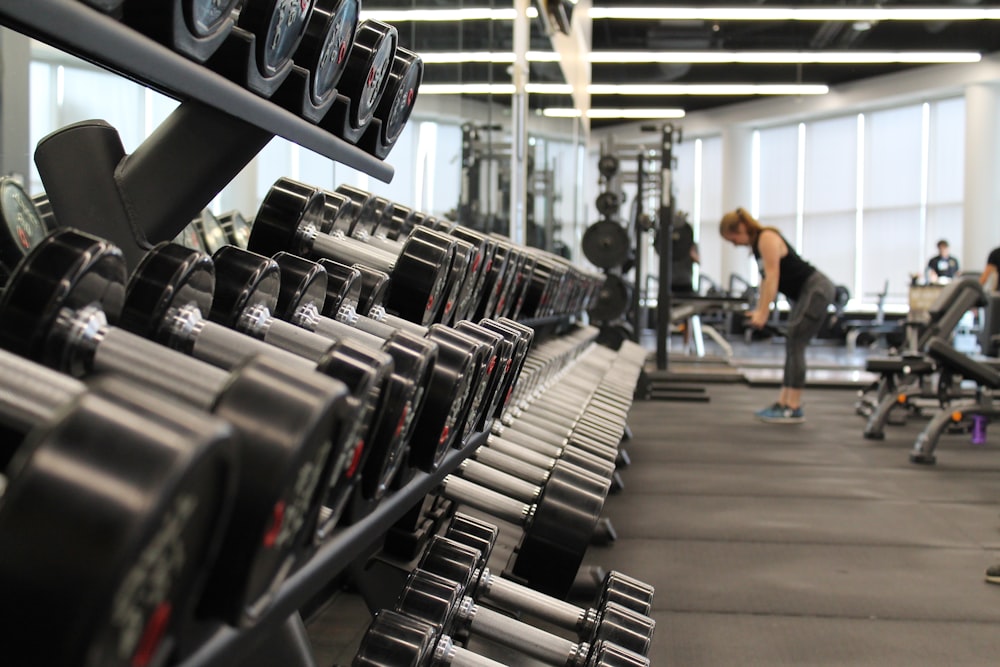
Nutrition provides the building blocks, but resistance training for ozempic users provides the blueprint. Without the mechanical signal of lifting weights, your body assumes that its expensive-to-maintain muscle tissue is unnecessary. Cardio is great for heart health, but it does very little to prevent the breakdown of lean mass during a deficit. In fact, excessive steady-state cardio can sometimes accelerate muscle loss if not balanced with strength work.
The goal here isn't just "movement"—it's hypertrophy. You need to challenge your muscles to adapt. A protocol of two to three sessions per week focusing on compound movements (squats, rows, presses) is the minimum effective dose. You must practice progressive overload, which means gradually increasing the weight, reps, or intensity over time. This signals the body to keep its muscle because it is "needed" for the physical work being performed.
If you are already experiencing signs of muscle loss, such as feeling "flat" or losing strength in basic movements, you must prioritize reversing muscle loss after rapid weight loss on glp-1 by slowing down the rate of weight loss and increasing your lifting volume. Remember, the goal of semaglutide is to improve your health. A body that is 50 pounds lighter but significantly weaker is not a healthier body; it is a more fragile one.
How to Tell if You're Losing Muscle: Tracking and Red Flags
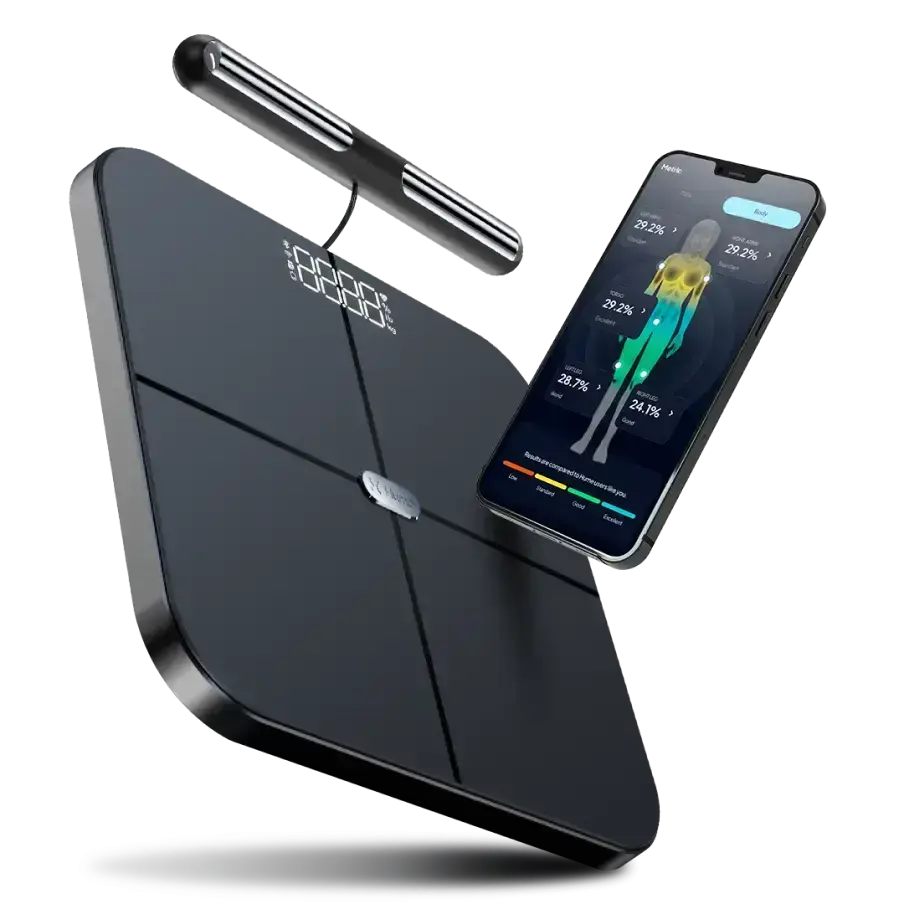
So, how do you know if you're succeeding or if you're becoming a victim of the scale blind spot? You need better data than a standard bathroom scale can provide. Tracking body composition while on weight loss injections is the only way to ensure your progress is high-quality.
The "Gold Standard" is the DEXA scan. For roughly $50-$150, a DEXA provides an incredibly accurate breakdown of fat mass, lean mass, and bone density. If you see your lean mass dropping significantly month-over-month, it’s a sign you need to increase your protein or decrease your caloric deficit. Alternatively, high-end home scales using bioelectrical impedance analysis can offer a daily trend line, though they are less accurate than clinical tools.
Beyond the technology, you should monitor these functional red flags:
- Grip Strength: If opening a jar or carrying groceries feels harder than it did 10 pounds ago, you are likely losing muscle.
- Energy Levels: Chronic, crushing fatigue (beyond the usual "medication fatigue") often indicates the body is catabolizing its own tissue.
- The Mirror: If you look "soft" or "deflated" rather than "leaner" as the weight comes off, it’s a sign of lean mass loss.
Understanding how to tell if you're losing muscle on ozempic is vital for making real-time adjustments to your protocol. Don't wait until you've lost 50 pounds to realize half of it was the muscle that keeps your metabolism running.
FAQ
Does Ozempic cause muscle loss?
Ozempic itself does not directly target and "burn" muscle. However, the drug induces a significant caloric deficit and reduces appetite so effectively that many users fail to consume enough protein. When the body lacks external energy and amino acids, it breaks down muscle tissue to meet its metabolic needs. Clinical studies show that a substantial portion of weight lost on semaglutide can be lean mass if preventative measures are not taken.
How can you prevent muscle loss while taking Ozempic?
The most effective way to prevent muscle loss is a two-pronged strategy: high protein intake and consistent resistance training. You should aim for 1.2g to 2.0g of protein per kilogram of body weight and lift weights 2-3 times per week. Additionally, avoiding a weight loss rate faster than 1% of your total body weight per week helps the body prioritize fat burning over muscle wasting.
Is weight loss from Ozempic mostly fat or muscle?
In a typical clinical setting without exercise or protein intervention, roughly 20% to 50% of the weight lost can be lean body mass. However, researchGate data indicates that while lean tissue is lost in absolute terms, the overall percentage of lean mass relative to total body weight actually increased by 3.0 percentage points in trial participants because they lost so much more fat than muscle. With the right protocol, you can skew these results even further in favor of fat loss.
What are the signs of muscle loss on Ozempic?
Common signs include a noticeable drop in physical strength (such as struggling with heavy bags or stairs), persistent fatigue, and a "saggy" or "soft" appearance to the skin and muscles. Monitoring your body composition through DEXA scans or bioelectrical impedance can provide objective data to confirm if the weight coming off is fat or muscle.
How much protein should I eat on Ozempic to protect muscle?
Most experts and sports nutritionists recommend between 1.2 and 2.0 grams of protein per kilogram of body weight. Because Ozempic slows digestion, it is best to spread this protein across several small meals throughout the day, ensuring each meal contains at least 25-30 grams of protein to stimulate muscle protein synthesis.

The journey to a healthier weight is a marathon, not a sprint. While the rapid results of GLP-1 medications are encouraging, your focus must remain on quality weight loss. By prioritizing protein and hitting the weight room, you ensure that the person who emerges at the end of the treatment is not just lighter, but stronger and more metabolically resilient. Don't just lose weight—transform your body composition for the long haul.