Quick Facts
- Weight Loss Efficacy: Ozempic typically leads to 11-15% body weight reduction, while Metformin averages 2-5%.
- Drug Class: Ozempic is a GLP-1 receptor agonist; Metformin is a biguanide medication.
- Administration: Ozempic is a once-weekly subcutaneous injection; Metformin is a daily oral pill.
- Monthly Cost: Metformin is highly affordable (under $15), whereas Ozempic can cost over $1,000 without insurance.
- Primary Mechanism: Ozempic suppresses appetite and reduces food noise; Metformin improves insulin sensitivity and reduces glucose production.
- FDA Approval: Both are approved for type 2 diabetes, though both are frequently used off-label for weight management and prediabetes.
Ozempic is generally more effective for weight loss than metformin, with studies showing an average weight loss percentage ozempic vs metformin of 5% to 11% for the former compared to approximately 2% to 2.5% for the latter. Ozempic acts as a GLP-1 receptor agonist to suppress appetite, while metformin is a biguanide that primarily works by reducing glucose production in the liver.
Weight Loss Results: The Data Gap
When comparing Ozempic vs Metformin, the most striking difference lies in the clinical outcomes. For decades, Metformin has been the first-line defense for type 2 diabetes and is often prescribed for polycystic ovary syndrome (PCOS) or insulin resistance. While it does assist with weight, many clinicians categorize it as weight-neutral or only modestly effective for shedding pounds. Research indicates that individuals using Ozempic can lose nearly 11% of their body weight within six months, whereas those taking Metformin lose an average of approximately 2.5% during the same time frame.
The disparity becomes even more apparent over longer durations. Clinical trials show that Ozempic (semaglutide) leads to an average body weight loss of approximately 15%, significantly exceeding the 2% to 5% average weight loss typically associated with Metformin. This difference is largely due to how the drugs interact with the brain's hunger signals. Ozempic mimics a hormone called glucagon-like peptide-1, which slows stomach emptying and tells the brain you are full.
Conversely, while Metformin is often considered weight-neutral and has been shown to produce a modest average loss of 6.4 pounds over five years, Ozempic users with type 2 diabetes and obesity can lose 5% to 6% of their body weight within just one year. For those specifically seeking significant metformin vs ozempic weight loss results, the evidence heavily favors the injectable semaglutide.
| Metric | Metformin | Ozempic |
|---|---|---|
| Average Weight Loss | 2% – 5% | 11% – 15% |
| Typical Pounds Lost | 5 – 8 lbs | 15 – 35+ lbs |
| Satiety Impact | Minimal | High (Reduced "Food Noise") |
| Time to Results | Slow (Months/Years) | Rapid (Weeks/Months) |
How They Work: Injection vs. Pill
Understanding the pharmacological pathways of these two medications helps explain why one produces more dramatic weight loss. Metformin is a biguanide medication that primarily focuses on the liver and muscle cells. It reduces the amount of sugar the liver produces and helps the body use its own insulin more effectively. Because it addresses the root of insulin resistance, it is a staple for metabolic health, but it does not fundamentally change a person's relationship with food.
Ozempic takes a more systemic approach to metabolic regulation. As a GLP-1 receptor agonist, it targets the satiety hormones in the gut and brain. This leads to a phenomenon often described by patients as a reduction in food noise—the constant intrusive thoughts about eating or cravings for high-calorie snacks. By slowing down gastric emptying, Ozempic ensures that food stays in the stomach longer, providing a physical sensation of fullness that lasts for hours after a meal.
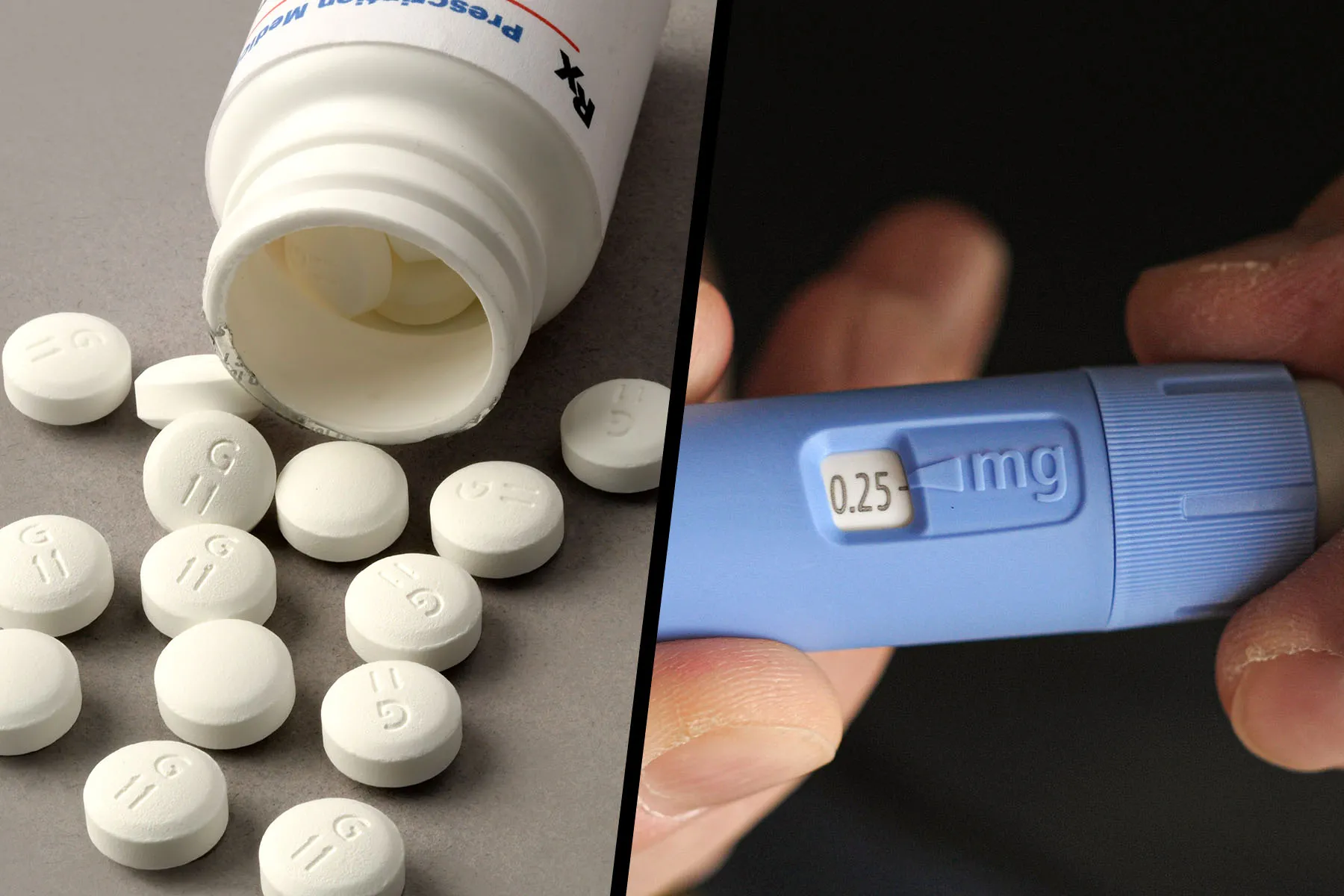
The ozempic injection vs metformin pill for weight loss convenience factor is a major consideration for many. Metformin requires a daily commitment, sometimes taking a pill two or three times a day with meals to minimize stomach upset. Ozempic, however, is a subcutaneous administration administered just once a week. While some patients are hesitant about needles, the once-weekly schedule is often viewed as more convenient for those with busy lifestyles.

Side Effects and Tolerability
Both medications are notorious for their initial gastrointestinal effects. When comparing ozempic and metformin side effects comparison, the list of symptoms looks remarkably similar: nausea, diarrhea, bloating, and indigestion. These side effects occur because both drugs alter how the digestive system processes glucose and food.
For Metformin, the "GI distress" is usually most intense during the first two weeks of treatment. Doctors often prescribe an extended-release version to help the body acclimate. In terms of gastrointestinal tolerability, Metformin has a long track record of safety and is even approved for children as young as 10 years old.
Ozempic side effects can be more persistent. Because it slows the movement of the digestive tract, some users experience significant nausea or vomiting, especially after eating high-fat meals. There is also the "Ozempic plateau" or dizziness that can occur as the body adjusts to a lower caloric intake. However, for most, these symptoms subside as the dose is slowly titrated upward over a period of 12 to 16 weeks.
- Common Metformin Side Effects: Diarrhea, metallic taste in the mouth, stomach cramps, and gas.
- Common Ozempic Side Effects: Nausea, vomiting, constipation, and abdominal pain.
- Rare Risks: Metformin carries a very small risk of lactic acidosis; Ozempic has been linked to gallbladder issues and, in rare cases, pancreatitis.
Cost and Insurance Coverage
The financial aspect is where the two medications diverge most sharply. Metformin is a generic medication that has been on the market for decades. Without insurance, a monthly supply often costs less than $15. Many insurance plans cover it fully with a $0 or $5 copay, making it accessible to almost everyone.
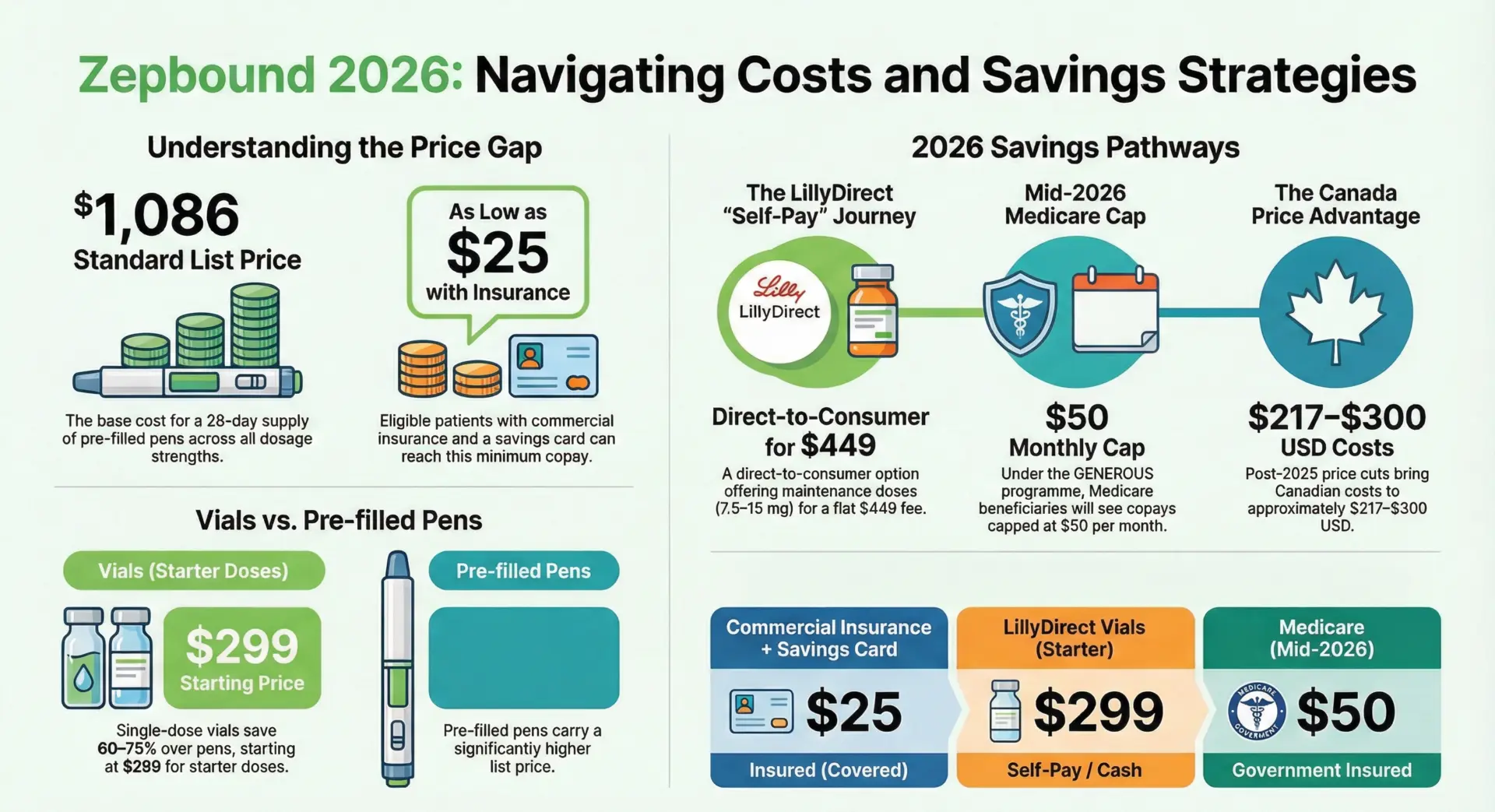
Ozempic is a brand-name medication with a high list price. The cost of ozempic vs metformin without insurance is staggering; Ozempic can retail for $900 to $1,200 per month. Even with insurance, many patients face hurdles. The cost of ozempic vs metformin with insurance depends heavily on the specific diagnosis. Most insurers will cover Ozempic for type 2 diabetes, but they may require prior authorization or "step therapy," where the patient must try and fail on Metformin first.
If a patient is seeking Ozempic strictly for weight loss without a diabetes diagnosis, insurance coverage is often denied. In these cases, patients may look toward Wegovy (the same molecule, semaglutide, approved specifically for weight loss) or pay out-of-pocket using manufacturer savings cards.
Combining Ozempic and Metformin
It is not always a matter of choosing one over the other. In fact, taking ozempic and metformin together for weight loss is a common clinical strategy. Because they work through different biological pathways, they can have a synergistic effect. While Metformin improves insulin sensitivity and glucose metabolism in the liver, Ozempic promotes insulin secretion and increases satiety.
Studies have shown that adding a GLP-1 to a Metformin regimen can lead to an additional HbA1c reduction of about 1.1% and further weight loss. This combination is particularly effective for individuals struggling with metformin vs ozempic for insulin resistance and weight loss, as it attacks the problem from two different angles.
For some, switching from metformin to ozempic for weight loss is the preferred route if Metformin has failed to move the needle on their weight or blood sugar. However, maintaining Metformin while starting Ozempic can sometimes prevent the weight regain that occasionally occurs if a GLP-1 is discontinued, acting as a metabolic "safety net."
FAQ
Which is better for weight loss, Ozempic or Metformin?
Ozempic is significantly more effective for weight loss. Clinical data consistently shows that patients on Ozempic lose between 11% and 15% of their body weight, whereas Metformin typically results in a modest 2% to 5% reduction.
Can you take Ozempic and Metformin together?
Yes, healthcare providers frequently prescribe both together. This combination can be highly effective because they use different mechanisms to manage blood sugar and appetite, often leading to better results than using either medication alone.
What are the main side effect differences between Ozempic and Metformin?
Both drugs primarily cause gastrointestinal issues like nausea and diarrhea. However, Metformin is more likely to cause immediate stomach upset and gas, while Ozempic is more likely to cause prolonged nausea, constipation, and a feeling of extreme fullness due to delayed gastric emptying.
Is Ozempic more expensive than Metformin?
Yes, the price difference is substantial. Metformin is a low-cost generic usually priced under $15 per month. Ozempic is a brand-name medication that costs over $900 per month without insurance and often requires specific medical justifications for insurance coverage.
Why would a doctor prescribe Ozempic instead of Metformin?
A doctor might choose Ozempic if a patient needs significant weight reduction, has failed to reach their HbA1c goals on Metformin, or has established cardiovascular disease. Ozempic has demonstrated specific heart-health benefits that make it a preferred choice for certain high-risk patients.