Ozempic Weight Maintenance: Expert Tips to Keep It Off
Quick Facts
- Regain Risk: Participants in clinical trials regained approximately two-thirds of their prior weight loss within one year of stopping the medication.
- Exercise Goal: A minimum of 150 minutes of cardio combined with 2 days of dedicated strength training.
- Nutrition Priority: High protein intake (1.2g/kg) and focusing on low-glycemic index foods.
- Metabolic Focus: Preserving lean muscle is the #1 defense against post-medication hunger surges.
- Successful Strategy: Ozempic weight maintenance requires transitioning from pharmaceutical appetite suppression to a multi-faceted approach focusing on metabolic health recovery after ending Ozempic and behavioral habit stacking to manage appetite hormones.
Preventing weight regain after Ozempic requires a multi-faceted approach focusing on metabolic health and behavioral habits. Prioritizing lean muscle preservation through strength training helps maintain a higher basal metabolic rate, while a diet rich in lean proteins and fiber-rich vegetables supports satiety signaling. Managing stress and sleep is also critical, as elevated cortisol levels can promote fat storage and disrupt the gut-brain axis.
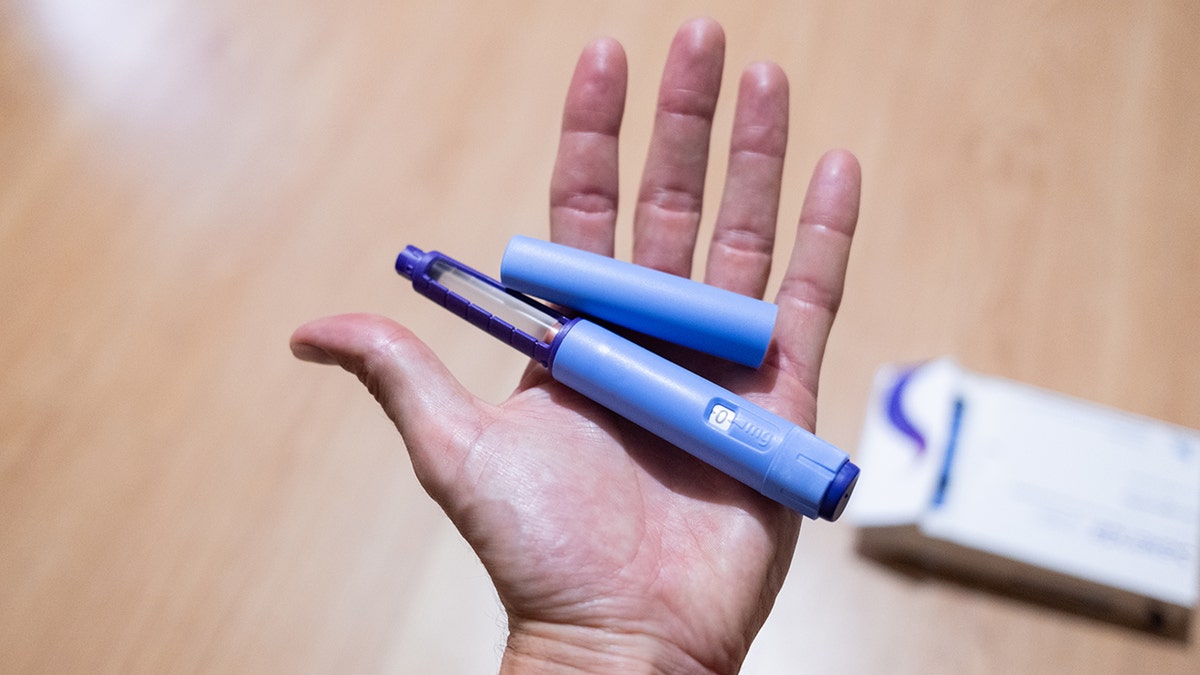
Sustainable Ozempic weight maintenance relies on nutrient-dense foods that stabilize insulin sensitivity and manage appetite hormones. Focusing on a low-glycemic index diet and nutrient-dense snacks helps prevent the rapid return of hunger often experienced after stopping GLP-1 medications. Behavioral habit stacking, such as consistent meal planning and prioritizing hydration, can bridge the gap as the body transitions away from pharmacological appetite suppression.
The Biological Rebound: Understanding the Post-GLP-1 Hunger Surge
For many, the journey of Ozempic weight maintenance begins with a realization: the medication was doing the heavy lifting for the gut-brain axis. When you discontinue a Glucagon-like peptide-1 receptor agonist, the pharmacological signals that told your brain you were full suddenly vanish. This often leads to a phenomenon known as the biological rebound, where hunger returns with a vengeance, sometimes feeling even more intense than before the treatment started.
This shift in satiety signaling is not a failure of willpower; it is a physiological reaction. The STEP 1 trial extension study highlights the challenge, showing that users often regain significant weight once the metabolic support is removed. Understanding that your body is attempting to return to its previous "set point" is the first step in preventing weight regain after Ozempic. To manage this, you must focus on metabolic health after stopping semaglutide by slowly retraining your natural hunger cues.
The Shift in Satiety
When the medication leaves your system, the rate of gastric emptying speeds back up. This means food moves through your stomach faster, and the hormonal "fullness" signals sent to the hypothalamus are weakened. Many patients report a return of food noise—those intrusive thoughts about the next meal. Learning how to manage hunger after stopping semaglutide involves anticipating this surge and having a biological fallback plan ready before the last dose is administered.
| Feature | Biological Hunger (Post-Medication) | Medication Suppression (On GLP-1) |
|---|---|---|
| Satiety Speed | Slow; delayed signal to brain | Rapid; feeling full after small bites |
| Cravings | High for calorie-dense foods | Significantly reduced (muted "food noise") |
| Gastric Emptying | Normal/Fast | Delayed; food stays in stomach longer |
| Reward Processing | High dopamine response to sugar | Blunted response to cravings |
Nutritional Pillars for Insulin Sensitivity
Maintaining your progress requires a shift from calorie restriction to nutritional density. The goal is to maximize insulin sensitivity so your body processes fuel efficiently rather than storing it as fat. A foundation of low-glycemic index foods prevents the insulin spikes that drive fat storage and subsequent hunger crashes.
Focusing on lifestyle habits post-Ozempic means prioritizing fiber and protein at every meal. Fiber slows digestion naturally—mimicking some of the effects of the medication—while protein triggers the release of natural satiety hormones like PYY and GLP-1. Transitioning off Ozempic without regaining weight is much more achievable when you replace the drug’s appetite suppression with the natural fullness provided by whole foods.

Strategies for Satiety
Incorporating nutrient dense snacks for semaglutide maintenance phase can prevent the "emergency hunger" that leads to poor choices. Think of snacks as a bridge for your metabolism.
- Protein-First Snacking: Greek yogurt, hard-boiled eggs, or cottage cheese help maintain a steady stream of amino acids.
- Fiber-Rich Volume: Raw vegetables with hummus provide crunch and volume without high caloric density.
- Low-GI Fruits: Berries and green apples provide antioxidants and sweetness without the massive glucose spike of tropical fruits.
The Physical Defense: Strength Training and Basal Metabolic Rate
While cardiovascular health is important, Ozempic weight maintenance is won or lost in the weight room. One of the side effects of rapid weight loss on GLP-1 medications is the loss of lean muscle mass. Muscle is metabolically active tissue; the less you have, the lower your basal metabolic rate (BMR). If your BMR drops significantly, you will find it nearly impossible to eat enough to feel satisfied without exceeding your daily caloric needs.
This is why strength training routines for post-Ozempic maintenance are non-negotiable. By lifting weights or performing resistance exercises at least twice a week, you signal to your body to preserve and build muscle. This improves your body composition and ensures your metabolism stays "hot" enough to handle a normal caloric intake once the medication is stopped.

The Maintenance Protocol Checklist
To ensure your body remains a fat-burning machine rather than a fat-storing one, follow this weekly checklist:
- [ ] Protein Goal: Consume at least 1.2g of protein per kilogram of body weight daily to support lean muscle preservation.
- [ ] Resistance Training: Complete two full-body strength sessions per week, focusing on compound movements.
- [ ] Aerobic Base: Achieve 150 minutes of moderate-intensity cardio (like brisk walking) to support cardiovascular and metabolic health.
- [ ] Hydration: Drink 2-3 liters of water daily, as dehydration is often mistaken for hunger.
- [ ] Fiber Intake: Target 25-30g of fiber from whole food sources to stabilize satiety signaling.
Behavioral Habit Stacking: Managing Stress and Cortisol
The psychological transition is just as vital as the physical one. Many individuals rely on the medication to "turn off" the desire to eat during stressful times. Without the drug, lifestyle habits for long term weight maintenance after GLP-1 must include stress management. High stress leads to elevated cortisol regulation issues, which can increase abdominal fat storage and trigger cravings for "comfort" (high-sugar, high-fat) foods.
Behavioral habit stacking is an effective way to automate these new patterns. For example, stack your morning hydration with a five-minute mindfulness session or a brief walk. This lowers your baseline cortisol and prepares your nervous system for the day, making it less likely that you will reach for food as a coping mechanism.
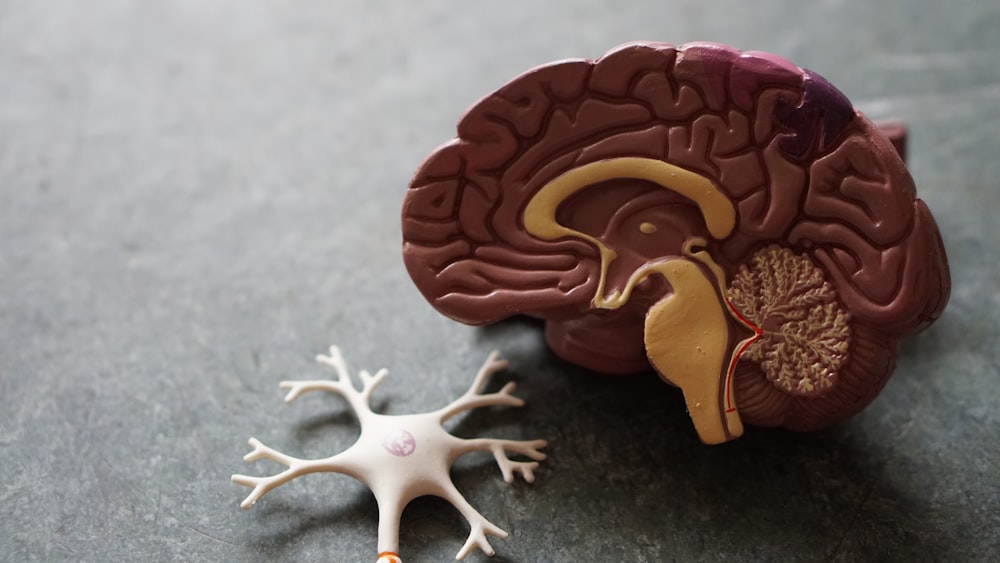
Consistent sleep is another pillar of this behavioral defense. Sleep deprivation disrupts the hormones leptin and ghrelin, the very hormones the medication was helping to regulate. Aiming for 7-9 hours of quality rest is a cornerstone of metabolic health recovery after ending Ozempic.
Future-Proofing: 2026 Medical Advancements
As we look toward 2026, the medical landscape for weight maintenance is evolving beyond weekly injections. Research is currently exploring the 25mg oral Wegovy pill, which may offer a more flexible way to manage maintenance. However, one of the most exciting developments is a procedure known as duodenal mucosal resurfacing.
Expert Insight: Duodenal Mucosal Resurfacing (DMR) Emerging research highlights duodenal mucosal resurfacing as a potential outpatient procedure to prevent weight regain after stopping medications like semaglutide or tirzepatide. This intervention, currently being studied in the REMAIN-1 clinical trial, aims to reset metabolism in the small intestine to improve satiety and metabolic function. While still investigational, such endoscopic procedures offer a potential biological solution for long-term weight management by addressing the gut's role in insulin sensitivity.
These advancements suggest that the future of weight management will be about "resetting" the body's biology rather than just suppressing appetite indefinitely. Monitoring your metabolic health recovery after ending Ozempic through regular check-ups is essential to see if you might benefit from these emerging therapies.

FAQ
Do you have to take Ozempic forever to keep weight off?
Not necessarily, but you do need a permanent plan. While some people stay on a "maintenance dose" indefinitely, others successfully transition off by implementing rigorous lifestyle changes. The medication provides a window of opportunity to build the muscle mass and metabolic habits required to sustain weight loss. Without those changes, the biological drive to regain weight is very high.
What happens when you stop taking Ozempic after reaching your goal?
When you stop, the exogenous GLP-1 hormones leave your system, and your natural appetite returns. Gastric emptying speeds up, and your brain's reward centers become more sensitive to food cues again. This is why many people experience a sudden surge in hunger. Without a transition plan focusing on protein and strength training, weight regain can happen quickly.
How do you maintain weight loss after stopping medication?
Maintenance is achieved through a combination of high-protein nutrition, consistent strength training to protect your basal metabolic rate, and stress management. It is often helpful to work with a dietitian to slowly increase calories while monitoring body composition. Tracking progress through metrics like waist circumference or DEXA scans can provide a more accurate picture than the scale alone.
Will I regain weight if I lower my Ozempic dose?
Lowering the dose can lead to a return of hunger, but it is a common strategy for a "tapered" transition. If you lower the dose while simultaneously increasing your focus on fiber, protein, and resistance training, you can often stabilize your weight. The key is to treat the dose reduction as a test of your lifestyle foundations.
What are the best strategies to transition off weight loss medication?
The best strategies include a "protein-forward" diet, a commitment to heavy resistance training to prevent muscle loss, and habit stacking for stress and sleep. Many experts also recommend a slow taper rather than stopping "cold turkey," allowing the gut-brain axis time to adjust to the lower levels of the medication while you ramp up natural satiety signals.

Final success in Ozempic weight maintenance isn't about the medication—it’s about what you build while the medication is working. By focusing on body composition and metabolic health, you can turn a short-term intervention into a lifelong transformation. Consult with obesity medicine specialists to track your progress and ensure your transition is backed by data and clinical expertise.