Quick Facts
- Preparation Time: 10-15 minutes
- Cooking Temperature: 425°F for oven roasting or 375°F for air frying
- Dietary Info: Vegan, Gluten-free, and purely Plant-based
- Key Nutrients: Rich in Vitamin K for bone health and healthy fats from walnuts
- Flavor Profile: A complex sweet and savory contrast with a tangy finish
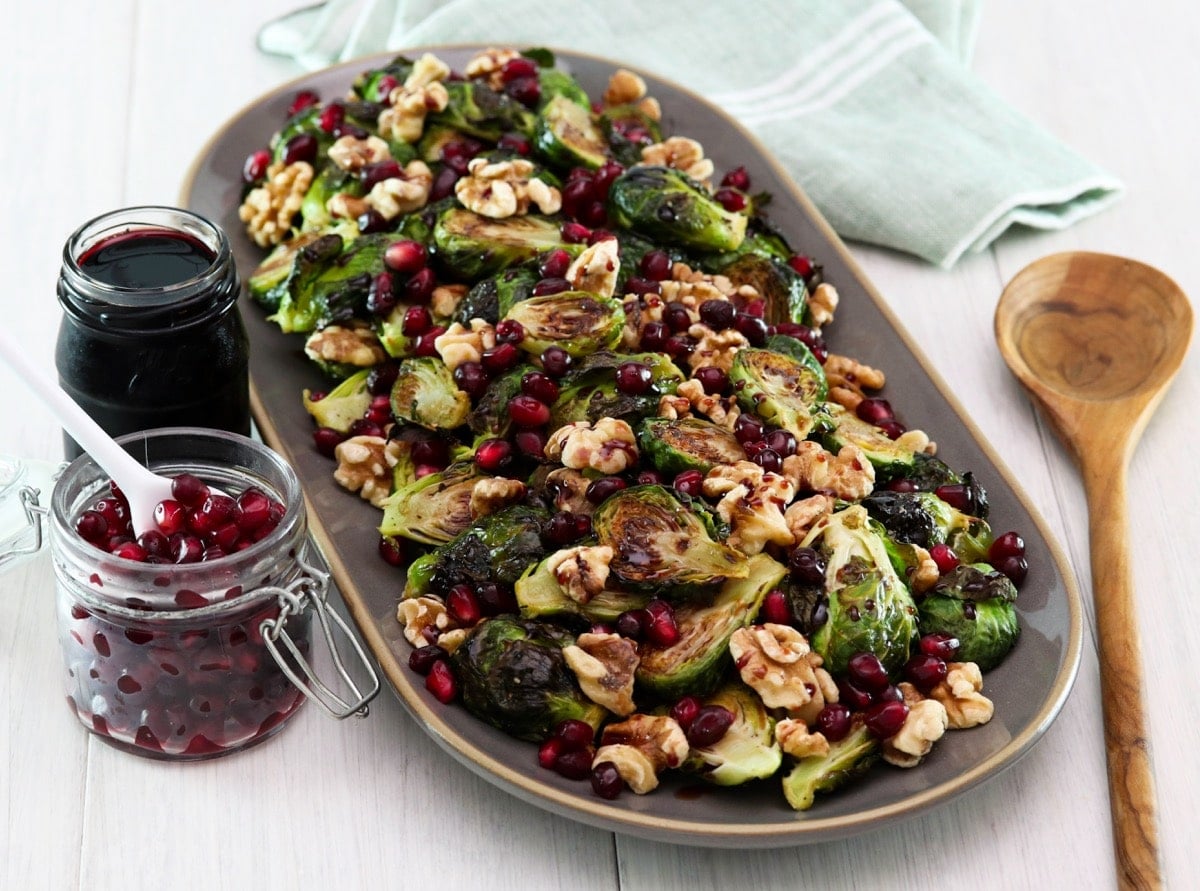
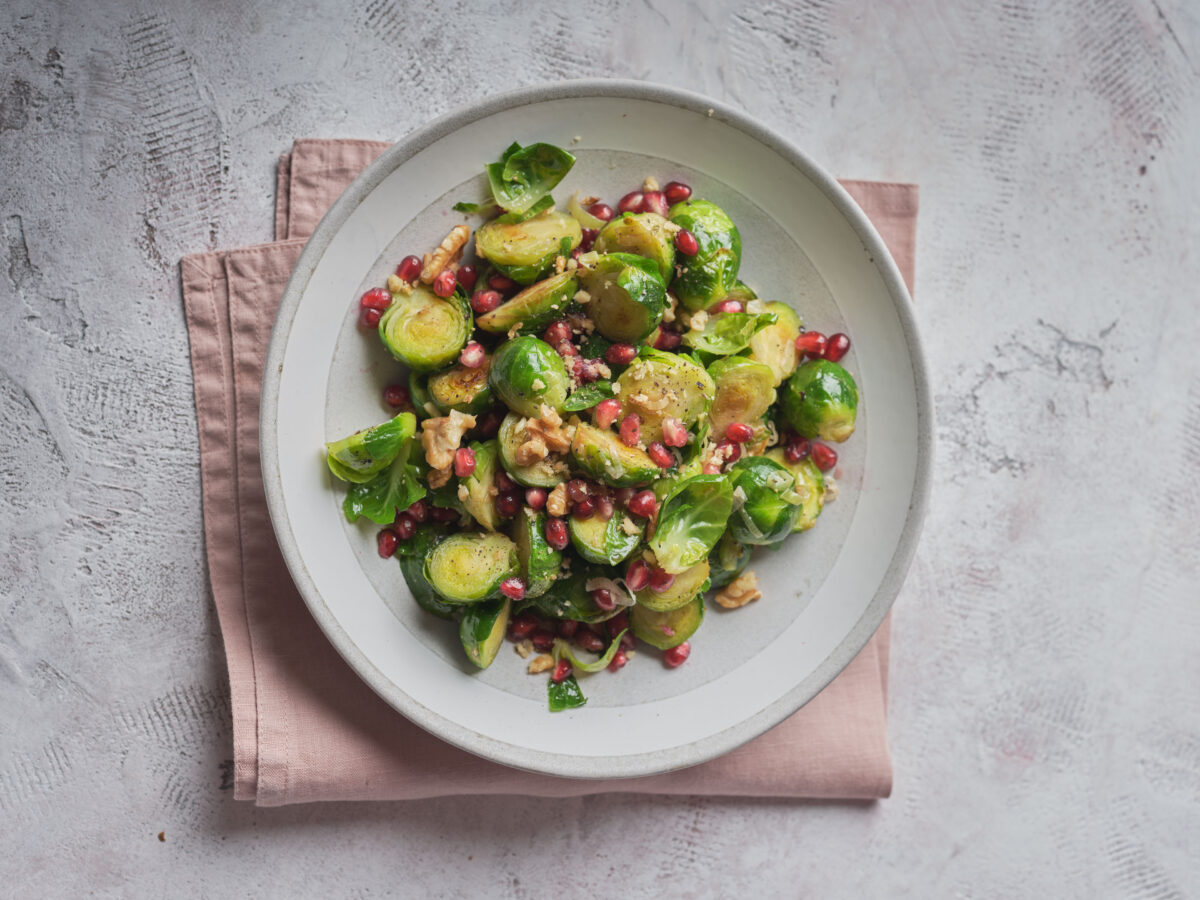
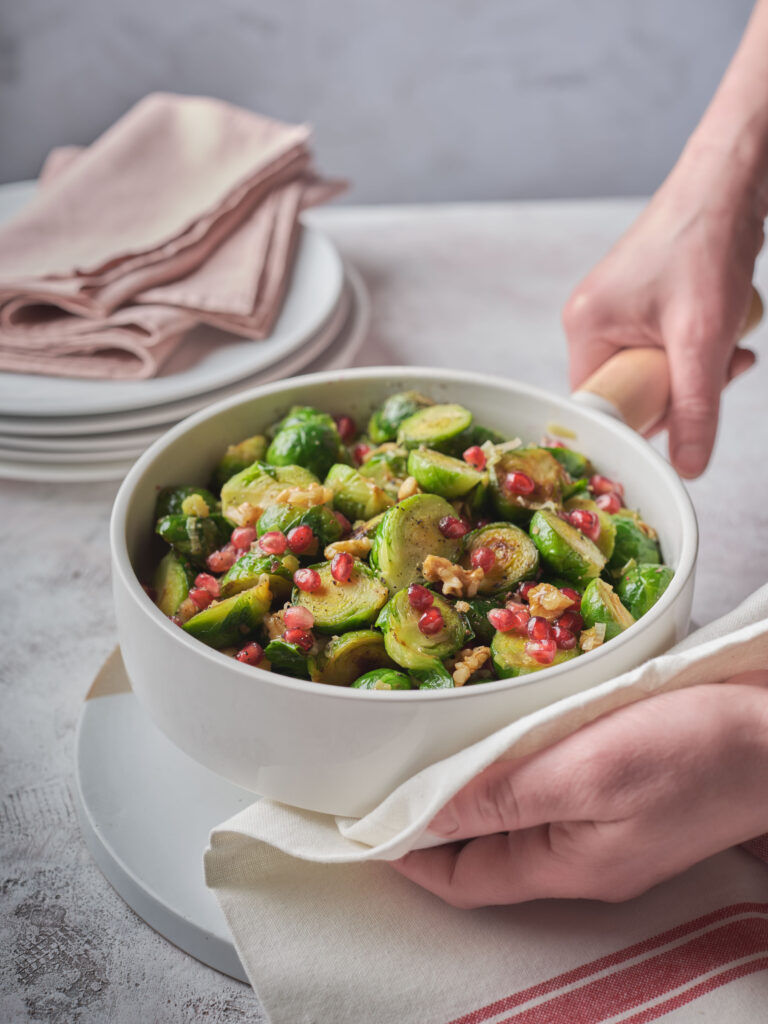
To prepare pomegranate Brussels sprouts, trim and halve the sprouts before pan-searing or roasting them until they are tender and caramelized. Finish the dish by tossing the sprouts with toasted walnut halves, a drizzle of pomegranate molasses, and a handful of fresh pomegranate seeds for a balance of sweet and savory flavors. This method ensures that the earthy profile of the roasted sprouts pairs perfectly with the crunch of toasted walnuts, while the pomegranate molasses and fresh arils provide a tangy sweetness that balances the dish.
Why You’ll Love This Festive Side Dish
When planning a Thanksgiving dinner menu, the pressure to deliver something that is both traditional and exciting can be overwhelming. This pomegranate and walnut side dish solves that dilemma perfectly. It transforms the humble, often misunderstood sprout into a sophisticated centerpiece that looks like a collection of jewels on the plate. The vibrant contrast of sweet pomegranate and toasted walnuts with caramelized Brussels sprouts creates a sensory experience that stands out among the heavier, cream-based sides typically found on a holiday table.
This is a quintessential winter seasonal produce dish. During the colder months, Brussels sprouts reach their peak sweetness, and pomegranates are at their most succulent. By combining them, you are celebrating the best of what the season has to offer. Beyond the taste, the visual appeal is undeniable; the bright red pomegranate arils pop against the deep charred green of the sprouts, making it a festive holiday side dish Brussels sprouts with pomegranate seeds that guests will be talking about long after the meal is over.
Furthermore, this recipe is a lifesaver for hosts catering to various dietary needs. It is naturally one of those gluten-free holiday options that requires zero modifications to satisfy vegan and plant-based guests. It feels intentional and gourmet rather than an afterthought. The combination of walnuts and pomegranate elevates Brussels sprouts by adding contrasting textures and bright acidity that cut through the richness of a holiday roast or a stuffed turkey.
Essential Prep: Trimming and Uniformity
Great cooking starts with the knife. To ensure your Pomegranate Brussels sprouts cook evenly, you must pay attention to the prep work. Start by selecting sprouts that are firm and heavy for their size. If you find a bag with varying sizes, you will need to adjust your cuts; leave the tiny ones whole, halve the medium ones, and perhaps quarter the true giants.
The best ways to trim and prep Brussels sprouts for pomegranate recipes involve a few simple culinary preparation steps:
- The Trim: Cut off the very bottom of the woody stem. Don't take too much off, or the leaves will fall apart completely.
- The Clean: Remove any tattered, yellowed, or spotty outer leaves.
- The Halve: Slice the sprouts lengthwise through the stem. This creates a flat surface area which is crucial for achieving those coveted caramelized edges.
- The Wash: Rinse them after cutting to ensure water doesn't get trapped in the tight whole heads, which can lead to steaming rather than roasting.
For those who prefer a particularly tender interior, consider the parboiling method. Drop the trimmed sprouts into boiling salted water for just two to three minutes, then plunge them into an ice bath. This "sets" the vibrant green color and ensures the centers are buttery soft by the time the exteriors are crispy. However, if you are short on time, skipping this step and going straight to high-heat roasting still yields fantastic results.
Cooking Method 1: Oven Roasted for Maximum Caramelization
Roasting is the gold standard for this vegetable. When you expose Brussels sprouts to high heat, the natural sugars undergo a transformation, replacing bitterness with a deep, nutty sweetness. To achieve this, preheat your oven to 425°F. This temperature is the sweet spot; it is hot enough to brown the outside before the inside becomes mushy.
The secret to success is sheet pan placement. Always place the sprouts cut-side-down on the pan. This direct contact with the hot metal creates a beautiful sear. If you are working with frozen sprouts, increase the temperature to 450°F and roast them straight from the freezer to prevent them from becoming soggy as they thaw.
Pro Tip: Do not crowd the pan. If the sprouts are too close together, they will trap steam and turn out soft and "khaki" colored rather than crisp. Use two pans if necessary to give them plenty of breathing room.
An oven roasted Brussels sprouts with pomegranate molasses and walnuts preparation usually takes about 20 to 25 minutes. Halfway through, give the pan a good shake to ensure all sides get some heat, but prioritize that initial flat-side sear. Beyond the flavor, there is a nutritional bonus to this dish. A single cup of cooked Brussels sprouts provides approximately 155.76 micrograms of vitamin K, which is an essential nutrient for blood coagulation and bone health.
Cooking Method 2: The Quick Pan-Sear and Air Fryer Alternatives
If your oven is occupied by a massive bird or a tray of stuffing, don't worry. You can still make an incredible walnut and pomegranate side dish using the stovetop or an air fryer.
How to pan sear Brussels sprouts with walnuts and pomegranate is a skill every home cook should have. Heat a heavy-bottomed skillet (cast iron is best) over medium-high heat with a bit of olive oil or avocado oil. Place the sprouts in a single layer, cut-side-down, and let them sizzle undisturbed for about 5 to 7 minutes. Once the bottoms are dark brown, add a splash of water or vegetable broth and cover the pan for 2 minutes to steam the centers. Remove the lid, let the moisture evaporate, and you have perfectly seared sprouts in half the time of roasting.
The air fryer is another fantastic tool for maintaining texture variety. Here is a quick comparison of the two high-heat methods:
| Feature | Oven Roasting | Air Frying |
|---|---|---|
| Temperature | 425°F | 375°F |
| Time | 20-25 minutes | 12-15 minutes |
| Texture | Deeply caramelized, tender | Ultra-crispy, slightly firmer |
| Capacity | Large batches (perfect for crowds) | Smaller batches (better for 2-4 people) |
When you pan seared Brussels sprouts with nuts, wait until the final two minutes of cooking to add the walnuts to the skillet. This allows the nuts to toast in the residual oil and sprout juices, enhancing their earthy flavor without burning them.
The Flavor Finish: Pomegranate Molasses and Toasted Walnuts
The "glaze" is where the magic happens. While the sprouts are cooking, take a moment to prepare your finish. While you can buy toasted walnuts, toasting them fresh in a dry pan until they are fragrant makes a world of difference in the final vegan pomegranate and walnut Brussels sprouts side dish.
Pomegranate molasses is the secret ingredient here. It is a thick, syrupy reduction of pomegranate juice that is intensely tart and slightly sweet. It acts as a sophisticated glaze that clings to the nooks and crannies of the sprouts. If you cannot find it at the store, you can simmer two cups of pomegranate juice with a bit of sugar and lemon juice until it reduces to a thick syrup.
Once the sprouts are out of the oven or pan, toss them in a large bowl with:
- A generous drizzle of pomegranate molasses
- The toasted walnut halves
- A sprinkle of sea salt and cracked black pepper
- A handful of fresh Pomegranate arils
This Pomegranate Brussels sprouts with walnuts combination creates a flavor profile that covers all the bases: salty, sweet, sour, and bitter. The fresh arils provide a burst of cool juice that cleanses the palate after the rich, roasted flavors of the vegetable.
Troubleshooting: Avoiding Sogginess and Bitterness
The most common complaint about Brussels sprouts is that they are either too bitter or unpleasantly mushy. Both issues are usually a result of improper cooking techniques.
To avoid bitterness, look for smaller sprouts, which tend to be sweeter. Additionally, the high-heat roasting method we discussed helps neutralize the sulfurous compounds that cause that "cabbage" smell. Adding an acidic component—like the pomegranate molasses—is the classic chef's trick for balancing out any lingering bitter notes.
As for the texture, follow the green vs. khaki rule. If your sprouts have turned a dull, brownish-khaki color, they are overcooked and likely soggy. You want them to be bright green with dark, charred edges. If you find yourself wondering can you make pomegranate Brussels sprouts ahead of time, the answer is yes, but with a caveat. You can roast the sprouts and toast the nuts a day early. However, do not add the molasses or the fresh pomegranate seeds until right before serving. If you dress them too early, the acidity will break down the texture and turn the sprouts gray.
To reheat, avoid the microwave at all costs. Instead, pop them back into a hot oven or an air fryer for 5 minutes to restore the crispness before adding the final garnishes.
FAQ
How do you keep Brussels sprouts from getting soggy when roasting?
To prevent sogginess, ensure the sprouts are completely dry after washing and avoid overcrowding the roasting pan. Use a high temperature like 425°F and place the sprouts cut-side-down to maximize contact with the heat. Also, avoid adding liquid flavorings like balsamic vinegar or molasses until after the roasting process is complete, as these can steam the vegetables rather than crisp them.
Can I use pomegranate molasses instead of seeds?
Yes, you can use pomegranate molasses as a flavor substitute for the tangy sweetness, but you will miss the textural pop and visual brightness provided by the fresh seeds. Ideally, use both: the molasses acts as a concentrated glaze that coats the sprouts, while the fresh arils provide a refreshing, juicy contrast. If fresh pomegranates are out of season, a splash of balsamic glaze or a squeeze of lemon can provide the necessary acidity.
How do you properly trim Brussels sprouts for roasting?
Start by slicing off the very end of the stem, then peel away any loose or discolored outer leaves. For roasting, slice the sprouts in half lengthwise from the top down through the stem. Keeping the stem partially intact helps hold the leaves together during the high-heat cooking process. For very large sprouts, consider quartering them to ensure the centers cook at the same rate as the smaller ones in the batch.
Can you make pomegranate Brussels sprouts ahead of time?
You can prepare parts of this dish in advance by trimming the sprouts and toasting the walnuts up to two days ahead. You can even roast the sprouts a few hours early and keep them at room temperature. However, for the best results, wait to add the pomegranate molasses and fresh seeds until the very last moment. This keeps the sprouts from getting soggy and ensures the colors remain vibrant for your holiday presentation.
How do you remove the bitterness from Brussels sprouts?
Bitterness is often a result of overcooking or using very old, large sprouts. To minimize it, choose smaller, firm sprouts and cook them quickly at a high temperature to caramelize their natural sugars. Adding a balance of salt, fat (like olive oil or walnuts), and acid (like pomegranate molasses) effectively masks any remaining bitter compounds, resulting in a much more balanced and palatable dish.