Quick Facts
- Delivery Method: Rybelsus is a daily oral tablet; Ozempic is a weekly subcutaneous injection.
- Bioavailability: Ozempic offers approximately 89% bioavailability, while Rybelsus is less than 1%.
- Weight Loss Efficacy: Ozempic typically results in greater weight reduction than Rybelsus at current standard dosages.
- Strict Fasting: Rybelsus requires a precise 30-minute fasting window with exactly 4oz of water for absorption.
- Storage: Ozempic requires refrigeration (before first use), whereas Rybelsus is stored at room temperature.
- FDA Status: Both are approved for type 2 diabetes and cardiovascular risk reduction, with Wegovy being the high-dose version for obesity.
When it comes to managing weight with semaglutide, the debate of Rybelsus vs Ozempic is a top concern for patients. While both use the same active GLP-1 receptor agonist, their delivery methods and clinical outcomes differ significantly. This guide explores whether oral semaglutide weight loss effectiveness matches the injectable standard. Rybelsus and Ozempic both utilize semaglutide to mimic GLP-1 hormones, but they differ in administration and absorption. Rybelsus is a daily oral tablet using SNAC technology for absorption, whereas Ozempic is a weekly injection. Ozempic is generally associated with higher bioavailability, often resulting in more pronounced weight loss and HbA1c reduction compared to the oral form.
Delivery and Absorption: SNAC vs. Injection
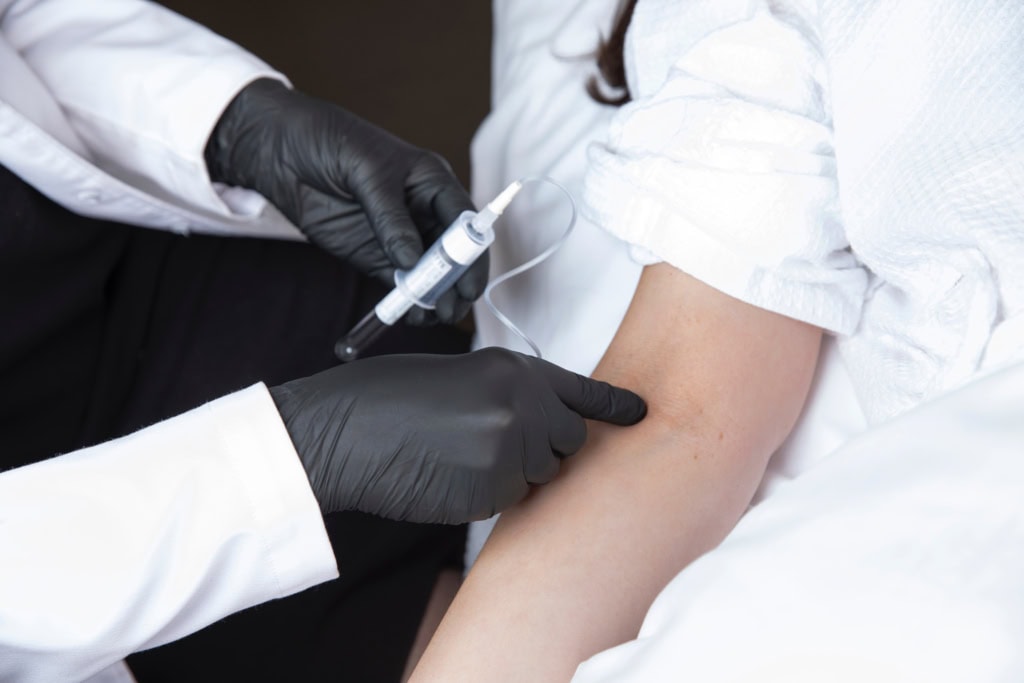
The fundamental difference between these two medications lies in how the semaglutide enters your bloodstream. As a longevity editor, I often look at the pharmacokinetics—the way a body processes a compound. Ozempic utilizes subcutaneous administration. By injecting the medication into the fatty tissue of the stomach, thigh, or arm, the drug bypasses the harsh environment of the digestive system, entering the blood steadily.
Rybelsus, however, faces a biological hurdle. Semaglutide is a peptide, a "small protein" that the stomach usually digests like a piece of steak. To prevent this, Rybelsus uses SNAC absorption technology (sodium salcaprozate). This buffer raises the local pH in a small patch of the stomach lining, allowing the semaglutide to slip into the bloodstream before acid can destroy it.
Because this window is so narrow, patients must follow the "Rule of 4":
- Take Rybelsus first thing in the morning on an empty stomach.
- Swallow the tablet with no more than 4oz (about 120ml) of plain water.
- Wait at least 30 minutes before eating, drinking anything else, or taking other oral medications.
- Failing to follow this routine can cause a gastric emptying delay that prevents the drug from working at all.

When semaglutide injection vs tablet comparison is evaluated, the injection is far more "forgiving." Since it bypasses the stomach, your morning coffee or breakfast won't interfere with your weekly dose.
Efficacy: Why the Bioavailability Gap Matters
In the world of functional supplements and pharmacology, bioavailability is king. Injectable semaglutide has approximately 89% bioavailability, meaning almost all the medicine you inject is available for use. In contrast, the oral tablet formulation has less than 1% bioavailability.
This massive gap explains the dosage titration differences. You might take 1.0 mg of Ozempic once a week, but you need 14 mg of Rybelsus every single day to achieve a similar metabolic health impact. Even with a higher daily oral dose, the systemic levels of the drug tend to be more stable with the weekly injection.
For weight management, injectable semaglutide typically outperforms oral tablets. Clinical trials indicate that Ozempic's weekly subcutaneous administration provides more consistent systemic levels of the medication. While Rybelsus does promote weight loss, the 14mg oral dose is often less effective for significant obesity treatment than the higher-dose injectable options. This is why many patients consider switching from Rybelsus to Ozempic for better weight loss if they find their progress stalling on the pill.

Clinical Evidence: SUSTAIN vs. PIONEER Trials
The data backing these medications comes from two massive clinical programs: SUSTAIN (for Ozempic) and PIONEER (for Rybelsus). When comparing Ozempic and Rybelsus for weight management, the numbers tell a clear story.
In separate clinical trials, patients taking once-weekly injectable Ozempic 1.0 mg lost approximately 10 pounds (4.7 kg) over 30 weeks. Meanwhile, those taking once-daily oral Rybelsus 14 mg lost about 8 pounds (3.7 kg) over 26 weeks.
While both medications are remarkably effective for HbA1c reduction in diabetics, Ozempic consistently shows a slight edge in appetite suppression and total body weight percentage reduction. It is important to note that both medications contain semaglutide, but Ozempic and Rybelsus are FDA-approved to treat type 2 diabetes and reduce cardiovascular risk rather than for chronic weight management, which is the specific indication for the higher-dose semaglutide brand Wegovy.
| Feature | Ozempic (Injection) | Rybelsus (Tablet) |
|---|---|---|
| Frequency | Once Weekly | Once Daily |
| Bioavailability | ~89% | < 1% |
| Typical Weight Loss | ~10 lbs (30 weeks) | ~8 lbs (26 weeks) |
| Fasting Required? | No | Yes (30+ minutes) |
| Standard Max Dose | 2.0 mg | 14 mg |
Lifestyle Factors: Needle Phobia vs. Daily Fasting
Choosing between oral and injectable semaglutide for beginners often comes down to lifestyle and psychological comfort rather than just clinical data.
The Needle Factor If the thought of a needle makes you lightheaded, the question of can you take Rybelsus if you have a needle phobia is a resounding yes. Modern injection pens like Ozempic use tiny, 32-gauge needles that are nearly painless, but for some, the psychological barrier is insurmountable. Rybelsus offers a "stealth" way to access GLP-1 receptor agonists without the ritual of an injection.
The Fasting Burden Conversely, Rybelsus requires a strict morning discipline. If you are someone who wakes up needing immediate coffee or someone with an unpredictable morning schedule, the 30-minute fasting requirement can be a burden.
Side Effect Profile When looking at oral vs injectable semaglutide side effects comparison, both medications share common gastrointestinal issues:
- Nausea (most common)
- Diarrhea
- Constipation
- Abdominal pain
However, some patients report that Rybelsus 14mg vs Ozempic weight loss results come with more frequent "upfront" nausea because the pill interacts directly with the stomach lining every morning. Ozempic’s side effects may peak 24–48 hours after the weekly injection and then subside for the remainder of the week.
Patient Profile: Which is for you?
- The Ozempic Candidate: Prefers a "set it and forget it" weekly routine, travels frequently, and wants the maximum possible weight loss effectiveness.
- The Rybelsus Candidate: Has a significant needle phobia, maintains a very consistent morning routine, and is looking for moderate weight management alongside blood sugar control.
Logistics: Storage, Cost, and Compounded Alternatives
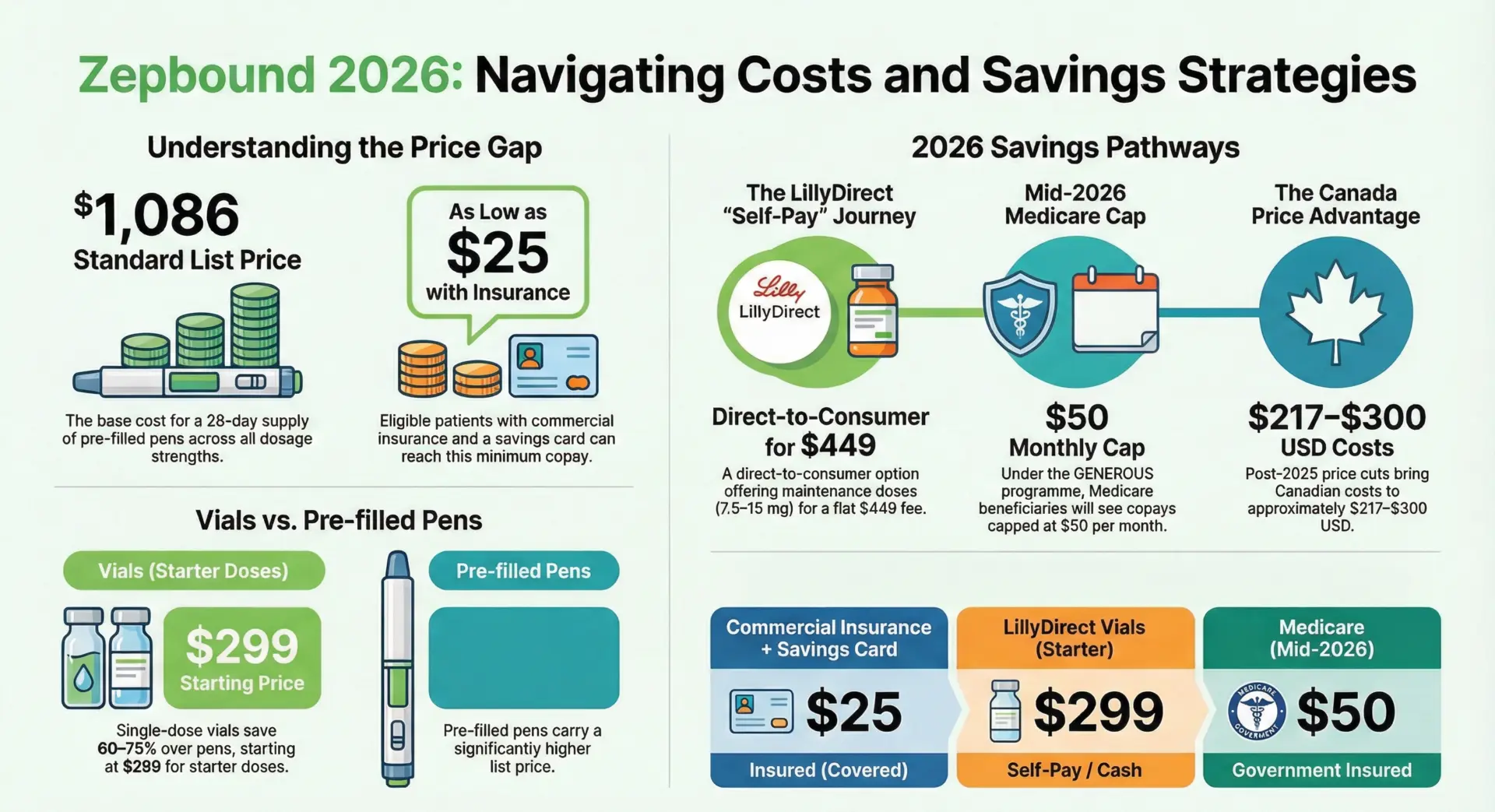
In 2026, the landscape for GLP-1 medications has evolved, but cost remains a significant factor in chronic weight management. Brand-name Rybelsus and Ozempic can both cost upwards of $900 per month without insurance coverage.
Storage is another logistical consideration. Ozempic pens must be kept in the refrigerator until their first use; after that, they can stay at room temperature for up to 56 days. Rybelsus is much more shelf-stable, making it the preferred choice for those who travel to areas where refrigeration is unreliable.
For many patients, the rise of compounded semaglutide has changed the accessibility of these drugs. Compounded versions often cost between $150 and $300 per month, though they almost exclusively come in injectable form. If you are choosing between oral and injectable semaglutide for beginners based on budget, the injectable route—whether brand-name or compounded—currently offers more options and often better value for the weight loss achieved.

Regardless of the delivery method, an endocrinology consultation is essential. Your doctor will help you determine the correct dosage titration to minimize side effects while maximizing results. Whether you choose the daily oral semaglutide vs weekly injection convenience, the goal remains the same: sustainable metabolic health and weight management.
FAQ
What is the main difference between Rybelsus and Ozempic?
The primary difference is the delivery format and frequency of use. Rybelsus is an oral tablet taken every day, while Ozempic is a liquid medication administered via a subcutaneous injection once a week. Both contain the same active ingredient, semaglutide, but utilize different technologies to reach the bloodstream.
Which is more effective for weight loss: Rybelsus or Ozempic?
Generally, Ozempic is considered more effective for weight loss. Due to its high bioavailability of 89%, it maintains more consistent levels in the body. Clinical data from the SUSTAIN and PIONEER trials show that injectable semaglutide usually leads to a higher total percentage of body weight loss compared to the 14mg daily oral dose of Rybelsus.
Can you switch from Ozempic injections to Rybelsus tablets?
Yes, switching is possible, but it must be done under medical supervision. Your doctor will typically wait a week after your last Ozempic injection before starting you on Rybelsus. However, because the absorption of the tablet is less efficient, some patients find that their appetite suppression is less intense after the switch.
Are the side effects the same for Rybelsus and Ozempic?
The core side effects are very similar because both medications work on the same GLP-1 receptors. Both can cause nausea, vomiting, and changes in bowel movements. However, Rybelsus may cause more direct stomach irritation for some because the tablet dissolves in the stomach, whereas Ozempic may cause "peaks" of nausea shortly after the weekly injection.
How do the dosages of Rybelsus and Ozempic compare?
The dosages are not equivalent due to the low absorption rate of the oral pill. A standard therapeutic dose of Ozempic is often 0.5 mg or 1.0 mg once a week. To achieve similar effects, Rybelsus requires a much higher dose of 7 mg or 14 mg every single day. Both medications usually start at a lower "loading dose" to allow your digestive system to adjust.