Quick Facts
- Weight Loss Target: Participants in clinical trials achieved a 14.9% mean weight loss over 68 weeks when combining medication with lifestyle changes.
- Protein Goal: Maintaining 1.2 to 1.6 grams per kilogram of body weight is critical to prevent muscle wasting.
- Hydration: A minimum of 64 ounces of water daily is required to support kidney function and manage digestive transit.
- Fiber Focus: Aim for 25-35 grams of fiber daily to mitigate medication-induced constipation.
- Meal Frequency: Consuming 4-5 small, nutrient-dense meals can significantly reduce the risk of severe nausea.
- Side Effect Management: Following a low-fat bland diet for semaglutide nausea relief is the primary clinical recommendation for early-stage treatment.
A successful semaglutide diet focuses on nutrient-dense foods that support satiety and lean tissue preservation. Prioritize lean protein sources like poultry, fish, and legumes alongside high-fiber vegetables and complex carbohydrates to prevent constipation. These food choices help stabilize blood glucose levels and ensure steady weight loss while the medication regulates metabolic function and biological hunger cues.
Understanding the 'Holding Tank': How Semaglutide Changes Your Digestion
To understand why your food choices matter so much, we first have to look at the pharmacology of GLP-1 receptor agonists. Semaglutide mimics a hormone naturally produced in your gut, but its most profound physical effect—aside from curbing biological hunger cues—is the significant reduction in your gastric emptying rate.
Think of your stomach as a holding tank. Under normal circumstances, food moves through at a steady pace. When you are on a semaglutide diet, the exit door of that tank narrows. Food sits in the stomach for much longer, which sends continuous satiety signals to your brain. While this is the secret to feeling full on less food, it also means that what you choose to put in that tank will stay there for hours. If you fill it with greasy, heavy, or highly processed items, they will sit and ferment, leading to the "sulfur burps," bloating, and reflux that many users report. By choosing specific foods for weight loss, you are essentially managing the chemistry of this holding tank to ensure metabolic regulation remains optimal without causing physical distress.
The Protein Pillar: Best Lean Protein Sources for Semaglutide Weight Loss
As a nutrition editor, my primary concern for anyone on GLP-1 therapy is lean tissue preservation. When the body loses weight rapidly, it doesn't just burn fat; it can scavenge muscle for energy. Clinical data suggests that muscle can account for up to 40% of weight lost if you aren't careful. This is why prioritizing lean proteins like chicken breast and Greek yogurt is non-negotiable.
To keep your metabolism firing, you need to provide the amino acids necessary to repair and maintain muscle fibers. The best lean protein sources for semaglutide weight loss include:
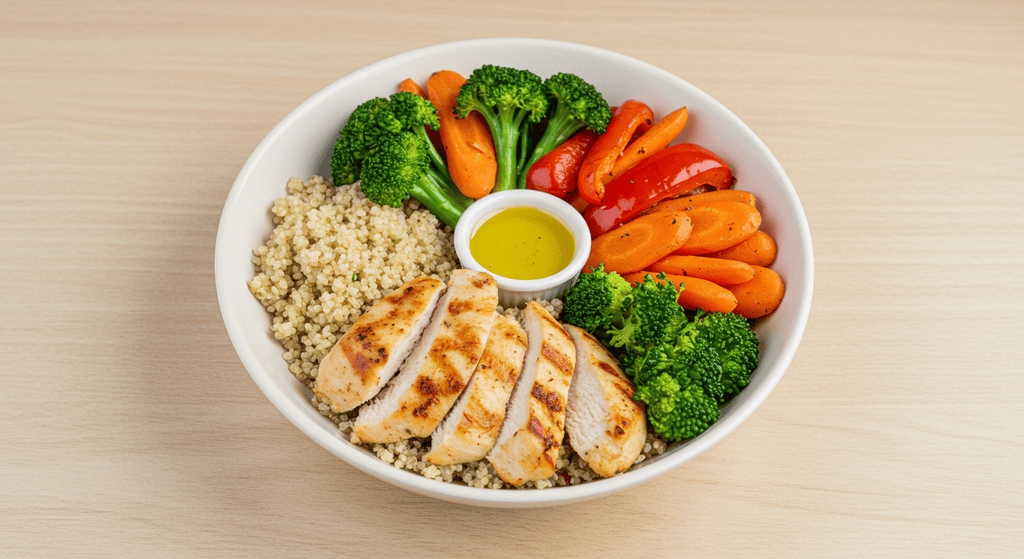
- Skinless Poultry: Chicken and turkey provide high-density protein with very little fat, making them easy on the slowed digestive system.
- White Fish and Seafood: Cod, tilapia, and shrimp are excellent because they are "pre-digested" in terms of texture—your stomach doesn't have to work as hard to break down these delicate fibers.
- Plant-Based Proteins: Tofu, tempeh, and lentils offer protein along with essential minerals like magnesium, which can be depleted during rapid weight loss.
- Greek Yogurt and Cottage Cheese: These are rich in casein and whey, providing a slow release of amino acids that can be particularly beneficial as a bedtime snack.
Fiber and Hydration: Preventing Constipation and Bloating
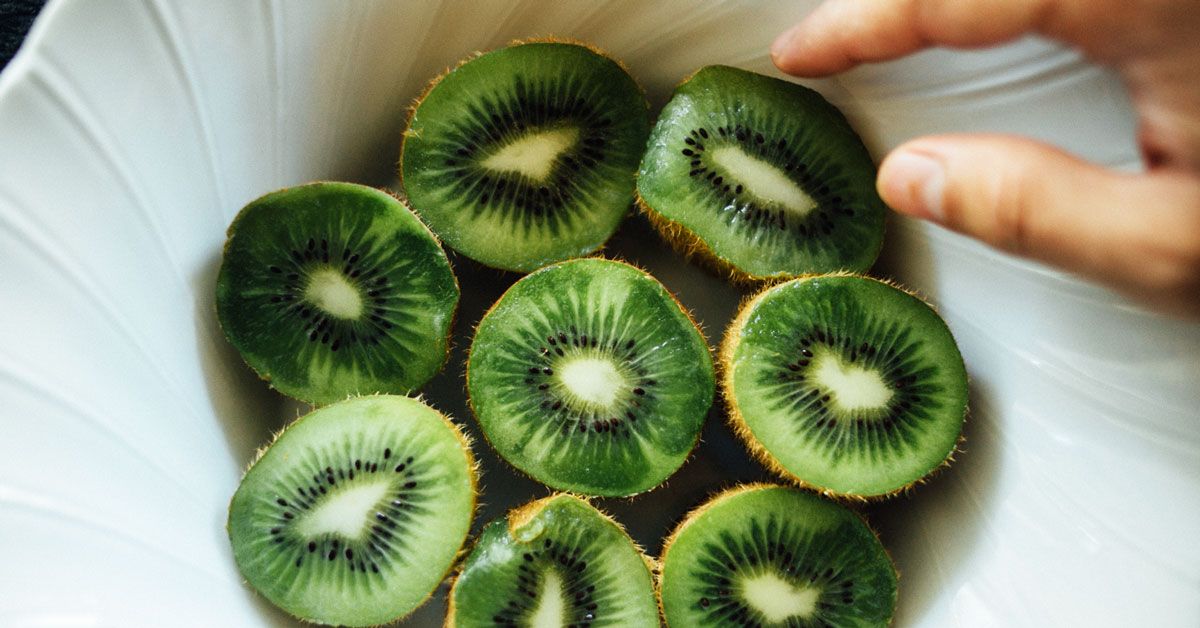
Because semaglutide slows the GI tract, constipation is a frequent hurdle. Many users find that their transit time slows significantly, leading to discomfort and a "heavy" feeling in the gut. To counter this, your semaglutide meal plan ideas must include a high volume of high fiber foods to prevent semaglutide constipation.
Fiber acts as a broom for the intestines, but it requires water to work. Without proper hydration status, fiber can actually make constipation worse by creating a "plug" in the colon. I recommend a two-pronged approach:
- Incorporate Soluble and Insoluble Fiber: Focus on raspberries (one of the highest fiber fruits), chia seeds, sautéed spinach, and roasted Brussels sprouts. These complex carbohydrates help maintain gastrointestinal motility.
- Hydration Discipline: Drink at least 64 ounces of water daily. However, a pro-tip for GLP-1 users is to space your fluids. Drinking large amounts of water during a meal can overfill your stomach, leading to premature fullness and nausea. Try to drink most of your fluids 30 minutes before or after eating.
For those struggling with mineral balance, prioritizing hydrating foods and beverages for GLP-1 side effects—such as bone broth or water infused with electrolytes—can help manage the fatigue that sometimes accompanies the early weeks of treatment. Electrolyte replenishment is key because as you lose glycogen (stored sugar), your body also sheds water and salt.
Nausea Management: The Low-Fat Bland Diet Protocol
Nausea is the most common reason people discontinue their medication. If you are among the 20-40% of users experiencing this, you need to pivot to a low-fat bland diet for semaglutide nausea relief. High-fat foods are the enemy here; they further delay gastric emptying, making that "holding tank" feel even more backed up.
When nausea hits, shift your focus to these foods to manage semaglutide nausea:
- The BRAT-ish Approach: While not a long-term solution, plain crackers, toast, bananas, and rice can settle the stomach during a "nausea wave."
- Cold Liquids and Broths: Sometimes the smell of warm food can be a trigger. Cold protein shakes or chilled bone broths can be easier to tolerate.
- Ginger and Peppermint: These are natural gastric soothers. Ginger tea or even small amounts of fresh ginger in a smoothie can help calm the stomach lining.
The key to success is meal frequency. Instead of three large meals, aim for five small snacks. This keeps your blood glucose levels stable and prevents the stomach from ever becoming too empty or too full—both of which can trigger queasiness.
Meal Timing and Nutrient-Dense Meal Prep
Strategic meal timing is just as important as the food itself. Because your appetite will be significantly reduced, every bite counts. You cannot afford "empty calories" because they will take up space that should be reserved for essential vitamins and minerals.
Effective nutrient-dense meal prep for semaglutide weight loss should focus on portion-controlled containers. Aim for 4-ounce portions of protein per meal. If you find that you wake up feeling nauseous, consider your evening routine. Some of the best bedtime snacks for semaglutide users are small, high-protein items like a hard-boiled egg or a few tablespoons of Greek yogurt. This prevents "hunger nausea" in the morning caused by a drop in blood sugar during the night.
Another rule of thumb: Stop eating the second you feel a "sigh" of fullness. On semaglutide, there is a very thin line between feeling satisfied and feeling painfully overfull. Learning to read these biological hunger cues again is a major part of the journey.
Foods to Avoid to Minimize Gastric Load
While no food is strictly "forbidden," certain items are notorious for causing issues when your digestion is slowed. These foods tend to sit in the stomach and ferment, or they irritate the lining of the GI tract.
| Food Category | Why to Avoid | Better Alternative |
|---|---|---|
| Fried & Greasy Foods | Slows digestion even further; causes severe reflux. | Grilled or air-fried proteins. |
| Sugary Sodas | Carbonation creates gas; sugar spikes insulin. | Still water with lemon or herbal tea. |
| Cruciferous Raw Veggies | Can cause extreme bloating when transit is slow. | Steamed or roasted vegetables (easier to break down). |
| Ultra-Processed Snacks | High in sodium and low in nutrients. | Nuts, seeds, or fresh berries. |
| Spicy Sauces | Can irritate the stomach lining and worsen heartburn. | Fresh herbs like parsley, cilantro, or basil. |
By minimizing these triggers, you reduce the gastric load and allow the medication to work on your metabolic regulation without the interference of inflammatory side effects.
Medical Red Flags: When Side Effects Become Emergencies
It is important to distinguish between the common side effects of a semaglutide diet and serious medical complications. While nausea and constipation are common, they should be manageable with the dietary changes mentioned above.
Safety Red Flag: If you experience severe, persistent abdominal pain that radiates to your back, especially if accompanied by vomiting that won't stop, contact your healthcare provider immediately. This could be a sign of pancreatitis or a gallbladder issue. While rare, these conditions require clinical intervention and are not something that can be managed through diet alone. Always maintain a close dialogue with your prescribing physician regarding GI tract sensitivity.
FAQ
What is the best diet to follow while on semaglutide?
The most effective approach is a high-protein, Mediterranean-style diet. Focus on lean proteins, healthy fats like avocado (in small amounts), and plenty of fiber-rich vegetables. This combination supports muscle mass while ensuring your digestive system stays moving.
What foods should you avoid while taking semaglutide?
You should generally avoid high-fat, fried foods, heavily spiced items, and sugary carbonated beverages. These are the most likely to cause "sulfur burps," acid reflux, and prolonged nausea due to the way they interact with delayed gastric emptying.
How much protein should I eat daily on semaglutide?
Most medical experts recommend consuming between 1.2 and 1.6 grams of protein per kilogram of your goal body weight. This high intake is necessary to protect your lean muscle tissue during the period of rapid caloric deficit.
What are the best snacks to eat while on semaglutide?
Look for snacks that combine protein and fiber. Examples include a small apple with a piece of string cheese, Greek yogurt with a few raspberries, or a handful of almonds. These provide steady energy without overwhelming the stomach.
Can I eat carbs while taking semaglutide?
Yes, but the quality of the carbohydrates matters. Focus on complex carbohydrates like quinoa, sweet potatoes, and berries. These provide the fiber needed to prevent constipation and the energy required for your daily activities, unlike simple sugars which can cause blood sugar crashes.