Quick Facts
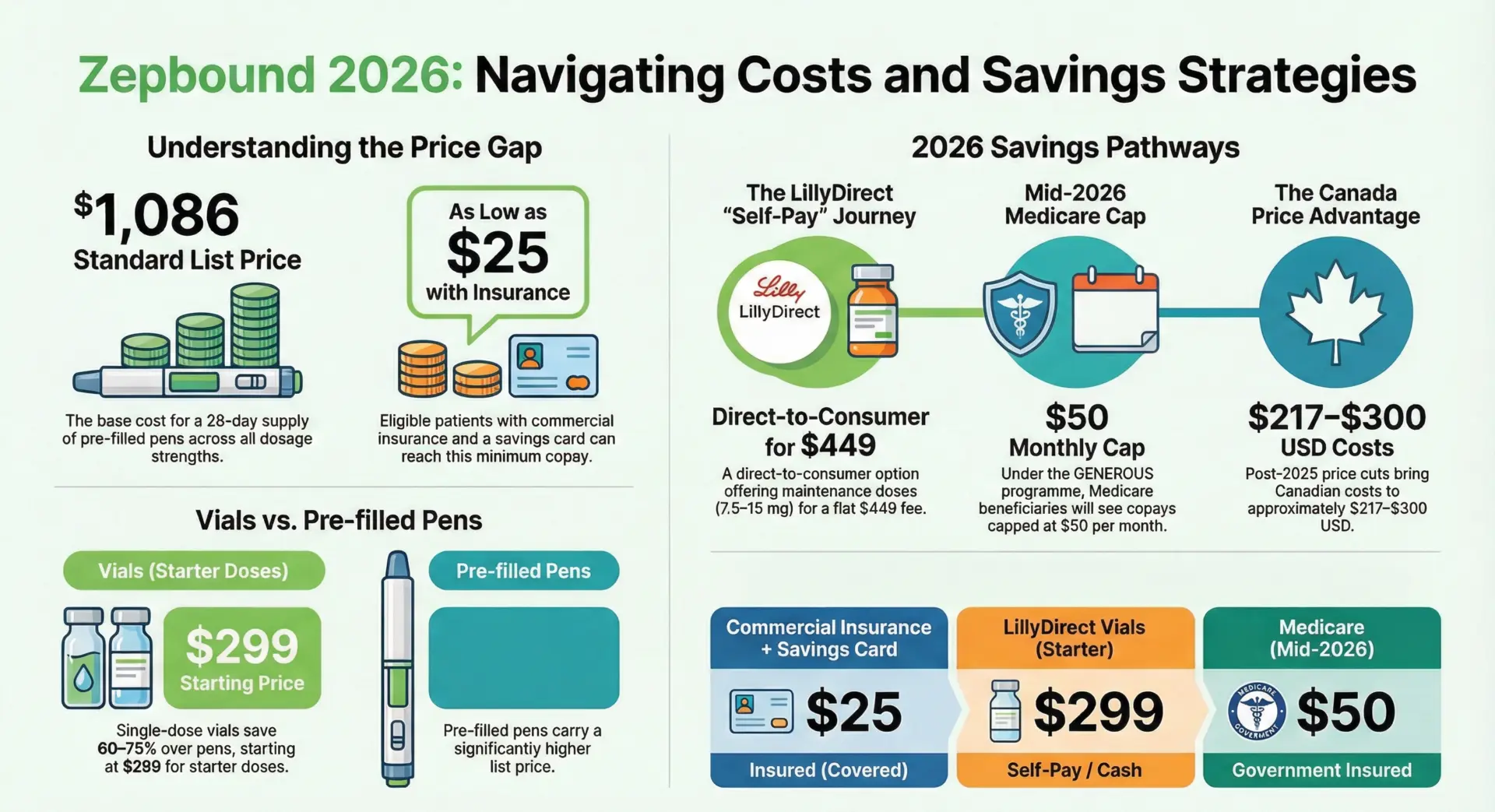
- Core Pricing: Zepbound vial pricing starts at $299 for the 2.5 mg starter dose and increases to $399 for the 5 mg maintenance dose.
- Access Method: Patients must purchase these single-dose vials exclusively through the LillyDirect digital healthcare platform to receive the discounted rates.
- Target Audience: This option is specifically for cash-pay patients without insurance coverage or those who have been using compounded tirzepatide.
- Weight Loss Efficacy: Patients on a 5 mg maintenance dose achieved an average body weight reduction of 15% over 72 weeks in clinical trials.
- Hidden Costs: Beyond the medication, users should budget for telehealth fees, lab work, and medical supplies like syringes and sharps containers.
- Price Comparison: The $399 price point represents a 50% or greater discount compared to the list price of other injectable weight loss drugs.
Eli Lilly’s $399 Zepbound vials offer a significant price reduction compared to the KwikPen, which often costs over $1,000 out-of-pocket. While vials require manual preparation using syringes and needles, they provide a more affordable, FDA-approved alternative for cash-paying patients. This option is specifically designed for those without insurance coverage or those currently using compounded tirzepatide due to cost or supply shortages.
The Real Cost of Zepbound Vials: Breaking Down the $399 Headline
When Eli Lilly announced a lower price for its blockbuster weight loss drug, the headline focused on the $399 figure. However, a deeper dive into Zepbound vial pricing reveals a tiered structure based on the titration doses required for safe treatment. As of late 2025, Eli Lilly offers Zepbound 5 mg single-dose vials for self-pay patients at a price of $399 for a four-week supply. This specific dosage is a common maintenance level for many patients.
The pricing actually begins even lower for those just starting their journey. The 2.5 mg titration doses are priced at $299 per month. For patients who need to scale up to higher maintenance doses, such as 7.5 mg or 15 mg, the price increases to $449 per month. This transparent pricing model through LillyDirect is designed to help patients bypass the traditional retail pharmacy markups that often drive up out-of-pocket expenses.
| Dosage Level | Monthly Cost (4 Vials) | Patient Phase |
|---|---|---|
| 2.5 mg | $299 | Induction/Starter |
| 5 mg | $399 | Maintenance |
| 7.5 mg - 15 mg | $449 | Advanced Maintenance |
Is the 399 dollar zepbound vial worth it for the average patient? For many, the answer lies in the massive gap between these prices and the $1,000+ cost of the auto-injector pens. By opting for vials, patients are essentially trading the convenience of a "click-and-go" pen for several hundred dollars in monthly savings. For lilly direct zepbound vial cost for cash pay patients, this transition represents the first time a branded, high-efficacy GLP-1 has been priced competitively with the "grey market" of compounded alternatives.
Total Monthly Cost: Beyond the Medication
While the sticker price of the medication is the largest hurdle, it is not the only expense. To understand the Zepbound cost in its entirety, patients must factor in the total monthly cost of zepbound vials plus supplies. Unlike the KwikPen, which comes with a built-in needle, single-dose vials require the patient to purchase medical supplies separately. You will need a box of sterile syringes, alcohol swabs, and a sturdy sharps container for safe disposal.
Furthermore, access to Zepbound through LillyDirect requires a valid prescription from a licensed provider. If your primary care physician isn't comfortable managing GLP-1 therapy, you may need a telehealth membership. These platforms often charge a monthly fee ranging from $79 to $149. You should also account for periodic lab work to monitor kidney function and metabolic health, which can cost between $100 and $200 depending on your insurance or local laboratory rates.
Total Monthly Budget Estimate (Self-Pay)
- Medication (5 mg): $399
- Telehealth Subscription: $99
- Injection Supplies: $15
- Total Estimated Monthly Outlay: $513
When looking at GLP-1 medication cost comparison data, even with these added fees, the vial option remains hundreds of dollars cheaper than the list price of other branded medications. This "unbundled" model shifts the responsibility of administration to the patient but keeps the Zepbound cost manageable for those whose insurance provides no weight loss coverage.
Zepbound Vials vs. KwikPen vs. Compounded Alternatives
For over a year, many patients turned to compounded tirzepatide because the branded Zepbound cost was simply too high. With the introduction of the $399 vial, the math has changed. Choosing between affordable weight loss drug options now involves weighing the safety of an FDA-approved manufacturing process against the slight convenience of a compounding pharmacy that may ship pre-filled syringes.
A major point of comparison is the zepbound vial vs wegovy cost comparison 2026. Wegovy, manufactured by Novo Nordisk, continues to have a list price exceeding $1,300 per month. While Wegovy offers savings cards for those with commercial insurance, those in the "insurance gap"—such as those on Medicare or with employer exclusions—find the $399 Zepbound vial significantly more accessible.
Editor's Note: The choice between a vial and an auto-injector is often a financial one, but it's also a matter of comfort. If you have a phobia of needles where you can see the tip, the KwikPen might be worth the extra cost. However, if you are financially savvy, the manual vial is the clear winner for long-term sustainability.
For those considering zepbound vial pricing for higher maintenance doses, even at $449, the price is lower than most reputable compounding pharmacies charge for high-strength 15 mg doses. This moves the patient access needle significantly toward branded Tirzepatide, ensuring that more people are using the exact formulation tested in clinical trials.
Safety, Administration, and the Legal Landscape
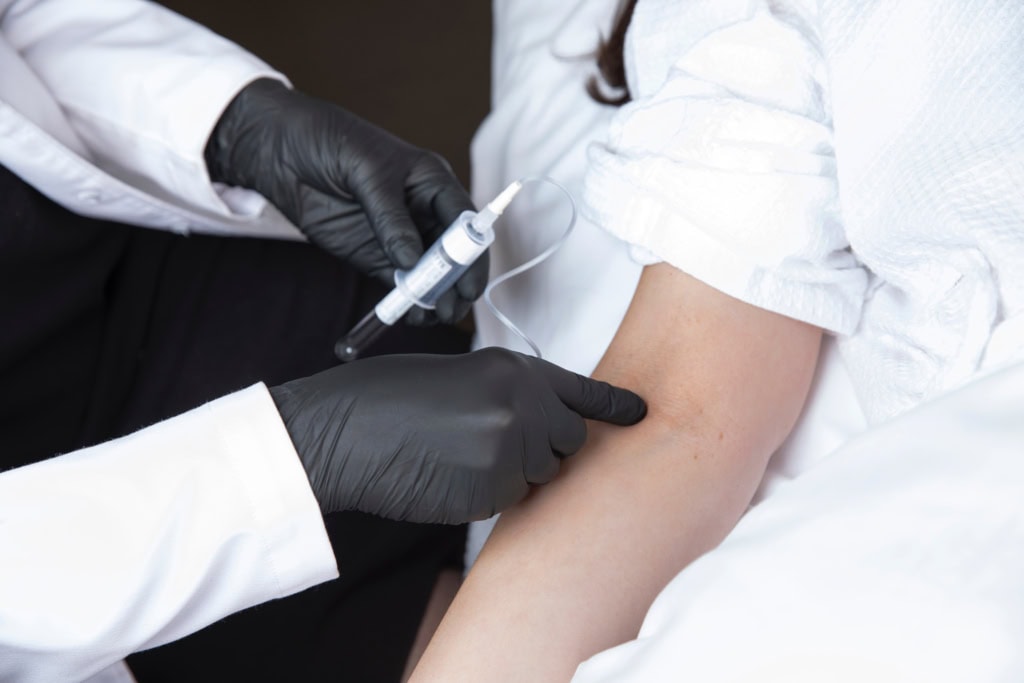
Transitioning to vials means mastering subcutaneous delivery at home. Unlike the auto-injector, where the device controls the depth and speed of the injection, vials require the patient to manually draw the liquid into a syringe. This process requires a clean environment and a steady hand to ensure the correct titration doses are drawn. Accuracy is paramount; drawing too much can lead to increased side effects, while drawing too little may stall weight loss progress.
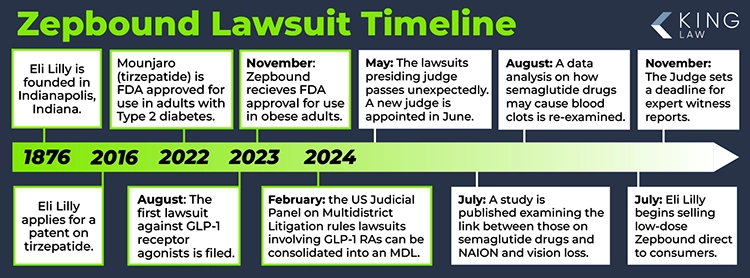
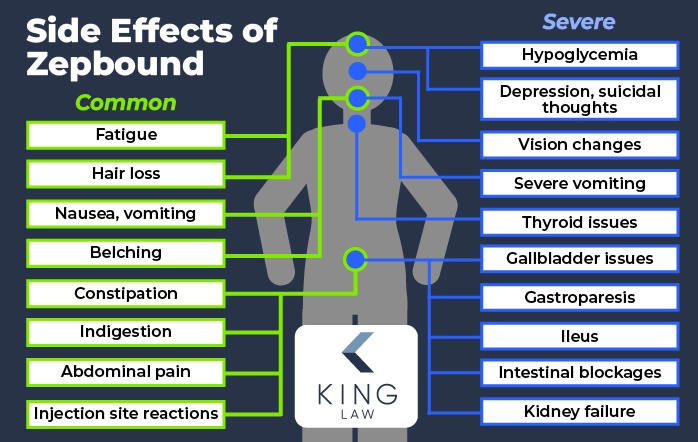
Patients must also stay informed about the evolving safety and legal landscape of these medications. As of 2026, there has been ongoing litigation regarding GLP-1 drugs and potential side effects like gastroparesis (stomach paralysis). Specifically, multidistrict litigation known as MDL 3094 has brought attention to the need for clear warnings regarding digestive transit times. While Tirzepatide is generally well-tolerated, being aware of these legal developments helps patients make informed decisions about their health.
Safety Alert: Injection Best Practices
- Never Reuse Needles: Always use a brand-new, sterile syringe for every dose.
- Proper Disposal: Use an FDA-cleared sharps container to prevent accidental needle sticks.
- Storage: Keep your Zepbound vials in the refrigerator, but do not freeze them.
- Site Rotation: Rotate your injection site between the abdomen, thigh, or back of the arm to prevent skin irritation.
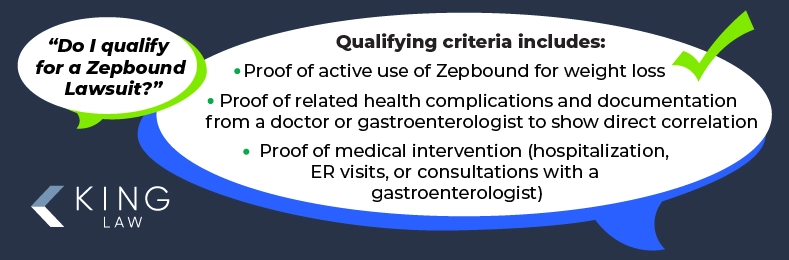
As the safety landscapes shift, understanding legal qualifications can be as important for some patients as understanding the medication's cost. By following strict administration protocols and staying in close contact with a healthcare provider, the risks associated with manual injections can be minimized.
FAQ
How much does Zepbound cost per month without insurance?
Without insurance, the cost of Zepbound varies significantly by the delivery method. The KwikPen auto-injector typically has a list price of around $1,059, though savings cards may reduce this for some. The single-dose vials available through LillyDirect are much cheaper for cash-pay patients, ranging from $299 for the 2.5 mg dose to $449 for the 15 mg dose.
How can I qualify for the Zepbound savings card?
To qualify for the Zepbound savings card, you generally must have commercial insurance that does not cover the drug. However, the $399 vial option is a separate program designed specifically for patients who are paying entirely out-of-pocket and do not qualify for or cannot use the traditional savings card at retail pharmacies.
Is Zepbound cheaper than Wegovy?
For patients paying cash, Zepbound in vial form is significantly cheaper than Wegovy. While Wegovy costs over $1,300 per month at list price, Zepbound vials are priced between $299 and $449. This makes Zepbound the more affordable branded option for those without insurance coverage for weight loss medications.
What is the out-of-pocket price for Zepbound with a coupon?
If you have commercial insurance and a valid Zepbound coupon, the price for the KwikPen can be as low as $25 or $550, depending on your coverage. For those without any insurance coverage, the "coupon" equivalent is the direct-to-consumer vial pricing via LillyDirect, which brings the cost down to a range of $299 to $449 without needing a traditional pharmacy savings card.
Are there any patient assistance programs for Zepbound?
Eli Lilly offers the Lilly Cares Foundation patient assistance program, which provides prescribed Lilly medications at no cost to qualifying patients with limited financial means and no insurance coverage. Additionally, the LillyDirect vial program acts as a de facto assistance program by offering a 50% discount off list prices for all self-pay patients.