Quick Facts
- Diagnosis Gap: It is estimated that approximately 80% of moderate to severe obstructive sleep apnea cases in the United States remain undiagnosed.
- Global Impact: Obstructive sleep apnea affects nearly 1 billion adults worldwide, specifically those between the ages of 30 and 69.
- The Rule of Two: If you or a loved one exhibit two or more of the key warning signs, a clinical evaluation is medically recommended.
- Cardiovascular Risk: Individuals with untreated sleep apnea have a four times higher risk of suffering a stroke and are significantly more likely to develop heart disease.
- Primary Indicators: Key symptoms include loud, chronic snoring, observed gasping during sleep, and waking up with a morning headache and dry mouth sleep apnea signs.
- Key Diagnostic Tool: Sleep specialists utilize the Apnea-Hypopnea Index and polysomnography to determine the severity of airway obstruction.
Common sleep apnea symptoms include loud, chronic snoring and observed episodes of gasping or choking during sleep. Many individuals experience excessive daytime fatigue, morning headaches, and a dry mouth upon waking. Other frequent indicators include non-restorative sleep, frequent nighttime urination known as nocturia, and difficulty concentrating during the day.
The Rule of Two: When to See a Doctor for Sleep Apnea
Imagine your body is an advanced machine that requires a specific sequence of maintenance every night. When that sequence is interrupted, the machine begins to fail in subtle, then catastrophic, ways. Most people assume that sleep apnea is simply about "loud snoring," but it is actually a complex respiratory and neurological condition. Because sleep apnea occurs while we are unconscious, many patients are the last ones to know they have it.
This is where the Rule of Two comes in. Because the signs are often misinterpreted as general stress or aging, medical professionals suggest a simple threshold for seeking help. If you experience two or more of the symptoms listed in this guide, it is time to schedule a consultation with a sleep specialist. This heuristic helps bridge the gap between "just being tired" and identifying a potentially life-threatening condition.
| Symptom Category | Key Indicator | The Observer's Role |
|---|---|---|
| Nocturnal | Snoring, gasping, or pauses in breath | Usually reported by a bed partner |
| Physical | Neck circumference >17 inches (men) or >16 inches (women) | Self-measured or checked by a doctor |
| Daytime | Unexplained fatigue or cognitive fog | Noticed by the individual or coworkers |
| Physiological | Resistant hypertension or morning headaches | Monitored via health tracking or clinical visits |
When you decide when to see a doctor for sleep apnea, remember that the goal is to evaluate your sleep architecture—the structural pattern of your sleep stages—to ensure your brain and heart are getting the oxygen they need to function.
1. Rhythmic Snoring vs. Obstructive Gasping
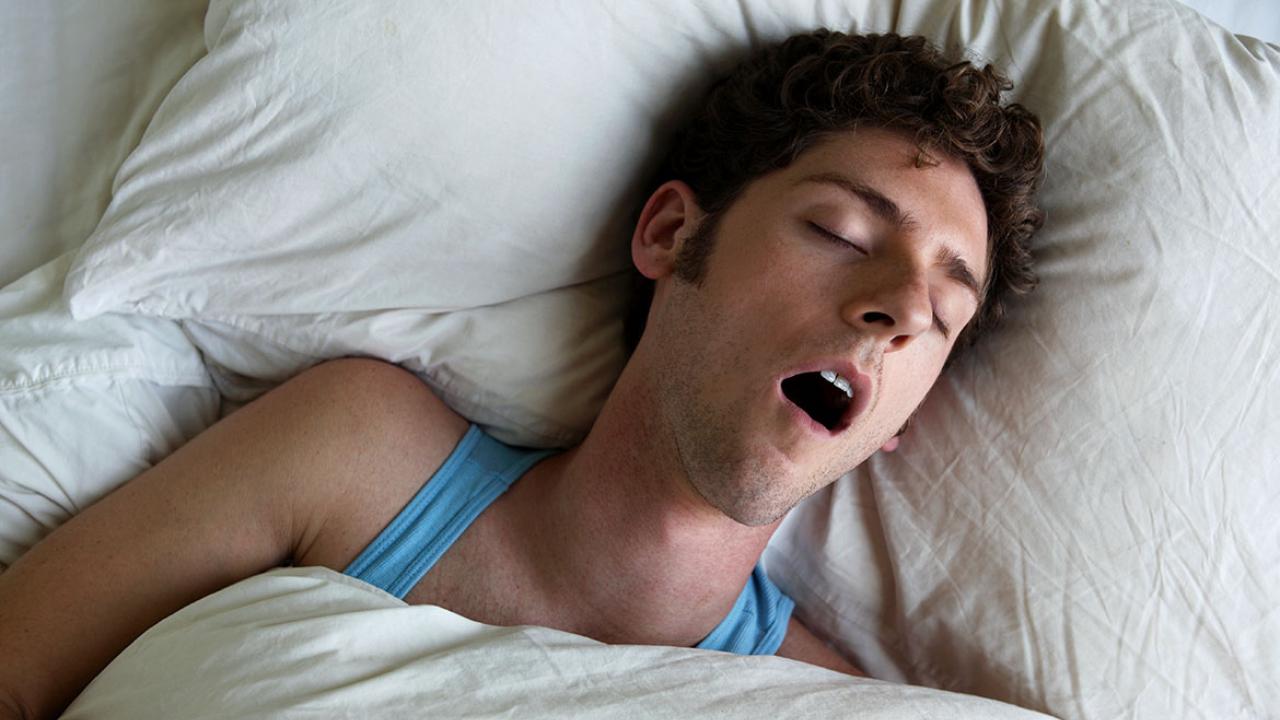
There is a significant difference between primary snoring, which is often a rhythmic, steady sound caused by vibrating tissues, and the dangerous sounds of obstructive sleep apnea. In cases of sleep apnea symptoms, the snoring is often interrupted by sudden silences. These silences are the moments when the upper airway obstruction is complete, and no air is entering the lungs.
The silence is usually broken by a loud snort, gasp, or choking sound as the brain realizes it is being deprived of oxygen and sends a panic signal to wake the body up just enough to clear the airway. These are partner observed gasping and snoring warning signs that should never be ignored. To the observer, it looks like the person is struggling for air; to the sleeper, it often goes completely unnoticed. These events contribute to a high Apnea-Hypopnea Index, which measures how many times per hour your breathing stops or becomes dangerously shallow.
2. The 'Broken Charging Cable': Non-Restorative Sleep
Have you ever plugged your phone into a charging cable that has a loose connection? You leave it overnight, but because the connection kept cutting in and out, you wake up to a battery that is only at 20 percent. This is the perfect analogy for non-restorative sleep. Even if you spend eight or nine hours in bed, the constant micro-awakenings caused by your airway closing prevent you from reaching the deep, restorative stages of sleep.
This disruption of sleep architecture means your body never completes its essential repair work. This leads to profound daytime fatigue and cognitive dysfunction indicators, such as feeling like you are moving through a thick fog. If you find yourself needing multiple cups of coffee just to reach a baseline of alertness, or if you feel the urge to nap immediately after a full night’s rest, your body is telling you that your "charging cable" is broken.
3. Morning Headaches and Xerostomia (Dry Mouth)
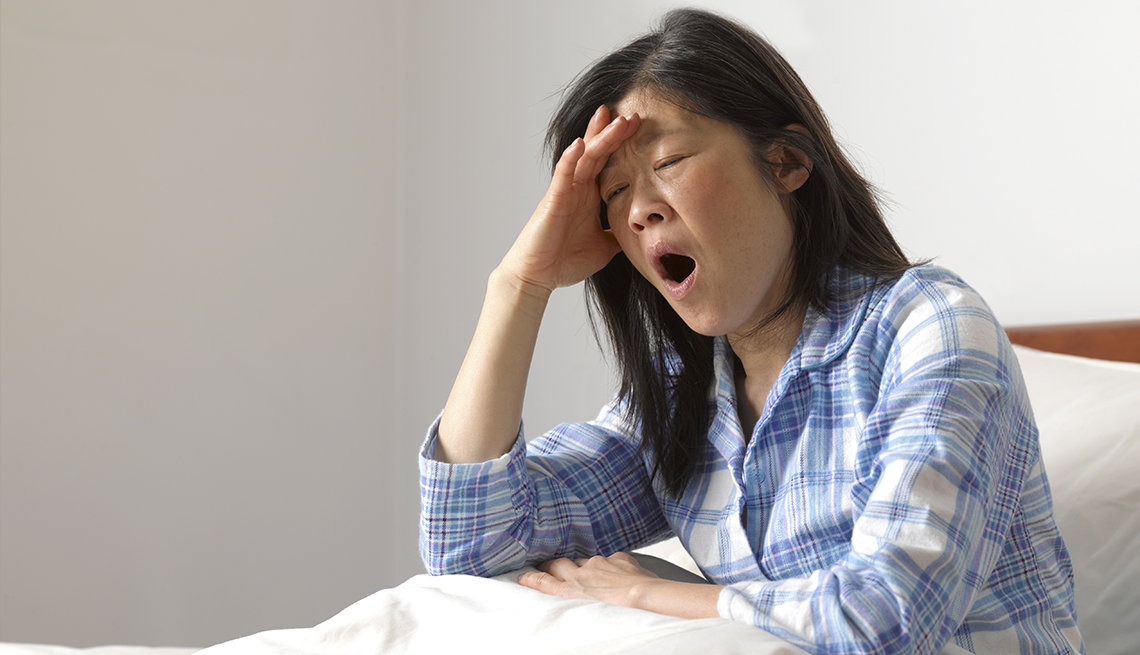
One of the most telling common signs of sleep apnea happens the very moment you open your eyes. Many patients report a dull, throbbing headache that typically dissipates within an hour or two of waking up. This occurs because the repeated drops in blood oxygen levels—known as oxygen desaturation—cause the blood vessels in the brain to dilate.
Additionally, waking up with a parched, "cotton-mouth" feeling, or xerostomia, is a major red flag. When the airway is obstructed, many people instinctively become mouth-breathers to compensate. This constant airflow dries out the oral tissues. These morning headache and dry mouth sleep apnea signs are physical evidence of the struggle your body went through while you were "resting."
4. Cognitive Fog and Emotional Volatility
Sleep is not just for the body; it is for the brain. When sleep apnea symptoms disrupt the restorative process, the prefrontal cortex—the area of the brain responsible for logic, emotional regulation, and focus—is the first to suffer. This manifests as irritability, sudden mood swings, or even symptoms that mimic depression.
Clinicians often use the Epworth Sleepiness Scale to quantify this effect. It asks how likely you are to doze off during routine activities like watching TV or sitting in a meeting. This isn't just "being tired"; it is a sign that your brain is struggling with sleep fragmentation. You might find yourself forgetting simple names or losing your train of thought, which are classic daytime fatigue and cognitive dysfunction indicators.
5. Nocturia: Frequent Nighttime Bathroom Trips
Most people assume that getting up multiple times a night to use the bathroom is a bladder or prostate issue. However, frequent nighttime urination, or nocturia, is a common but surprising indicator of obstructive sleep apnea.
When your airway closes, your heart has to work much harder to pump blood against the increased pressure in your chest. This strain causes the heart to release a hormone called atrial natriuretic peptide, which signals the kidneys to produce more urine. Essentially, your heart is under so much stress that it sends a false signal to the body to "lighten the load." If you are making more than two trips to the bathroom a night, it may be your heart signaling for help due to airway issues.
6. Physical Markers: Neck Circumference and Airway Crowding
Sometimes the most significant obstructive sleep apnea indicators are written in your anatomy. During a clinical evaluation, a doctor will often measure neck circumference. Men with a neck size larger than 17 inches and women with a neck size larger than 16 inches are at a significantly higher risk because the extra soft tissue can easily collapse into the airway during sleep.
Doctors also look at the Mallampati score, which is a way of grading how much space is visible in the back of your throat. If your tongue and soft palate are crowded, there is less room for air to pass. These physical traits, combined with other sleep apnea symptoms, provide a strong clinical picture of risk before you even step into a sleep lab.
7. Atypical Symptoms in Women and Pediatric Signs
It is a dangerous myth that sleep apnea only affects older, overweight men. We now know that atypical sleep apnea symptoms in women often include insomnia, anxiety, or restless leg syndrome rather than the classic "chainsaw" snoring. Women are frequently misdiagnosed with mood disorders when the underlying issue is actually a breathing obstruction.
Similarly, parents should be aware of pediatric sleep apnea indicators for parents, as children present differently than adults. Per the latest pediatric guidelines, signs in children can include bedwetting, heavy sweating at night, and behavioral issues that look like ADHD. Growth delays can also occur, as growth hormones are primarily released during deep sleep. If a child snores regularly, it is never something they should simply "grow out of" without a professional check-up.
8. Cardiovascular 'Red Flags' and Hypertension
Untreated sleep apnea is a major driver of systemic health problems. The constant cycle of oxygen deprivation and the subsequent "startle" response of the heart creates a state of chronic stress. This often leads to resistant hypertension, where blood pressure remains high even when taking three or more medications.
The long-term obstructive sleep apnea symptoms and cardiovascular risk factors are severe. The condition is closely linked to metabolic syndrome—a cluster of conditions including high blood sugar and abnormal cholesterol—and atrial fibrillation, which is an irregular heart rhythm. Because of the strain on the vascular system, those with the condition have a much higher likelihood of heart failure if the airway obstruction is not addressed.
9. Daytime Safety Hazards: Driving and Machinery
Beyond the long-term health risks, sleep apnea presents immediate safety hazards. Excessive daytime sleepiness can lead to "microsleeps," where the brain shuts down for a few seconds without the person realizing it. If this happens while operating heavy machinery or driving, the results can be fatal.
Safety Warning: If you have ever caught yourself drifting into another lane or "snapping" awake while behind the wheel, you are experiencing a critical failure of alertness. This level of fatigue is often compared to being legally intoxicated in terms of reaction time and judgment. Seek medical advice immediately if your fatigue compromises your safety or the safety of others.
10. The Path to Diagnosis: From Home Tests to Polysomnography
If you recognize these sleep apnea symptoms in yourself, the next step is a formal diagnosis. This usually begins with a visit to a Pulmonologist or a sleep specialist. Depending on your health history, they may recommend a Level 3 Home Sleep Apnea Testing kit, which you can use in your own bed to monitor oxygen levels and heart rate.
However, the "gold standard" remains Polysomnography, an in-lab study that tracks brain waves, eye movements, and muscle activity. This provides a complete picture of your sleep stages and allows doctors to see exactly how often your oxygen levels drop. This data is used to calculate the severity of the condition and guide the treatment plan.
FAQ
What are the most common signs of sleep apnea?
The most frequent indicators are loud, persistent snoring followed by periods of silence and then a sudden gasp or choking sound. Many people also report waking up feeling unrefreshed, experiencing excessive daytime sleepiness, and having a dry mouth or headache in the morning.
How do I know if I have sleep apnea or just snoring?
While snoring is common, sleep apnea is defined by the interruption of breathing. If your snoring is rhythmic and consistent, it may be benign. However, if your snoring is accompanied by gasping, pauses in breath, or if you feel exhausted during the day despite a full night's sleep, it likely indicates obstructive sleep apnea.
Can you have sleep apnea without knowing it?
Yes, it is very common. Because the symptoms happen while you are asleep, you may not remember the mini-awakenings. This is why about 80% of cases go undiagnosed. Often, it is a bed partner who first notices the breathing pauses or the person realizes there is a problem only after experiencing chronic daytime fatigue.
What are the symptoms of sleep apnea in females?
In women, the condition often presents with less traditional symptoms. Rather than loud snoring, women may experience chronic insomnia, morning headaches, anxiety, depression, or a general lack of energy. This often leads to sleep apnea being overlooked in female patients.
Can sleep apnea cause heart problems?
Absolutely. Untreated sleep apnea puts immense strain on the cardiovascular system. It is linked to high blood pressure, irregular heartbeats like atrial fibrillation, and a significantly increased risk of heart attack and stroke due to the repeated drops in blood oxygen levels.