Quick Facts
- The Preventability Gap: Nearly 80% of heart disease is preventable through consistent lifestyle modifications.
- The Diagnosis Gap: Women are 50% more likely to be misdiagnosed initially compared to men when seeking help for cardiac events.
- The 150-Minute Rule: Engaging in 150 minutes of moderate exercise weekly reduces mortality risk 3x more for women than for men.
- Critical Threshold: Clinical guidelines recommend surgical aortic repair for women at 5.0cm, whereas the threshold for men is often 5.5cm.
- Life-Stage Indicators: A preeclampsia history or early menopause are now recognized as significant long-term risk factors for cardiac issues.
Women’s heart health is unique because biological factors like estrogen levels and smaller vascular geometry lead to an atypical presentation of cardiovascular disease symptoms in women compared to men. Understanding these differences is essential for ensuring that every woman receives the precision care and timely intervention she deserves.
For many years, the medical community viewed heart health through a male-centric lens. We were taught that a heart attack looks like a crushing weight on the chest, often referred to as the Hollywood Heart Attack. However, as we dive deeper into the clinical data, we find that womens heart health requires a much more nuanced approach. Cardiovascular disease remains the leading cause of death for women in the United States, accounting for approximately one in every three deaths annually and killing more women than all forms of cancer combined. Despite this, gender differences in heart health continue to result in disparities in care, diagnosis, and treatment.

Beyond Chest Pain: Recognizing Female-Specific Symptoms
When we talk about cardiovascular disease symptoms in women, we must move beyond the standard definition of chest pain. While chest pressure can still occur, women frequently experience what clinicians call an atypical presentation. This term is actually a bit of a misnomer; for women, these symptoms are quite typical. You might feel an unusual sense of fatigue, a lingering indigestion, or even pain that radiates into your jaw or neck.
One of the most common signs reported by women is dyspnea, or shortness of breath, which can occur even when you are resting or performing light tasks. Because these signs are subtle, identifying non-chest pain heart attack symptoms in women is a critical skill for both patients and providers. Unfortunately, these vague symptoms often lead to medical bias, where a woman’s physical distress is attributed to anxiety or stress. Research indicates that women are 20% more likely than men to develop heart failure or die within five years of a severe heart attack, frequently due to clinical disparities such as delayed diagnosis.
| Symptom Type | Common in Men | Common in Women |
|---|---|---|
| Primary Sensation | Crushing chest pressure | Fatigue, nausea, or lightheadedness |
| Pain Location | Left arm, chest | Jaw, neck, upper back, or stomach |
| Breathing | Often normal until late | Dyspnea (shortness of breath) |
| Systemic Signs | Cold sweat | Indigestion or flu-like symptoms |
To be successful in preventing heart attack misdiagnosis in female patients, we must trust our intuition. If you feel that something is fundamentally wrong with your body, even if you aren't clutching your chest, it is vital to seek emergency care and explicitly ask, "Could this be my heart?"

Biological Blueprints: Why Women’s Hearts Are Different
The architecture of a woman's heart is inherently different from a man's. On average, women have smaller hearts and narrower blood vessels. This smaller vascular geometry means that plaque morphology behaves differently as well. In men, plaque often builds up in large clumps that can be easily seen on standard imaging. In women, plaque tends to erode or spread more thinly and evenly along the vessel walls, making it harder to detect during a routine angiogram.
Furthermore, women are more prone to microvascular dysfunction, a condition where the smallest arteries in the heart do not dilate properly. This can cause significant chest pain and ischemia even if the large coronary arteries appear clear. These biological differences in female coronary artery health mean that a one-size-fits-all diagnostic approach will inevitably fail some women.
Precision medicine is beginning to account for these variations by lowering thresholds for surgical intervention. For example, while an aortic aneurysm in a man might not be operated on until it reaches 5.5cm, the risk for women increases much sooner, leading to a recommended repair threshold of 5.0cm. We also see differences in endothelial shear stress, which is the friction of blood against the vessel walls. These factors, combined with X-linked genetic influences, create a unique cardiovascular profile that requires specialized attention.

Life’s Stress Tests: Pregnancy, Menopause, and Hormonal Risk
A woman's heart health is intrinsically linked to her reproductive history. We often call pregnancy "nature's stress test." Biological and reproductive factors unique to women, including preeclampsia, gestational diabetes, and early menopause, are established clinical indicators that significantly increase the long-term risk of developing cardiovascular disease.
If you have a preeclampsia history, your risk of developing hypertension or suffering a stroke later in life is doubled. This is why the "Fourth Trimester"—the period after childbirth—is so critical for establishing long-term monitoring. It isn't just about the health of the baby; it is about tracking your own cardiovascular trajectory.
As we age, the menopause transition introduces new challenges. Estrogen levels play a protective role in keeping our blood vessels flexible and maintaining healthy cholesterol profiles. As estrogen declines during menopause, many women see a sharp rise in LDL (the "bad" cholesterol) and an increase in systemic inflammation. Understanding these gender differences in heart disease symptoms and risk factors allows us to intervene during this mid-life window to protect the heart for decades to come.
The Prevention Playbook: Essential Actions and Screening
The good news is that we have immense power over our heart health. While genetics and hormones play a role, heart disease prevention for women is largely driven by daily choices. I recommend focusing on several actionable lifestyle changes for female heart disease prevention that yield the highest return on investment:
- The 150-Minute Rule: Aim for at least 150 minutes of moderate-intensity aerobic activity per week. Studies suggest women derive significantly more longevity benefits from this exercise than men do.
- Nutritional Foundations: Adopting a DASH or Mediterranean-style diet emphasizes fiber, healthy fats, and lean proteins, which are essential for managing endothelial health.
- Know Your Numbers: Beyond just your weight, track your blood pressure, fasting glucose, and lipid panel.
- Stress Management: Women often face the "caregiver barrier," prioritizing the health of children or elderly parents over their own. High cortisol levels from chronic stress are a direct threat to your arteries.
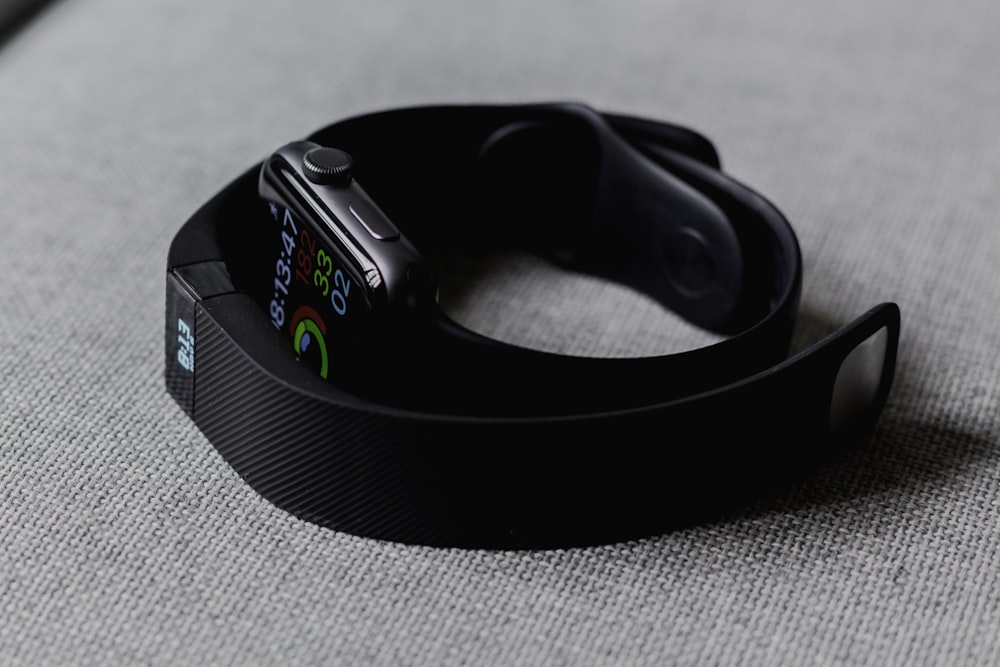
There are several practical ways to monitor cardiovascular health as a woman that go beyond the doctor's office. Using wearable technology to track your resting heart rate and heart rate variability (HRV) can provide early clues into how your autonomic nervous system is functioning. If you notice your resting heart rate creeping up over several months without a change in activity, it may be time for a check-up.
Advocacy and Equity: Navigating the Medical System
Despite advances, women remain underrepresented in clinical trials. This gap makes it even more important for you to learn how to advocate for yourself during a heart health screening. Many women feel rushed in the exam room, or feel that their concerns are being dismissed as "just stress."
To ensure you are getting the most from your medical appointments, come prepared with essential questions for women to ask their cardiologist:
- "Given my history of [preeclampsia/early menopause], how does that change my risk profile?"
- "Are my symptoms consistent with microvascular dysfunction rather than large-vessel disease?"
- "Can we perform a Calcium Score or an Advanced Lipid Panel for a clearer picture of my risk?"
- "How do my results compare to female-specific clinical benchmarks?"
Self-advocacy is the bridge to precision medicine. By demanding care that recognizes your unique physiology, you aren't just helping yourself—you are helping to shift the medical culture for all women.

FAQ
What are the early warning signs of heart disease in women?
Early signs often include persistent fatigue that isn't solved by sleep, unusual shortness of breath during routine activities, and discomfort in the upper back or jaw. Many women also report a feeling of "heaviness" in the arms or a sense of impending doom that doesn't have an obvious cause.
How do heart attack symptoms differ between men and women?
While men typically experience intense chest pressure or pain down the left arm, women are more likely to have an atypical presentation. This includes nausea, vomiting, dizziness, and pain that may be located in the stomach or jaw rather than the center of the chest.
How does menopause affect a woman's heart health?
During the menopause transition, the decline in estrogen levels can lead to stiffer blood vessels and a rise in LDL cholesterol. This hormonal shift increases the risk of high blood pressure and makes the vascular system more vulnerable to plaque buildup.
Why is heart disease often missed or misdiagnosed in women?
Misdiagnosis occurs because women's symptoms are often subtle and don't match the traditional "male" model of heart disease. Additionally, plaque in women often presents as microvascular dysfunction, which is harder to see on standard diagnostic tests like angiograms, leading to medical bias.
Can pregnancy complications increase future heart disease risk?
Yes, certain complications like preeclampsia, gestational hypertension, and gestational diabetes are significant markers. Having a preeclampsia history, for example, can double your risk of heart disease and stroke later in life, serving as an early warning sign that requires long-term monitoring.