Quick Facts
- Metabolic Shift: Daily calorie needs typically drop by 250-300 kcal during the midlife transition as estrogen levels fluctuate.
- Muscle Support: Women should target 1.2g to 1.6g of protein per kg of body weight to prevent the natural loss of lean mass.
- Fiber Goal: Aim for 25-35g of daily fiber to assist the liver and gut in estrogen detoxification.
- Plant Diversity: Strive to consume 30+ unique plant foods weekly to foster microbiome support and metabolic health.
- Symptom Focus: These recipes are optimized for hot flash relief, mood stability, and sustained energy levels.
Perimenopause recipes should emphasize omega-3 fatty acids, fiber, and high-quality protein to support hormonal health during this significant life transition. Ingredients like salmon provide essential fats that may lower inflammation and stabilize mood, while fiber-rich components like chickpeas help manage weight and support metabolic health. By focusing on nutrient density, you can effectively manage the shifting hormonal landscape and maintain midlife wellness through every meal.

The Science of Perimenopause Nutrition
Understanding the transition into menopause requires a look at the profound physiological changes happening beneath the surface. For many women, perimenopause is characterized by a "recalibration" of the endocrine system. As estrogen decline becomes more pronounced, the body’s ability to process glucose efficiently—often referred to as metabolic flexibility—can decrease. This often leads to insulin resistance and a frustrating shift in fat distribution, particularly around the midsection.
Furthermore, the loss of estrogen is directly linked to a decrease in muscle protein synthesis. Research shows that women can lose between 9-10% of their muscle mass during the menopausal transition if they do not adjust their intake of high-quality protein. This is why incorporating high protein perimenopause recipes for muscle health is not just about fitness; it is a clinical necessity for maintaining a healthy metabolic rate.
The physical toll of these changes is significant. Statistics show that more than 75% of women experience menopausal symptoms during this transition, with roughly 25% describing these experiences as severe. Beyond the well-known hot flashes, which affect roughly 80% of women, there is a heavy burden of fatigue. In fact, a global survey found that 83% of women reported fatigue and physical exhaustion as their most frequent symptom.
To combat this exhaustion, we must focus on nutrient dense meals for perimenopause fatigue that prioritize blood sugar regulation. When your blood sugar spikes and crashes, it triggers cortisol—your primary stress hormone. High cortisol further depletes your energy and can exacerbate irritability and sleep problems. By choosing foods to ease perimenopause symptoms, such as cruciferous vegetables containing Indole-3-carbinol, you help your body safely metabolize and detoxify excess estrogen, leading to a smoother hormonal ride.
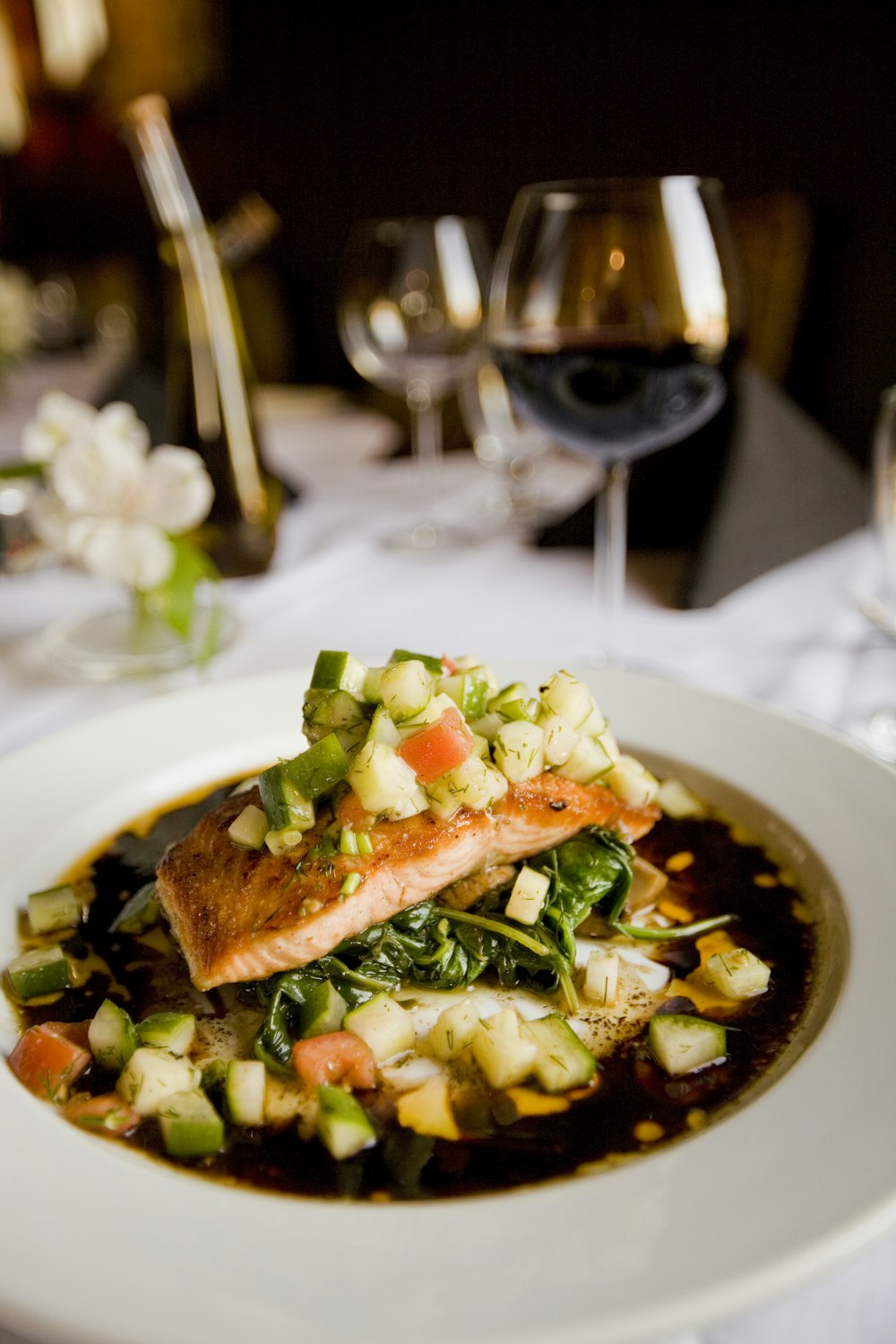
Recipe 1: Omega-Rich Pan-Seared Salmon with Cruciferous Slaw
This dish is a powerhouse for anyone looking for hormone balancing meals that address both physical and emotional health. The primary focus here is fighting the systemic inflammation that often spikes during perimenopause. By using anti inflammatory perimenopause recipes for mood support, you are providing your brain with the raw materials it needs to maintain neurotransmitter balance.
Ingredients
- 2 wild-caught salmon fillets (approx. 6oz each)
- 2 cups shredded purple cabbage and broccoli stems
- 1 tablespoon avocado oil (for high-heat searing)
- 1/4 cup pumpkin seeds (pepitas)
- Dressing: Apple cider vinegar, extra virgin olive oil, and a squeeze of fresh lemon
Instructions
- Pat the salmon fillets dry with a paper towel. This ensures a crisp sear without overcooking the delicate fats inside.
- Heat the avocado oil in a pan over medium-high heat. Place the salmon skin-side down and sear for 4-5 minutes until the skin is crispy.
- Flip the fillets and cook for another 2-3 minutes. You want the center to remain slightly translucent to preserve the Omega-3 fatty acids.
- While the salmon rests, toss the shredded cabbage and broccoli slaw with the dressing and pumpkin seeds. The crunch provides excellent satiety signals to the brain.
- Serve the salmon atop a generous bed of the slaw.
Nutritional Why: Salmon & Crucifers Salmon is one of the best sources of Vitamin D and Omega-3 fatty acids, which are critical for heart health and brain function during perimenopause. The cabbage and broccoli contain fiber and sulfur-rich compounds that support the liver in breaking down used hormones, preventing the "estrogen dominance" that can lead to heavy periods and mood swings.
This recipe is one of the most effective perimenopause recipes because it addresses lean muscle retention through its high protein content while simultaneously cooling inflammation. When you eat high-quality fats and protein together, you improve your satiety signals, making it easier to naturally manage your caloric intake without feeling deprived.
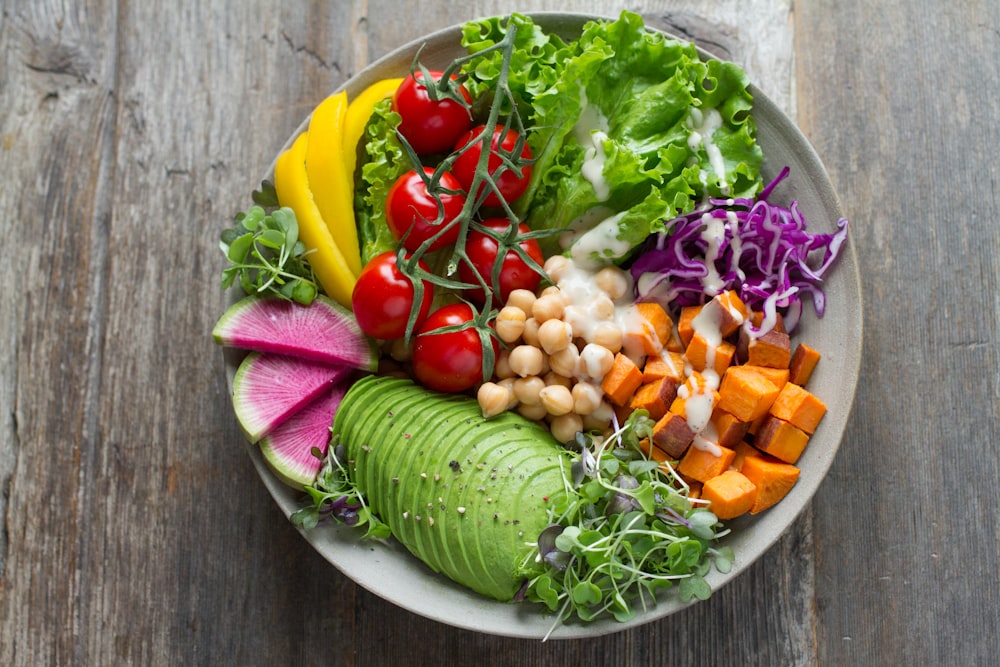
Recipe 2: Phytoestrogen-Packed Chickpea & Mediterranean Seed Salad
If you are looking for easy dinner recipes for perimenopause symptoms that specifically target hot flashes, this salad is your best friend. It relies on the power of plant-derived compounds to gently mimic estrogen in the body, which can help take the edge off vasomotor symptoms like night sweats and sudden heat.
Ingredients
- 1 can organic chickpeas (rinsed and drained)
- 1/2 cup cucumber, diced
- 1/2 cup cherry tomatoes, halved
- 2 tablespoons ground flaxseeds
- 2 tablespoons sunflower seeds or sesame seeds
- Fresh parsley and mint, finely chopped
- Dressing: Tahini, lemon juice, and a pinch of sea salt
Instructions
- In a large bowl, combine the chickpeas, cucumber, and tomatoes. Chickpeas are a cornerstone of perimenopause nutrition tips because they offer both fiber and protein.
- Sprinkle the ground flaxseeds and Mediterranean seeds over the mixture. It is vital to use ground flaxseeds rather than whole ones to ensure your body can actually absorb the lignans.
- Whisk the tahini and lemon juice together with a splash of water to create a creamy, calcium-rich dressing.
- Toss everything together and let it sit for 10 minutes. This allows the flavors to meld and the seeds to soften slightly.
This dish serves as one of the premier phytoestrogen recipes for hot flash relief. Legumes like chickpeas contain isoflavones, which can bind to estrogen receptors and provide a stabilizing effect. Furthermore, by including seeds, you are creating one of the best calcium and magnesium rich recipes for bone health. Magnesium is often called "nature’s tranquilizer," and it is essential for calming the nervous system and supporting bone health maintenance as we age.
Nutritional Why: Flaxseeds & Tahini Flaxseeds are the richest dietary source of lignans, a type of phytoestrogen that helps balance the body’s own estrogen levels. Tahini, made from sesame seeds, is an incredible plant-based source of calcium, which is vital for maintaining bone density during the transition to menopause.
Smart Swaps and Non-Scale Victories
When following perimenopause nutrition tips, it is easy to get caught up in what you should avoid. However, my approach is always about what we can add to your plate. If you find that grains are making you feel bloated, swap rice for cauliflower rice or quinoa. If you are plant-based, replace the salmon in Recipe 1 with organic, fermented tempeh to maintain that high protein profile while gaining microbiome support.
The goal is to focus on Non-Scale Victories (NSVs). Weight gain during perimenopause is a common concern, but the number on the scale doesn't tell the whole story. Are you sleeping better? Is your energy more consistent throughout the afternoon? Do you feel more "level" in your moods? These are the true indicators that your hormone balancing meals are working.
Focusing on plant diversity—aiming for 30 different plants a week—ensures you are getting a wide spectrum of polyphenols and antioxidants. These compounds protect your cells from the oxidative stress that increases as estrogen levels drop. By prioritizing midlife wellness over calorie restriction, you nourish your body through this transition rather than fighting against it.
FAQ
What are the best foods to eat during perimenopause?
The best foods to include are those rich in omega-3 fatty acids, high-quality proteins, and cruciferous vegetables. Wild-caught fish, organic soy, flaxseeds, and leafy greens provide the necessary nutrients to support hormone metabolism and reduce inflammation. Focusing on whole, unprocessed foods helps stabilize blood sugar and manage common symptoms like fatigue and mood swings.
Which foods help balance hormones during perimenopause?
Phytoestrogen-rich foods like chickpeas, lentils, and ground flaxseeds can help balance hormones by gently mimicking estrogen in the body. Additionally, cruciferous vegetables like broccoli and kale contain compounds that assist the liver in detoxifying excess or "dirty" estrogens. Healthy fats from avocados and olive oil are also essential as they serve as the building blocks for hormone production.
What recipes help with perimenopause weight gain?
Recipes that focus on high protein and high fiber are most effective for managing weight during this stage. High protein perimenopause recipes for muscle health help maintain a higher metabolic rate, while fiber-rich meals, like a Mediterranean chickpea salad, promote satiety and prevent overeating. Choosing low-glycemic carbohydrates helps keep insulin levels stable, which is key for preventing abdominal fat accumulation.
Can certain recipes help reduce hot flashes?
Yes, recipes that incorporate phytoestrogens and cooling ingredients can be very helpful. Phytoestrogen recipes for hot flash relief often feature soy, flaxseeds, and legumes, which have been shown in some studies to reduce the frequency and severity of vasomotor symptoms. Avoiding triggers like spicy foods, caffeine, and alcohol in your recipes can also significantly decrease the occurrence of night sweats.
Which nutrients are most important for perimenopause health?
The most critical nutrients include Magnesium for sleep and stress management, Calcium and Vitamin D for bone health maintenance, and Omega-3 fatty acids for cognitive function and mood stability. Fiber is equally important for maintaining a healthy microbiome and ensuring the proper excretion of hormones. Protein remains the top priority for preserving muscle mass as estrogen levels decline.